China Revisited – Art and Travel

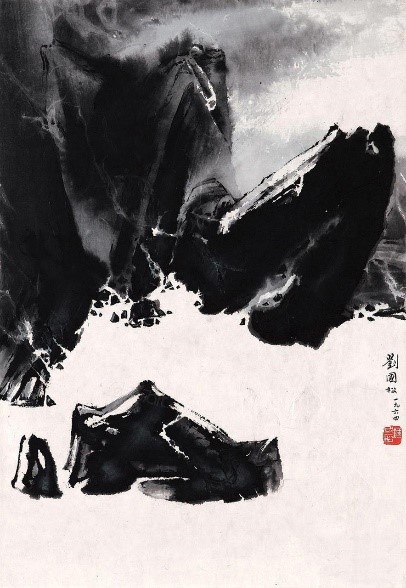
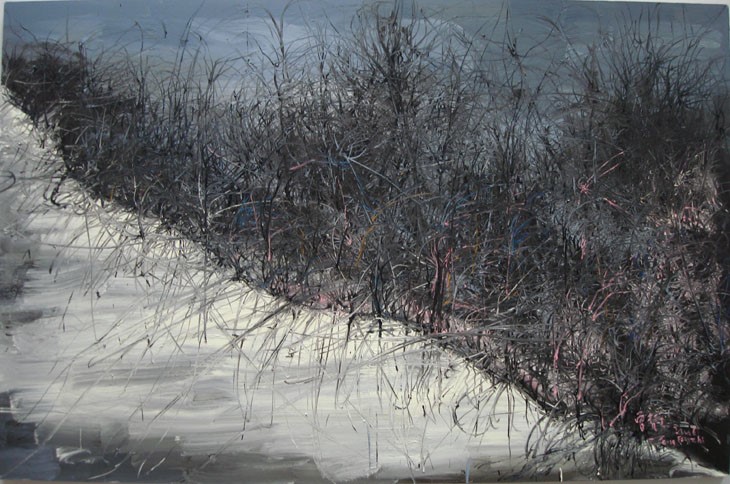
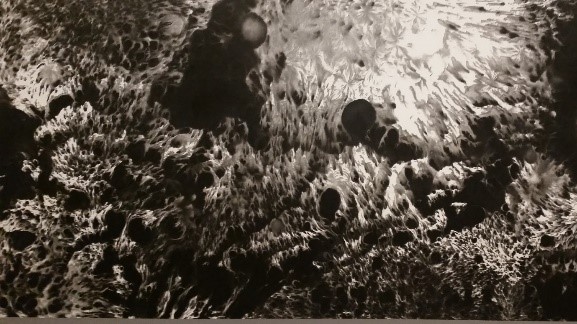
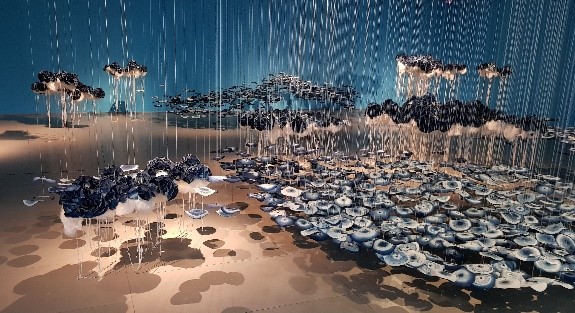
Recent exhibitions of some of the best contemporary art from within and outside China, reminded me again of travels in China in the distant past. The influence of the long cultural history not to be underestimated both in technique and subject, in complex and compelling contemporary art.

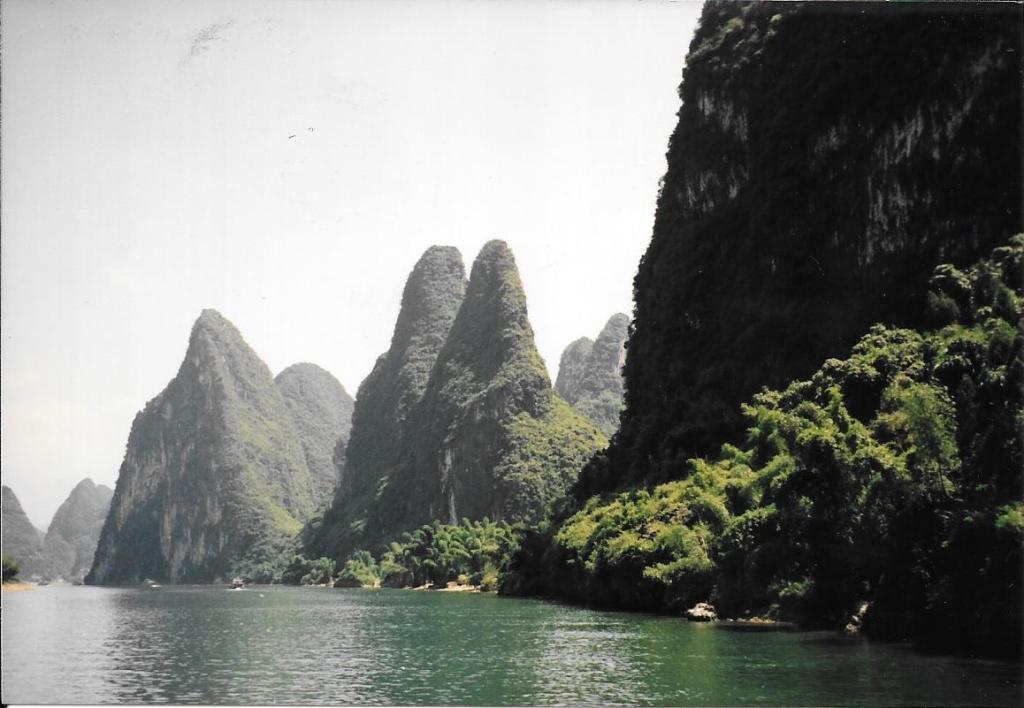
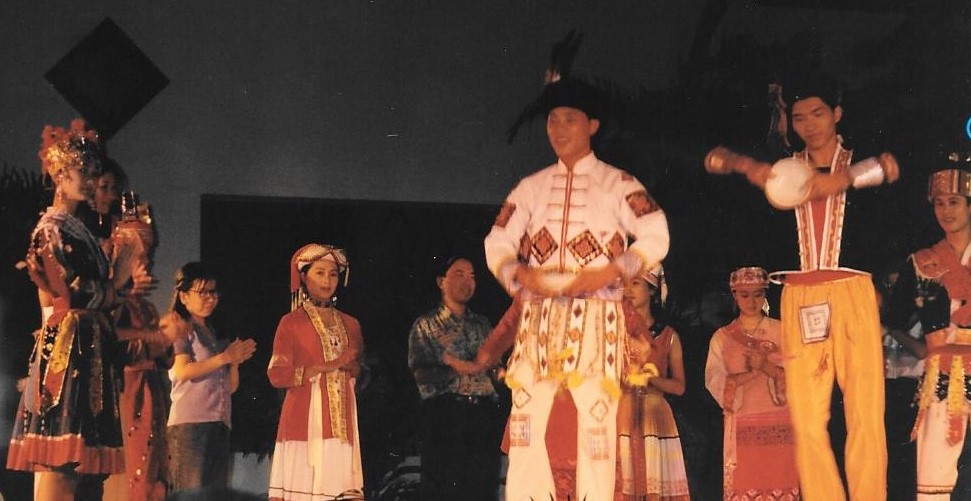
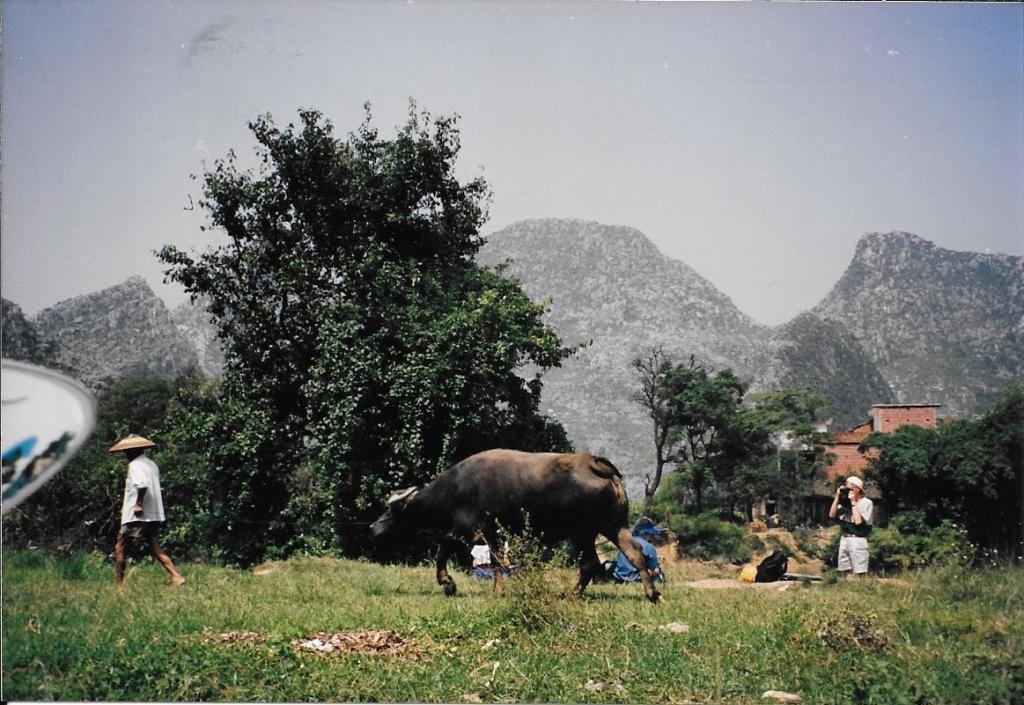
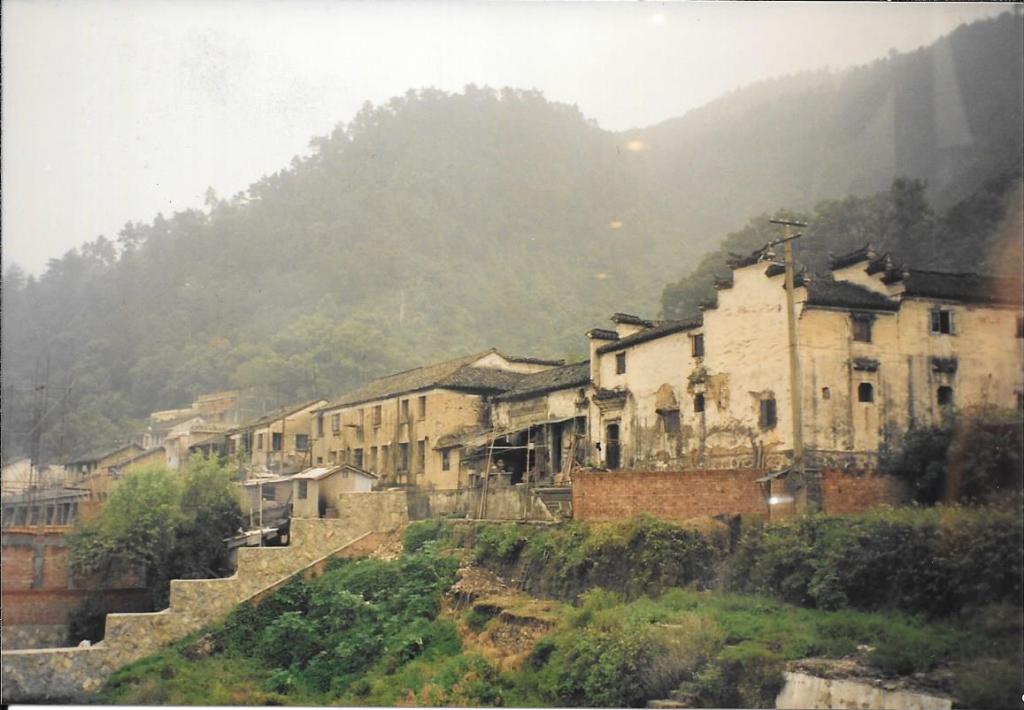
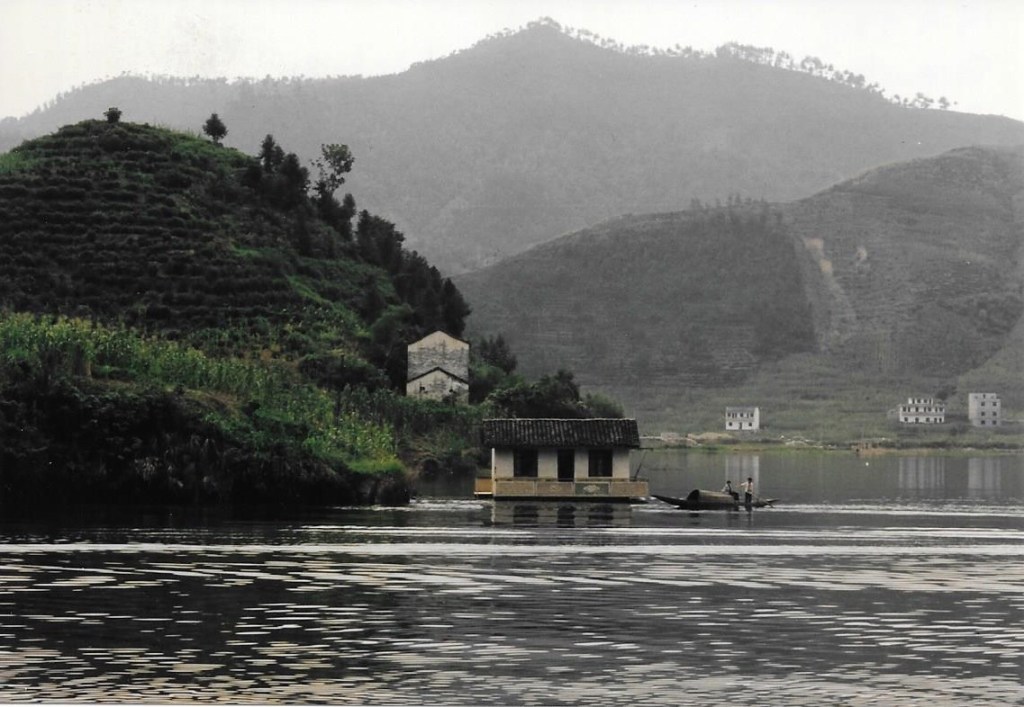
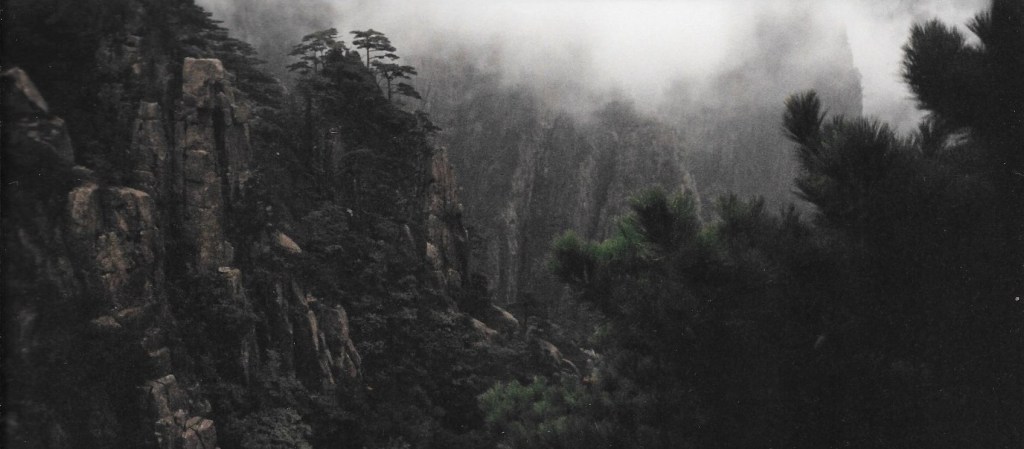
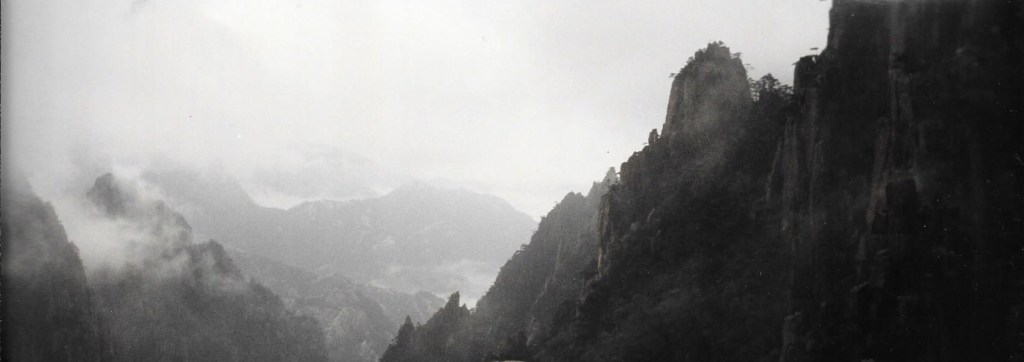
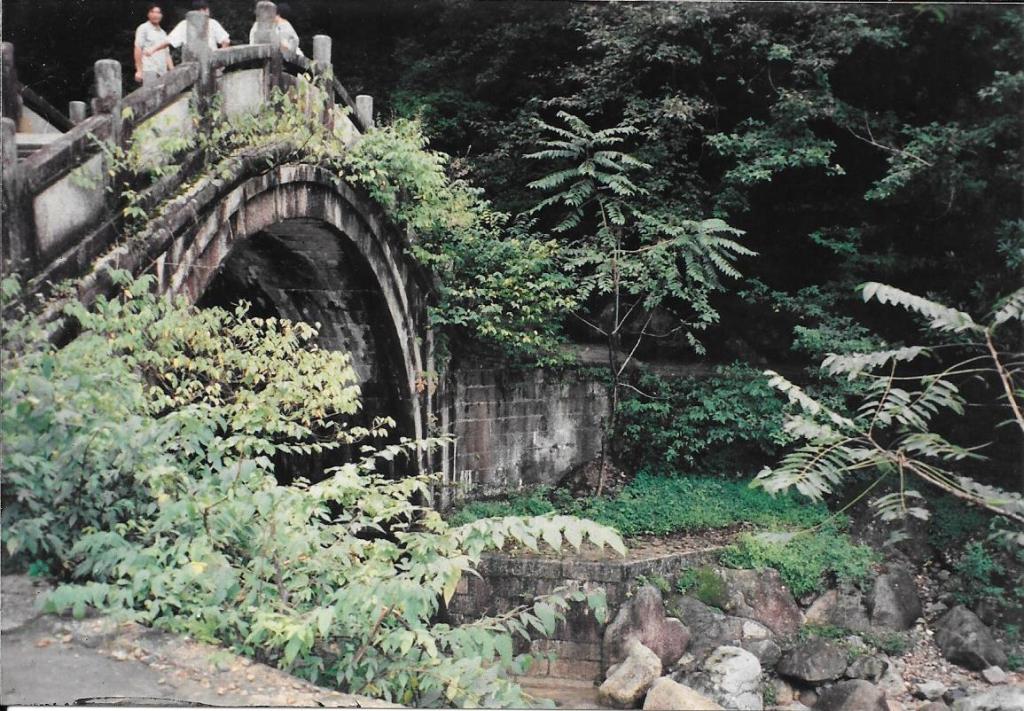
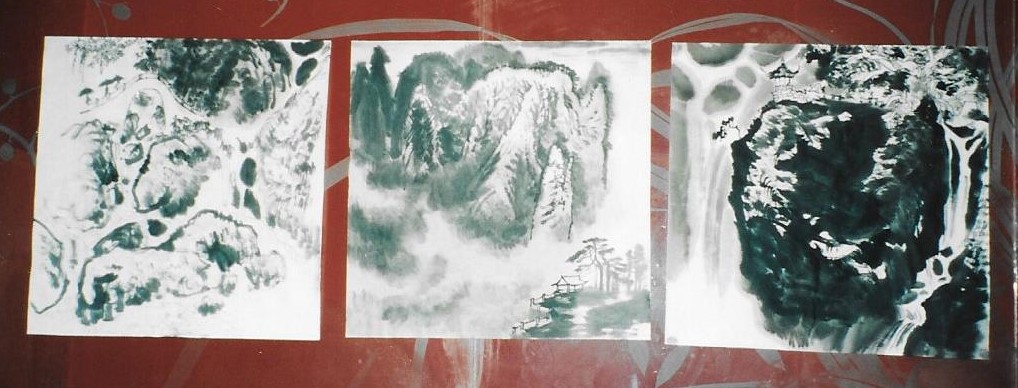
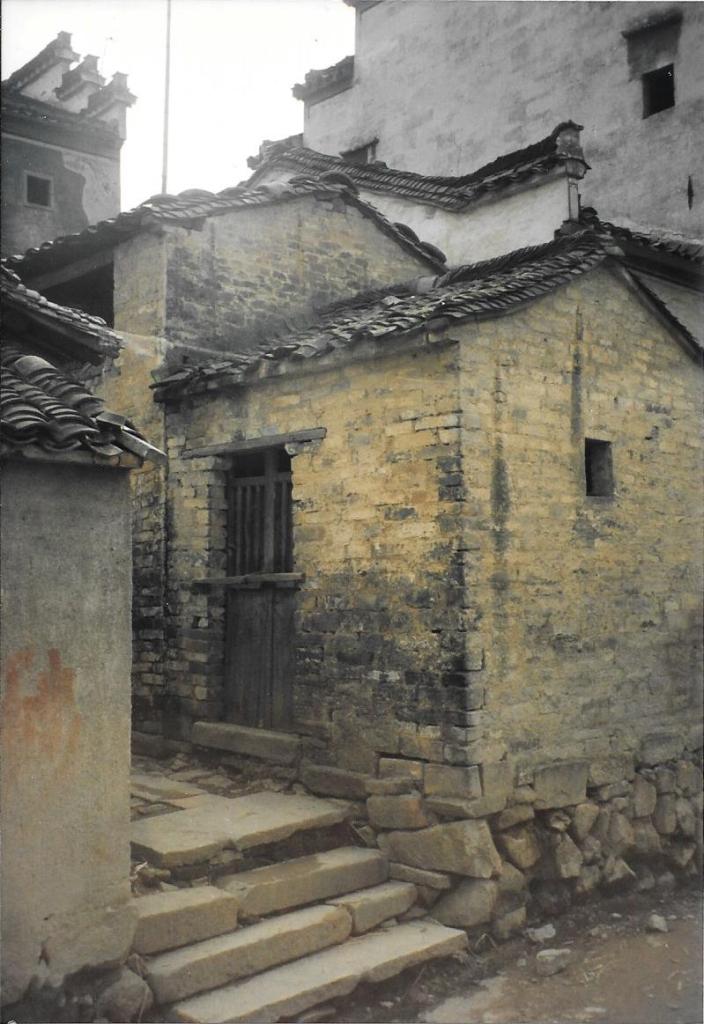
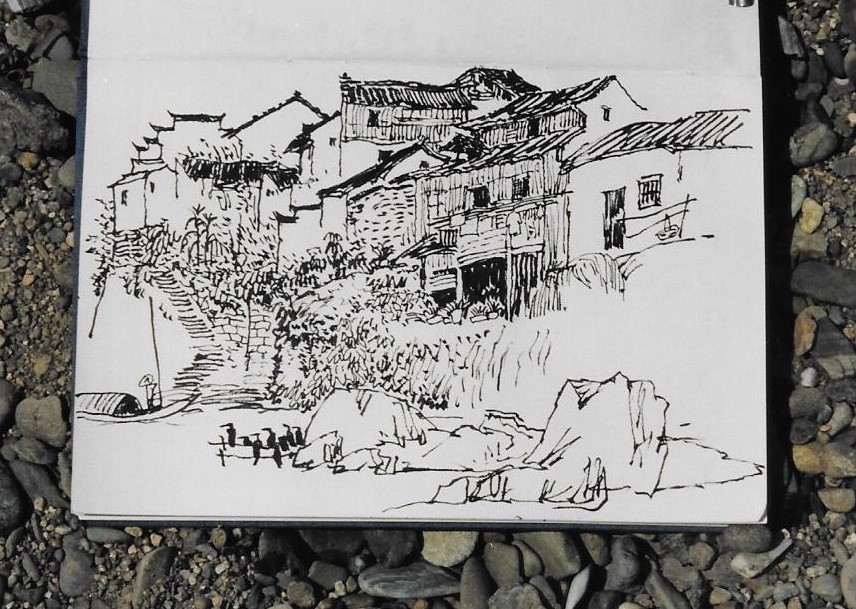
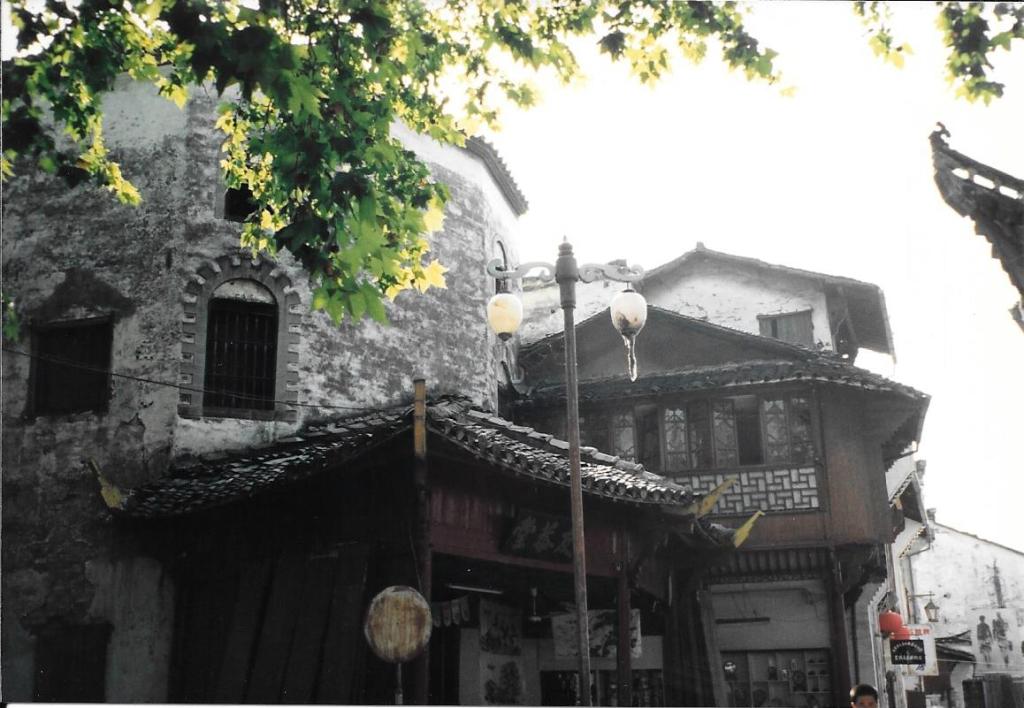
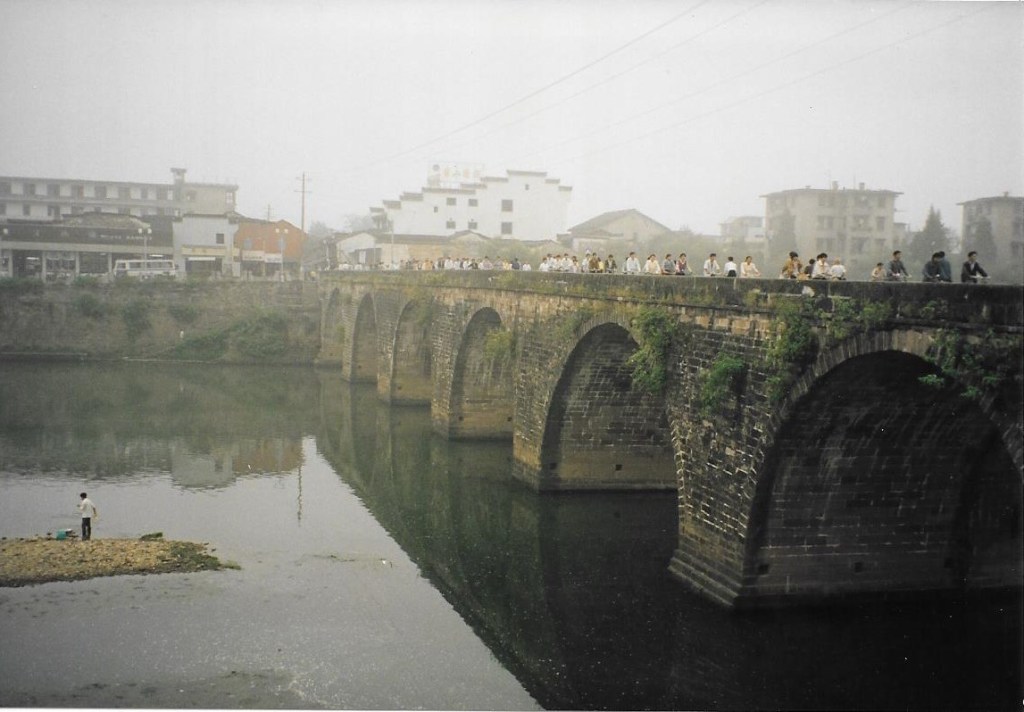
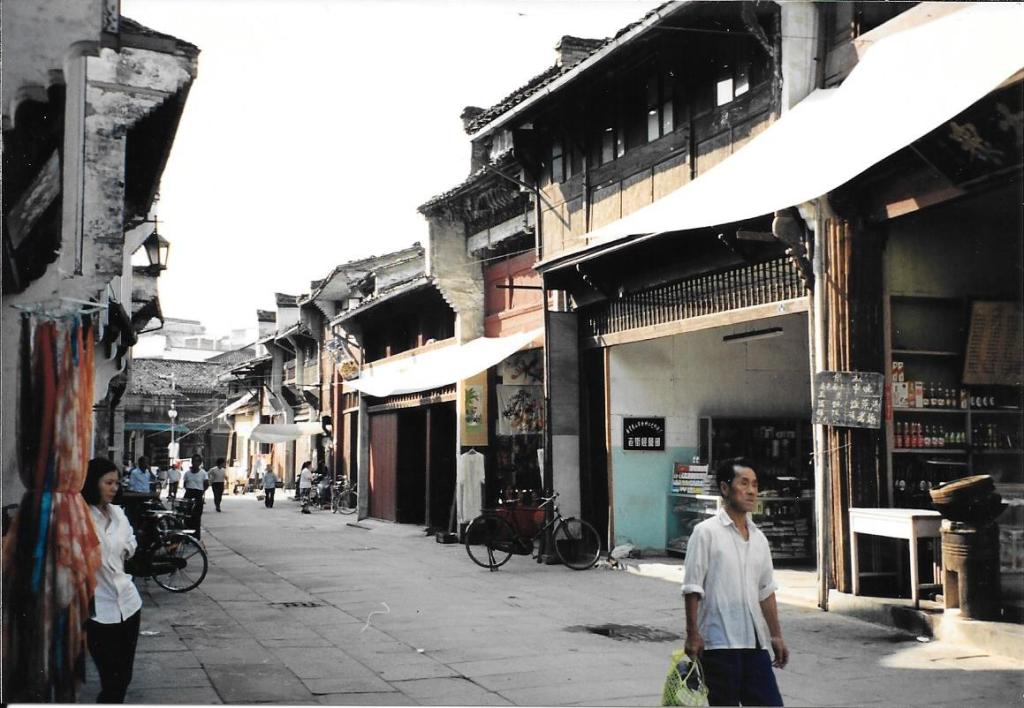
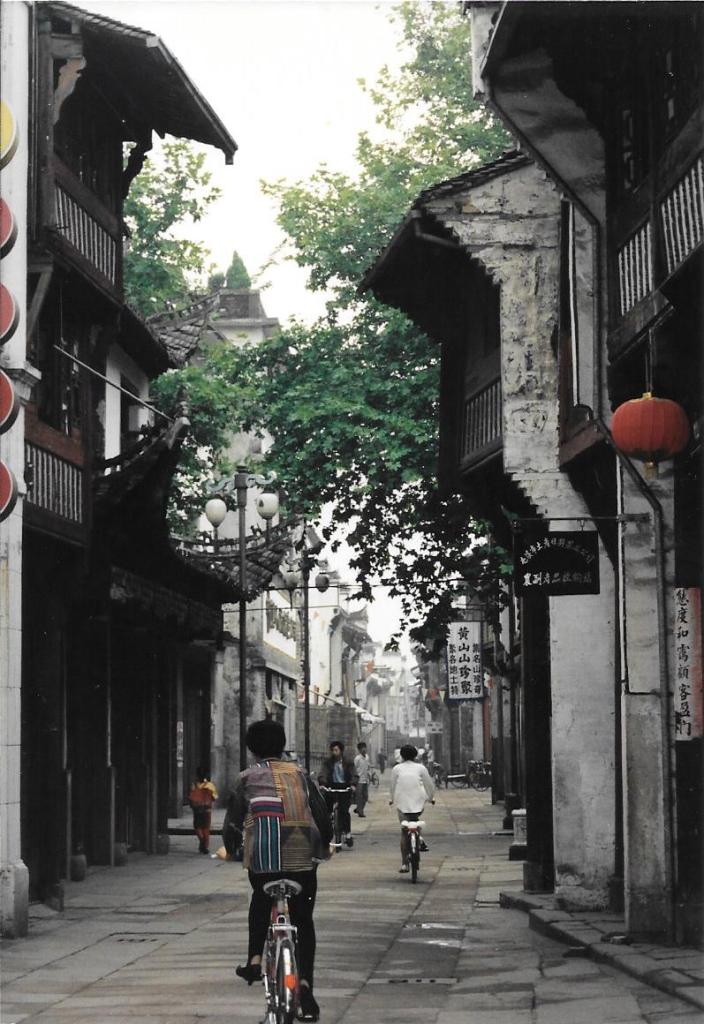
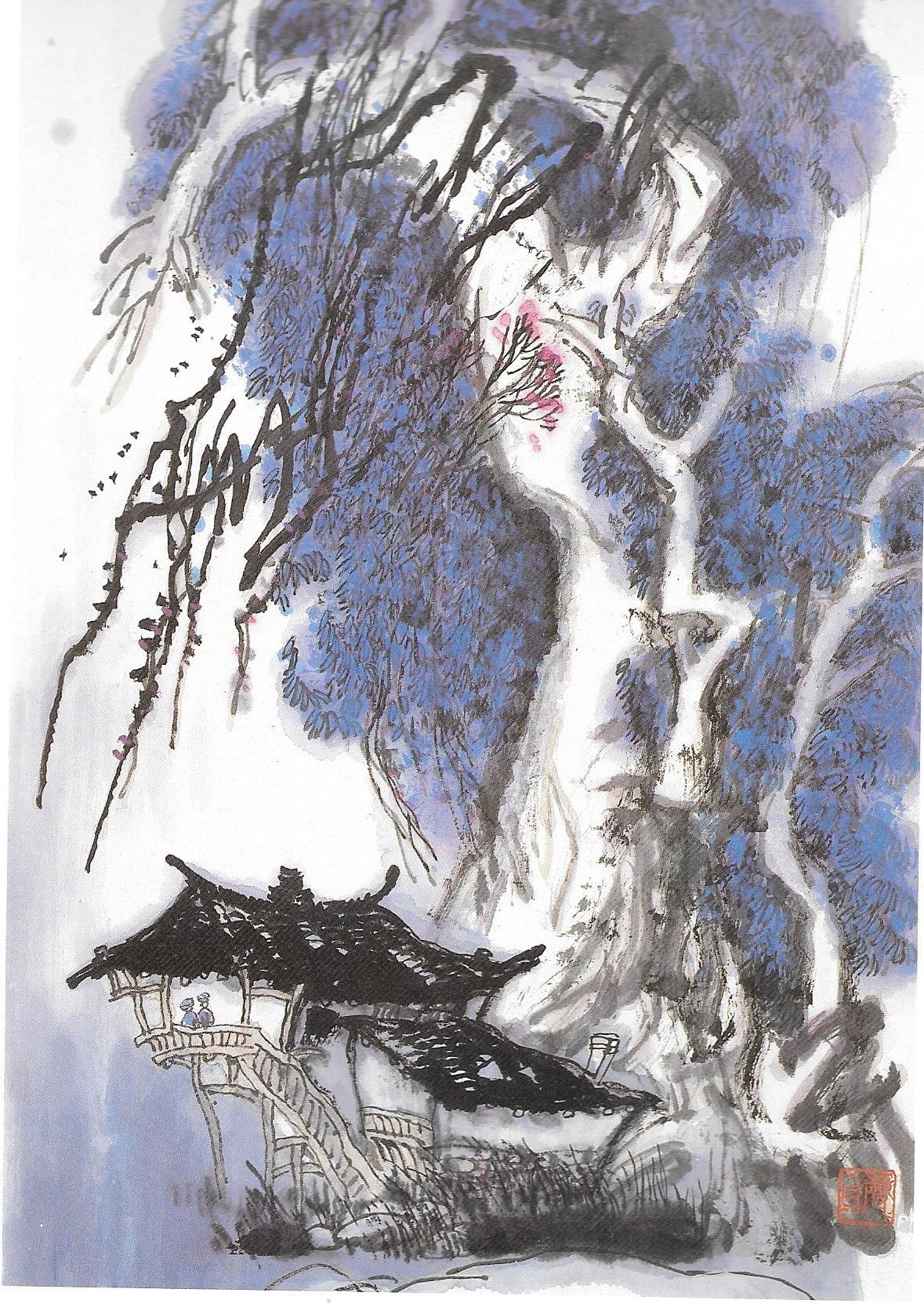
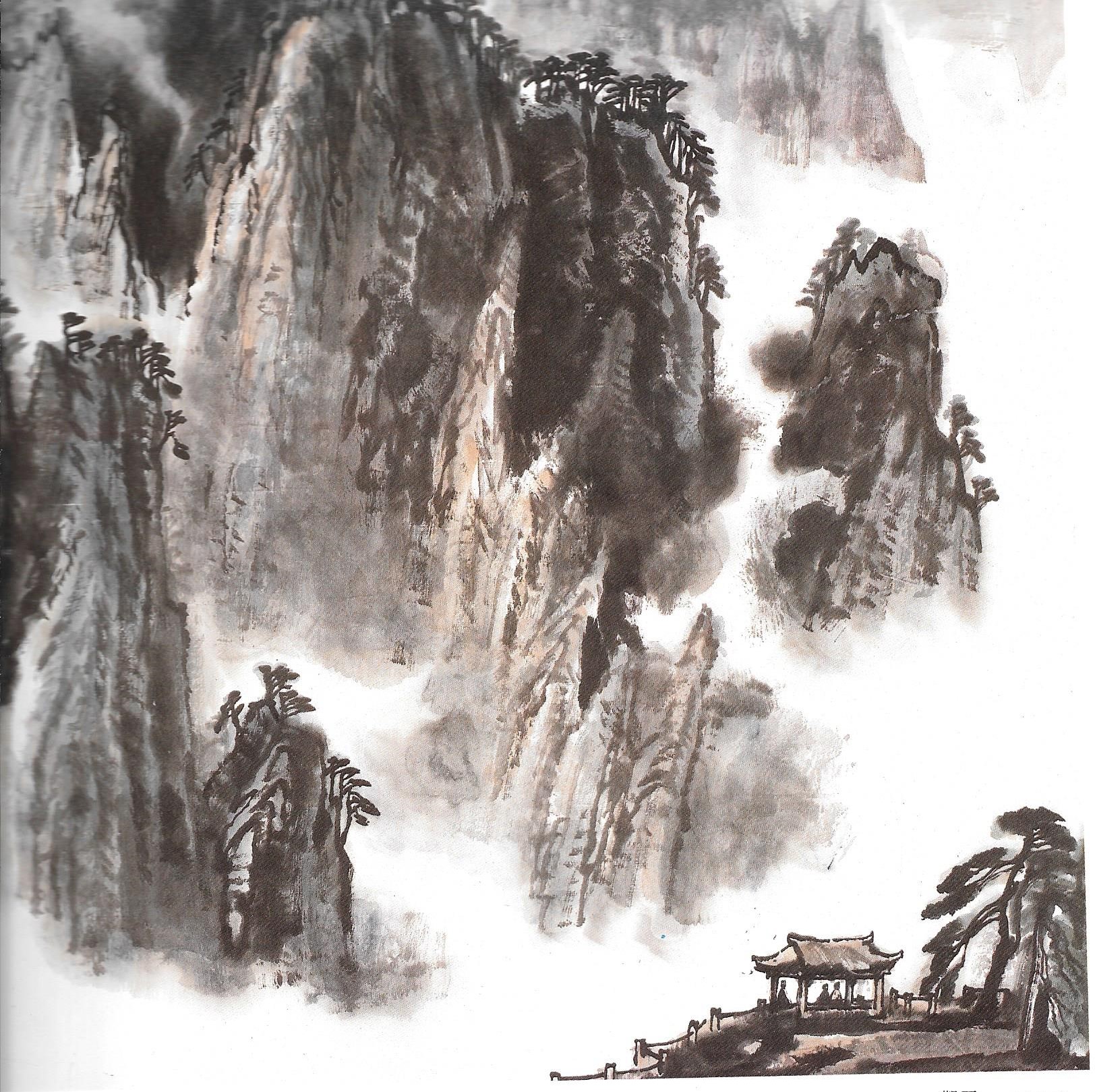
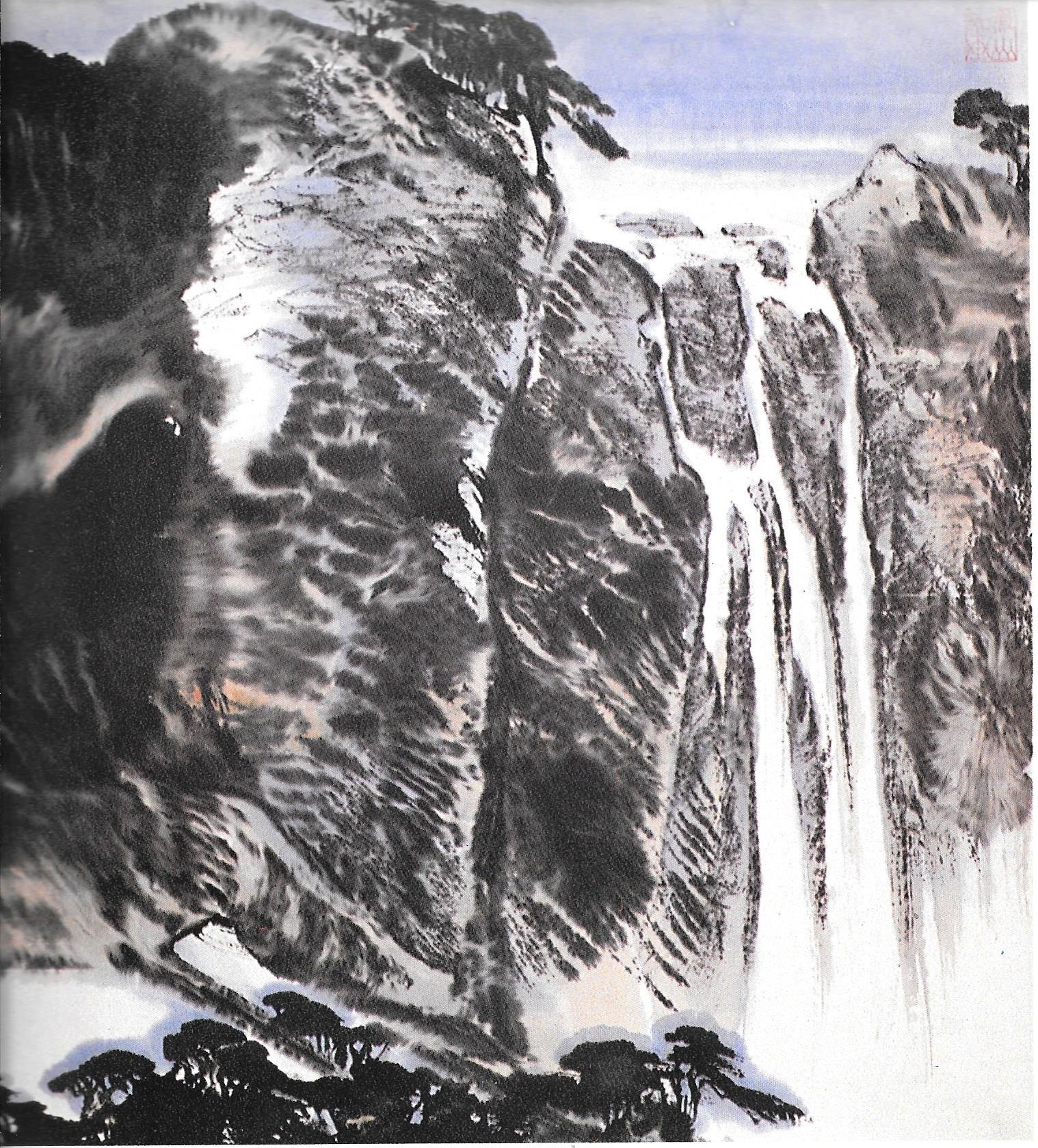
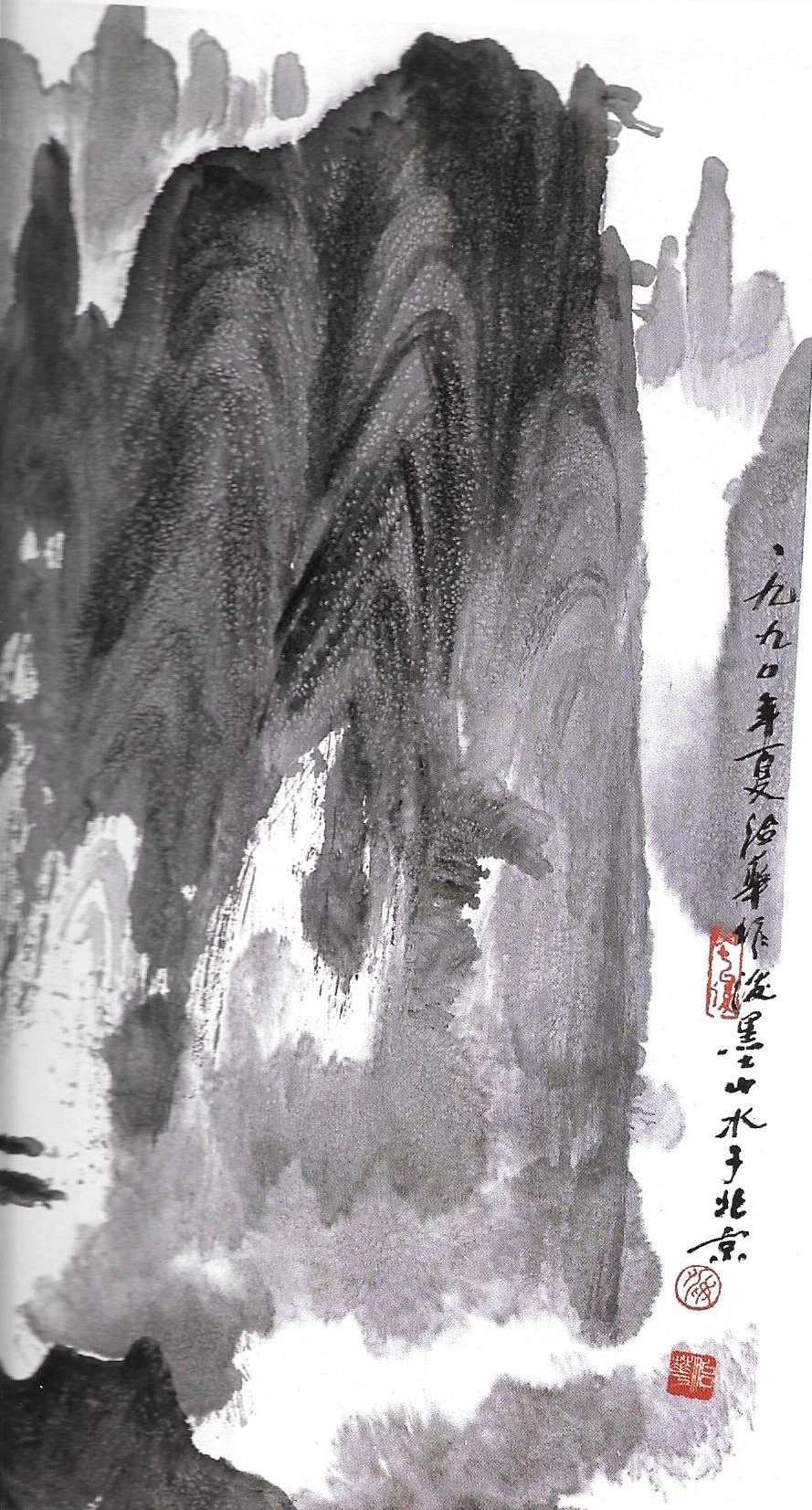
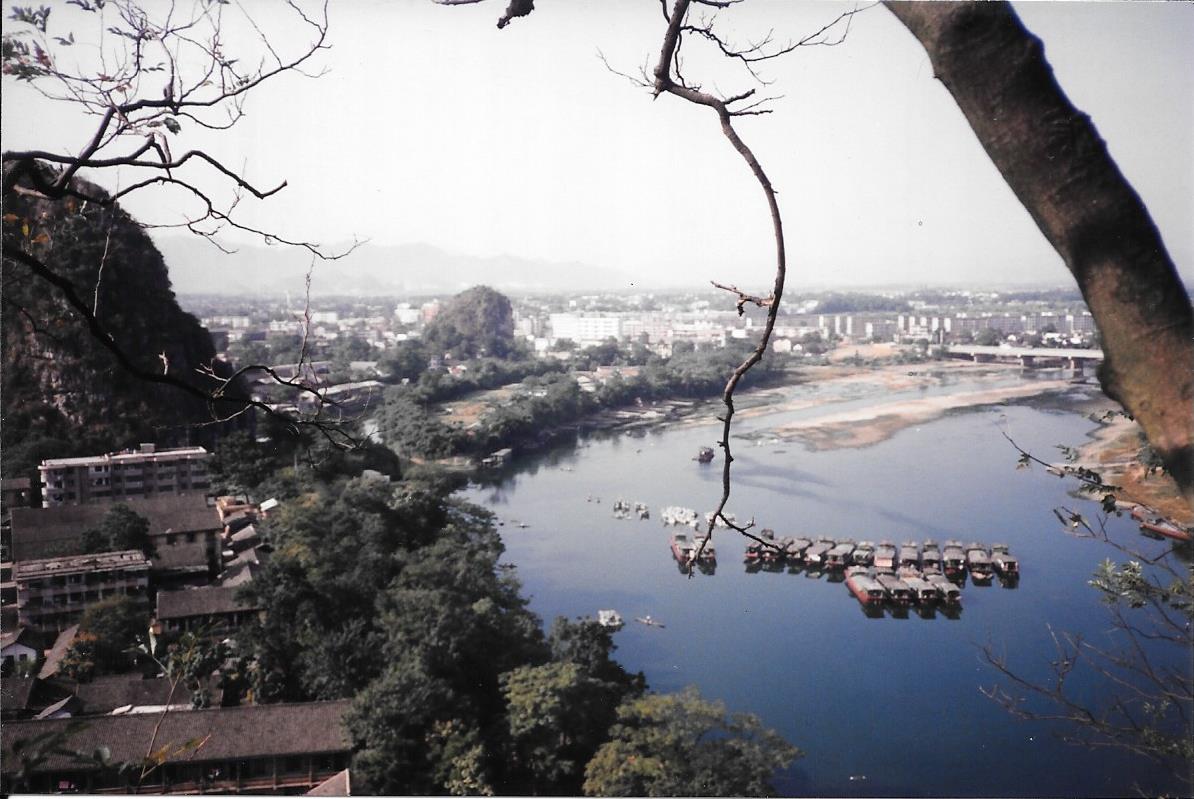
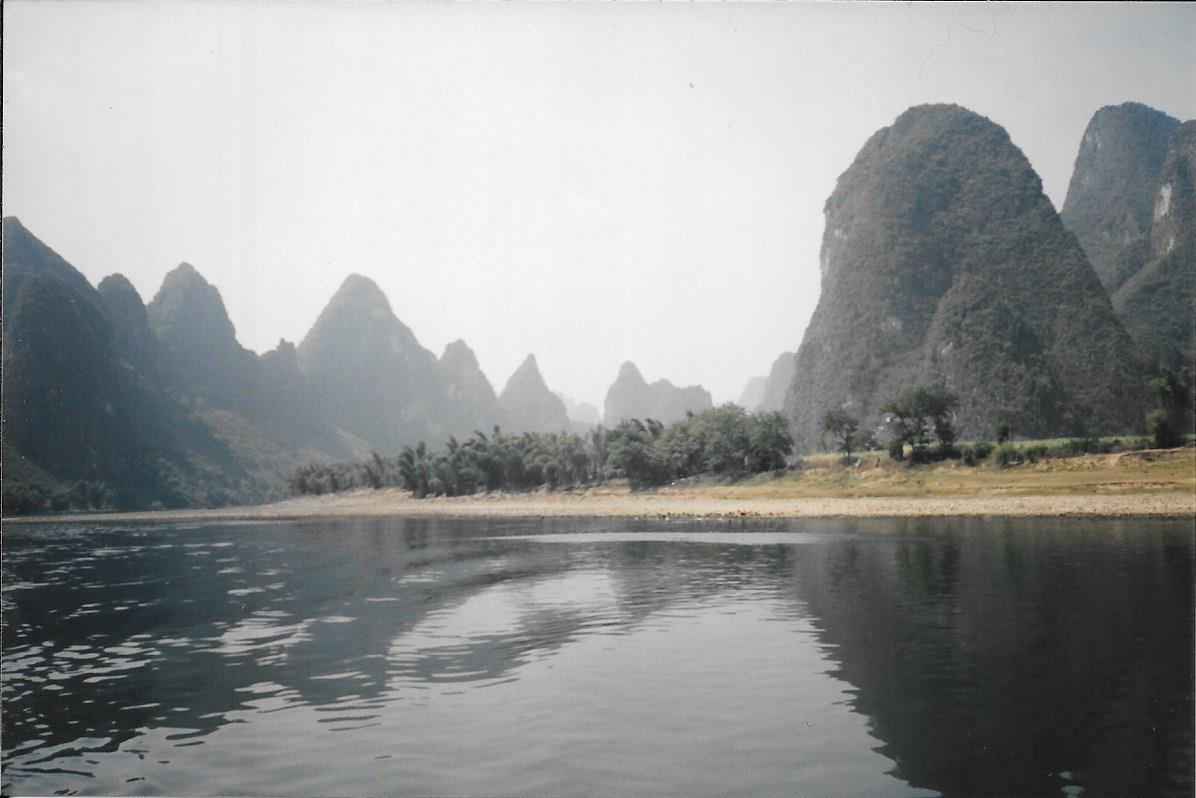
Some recollections from notebooks and photographs of my third visit to China in September 1993. Another three week journey with my Chinese brush painting group. Set off from Sydney with an overnight stopover in Singapore. Next day flight to Guangzhou then connecting flight to Guilin for three nights. First day cruise along the Li River to Yangshou. Spectacular Karst topography. Accompanied by Professor Li from the Central Academy of Fine Arts, Beijing who we had met on the trip the previous year. Professor Li conducted painting demonstrations throughout the entire three weeks of the trip. After dinner a cultural show and then watching cormorant fishing at night. Next day tour of the Reed Flute Caves, Diecai Hill, Elephant Trunk Hill. Drawing in the morning in a rural village rudely interrupted by a curious passing buffalo on its way home from working in the fields, like a scene from many traditional Chinese paintings, a young man and his buffalo by a river. Next day drawing in Five Star Park. Afternoon flight to Shanghai. Arrived mid-afternoon, gridlock, nearly two hours on a bus to travel from the airport to the hotel. Evening spent strolling along The Bund, back then there was no development on the other side of the river, not one skyscraper, unrecognisable today. Next day soft seat train to Hangzhou for two nights, visit to a silk factory, followed by drawing in the park in the afternoon. Next day early morning walk to the causeway, West Lake cruise, visit to a Buddhist Temple, sketching in a bamboo forest in a thunderstorm in the afternoon, opera in the evening. Next day bus to Yoalin Caves then onto Jiande, central China, and a town tour by bicycle cabs. Walk after dinner through the markets. Out of the way, off the tourist grid, we instantly attracted attention, told best not to go out by ourselves at night, but it was too tempting, some of us ventured out under the cover of darkness. Again as in previous travels, it’s the everyday encounters that are often the most memorable experiences. We walked through the markets thinking we blended in, but not so. Wondering why there was a crowd gathered around a woman cooking in a wok, I wandered over and looked on, then realised she was deep frying bats, an exclamation, I stepped back my face illuminated by the one light bulb, the woman let out a blood curdling scream, thought she had seen a ghost. A man eating noodles close by fell off his stool in a fit of hysterical laughter. Once recovered, wandered on, some of the shop windows featured live snakes, frogs, birds, fluffy bantam chickens, but realised they were food stores with fresh produce in the windows, everything edible in this part of the world. Menus not unlike French cuisine including frog legs and snails and other crustaceans. Spent the evening in a karaoke bar listening to Madonna! Next day cruise from Jiande across Qiandao Hu (Thousand Isles Lake) to Shendo, then bus to Huangshan. Stayed overnight in a hotel in the Hot Springs area at the foot of the mountains. Next day cable car to the mountains ‘majestic peaks, grotesque rocks, gnarled centuries-old pine trees, sea of clouds’. Sketching in the afternoon at a lookout waiting for the clouds to part, when they did spectacular views across the peaks. Stayed overnight, up early to watch the sunrise, followed by a two hour walk, then a three hour walk after breakfast to Tian Du Feng (Celestial Capital Peak) one of the three main peaks, then afternoon cable car back to Huangshan city guest house. Next day walk to Nine Dragon waterfall in the morning, in the afternoon walking to other waterfalls followed by painting demonstration that evening. Next day bus to Tunxi, afternoon visit to the museum. After dinner evening walk through the heritage streets.  Next day visit to an ink-stick making factory followed by sketching in the village. Evening flight to Beijing. As this was my third visit to Beijing I decided to forego a day trip to the Great Wall and to the Forbidden City, this time I had more time to roam and get to know city life a bit more closely, including a return visit to the National Art Gallery. Over the next several days attended painting classes – plum blossom, bamboo, and wisteria, and an evening lecture on the history of Chinese art at the Central Academy of Fine Arts. Also had time for the opera, visit to silk stores, a return visit to Liulichan Street, lined with art shops with vast range of options for buying must have art materials, bookstores, and then the best ever Peking Duck banquet. At the end of the week afternoon flight to Singapore. Next day full day in Singapore to take in some sites, including lunch at the classic Raffles Hotel, before night flight back to Sydney. Again savouring the experience, a bit further along the immense learning curve, gaining an appreciation of art thousands of years in the making.

Places
Guilin
Shanghai
Hangzhou
Jiande
Huangshan
Tunxi
Beijing
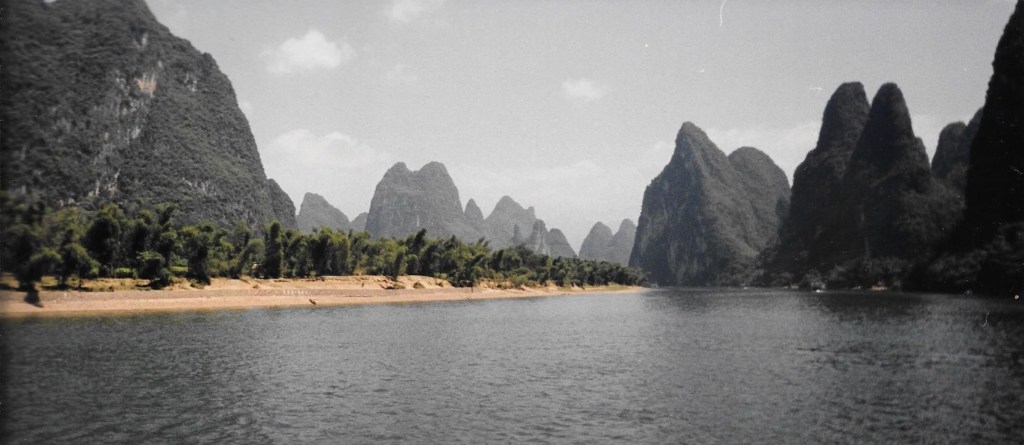
Li River, Guilin 13/9/1993
Zhuang Cultural Show, Guilin 13/9/1993
Buffalo passing by, painting location Guilin 14/9/1993
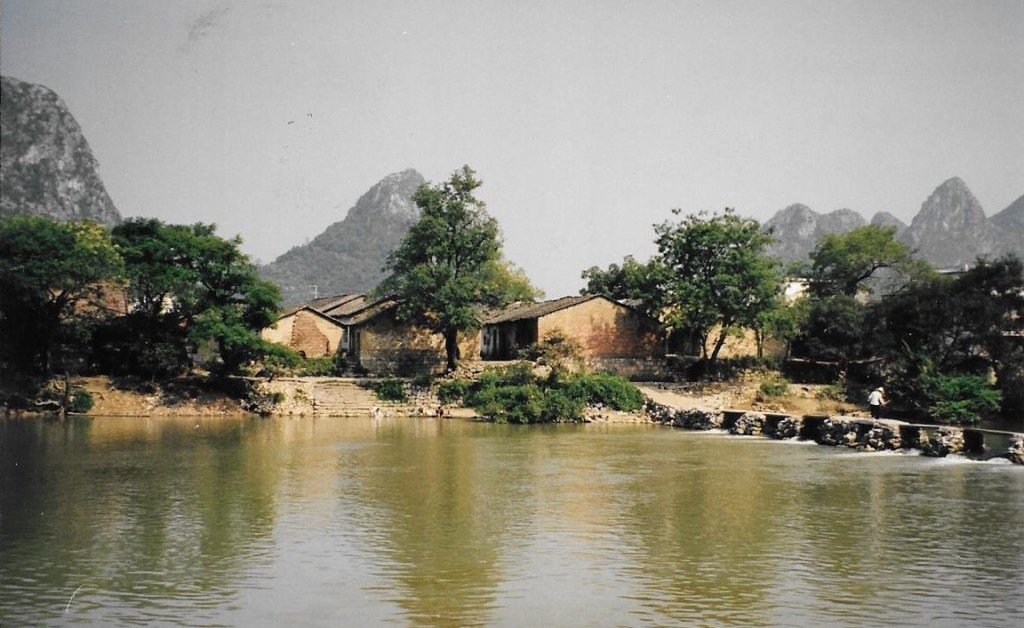
Painting location near Guilin 14/9/1993
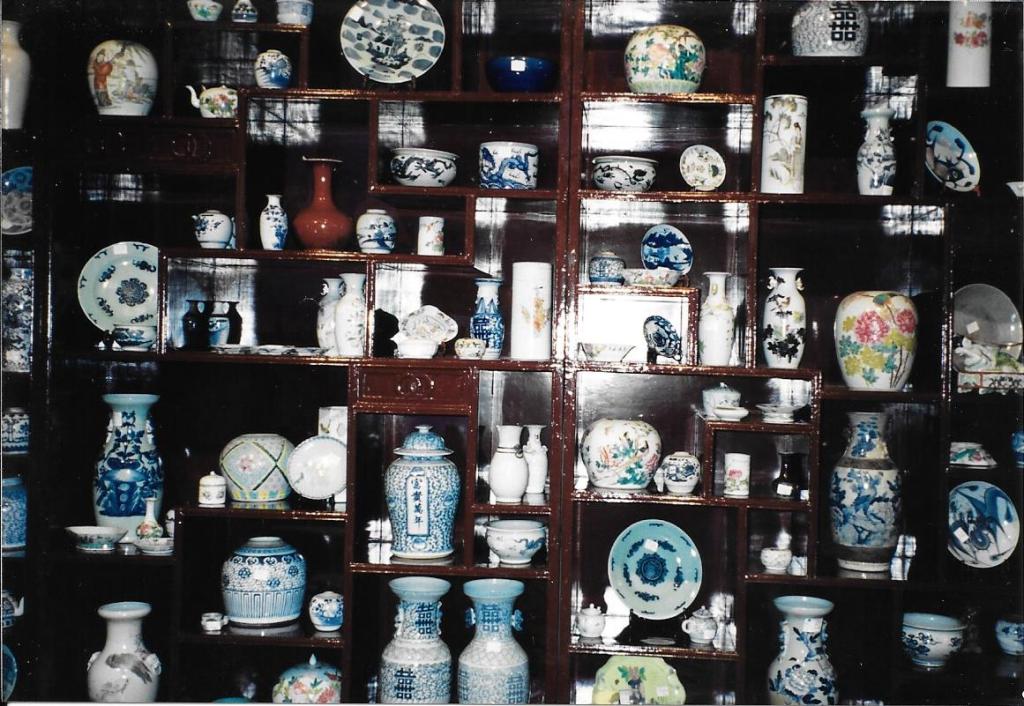
Porcelain factory, Guilin 14/9/1993
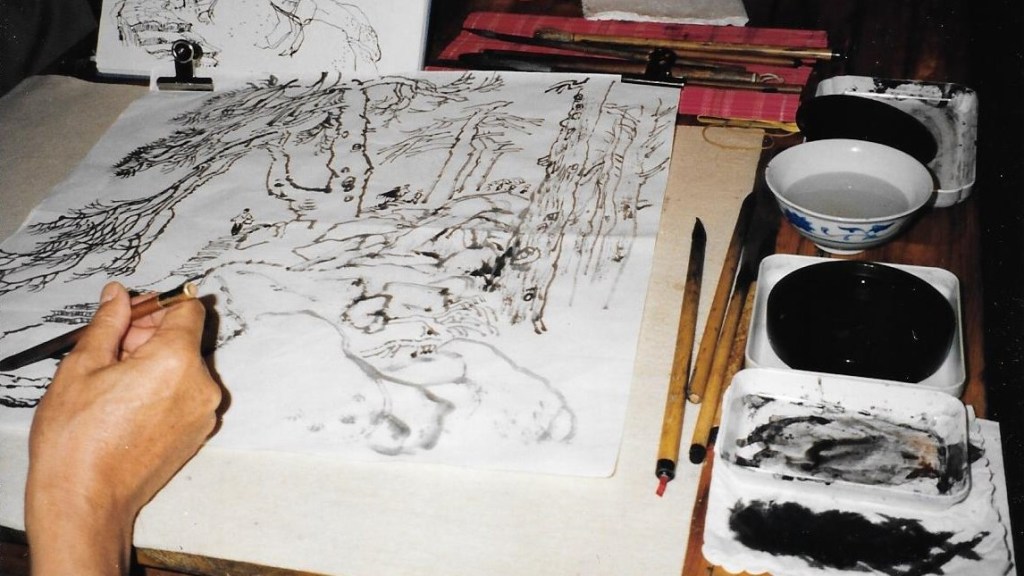
Professor Li Xingjian painting demonstration, Hangzhou 16/9/1993
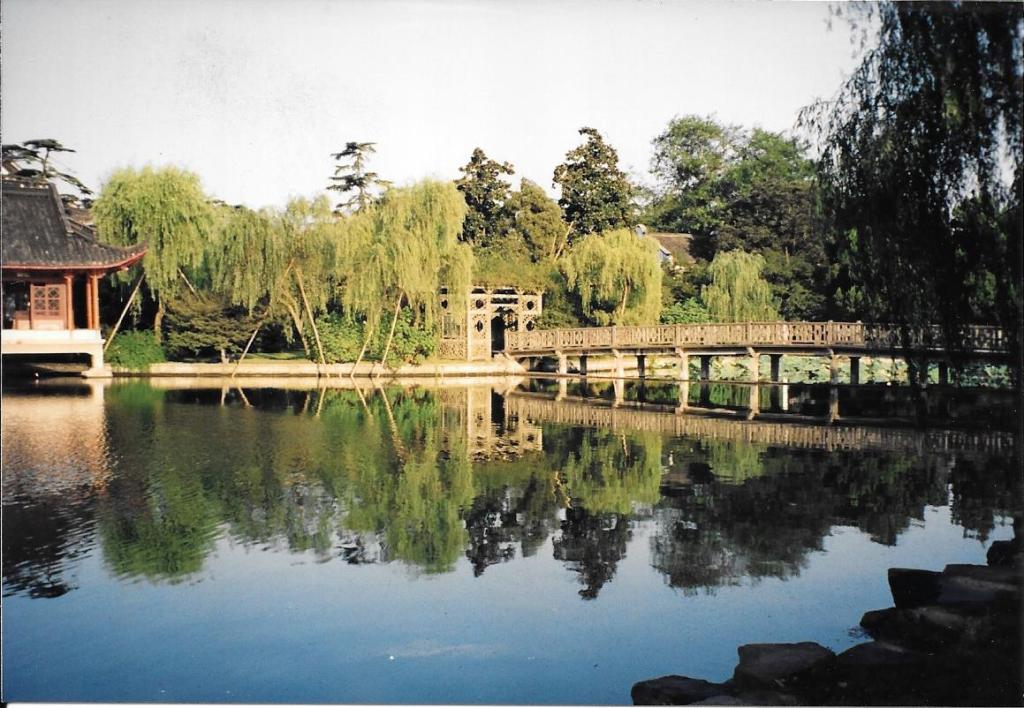
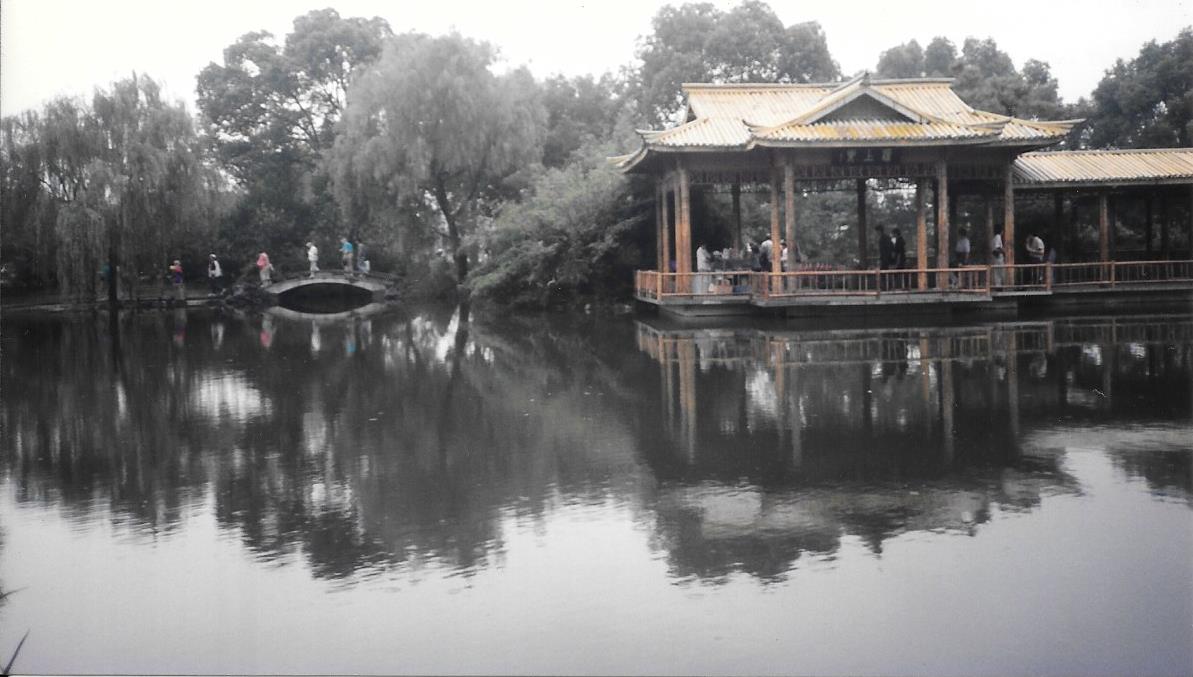
West Lake, Hangzhou 17/9/1993
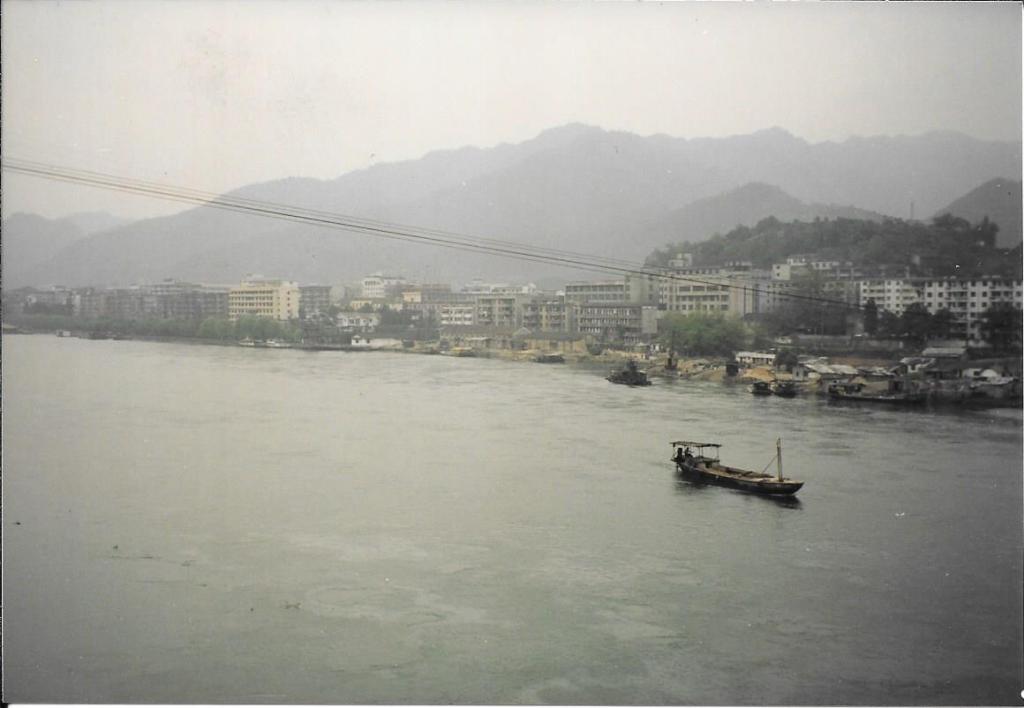
Jiande 18/9/1993
Jiande 18/9/1993
Qiandao Hu – Thousand Islands Lake 19/9/1993
Huangshan 22/9/1993
Huangshan 22/9/1993
Huangshan 22/9/1993
Professor Li Xingjian painting demonstration, Huangshan 22/9/1993
Tunxi, central China, Anhui Province 23/9/1993
Sketch by Professor Li Xingjian Village near Tunxi 24/9/1993
Tunxi 24/9/1993
Tunxi 24/9/1993
Tunxi 24/9/1993
Tunxi 24/9/1993
Tunxi 24/9/1993
National Art Gallery, Beijing 25/9/1993
Yao Sun wisteria painting demonstration, Central Academy of Fine Arts, Beijing 26/9/1993
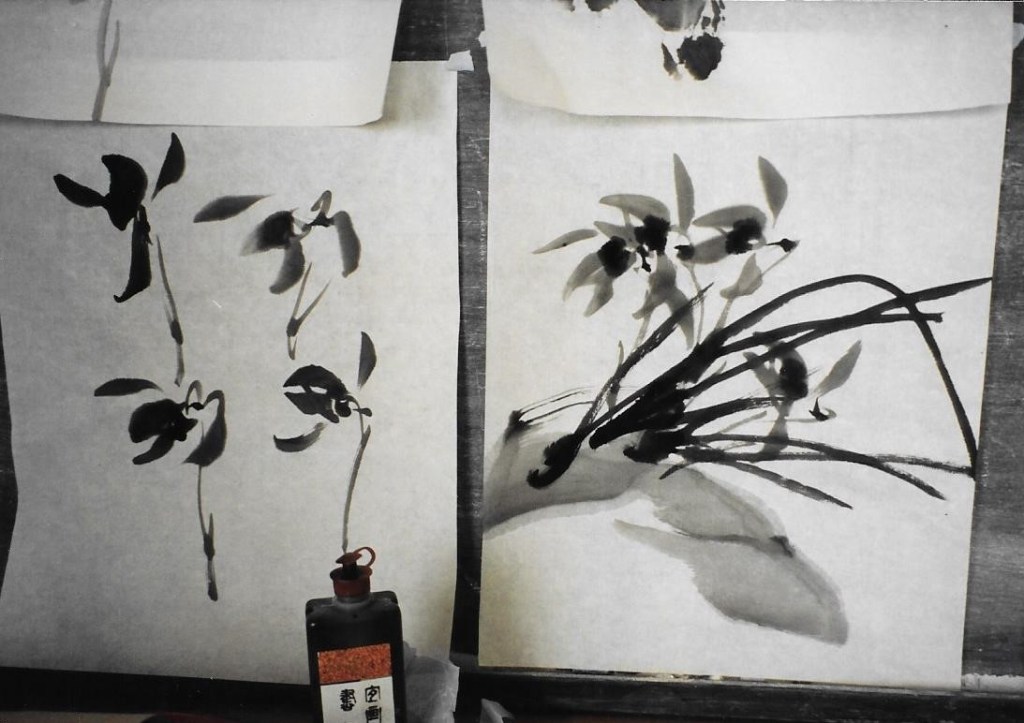
Yao Sun orchids painting demonstration, Central Academy of Fine Arts, Beijing 27/9/1993
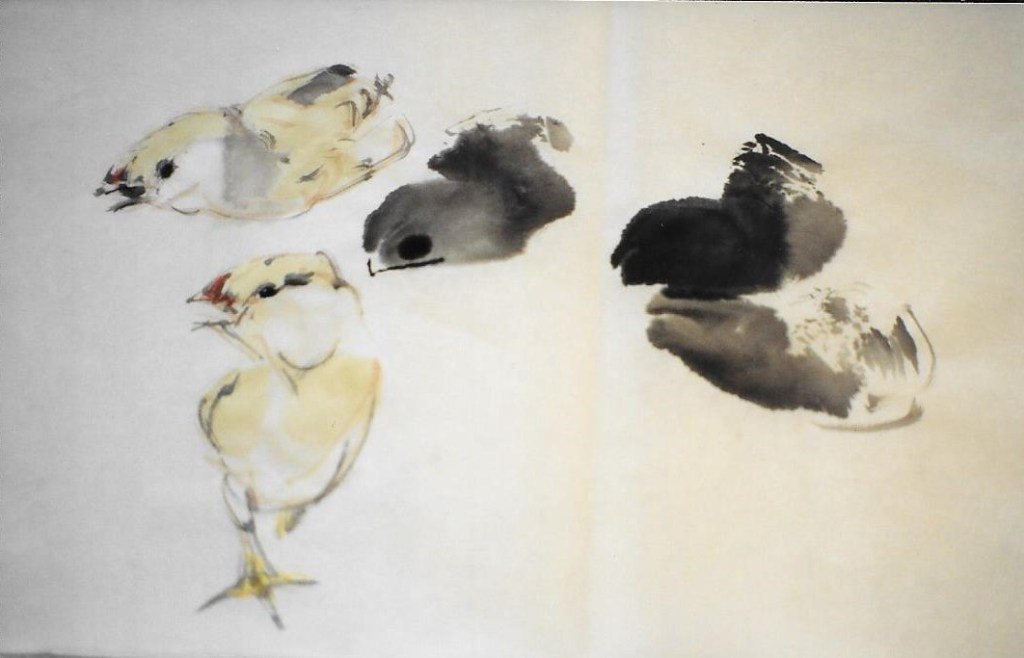
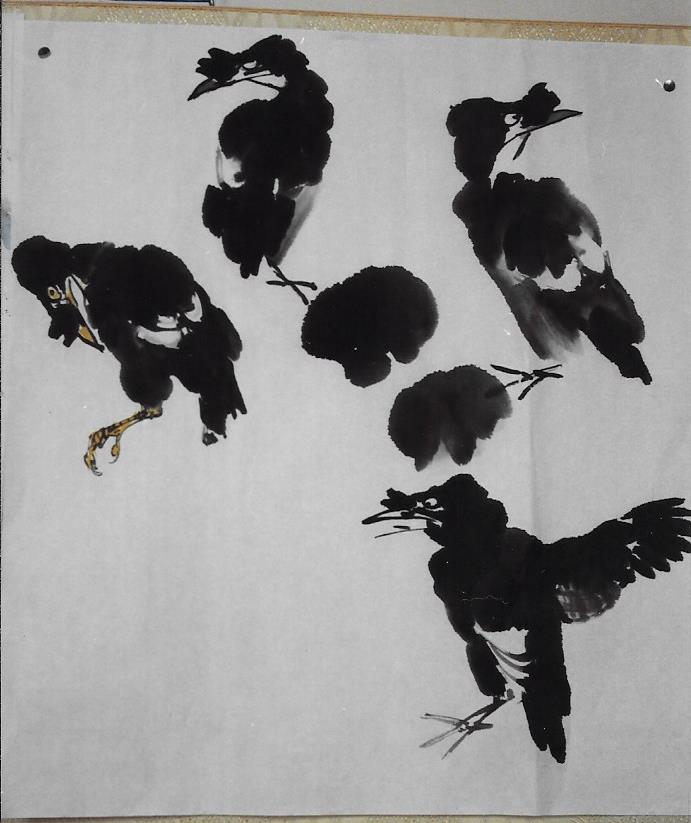
Professor Jaw Ning Au, chickens painting demonstration, Central Academy of Fine Arts, Beijing 29/9/1993

Art References
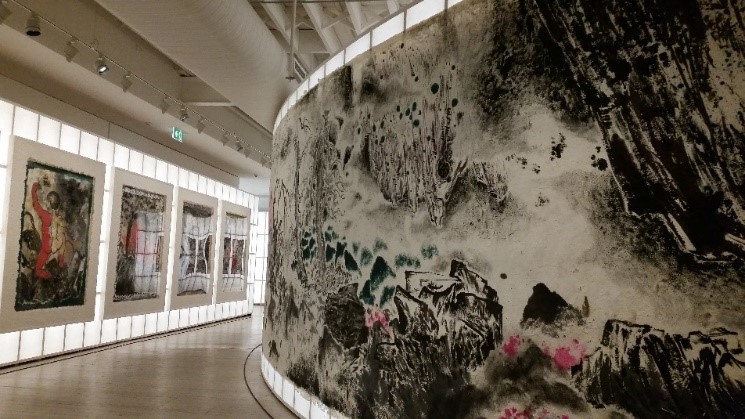
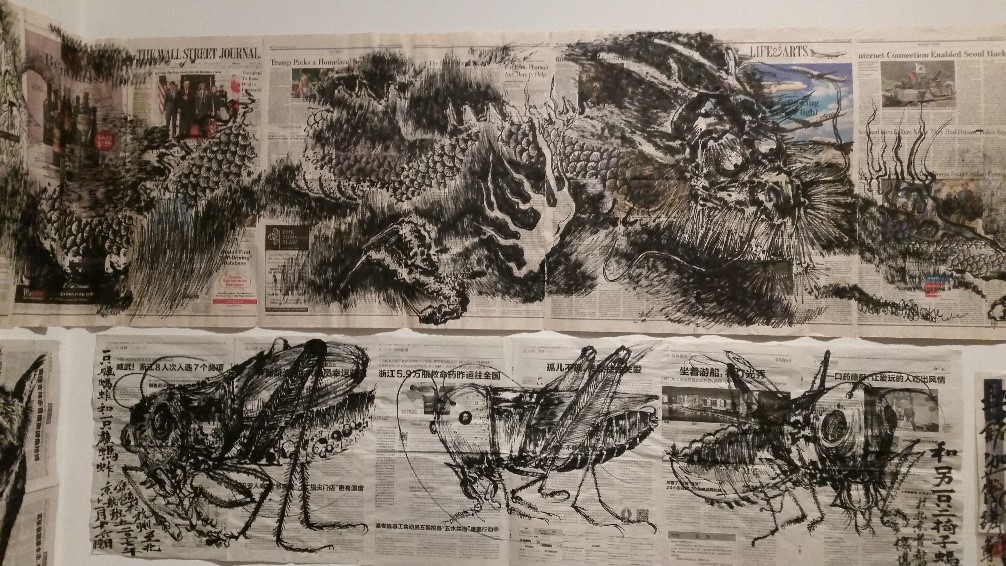
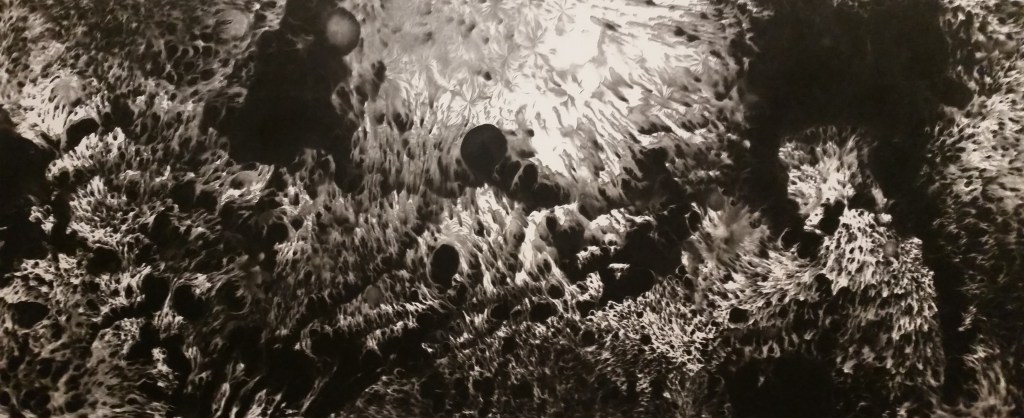
Ink Remix: Contemporary art from mainland China, exhibition August 2015
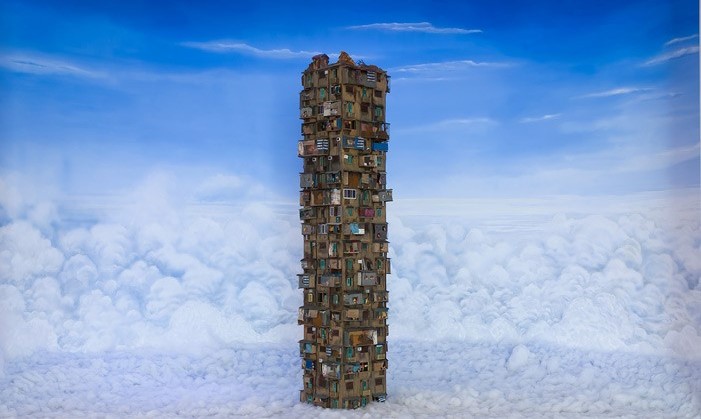
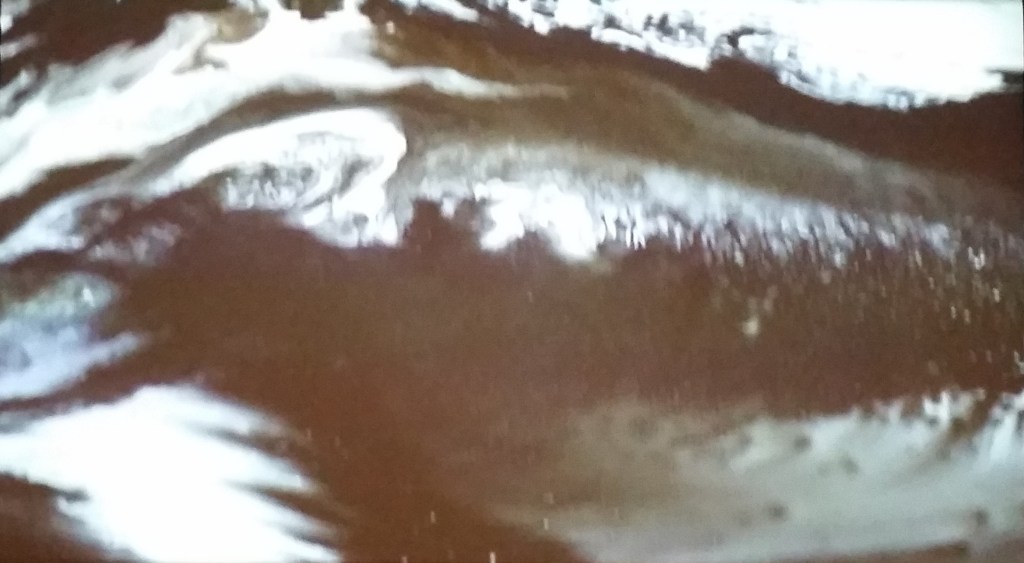
Hsiao Cho-Yu, Liquid Creation, 2015, The Dark Matters, exhibition May 2017
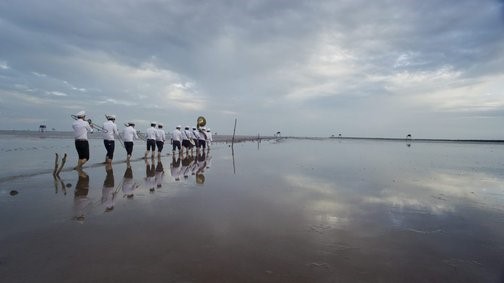
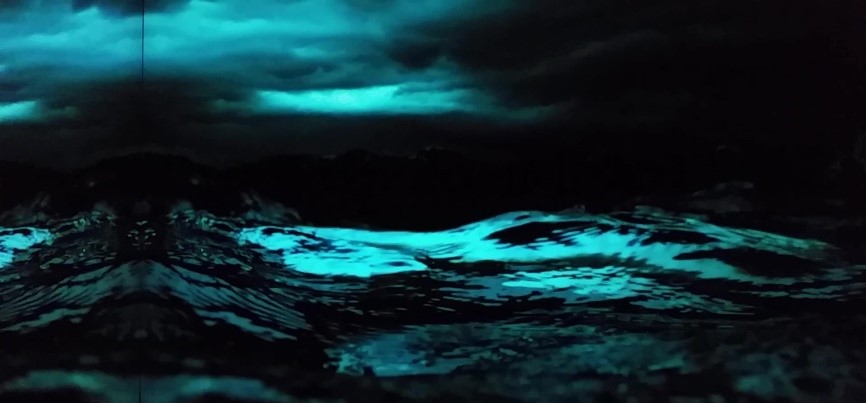
Tang Nannan, Billennium Waves, 2015, video, The Dark Matters exhibition May 2017
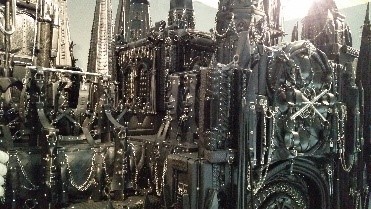
Xu Zhen, Play 201301, 2013, Ritual Spirit exhibition October 2017
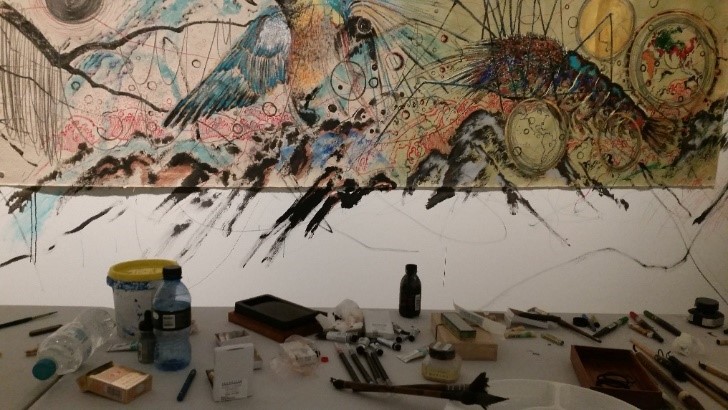
Sun Xun, work in progress, exhibition July 2018
Sun Xun, Republic of Jing Bang, 2013, The Sleeper Awakes exhibition July 2018
Chang Ling, 2014.9.20, 2014, Supernatural exhibition January 2019
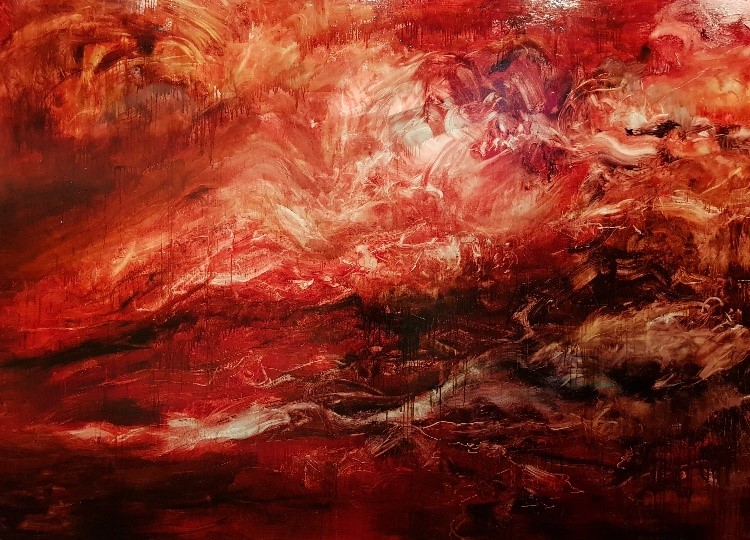
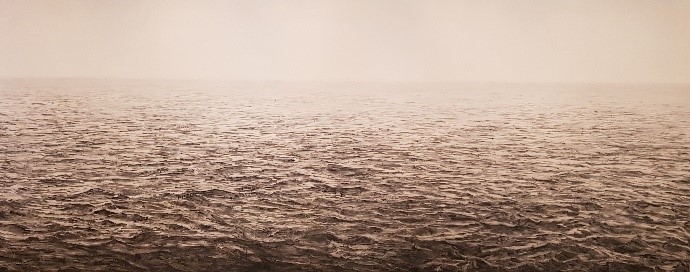
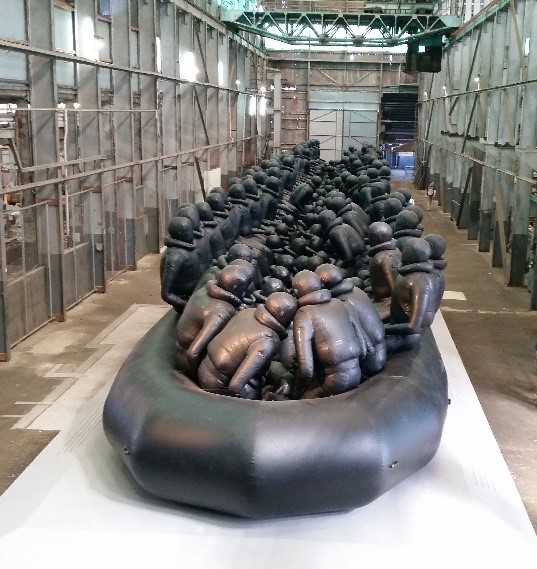
Shi Zhiying, High Seas, 2008, HOT BLOOD exhibition April 2019

Exhibitions references

Ink Remix: Contemporary art from mainland China, Taiwan and Hong Kong, Canberra Museum and Art Gallery, Canberra, August 2015

The Dark Matters, White Rabbit Gallery, Sydney, May 2017

Ritual Spirit, White Rabbit Gallery, Sydney, October 2017

Sun Xun, Museum of Contemporary Art, Sydney, July 2018

The Sleeper Awakes, White Rabbit Gallery, Sydney, July 2018

Supernatural, White Rabbit Gallery, Sydney, January 2019

HOT BLOOD, White Rabbit Gallery, Sydney, April 2019

Other references

The Insiders Guide to China, Derek Maitland, 1989

The Development of Chinese Painting by James Cahill
Series of 29 lectures – UC Berkley

The Compelling Image – Nature and Style in Seventeenth Century Chinese Painting, James Cahill, The Charles Eliot Norton Lectures, 1979

Hills Beyond a River – Chinese Painting of the Yuan Dynasty 1279-1368, James Cahill, 1976

Parting at the Shore – Chinese Painting of the Early and Middle Ming Dynasty 1368-1580, James Cahill, 1978

The Distant Mountains – Chinese Paintings of the Late Ming Dynasty 1570-1644, James Cahill, 1982

Chinese Watercolours, Josef Hejzlar, 1978

Chinese Art, Mary Tregear, 1980

The Arts of China, Michael Sullivan, 1986 (3rd edition)

The Archaeology of Ancient China, Kwang-Chih Chang 1986 (4th edition)

The Mustard Seed Garden Manual of Painting, 1679-1701. Chieh Tzu Yuan Hua Chuan 1679-1701 (Translated Mai Mai Sze 1956)

Huang Gongwang, Dwelling in the Fuchun Mountains, 1350 Yuan dynasty, essay by Hung Sheng

Brushstrokes: Styles and Techniques of Chinese Painting from the Asian Art Museum Education Department Asian Art Museum – Chong Moon Lee Centre for Asian Art and Culture (1995)

Beijing – Art and Travel

Digging back into the deep past again, travel notebooks and photographs, in search of some of the old inspiration to kick along my ink painting addiction. Back to a second trip to China in September/October 1992 which followed the three week grand tour the previous year.  This time a three week stay at the Central Academy of Fine Arts in Beijing with my Chinese brush painting group. Always fascinated by the brushwork and materials of Chinese art, the centrality of calligraphy, the life of the line, subject and composition, art practice thousands of years in the making.
Some recollections and references from my notebooks.
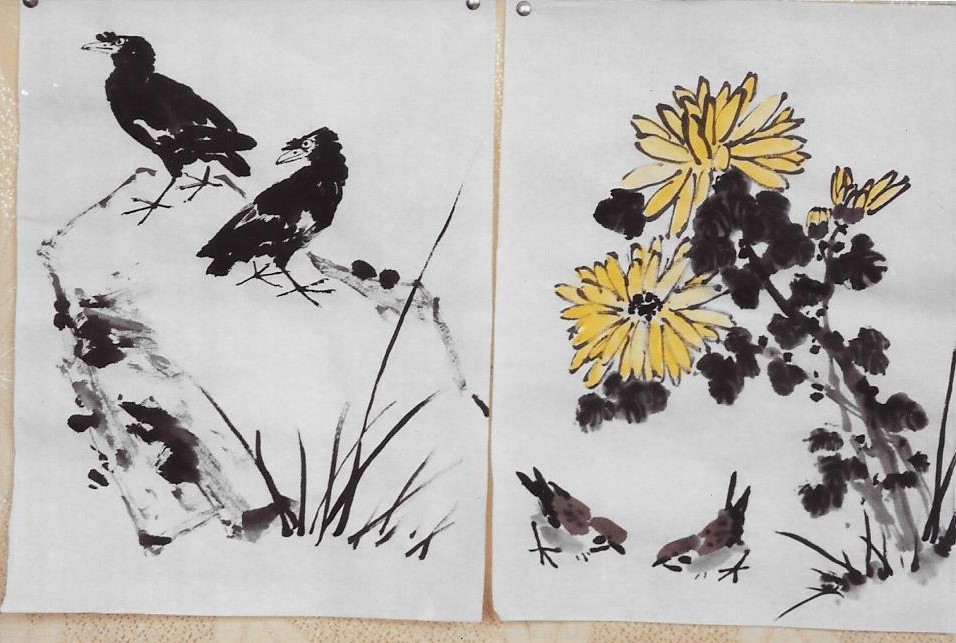
Flight via Singapore overnight stopover, early morning flight to Beijing arrived late afternoon. Stayed in the student residences at the Central Academy of Fine Arts for three weeks, certainly not five star but inexpensive and right at the centre of daily art activities. Back then the Academy was located in the centre of Beijing, a short walk to Tiananmen Square. Most mornings spent in class in the art studio which we had sole occupation for the three weeks. Classes included traditional teaching by demonstration, observing the performance of creating a work an integral part of art appreciation. Fang1 (creative imitation) is an acceptable form of art practice, and an excellent way to learn the brushwork. Each art teacher had a repertoire of compositions performed repeatedly with some variations not unlike a set of musical scores. Classes included demonstrations in calligraphy (sage advice: never flick the brush), bird and flower painting, landscape painting, plus talks on composition and the history of Chinese art practice. Most afternoons and evenings spent in the studio painting. Some diversions with several day trips to the Great Wall at Bandalang, the Ming Tombs, a cloisonné factory, the Great Hall of the People art collection, Summer Palace, Fragrant Hill Park, Beihai Park, the Imperial Palace (Forbidden City) exhibition of clocks, jewellery and paintings, tour of local movie studios, visit to silk stores and traditional pharmacies, and an exhibition of the work by Li Keran at the National Art Gallery. Some evenings spent out at the night markets, Beijing Opera, acrobats, and an imperial dinner with the teaching staff from the Central Academy of Fine Arts. A packed schedule but art and cultural immersion at its best.
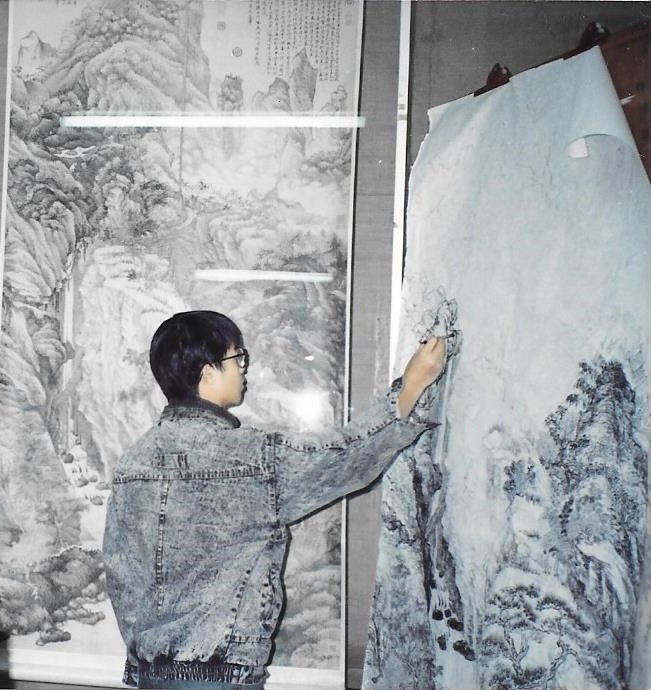
Some ordinary everyday encounters seemed unremarkable at the time, and yet it is these experiences that evoke the memory of place. One such encounter, one afternoon, on a return to the art shops in Liulichan Street, visited the previous year only this time with more time for savouring the range of materials available. The four treasures: ink, brush, paper, ink-stone, we had been practicing the classical brush stoke forms2 including spread-out and entangled hemp fibres, small and big axe cuts, ravelled rope, splash ink, crab claw, rat’s foot dot, mi dots, nail head, iron-wire lines, nailhead rat tail lines. Came across a small shop with an enticing window display. Went in and the shopkeeper indicated there was more stock upstairs. I climbed the rickety winding wooden stairs to arrive in art materials nirvana, a place packed with hand crafted art materials. It was overwhelming, what to choose. I picked out some brushes, a selection: rabbit, chicken feathers, weasel, badger, pig bristle in a variety of sizes, chose a carved ink slab, ink sticks, brush stand, some paper but had to exercise considerable constraint due to luggage restrictions for the flight home. The storekeeper came up the stairs. I put the goods on the counter, she brought out an abacus and started tallying the price of each item, flashing the wooden beads along the metal struts at lightning speed, if only I’d brought along a programmable calculator I could have kept up with the pace, damn it. Mesmerised I couldn’t quite work out the system. Then a six foot teenager dressed head to toe in denim thundered up the stairs and came bounding into the room. Domestic scenarios such as this are the same around the world, no matter where you are. The storekeeper’s demeanour changed immediately, hand on hips and shouting what appeared to be instructions to her son. I had some basic Mandarin words in my very limited vocabulary, whenever I attempted to speak the locals broke into laughter it was a good ice breaker, Mandarin is a tonal language and the same word can have very different meanings depending on tone. The teenager stood his ground, she kept shouting then moved forward and gave chase as he thundered back down the stairs. Then after more shouting in the street below, she re-emerged, calm restored, and went back to the abacus calculation. The tally was completed, she pointed to the abacus amount. I had no idea and shrugged and indicated to write the amount on a piece of paper. The shopkeeper had a look of total disbelief that I didn’t understand such an elementary calculation, probably learnt in kindergarten. She wrote down the amount, I paid and walked meekly down the stairs, but with a wonderful haul of art supplies.
The whole cultural and artistic experience was so immersive and intense that despite continuing practice with ink and brush over the ensuing decades I have never been quite able to achieve the same character of brushwork as I did in those three short weeks in Beijing, but the quest continues to capture that one shot action painting with a sense of place.

Locations
Beijing
Central Academy of Fine Arts
National Art Museum
Imperial Palace (Forbidden City)
Temple of Heaven
Summer Palace
Fragrant Hills Park
Beihai Park
Great Hall of the People
Ming Tombs
The Great Wall at Bandalang

920921 Professor Song Jie Wu calligraphy 2

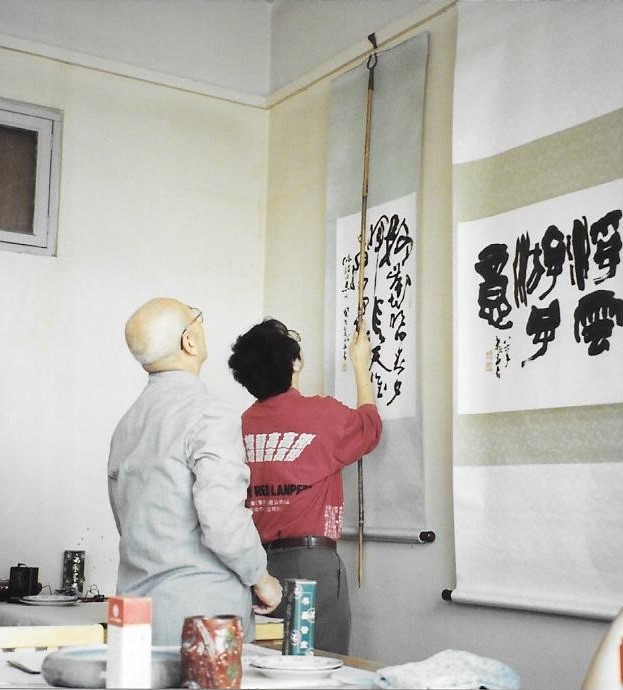
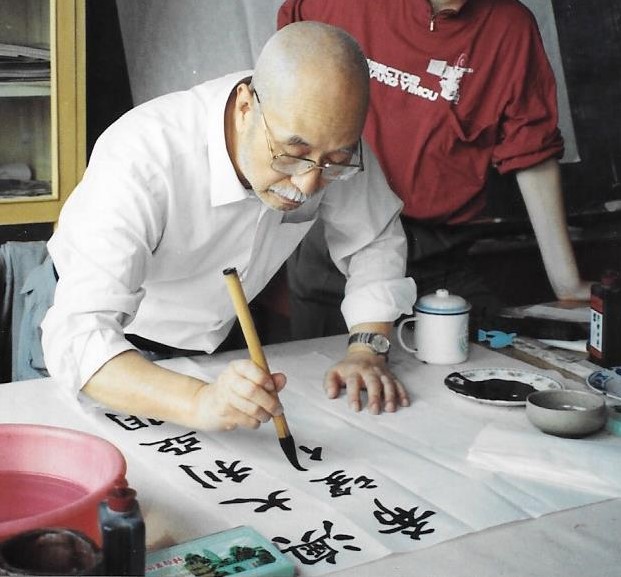
Professor Song Jie Wu, calligraphy demonstration, Central Academy of Fine Arts, Beijing 21/9/1992


920921 Professor Song Jie Wu calligraphy

Professor Song Jie Wu, calligraphy demonstration, Central Academy of Fine Arts, Beijing 21/9/1992

920922 Forbidden City 1

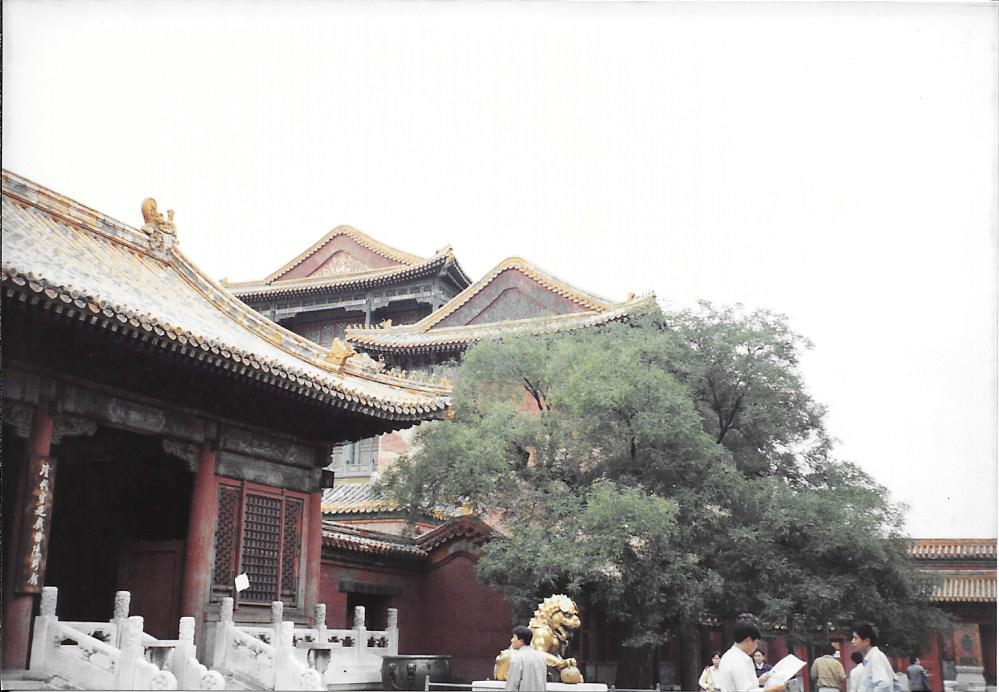
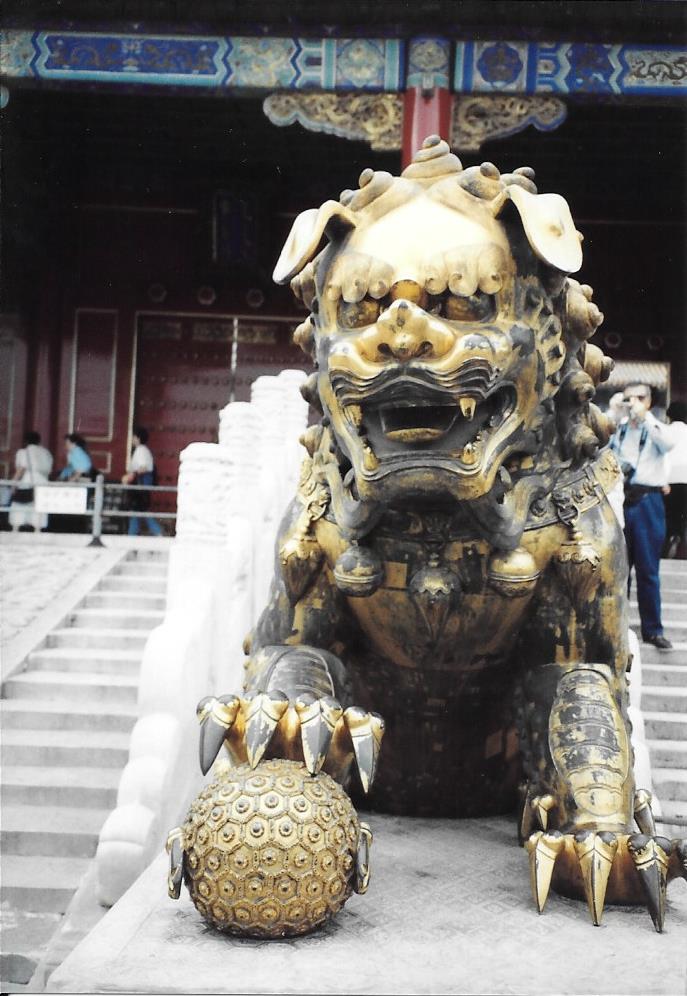
Imperial Palace (Forbidden City), Beijing, 22/9/1992

920922 Forbidden City 2

Imperial Palace (Forbidden City), Beijing, 22/9/1992

920922 Forbidden City exhibition

Imperial Palace (Forbidden City) exhibition, Beijing 22/9/1992

920922 Professor Song Jie Wu calligraphy

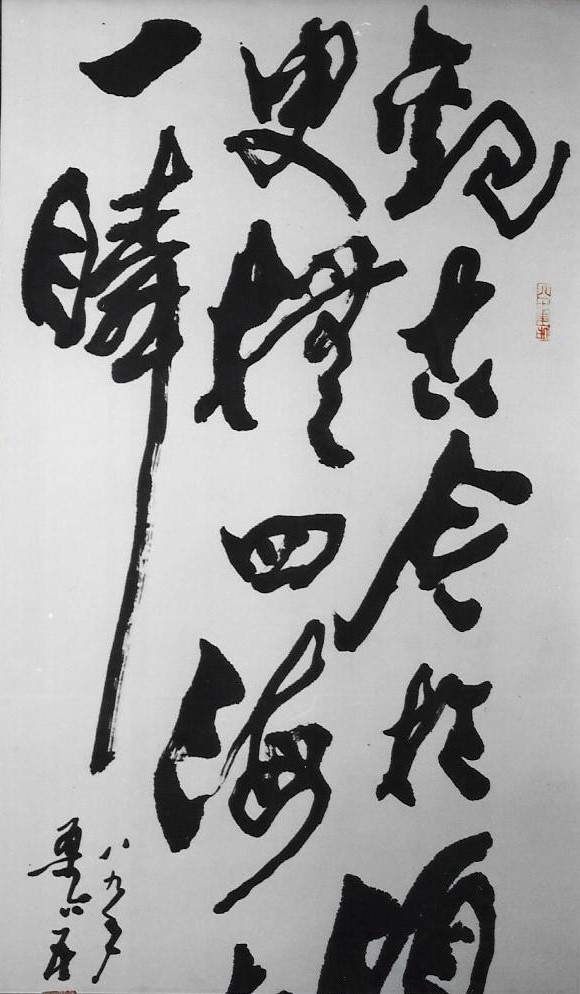
Professor Song Jie Wu calligraphy class, Central Academy of Fine Arts, Beijing 22/9/1992

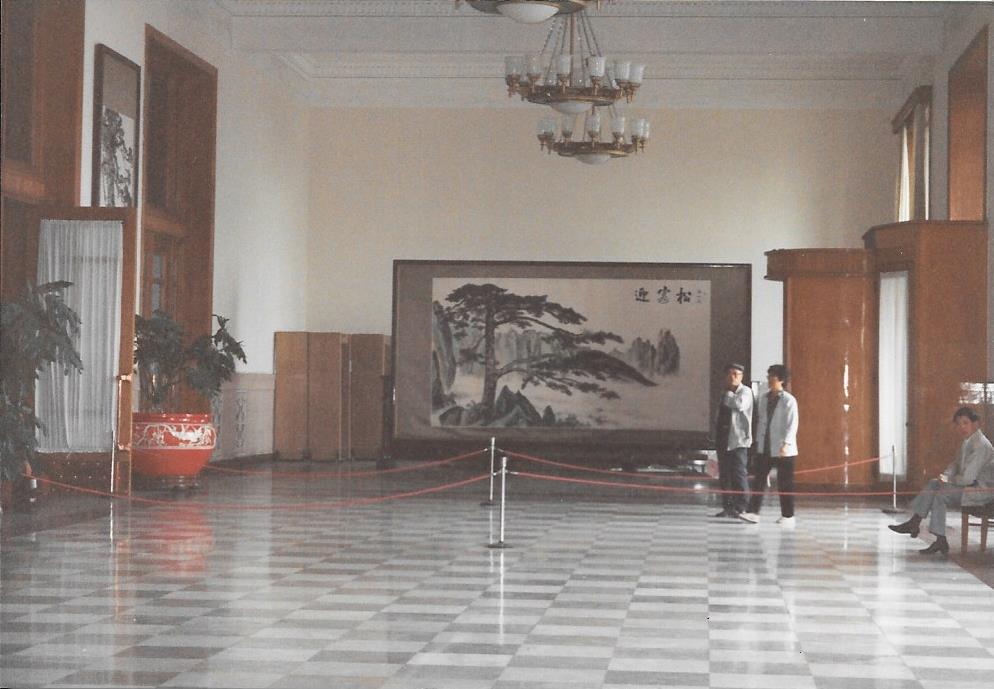
920923 Great Hall of the People artwork

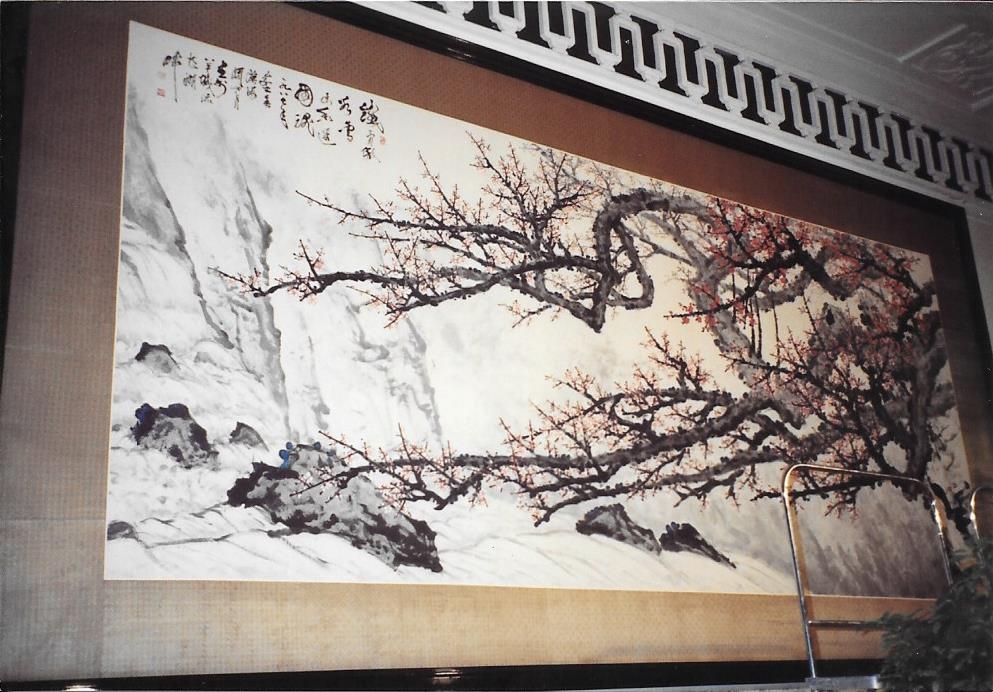
Great Hall of the People, Beijing 23/9/1992

920923 Great Hall of the People entrance

Great Hall of the People, Beijing 23/9/1992

920923 Professor Jiao Ke Qun

Professor Jaw Ning Au, bird and flower painting class, Central Academy of Fine Arts, Beijing 23/9/1992

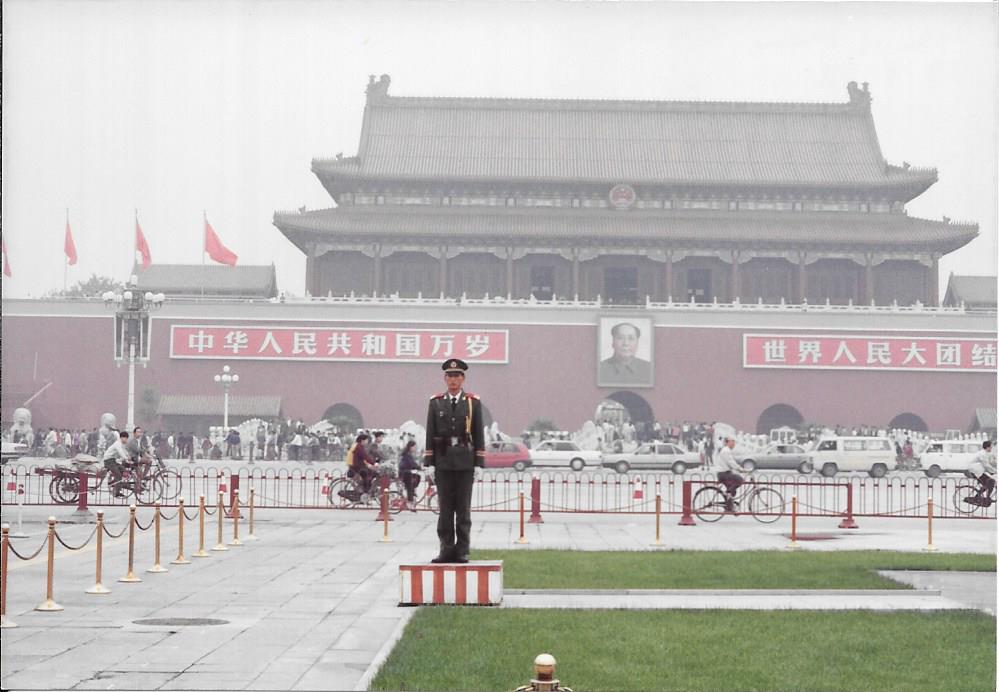
920923 Tiananmen Gate Beijing

Tiananmen Gate, Beijing, 23/9/1992

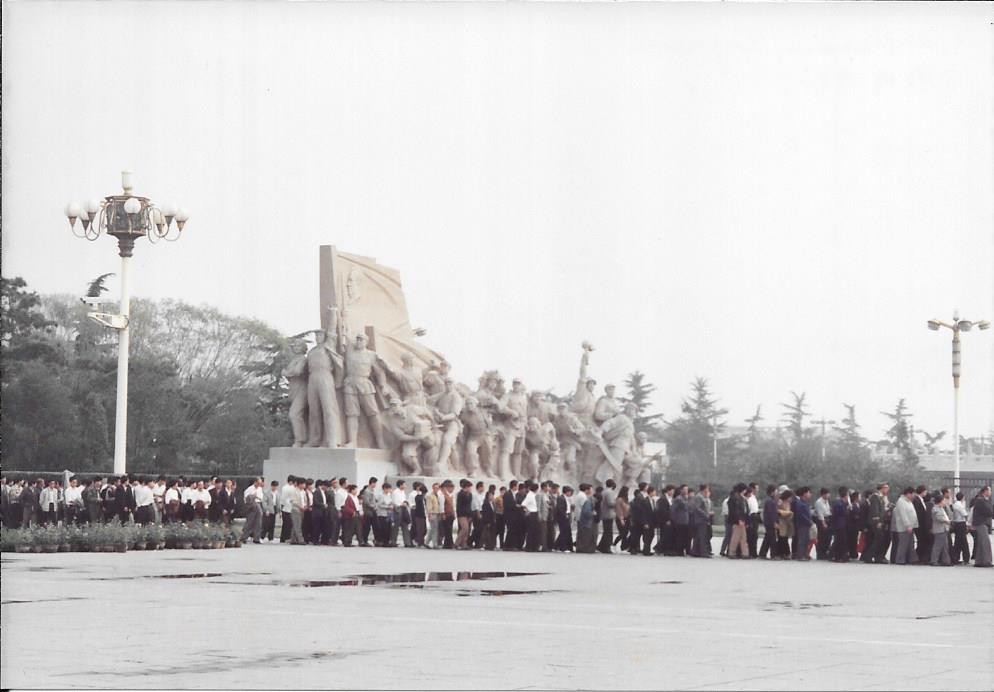
920923 Tiananmen Square Beijing national holiday

Part of the queue for the Mao Zedong Mausoleum, National Holiday, Tiananmen Square, Beijing 23/9/1992

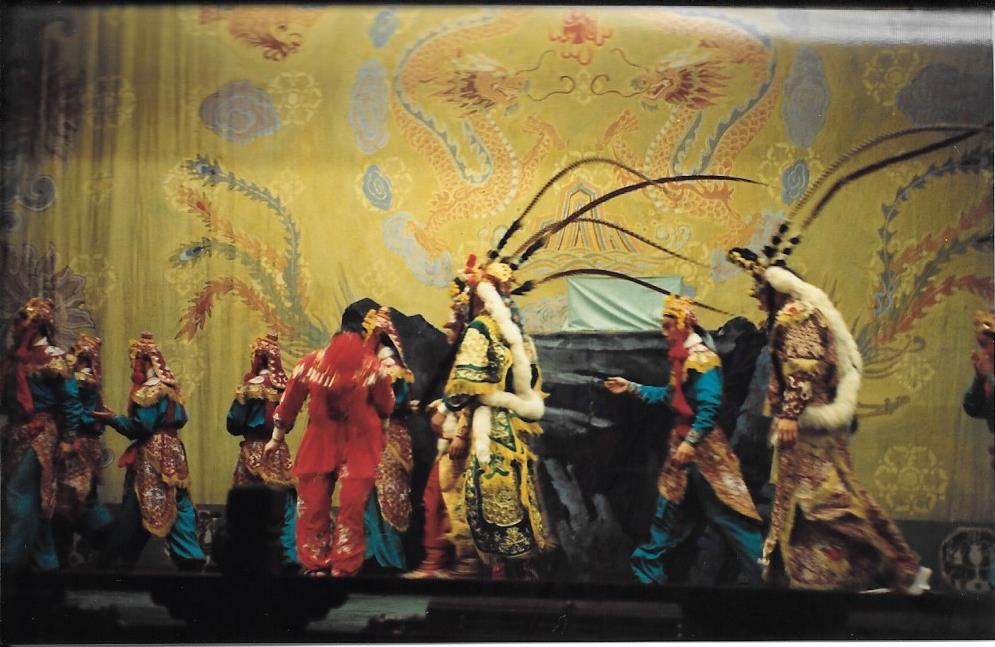
920925 Beijing Opera 1

Beijing Opera 25/9/1992

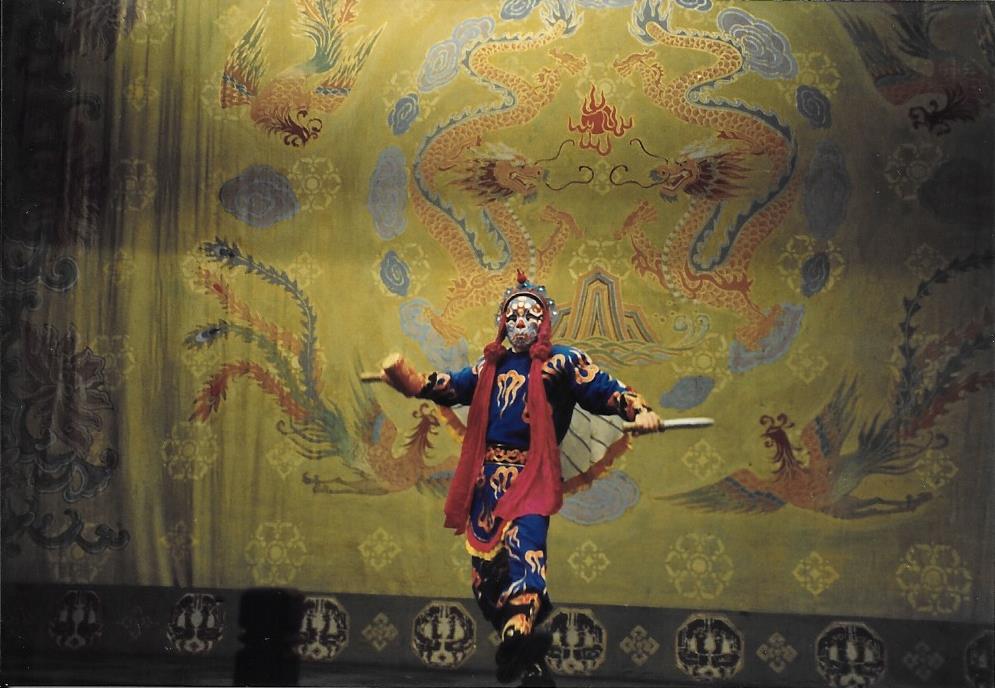
920925 Beijing Opera 2

Beijing Opera 25/9/1992

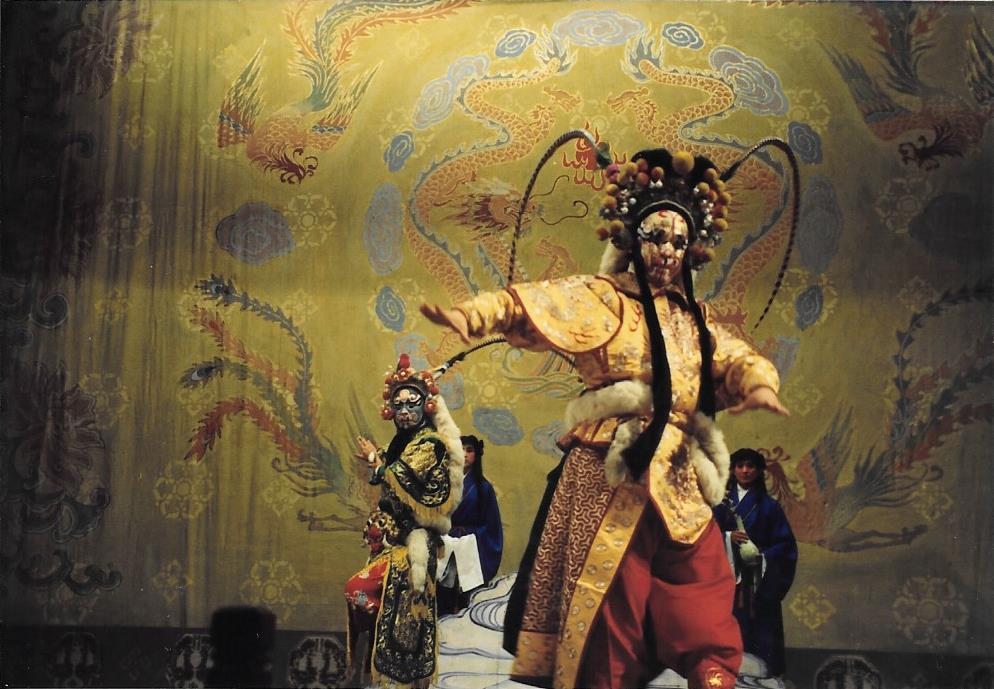
920925 Beijing Opera 3

Beijing Opera 25/9/1992

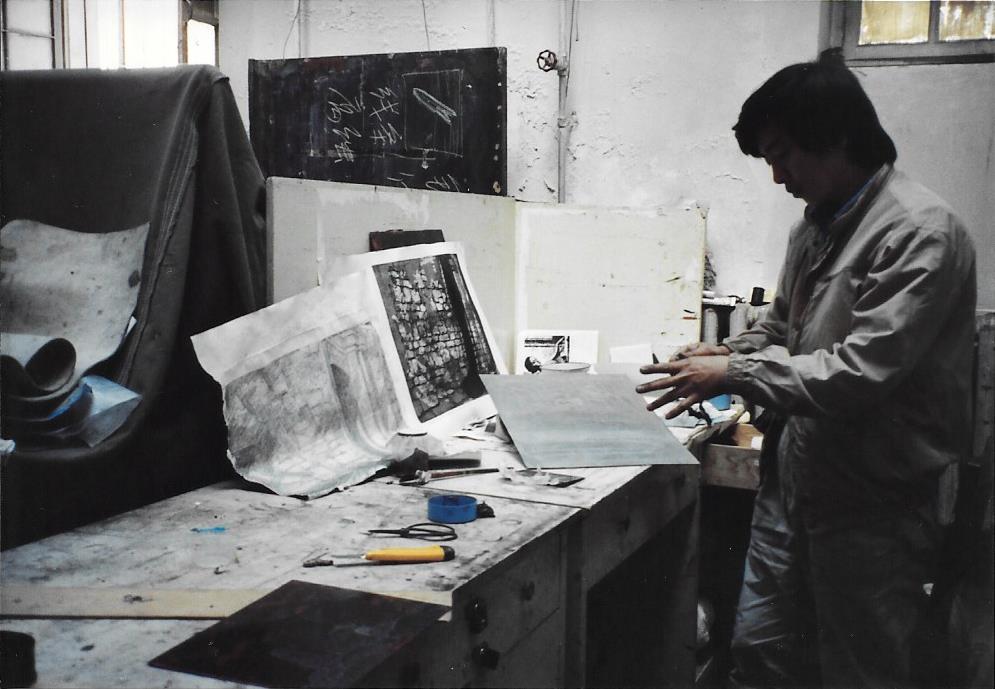
920925 Etching Department Central Academy of Fine Art

Etching Department, Central Academy of Fine Arts, Beijing 25/9/1992

920925 Painting Department Central Academy of Fine Art 2

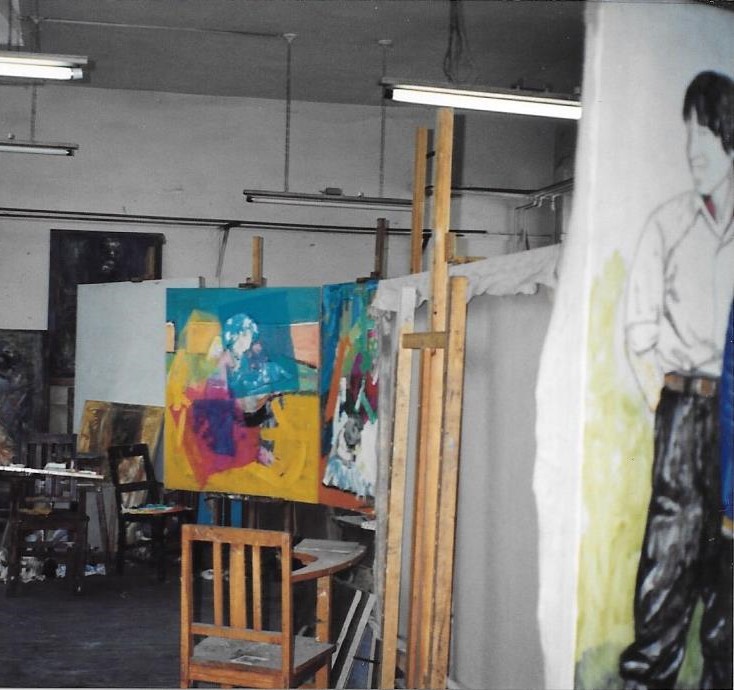
Painting Department, Central Academy of Fine Arts, Beijing 25/9/1992

920925 Painting Department Central Academy of Fine Art

Painting Department, Central Academy of Fine Arts, Beijing 25/9/1992

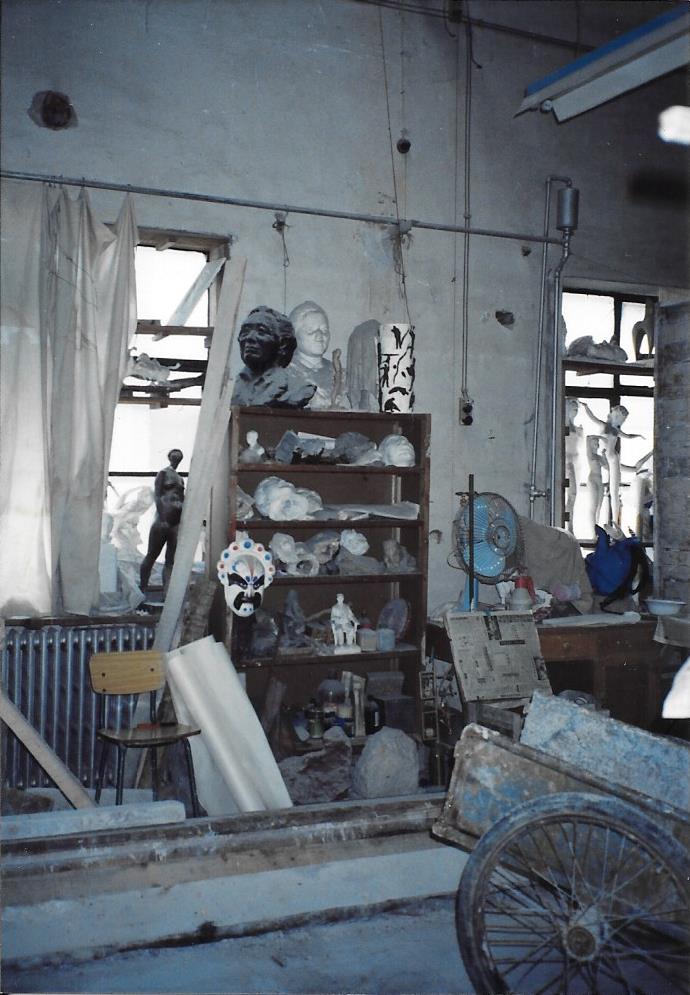
920925 Sculpture Department Central Academy of Fine Art

Sculpture Department, Central Academy of Fine Arts, Beijing 25/9/1992

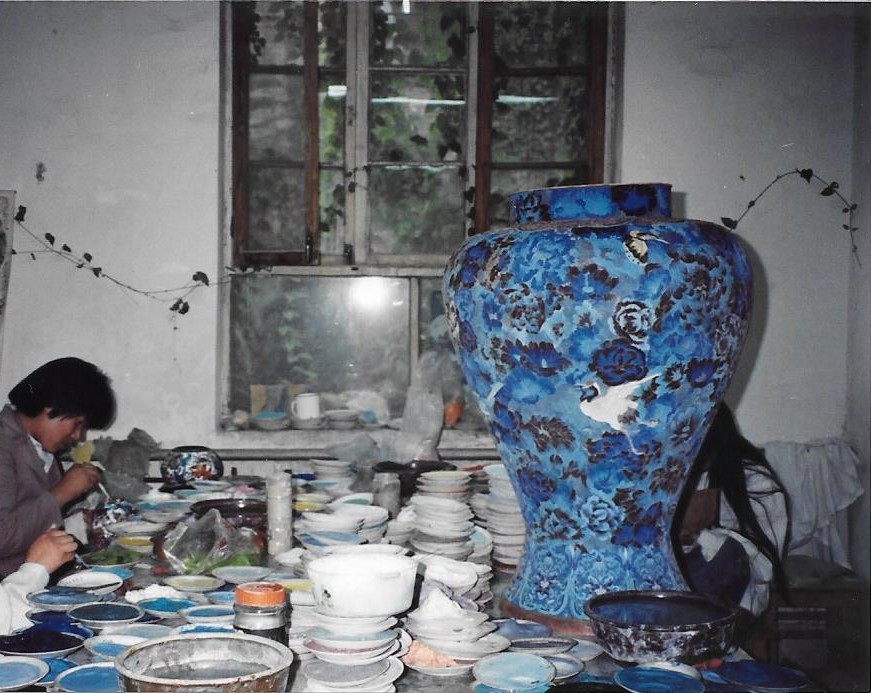
920926 Cloisonne factory

Cloisonné factory, Beijing 26/9/1992

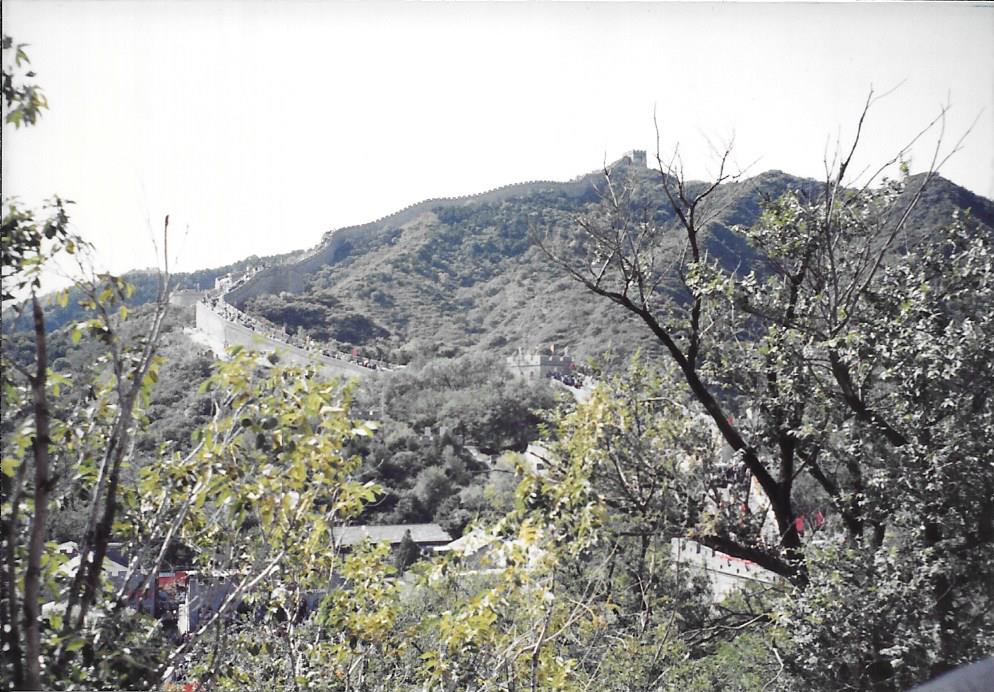
920926 Great Wall

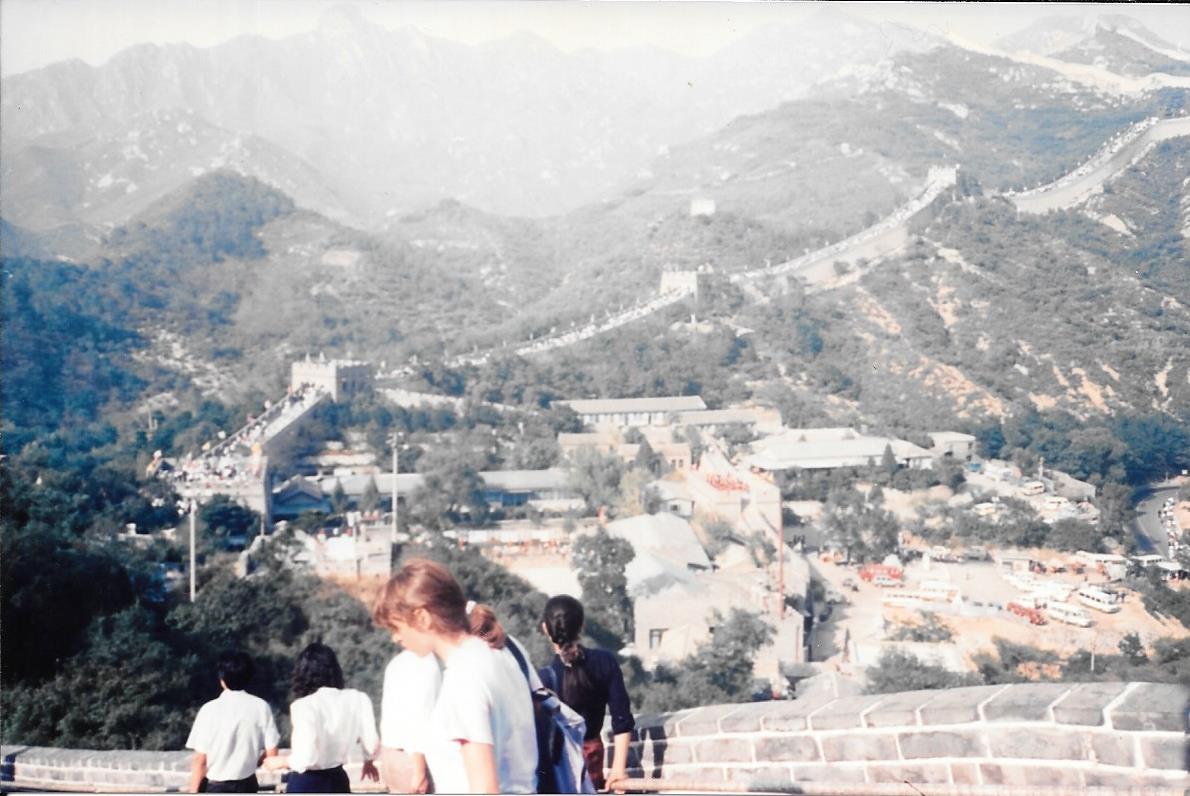
Great Wall at Bandalang, 26/9/1992

920928 Movie studios 1

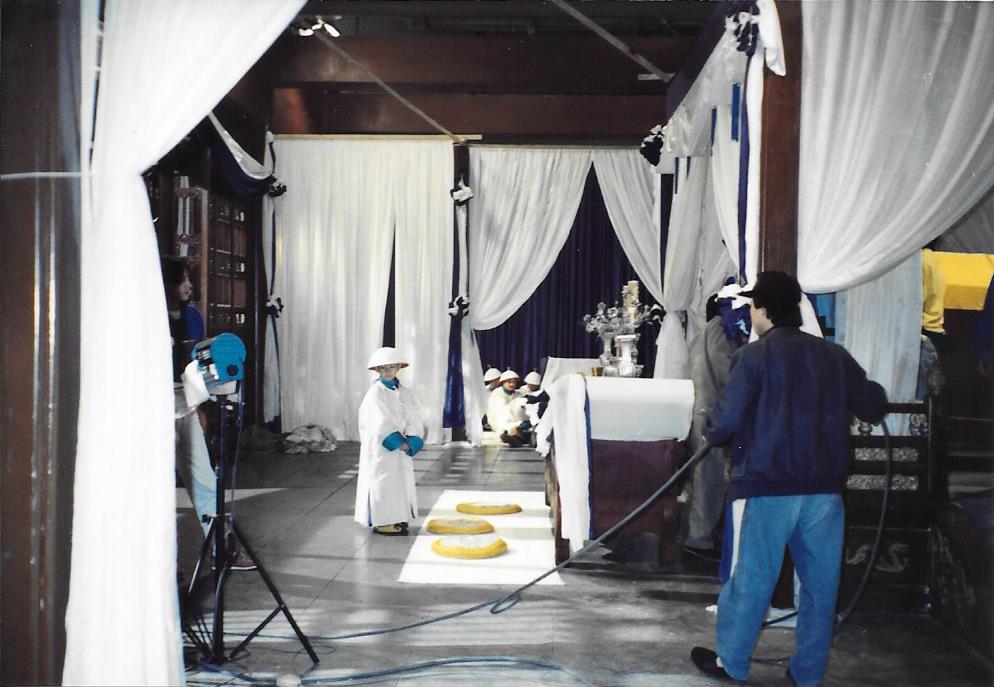
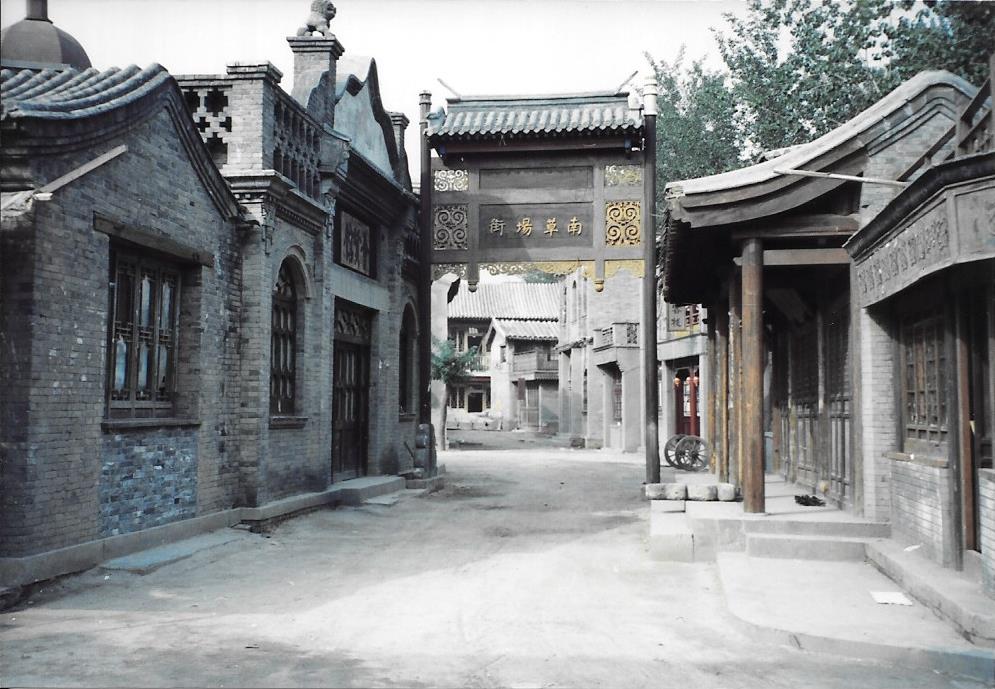
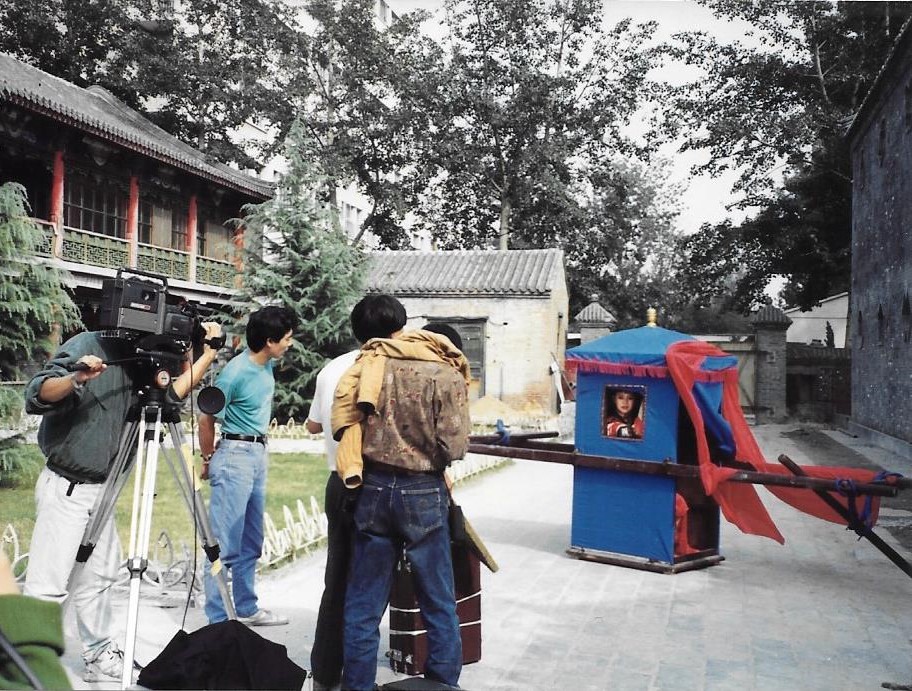
Movie studios, Beijing 28/9/1992

920928 Movie studios 2

Movie studios, Beijing 28/9/1992

920928 Movie studios 3

Movie studios, Beijing 28/9/1992

920928 Professor Zhao 2

Professor Jaw Ning Au, birds with character demonstration, Central Academy of Fine Arts, Beijing 28/9/1992

920930 Professor Zhao 1

Professor Jaw Ning Au, Central Academy of Fine Arts, Beijing 30/9/1992

920930 Temple of Heaven entrance

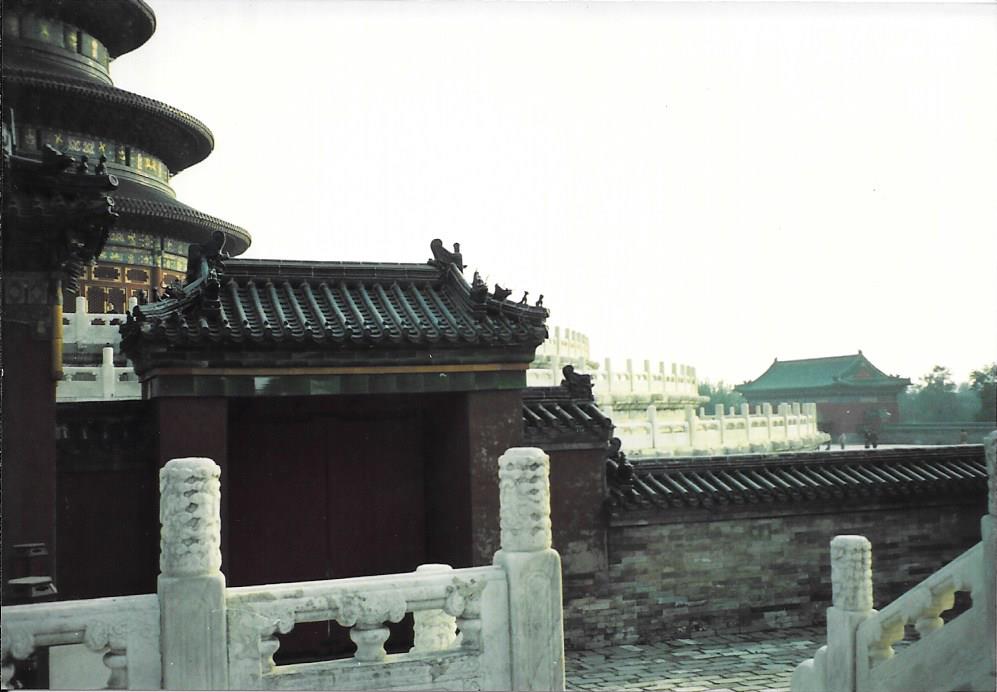
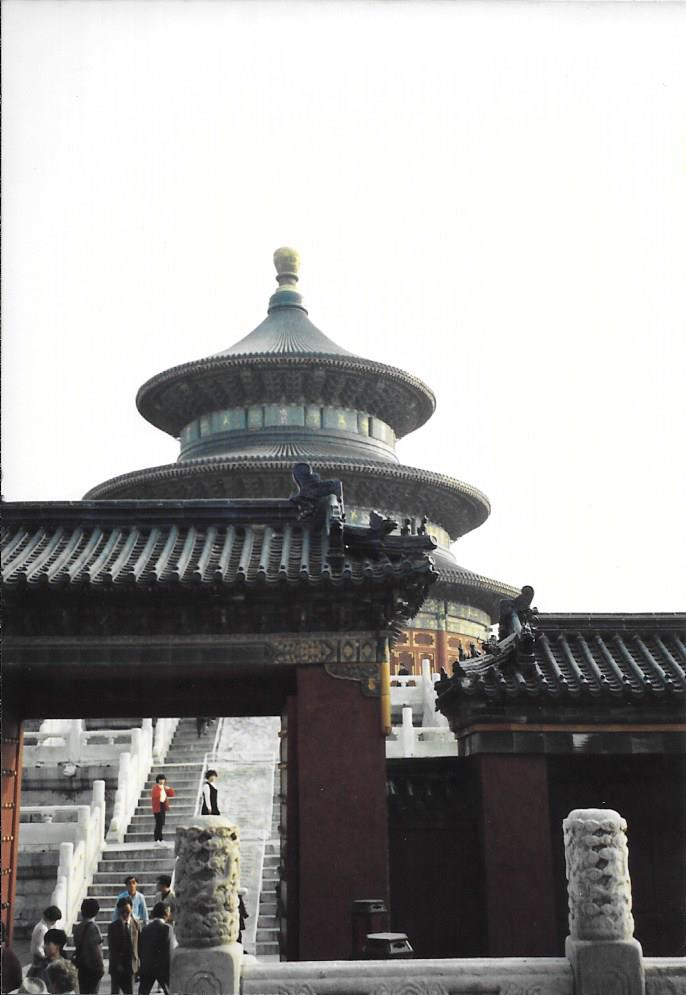
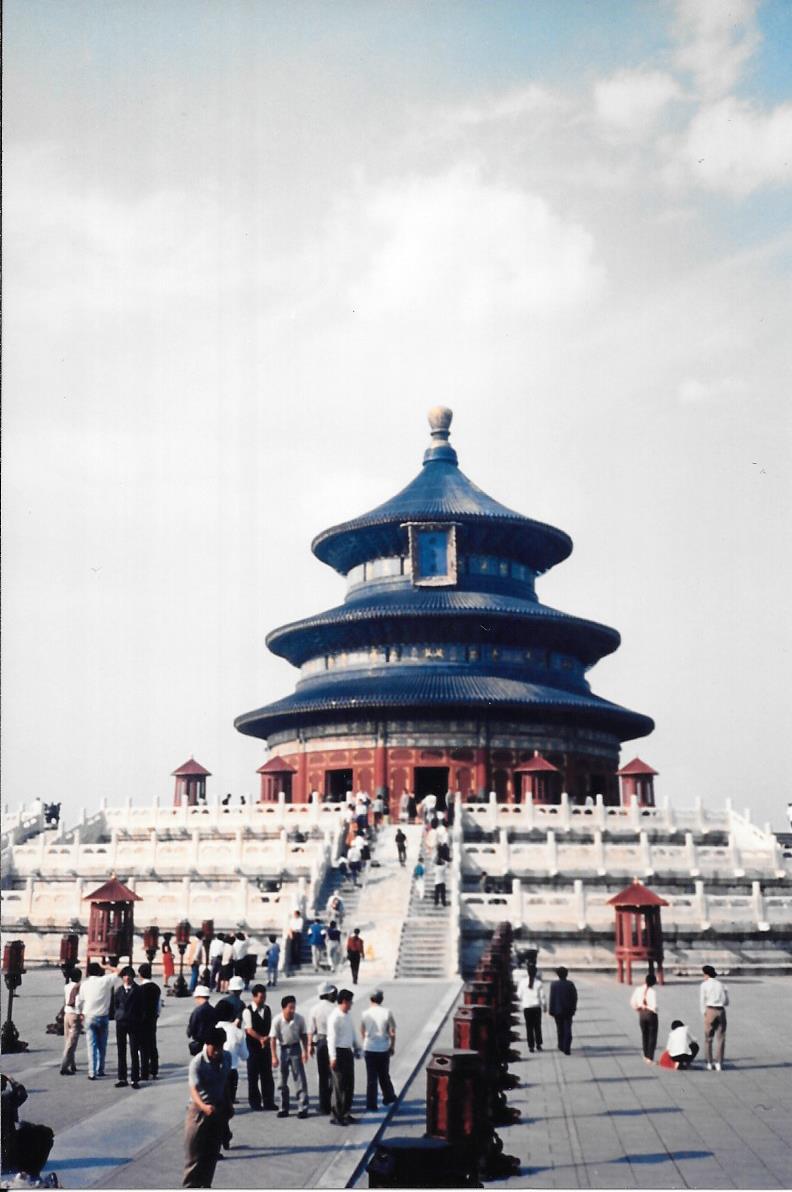
Temple of Heaven entrance, Beijing, 30/9/1992

920930 Temple of Heaven entrance 1

Temple of Heaven entrance, Beijing 30/9/1992

921002 Fragrant Hill Park Hotel seat by the window

Seat by the window, Fragrant Hill Park Hotel, Beijing 2/10/1992

921002 Fragrant Hill Park

Fragrant Hill Park, Beijing 2/10/1992

921002 Summer Palace 2

Summer Palace, Beijing 2/10/1992

921002 Summer Palace

Summer Palace, Beijing 2/10/1992

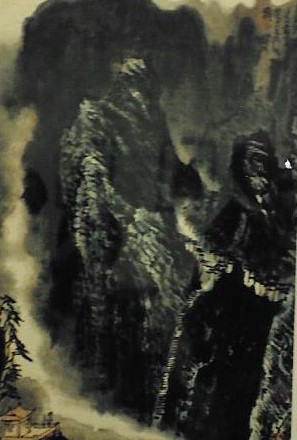
921004 Li Keran exhibition

Li Keran, exhibition, National Art Gallery, Beijing 4/10/1992

921004 Professor Li Xingjian

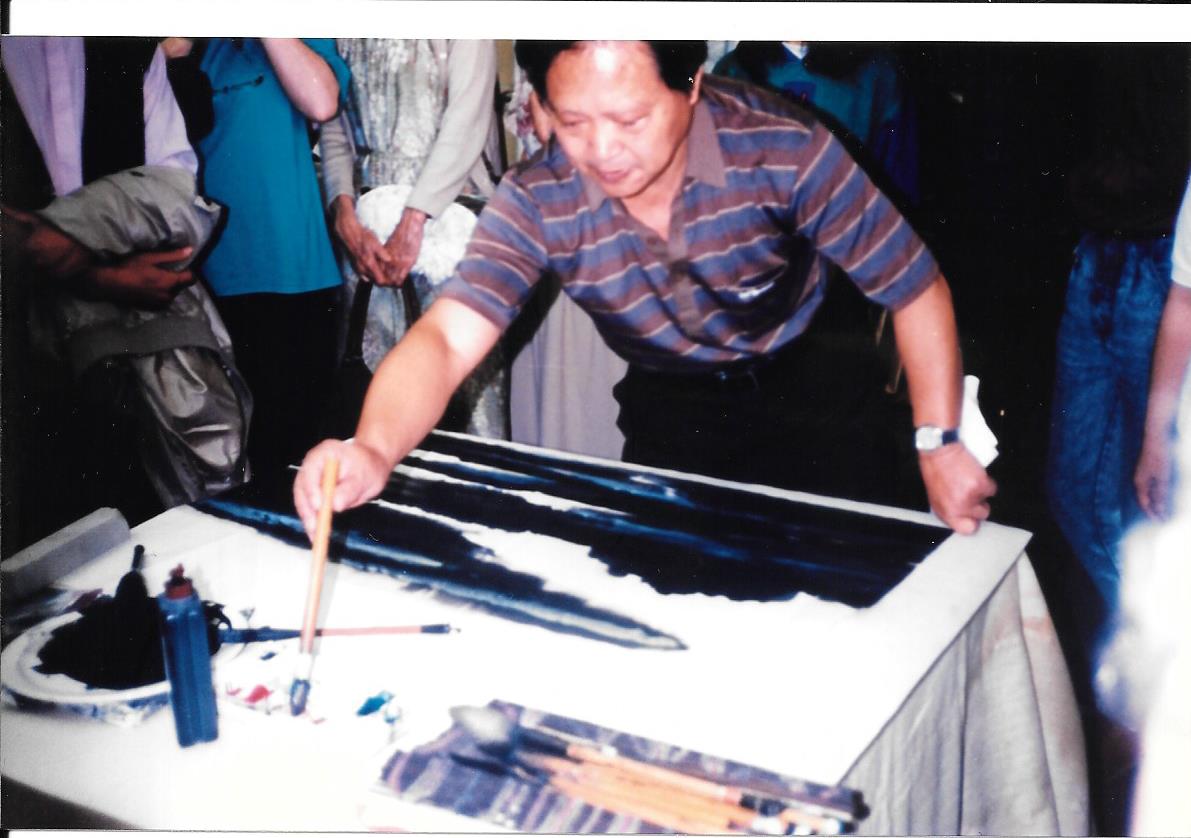
Professor Li Xingjian, demonstration, Central Academy of Fine Arts, Beijing 4/10/1992

921008 Professor Yao Zhi Hua

Professor Yao Zhi Hua, demonstration, Central Academy of Fine Arts, Beijing 8/10/1992

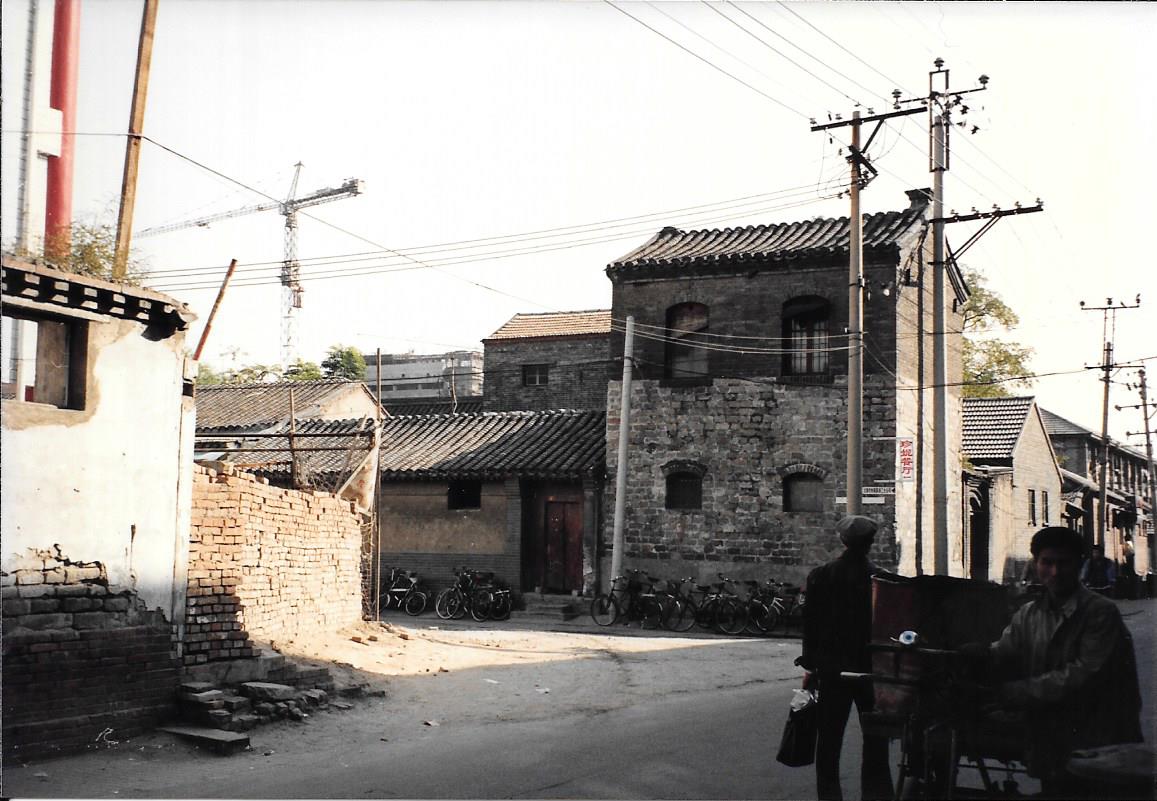
Beijing streetscape 2

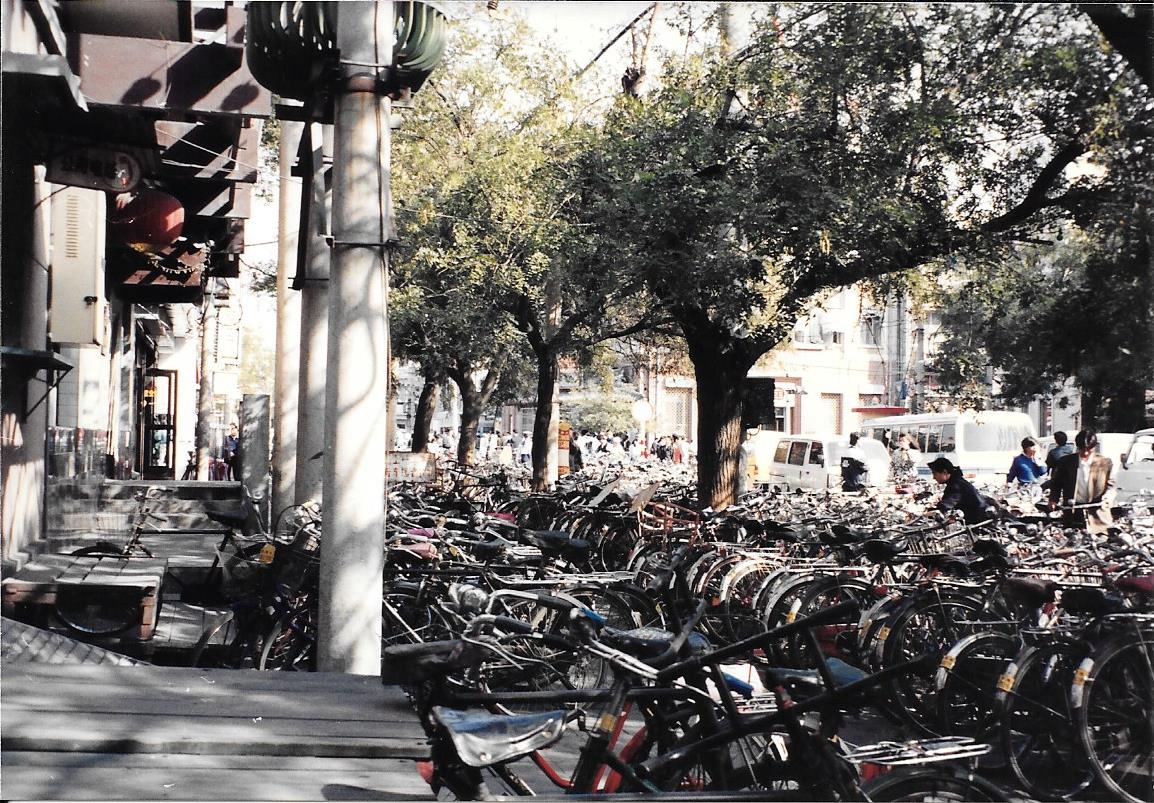
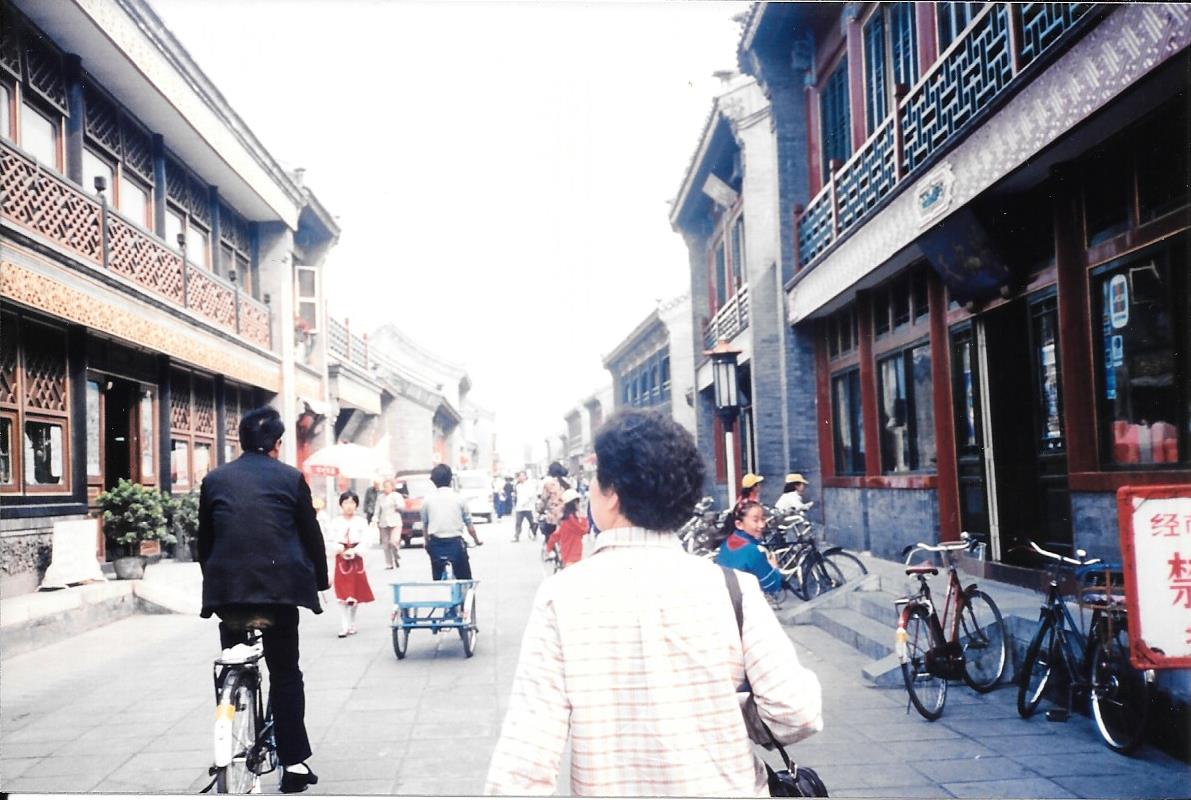
Streetscape, Beijing 8/10/1992

Beijing streetscape

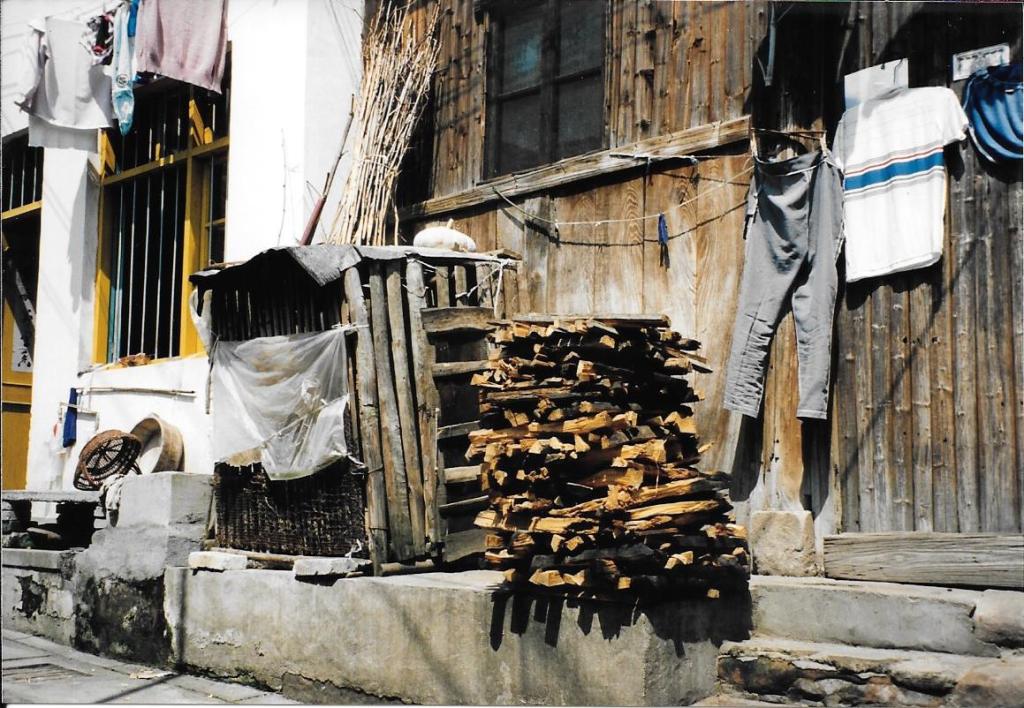
Hutong, Beijing 8/10/1992

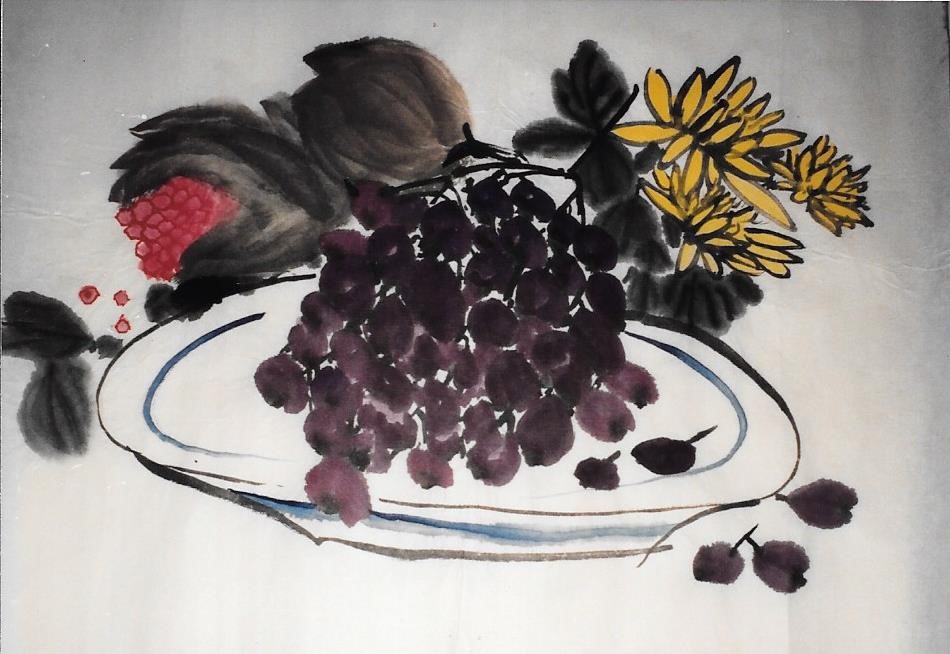
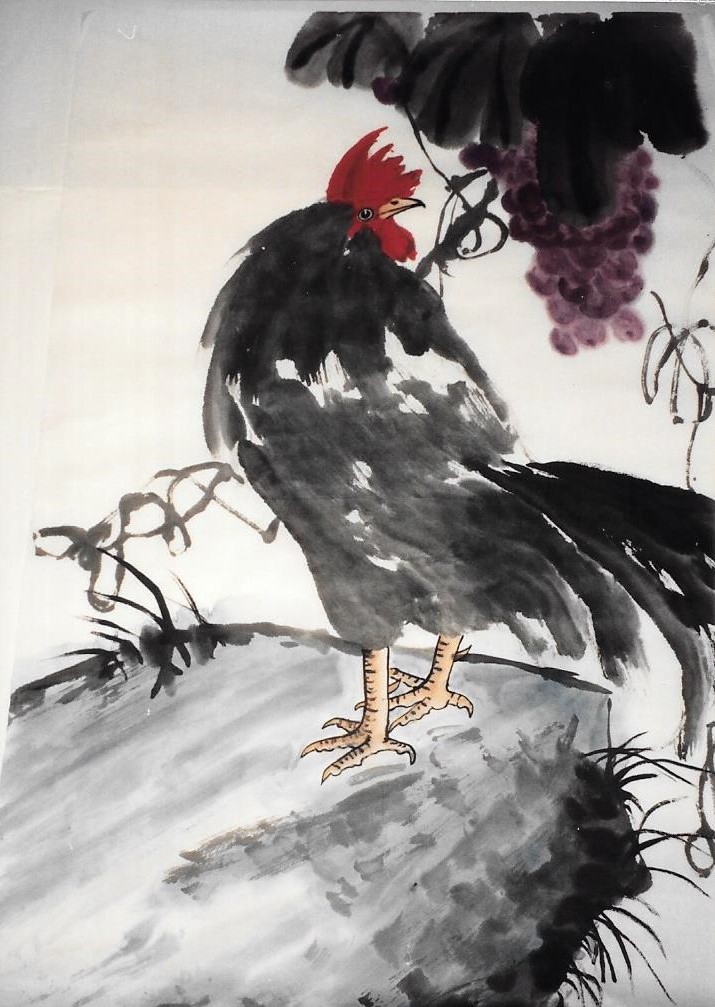
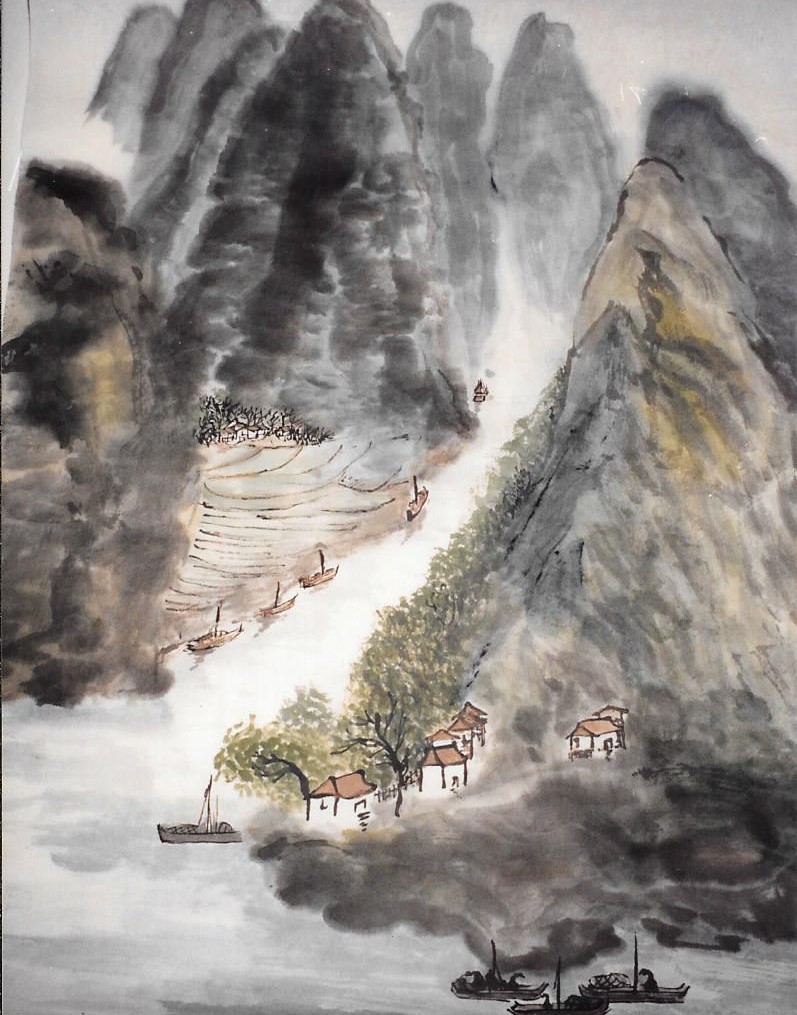
Some of my fang studio works made during and after classes

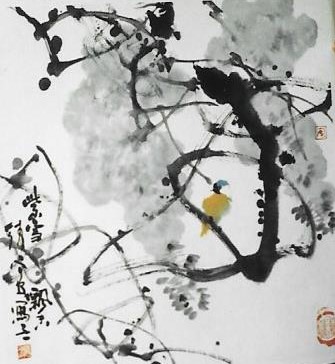
Studio work 1 Grape failure JT studio work 2391992

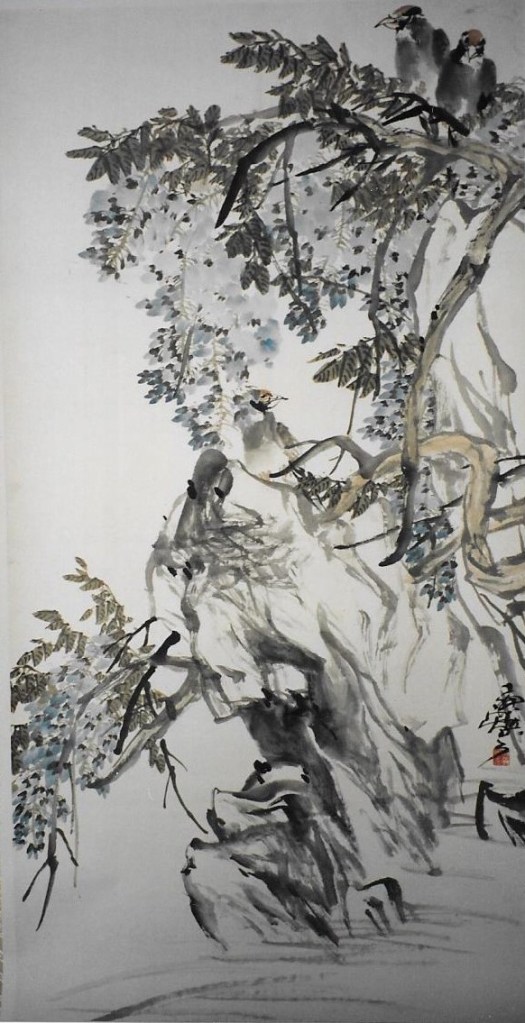
Grape failure, JT studio work 23/9/1992

Studio work 2 Feathers with attitude, JT studio work 2591992

Feathers with attitude, JT studio work 25/9/1992

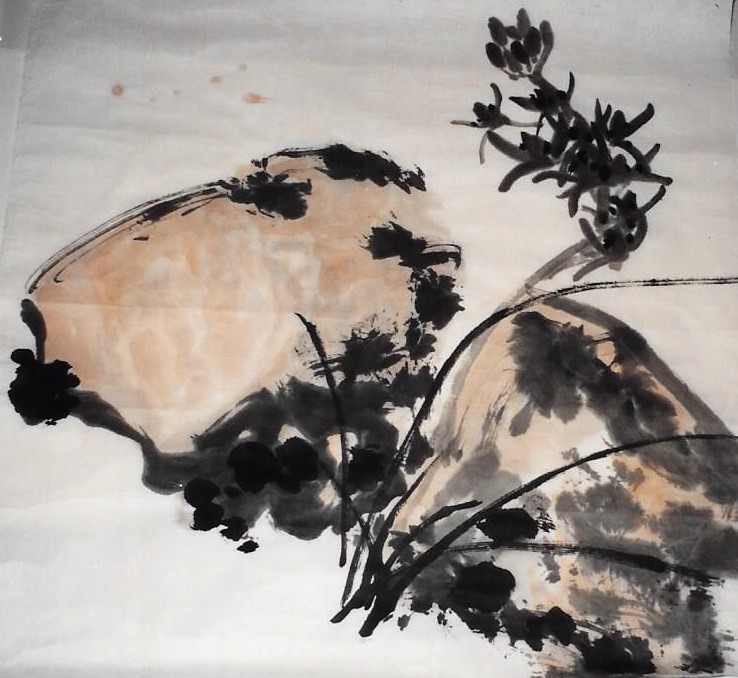
Studio work 3 Orchid and lively rocks, JT studio work 3091992

Orchid and lively rocks, JT studio work 30/9/1992

Studio work 4 Mountains Guilin, JT studio work 5101992

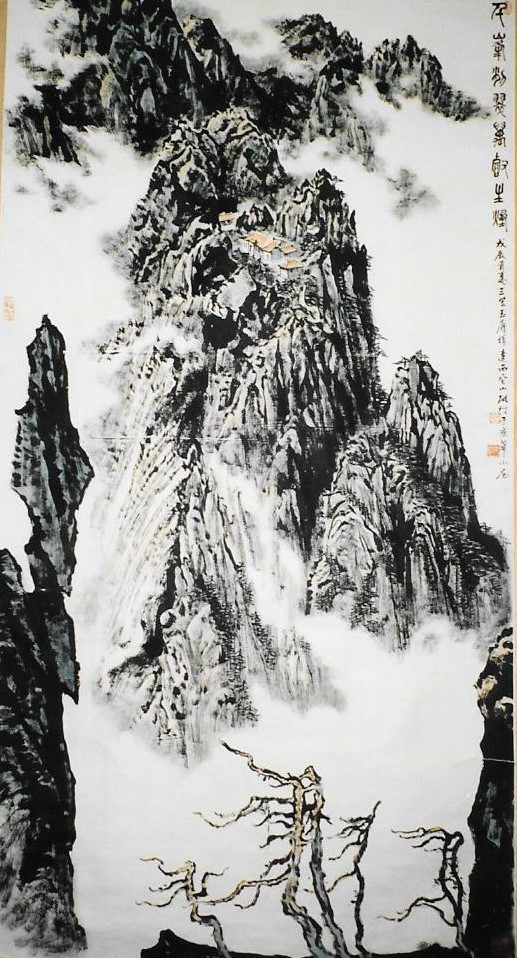
Mountains Guilin, JT studio work 5/10/1992

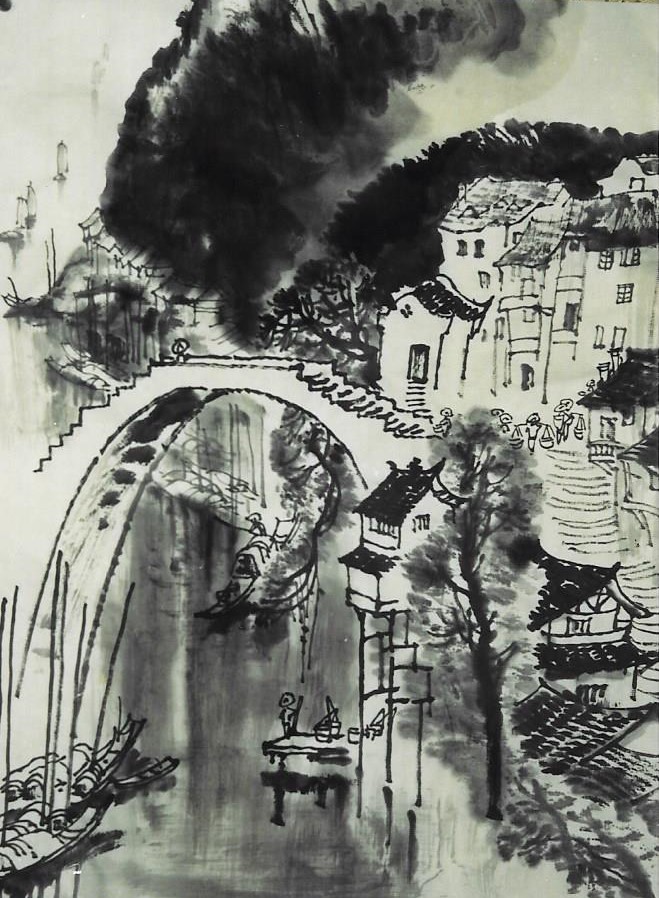
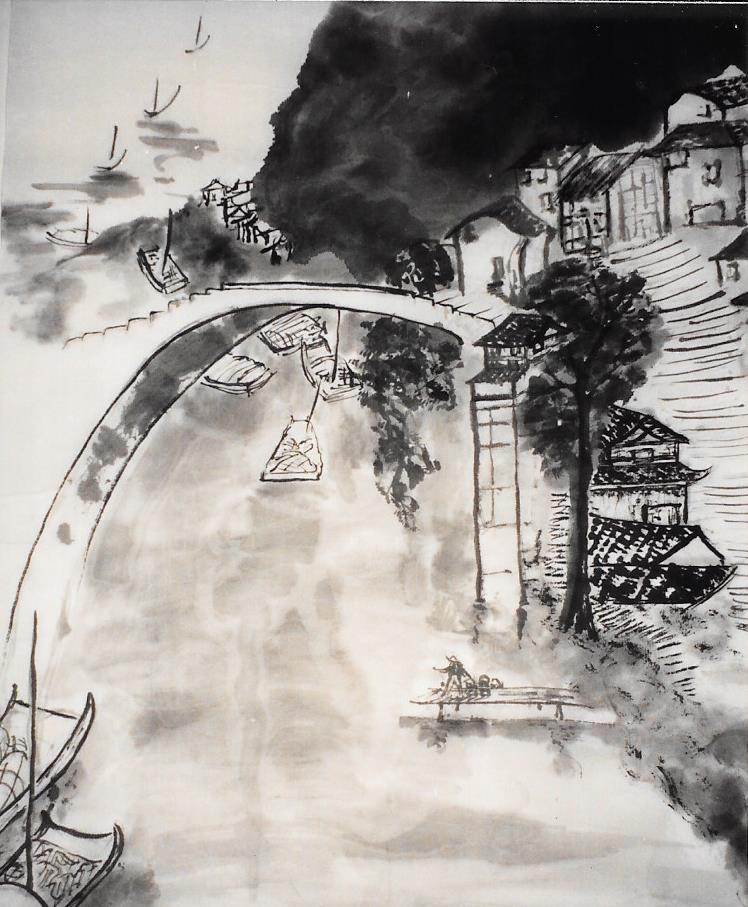
Studio work 5 Mountain town, JT studio work 6101992

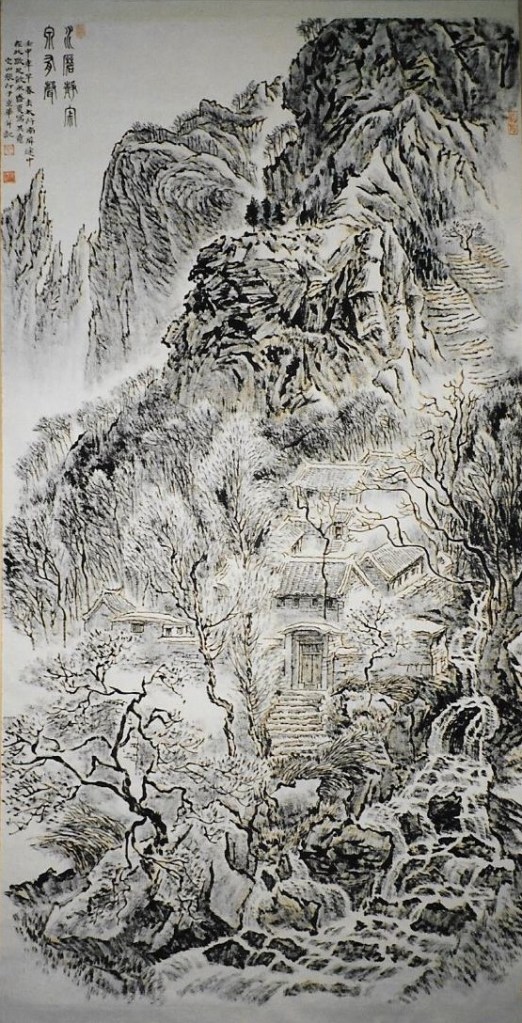
Mountain town, JT studio work 6/10/1992

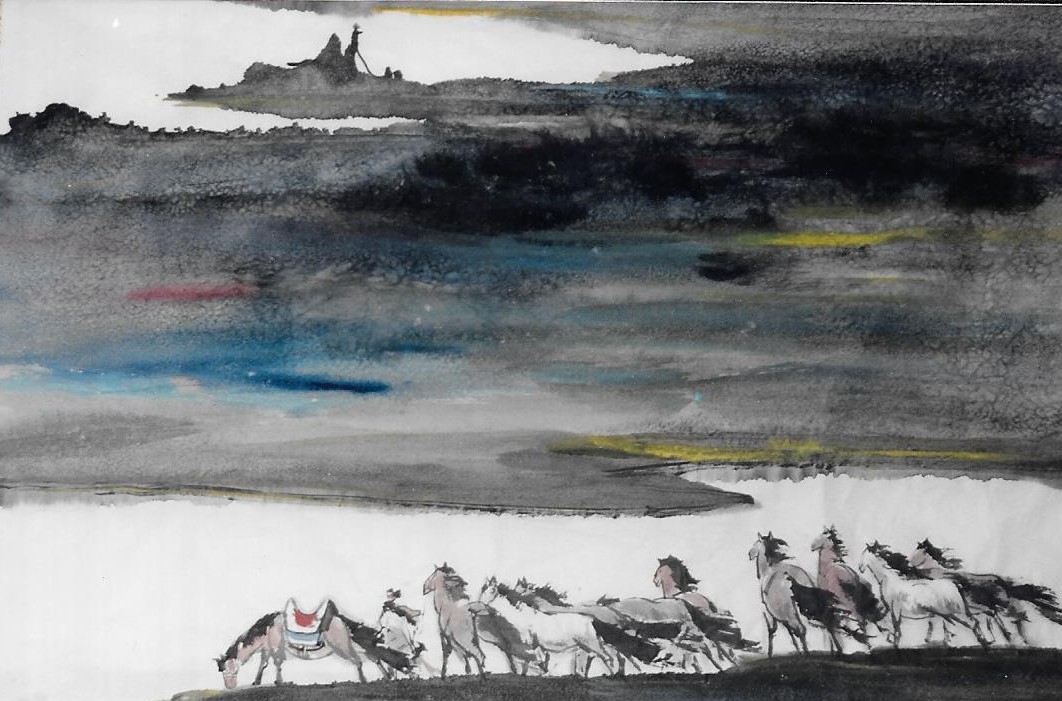
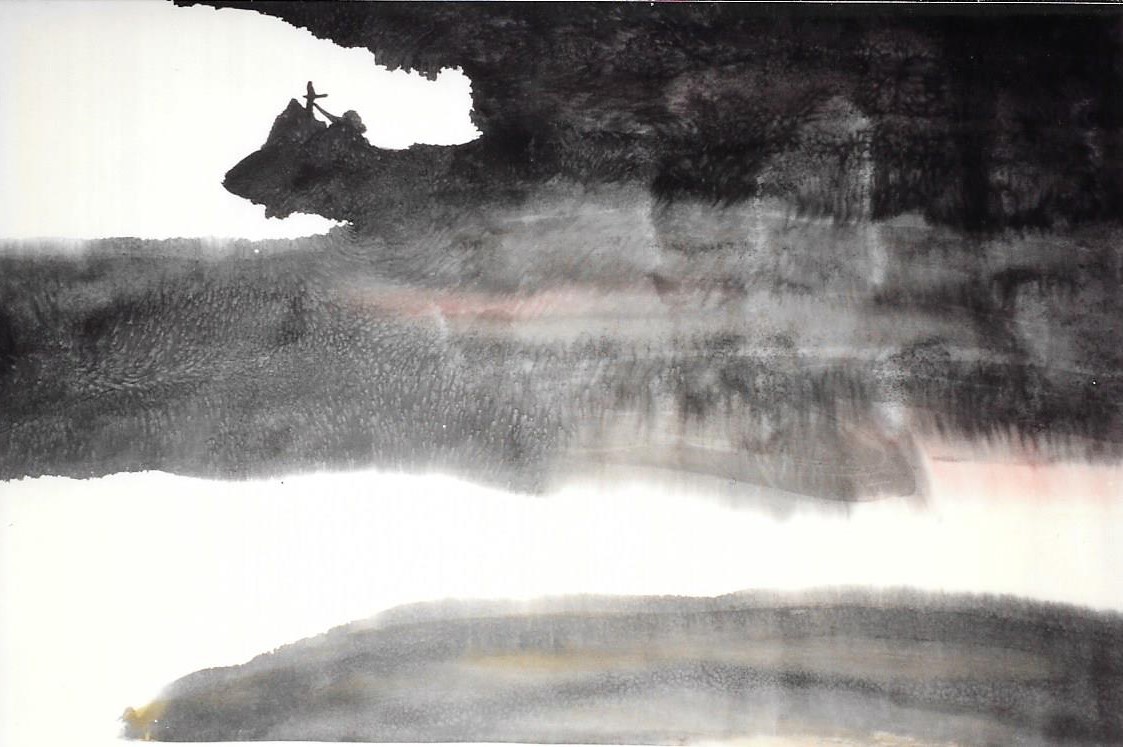
Studio work 6 Grasslands, JT studio work 8101992

Grasslands, JT studio work 8/10/1992

Art References – life of the line
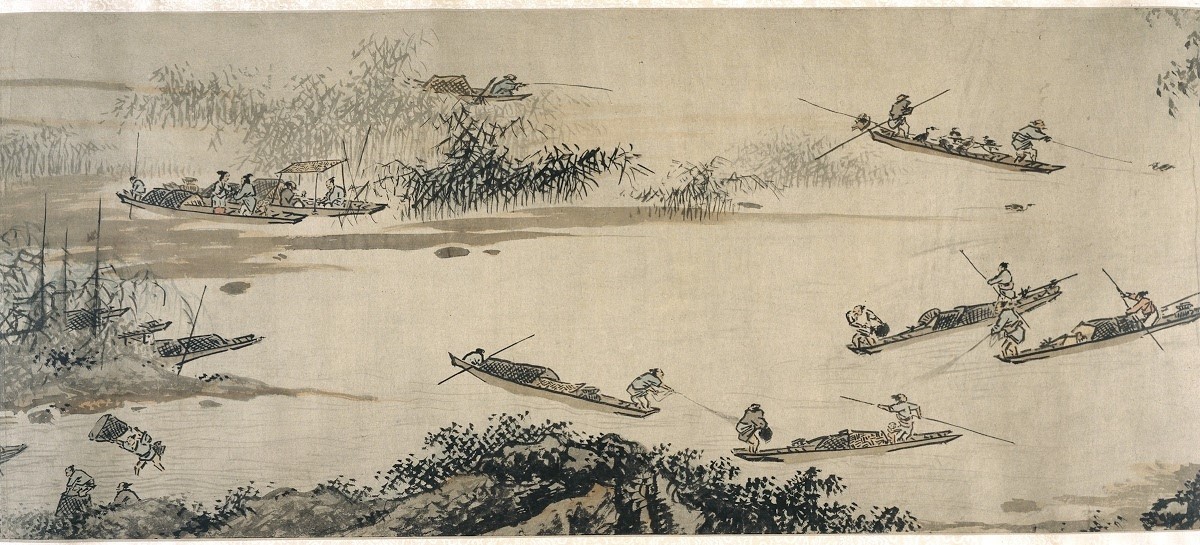
zTai Chin (1388-1462), Fishermen on the River

Tai Chin (1388-1462), Fishermen on an Autumn River1

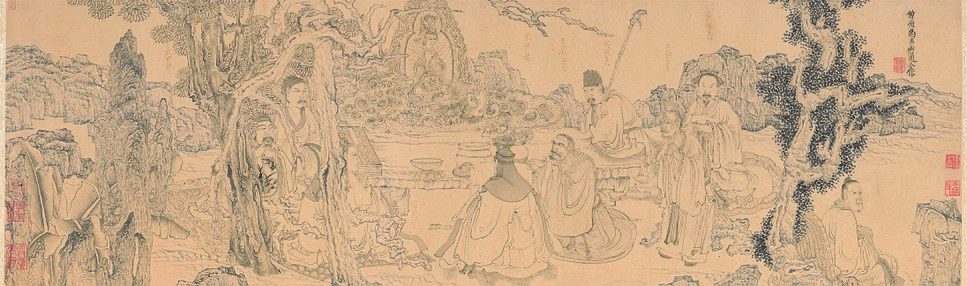
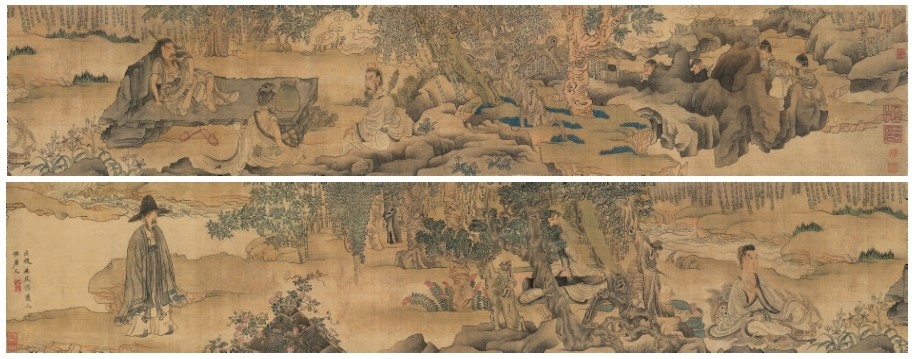
zChen Hongshou, Literary Gathering, 1644

Chen Hongshou, Literary Gathering, 16441

zChen Hongshou (1598-1652), Seven Sages of the Bamboo Grove

Chen Hongshou (1598-1652), Seven Sages of the Bamboo Grove1

zTao-chi (1642-1708) landscape

Tao-chi (1642-1708) landscape1

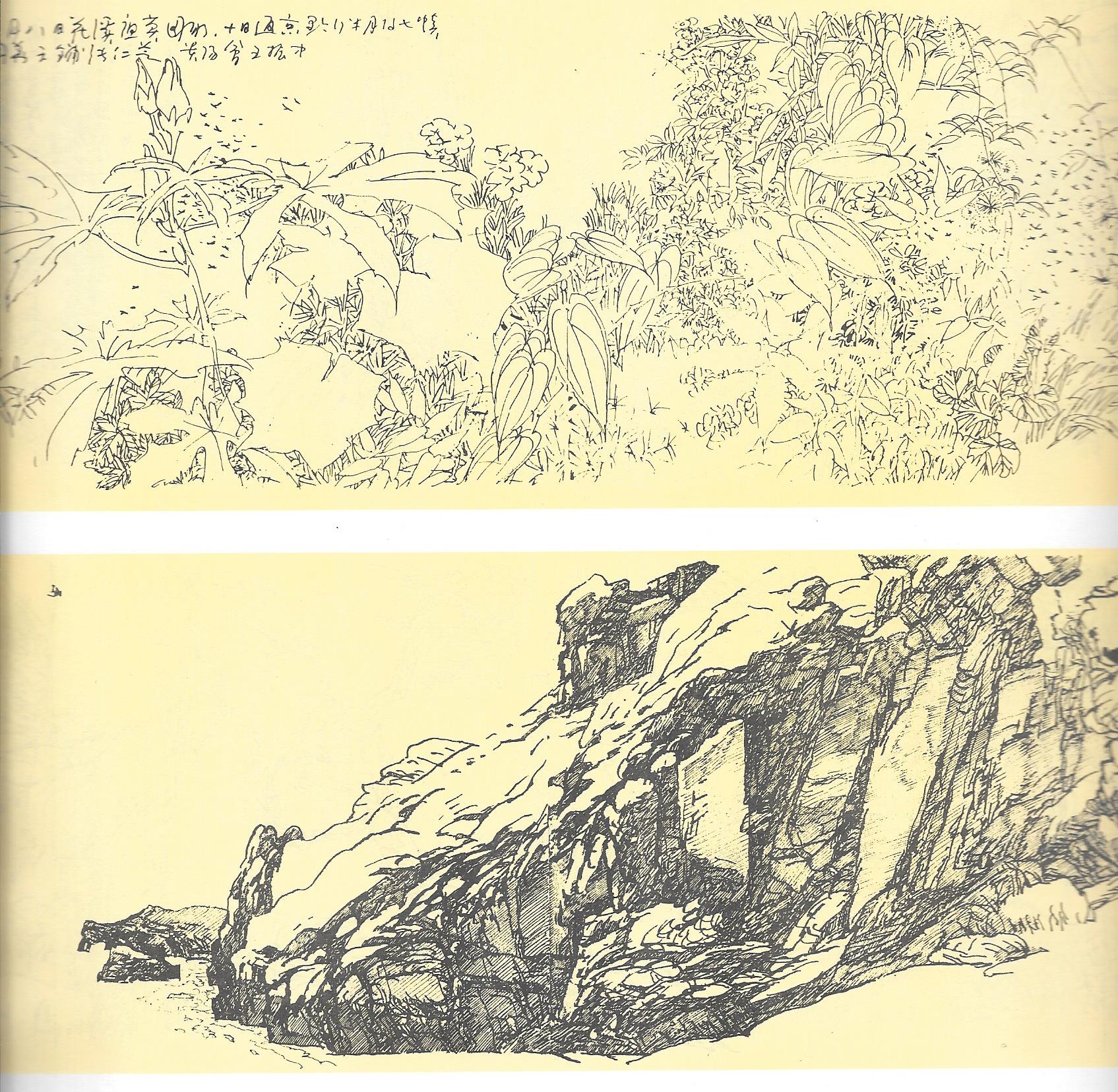
z Jaw Ning Au drawings

Jaw Ning Au, drawings, 1991

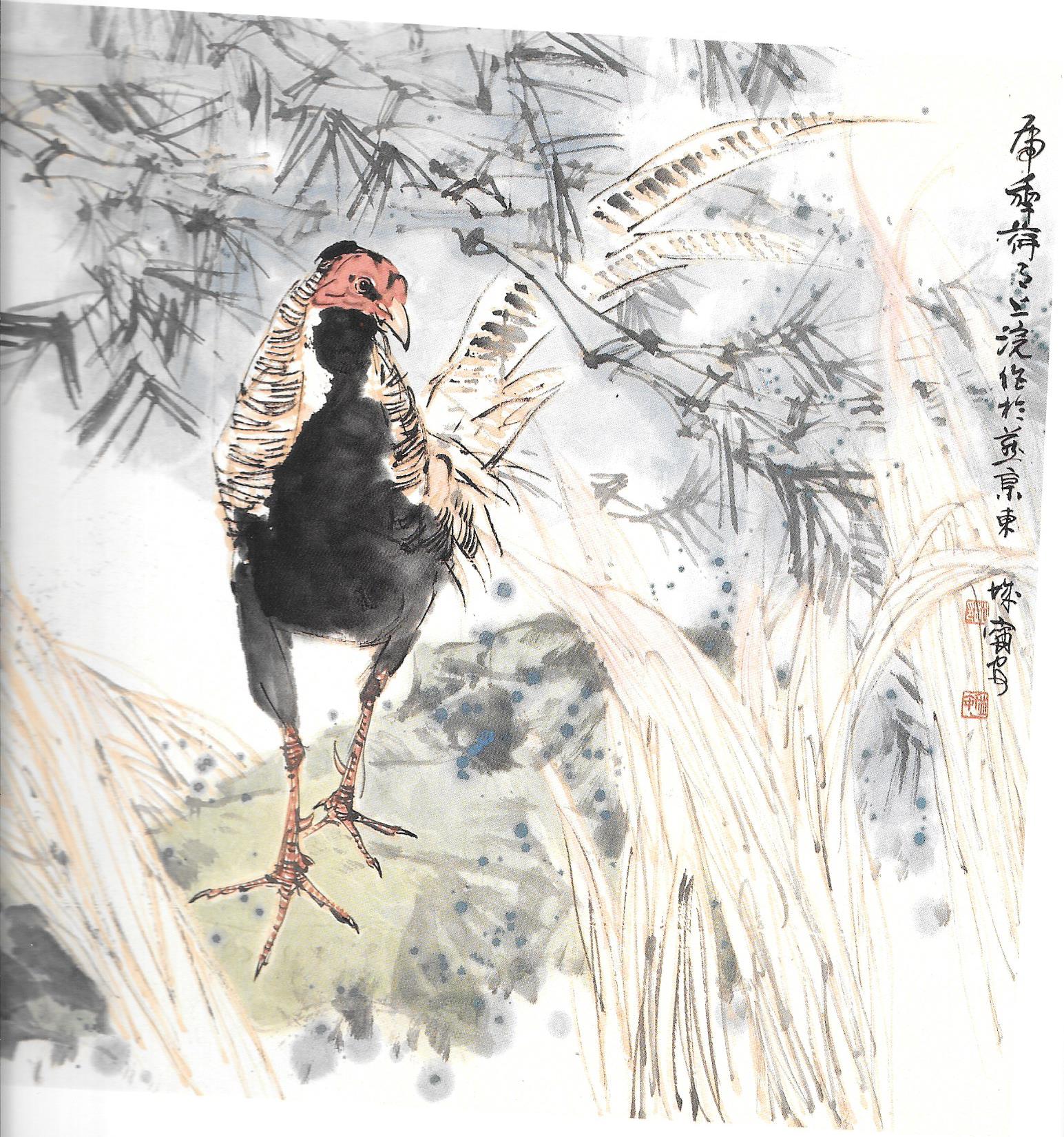
z Jaw Ning Au pheasant

Jaw Ning Au, Pheasant, 1991

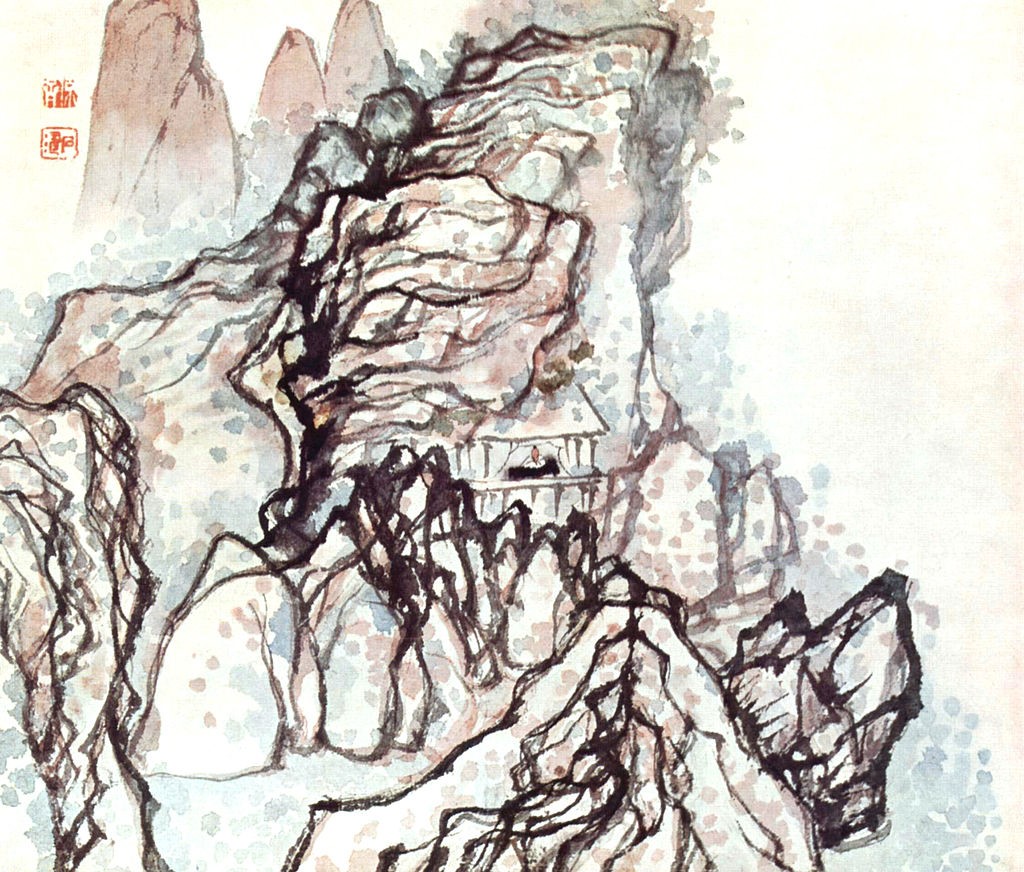
z Li Xingjian landscape

Li Xingjian, landscape, 1989

z Li Xingjian mountain landscape

Li Xingjian, mountain landscape, 1989

z Yao Zhihua Flying Spring

Yao Zhihua, Flying Spring, 1986

z Yao Zhihua Splash Ink Landscape

Yao Zhihua, splash ink landscape, 1990

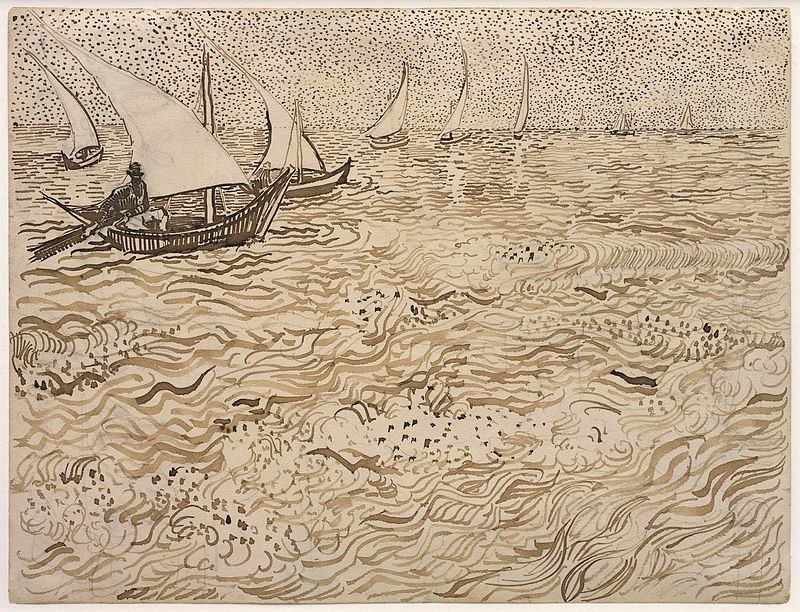
zVincent van Gogh, Fishing Boats at Sea

Vincent van Gogh, Fishing Boats at Sea

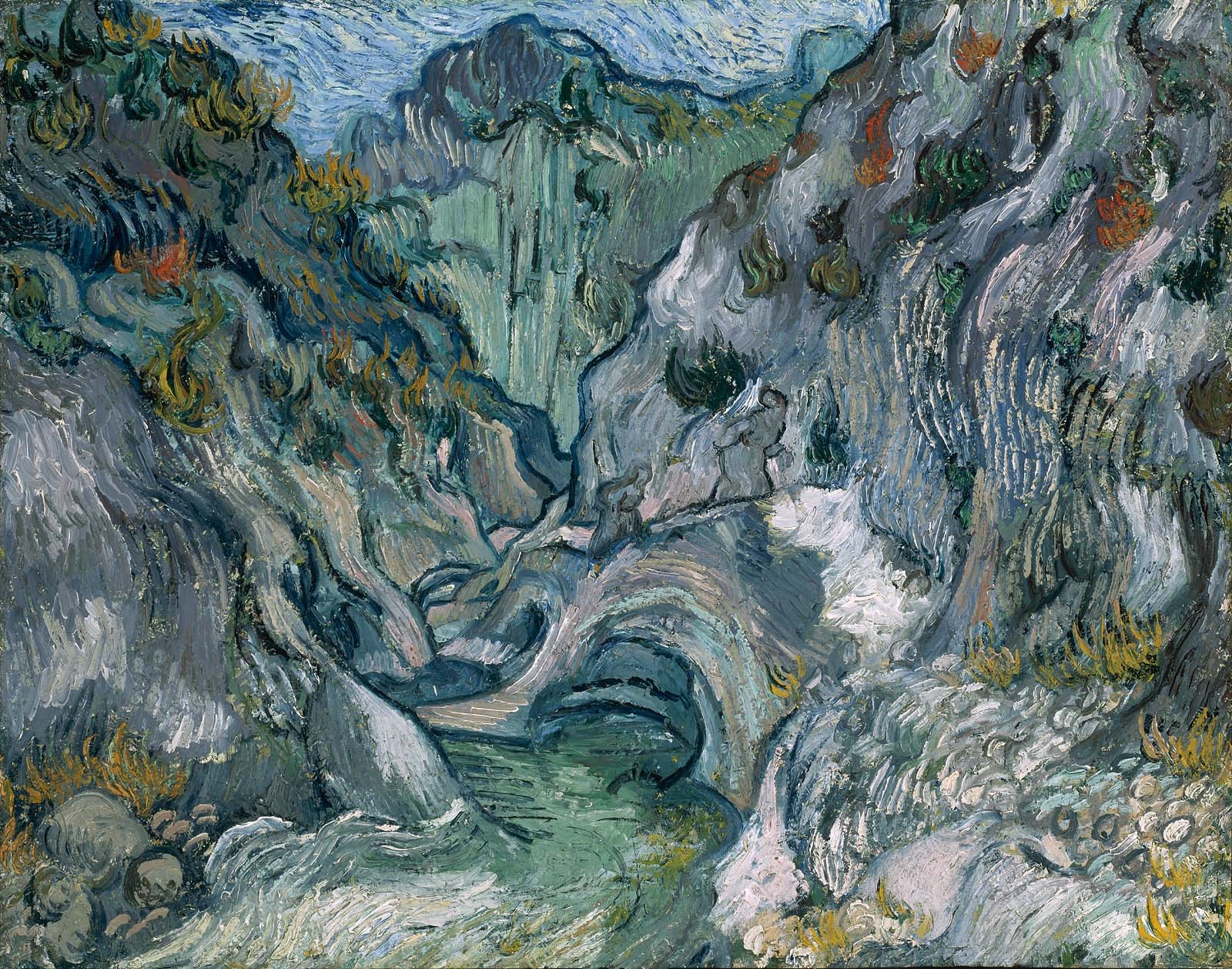
zVincent Van Gogh, Ravine, 1889

Vincent Van Gogh, Ravine, 1889

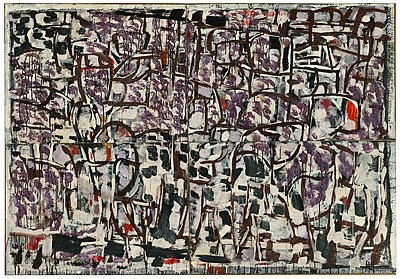
z Ian Fairweather, House By the Sea, 1965

Ian Fairweather, House By the Sea, 1965

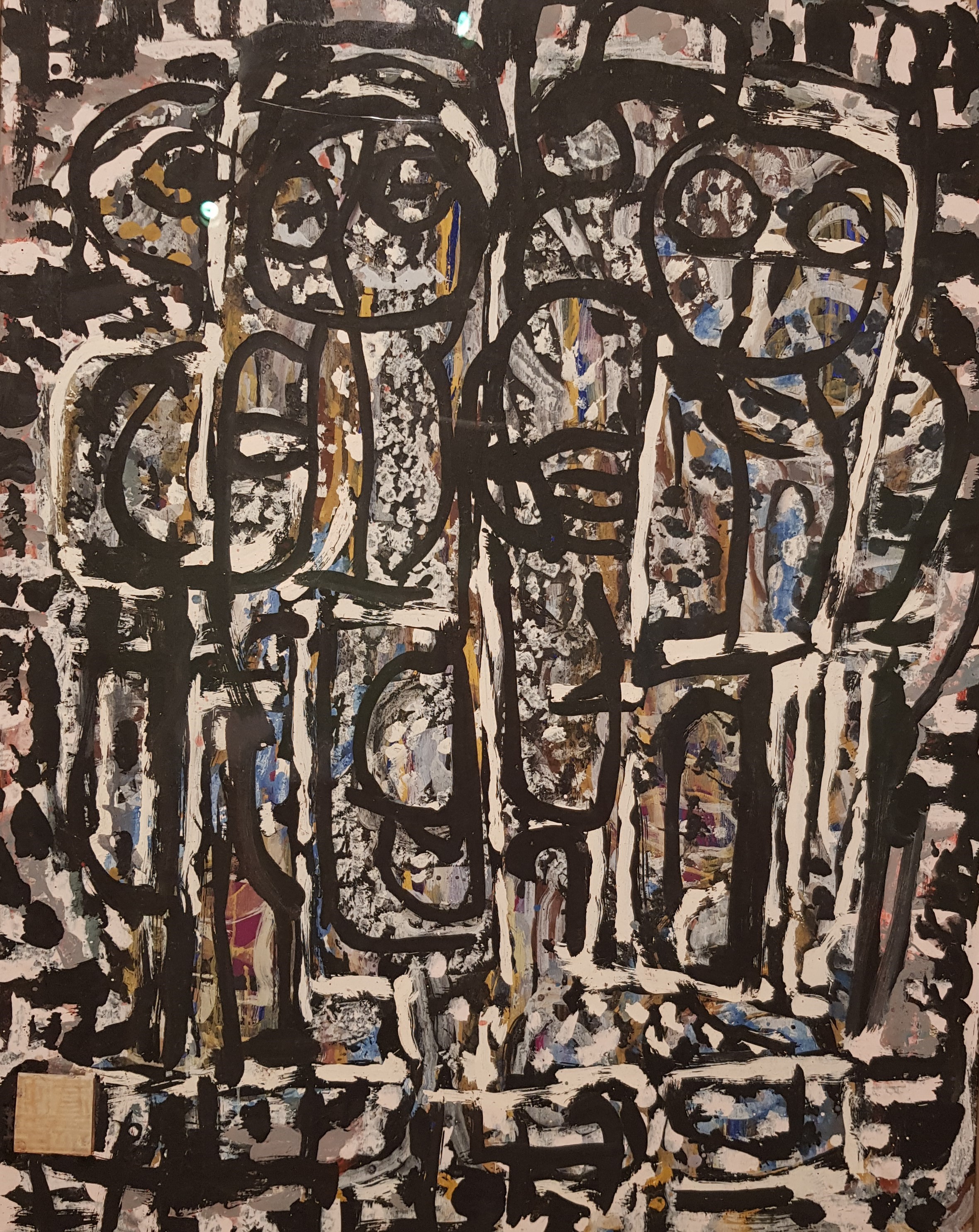
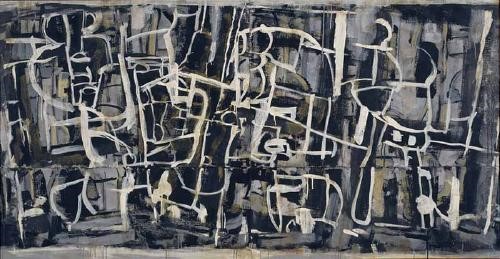
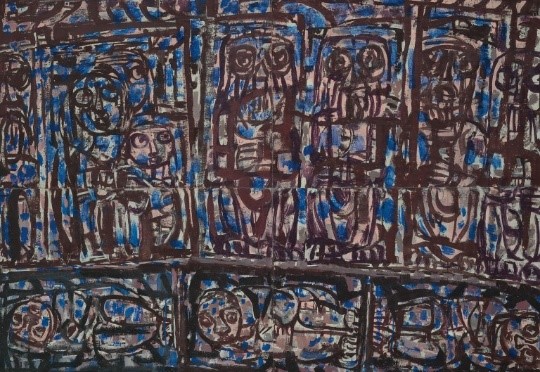
z Ian Fairweather, Standing Figures II, 1967

Ian Fairweather, Standing Figures II, 1967

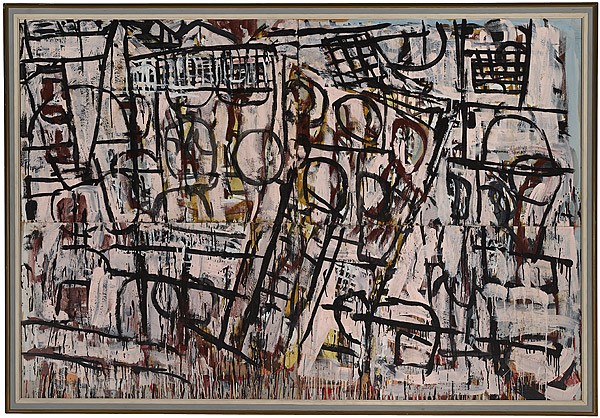
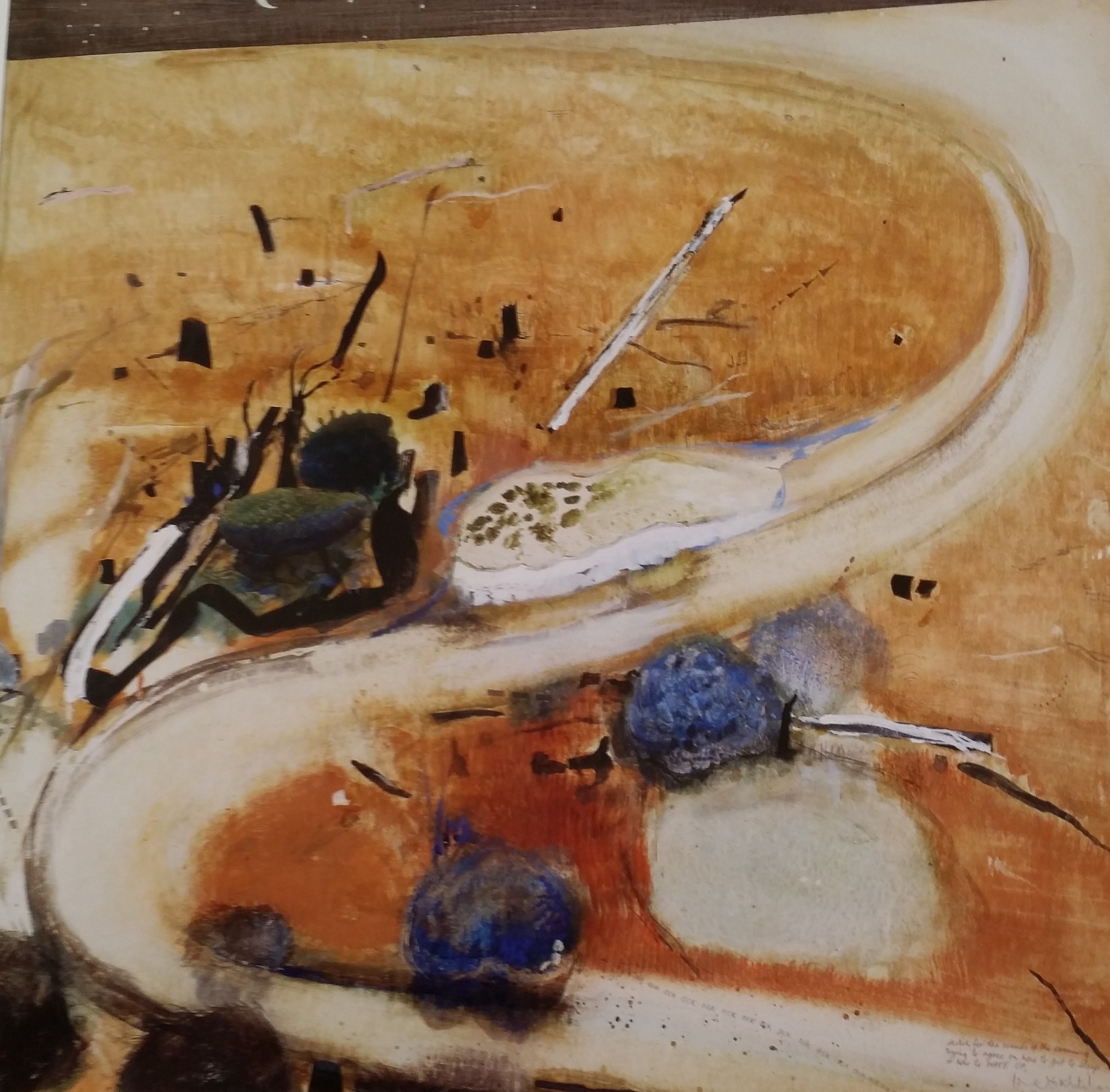
z Brett Whiteley, The Meeting Place, 1981

Brett Whiteley, The Meeting Place, 1981

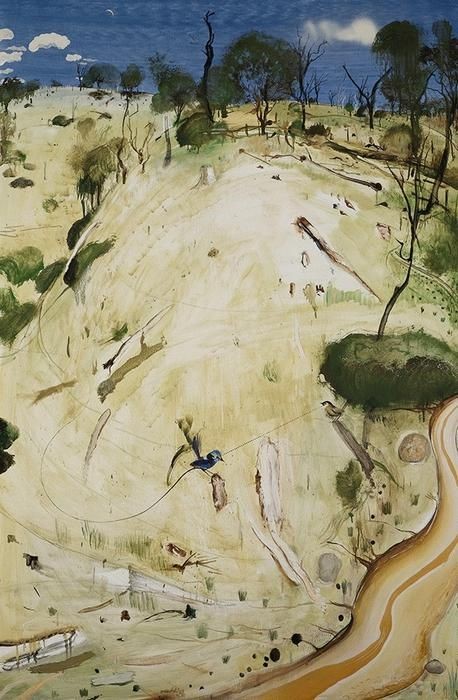
z Brett Whiteley, 8 miles out of Cootamundra 8.28 pm 4.1.84, 1984

Brett Whiteley, 8 miles out of Cootamundra 8.28 pm 4.1.84, 1984

Other references

1 The Compelling Image – Nature and Style in Seventeenth Century Chinese Painting, James Cahill, The Charles Eliot Norton Lectures, 1979

2Brushstrokes: Styles and Techniques of Chinese Painting from the Asian Art Museum Education Department Asian Art Museum – Chong Moon Lee Center for Asian Art and Culture (1995)

The Insiders Guide to China, Derek Maitland, 1989

The Mustard Seed Garden Manual of Painting, 1679-1701. Chieh Tzu Yuan Hua Chuan 1679-1701 (Translated Mai Mai Sze 1956)
The six essentials (Lu Yao) and the six qualities (Lu Chang), Song dynasty (960-1279).
Lu Yao Essentials
First:  Action of the ch’i and powerful brushwork go together
Second:  Basic design should be according to tradition
Third:  Originality should not disregard the li (the principles or essence) of things
Fourth:   Colour (if used) should enrich
Fifth:  The brush should be handled with spontaneity
Sixth:  Learn from the masters but avoid their faults
Lu Chang Qualities
First:  To display brushwork power with good brushwork control
Second:  To possess sturdy simplicity with refinement of true talent
Third: To possess delicacy of skill with vigour of execution
Fourth:  To exhibit originality, even to the point of eccentricity, without violating the li (essence) of things
Fifth:  In rendering space by leaving the silk or paper untouched, to be able nevertheless to convey nuances of tone
Sixth:  On the flatness of the picture plane, to achieve depth and space.

Huang Gongwang, Dwelling in the Fuchun Mountains, 1350 Yuan dynasty
Essay by Hung Sheng.


China – Art and Travel

A recent exhibition Heaven and earth in Chinese art: treasures from the National Palace Museum, Taipei, AGNSW, sent me back to the art books and travel journal of a three week trip around China mid-September to early October 1991 with my Chinese brush painting art group. A grand tour, a time before the great economic expansion of the following decades. After several years of weekly classes in Chinese brush painting to be in the landscape of the origin of the tradition was an immense learning experience.
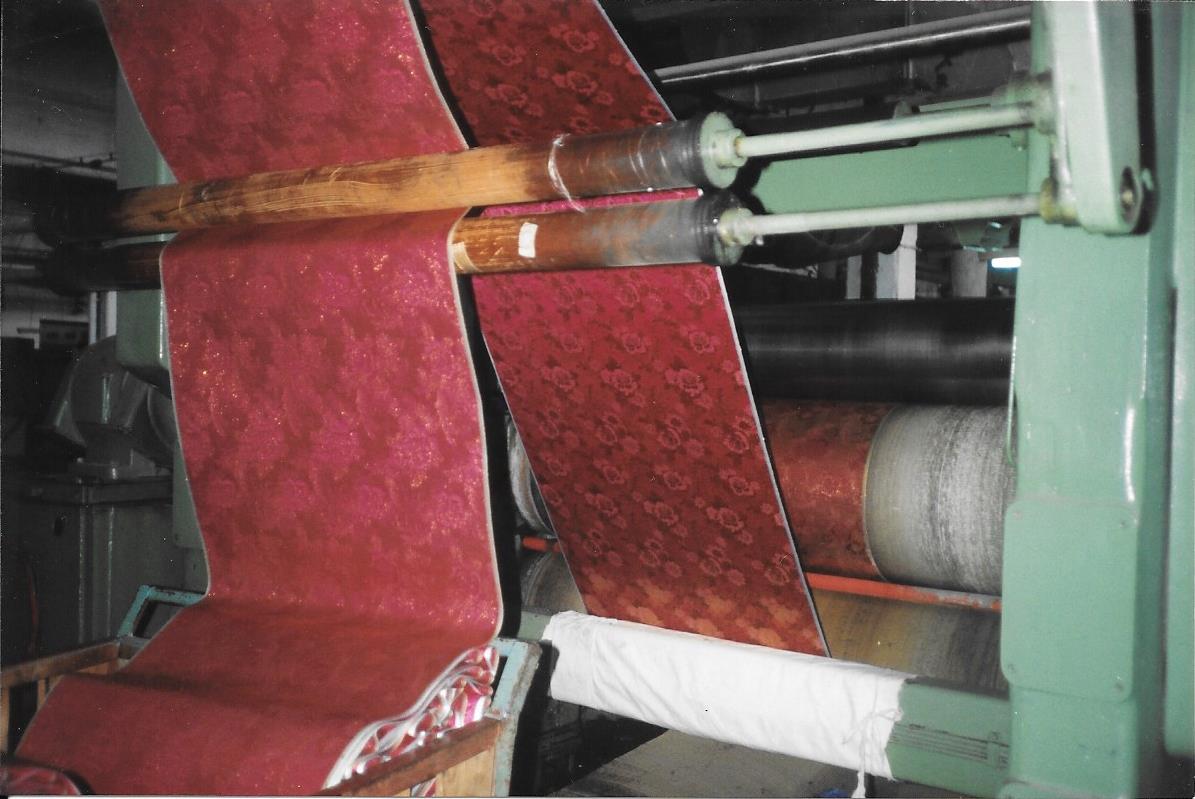
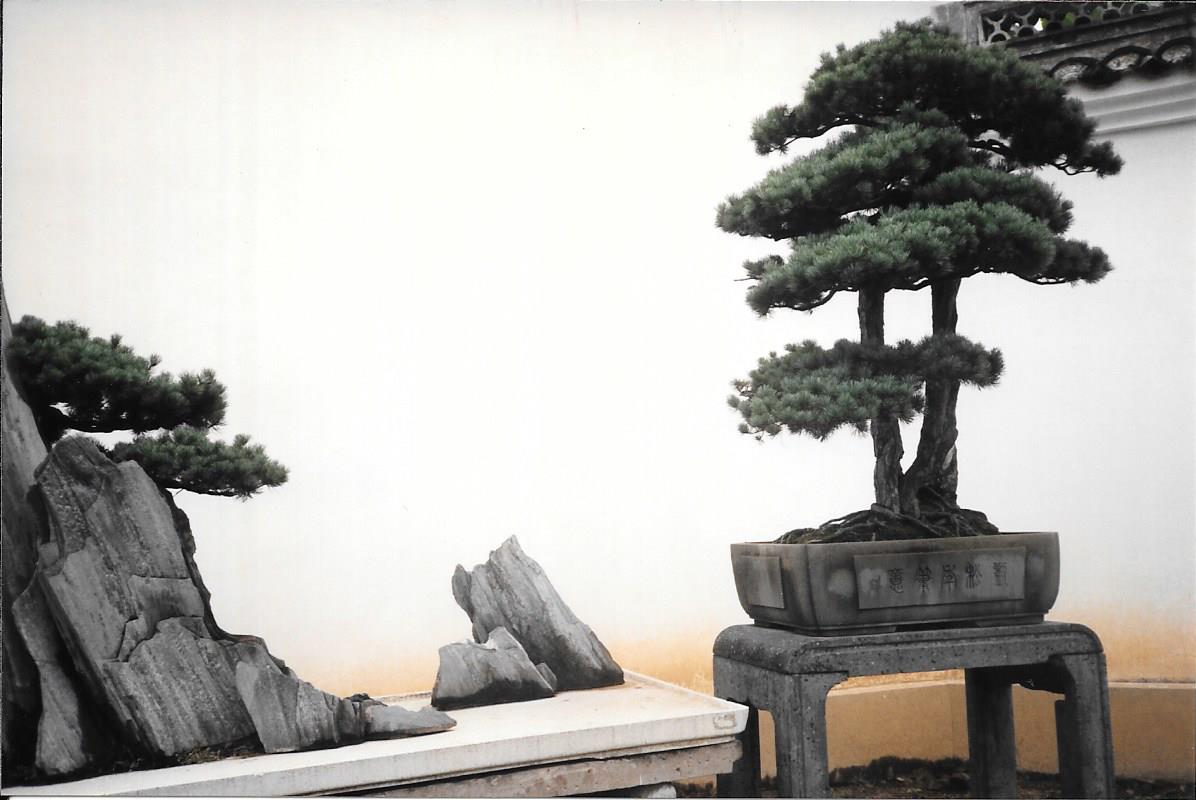
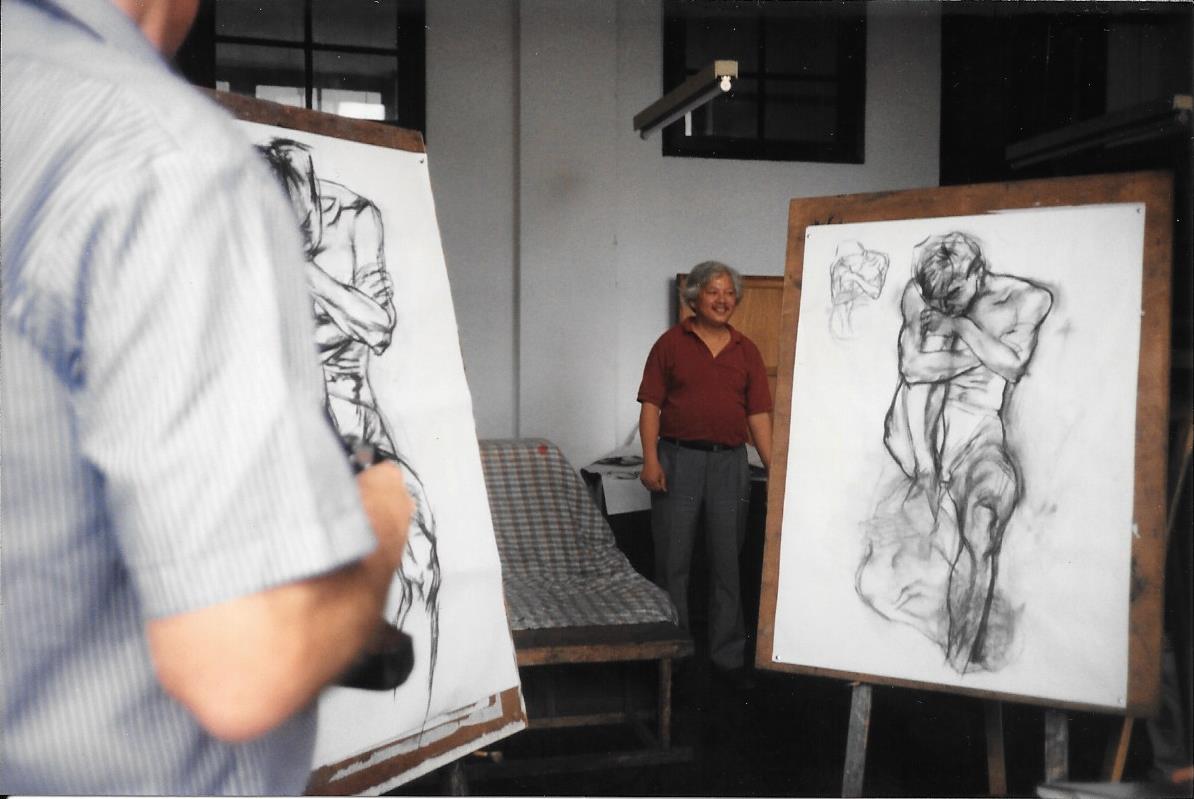
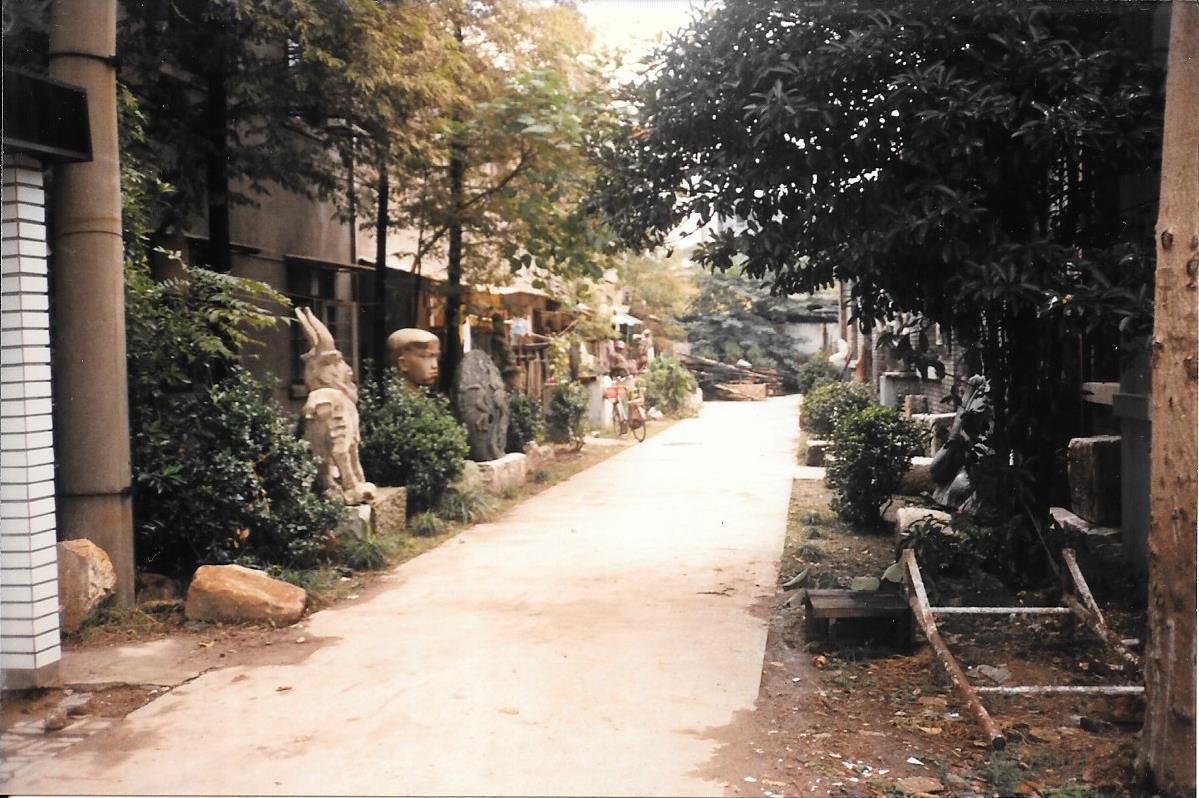
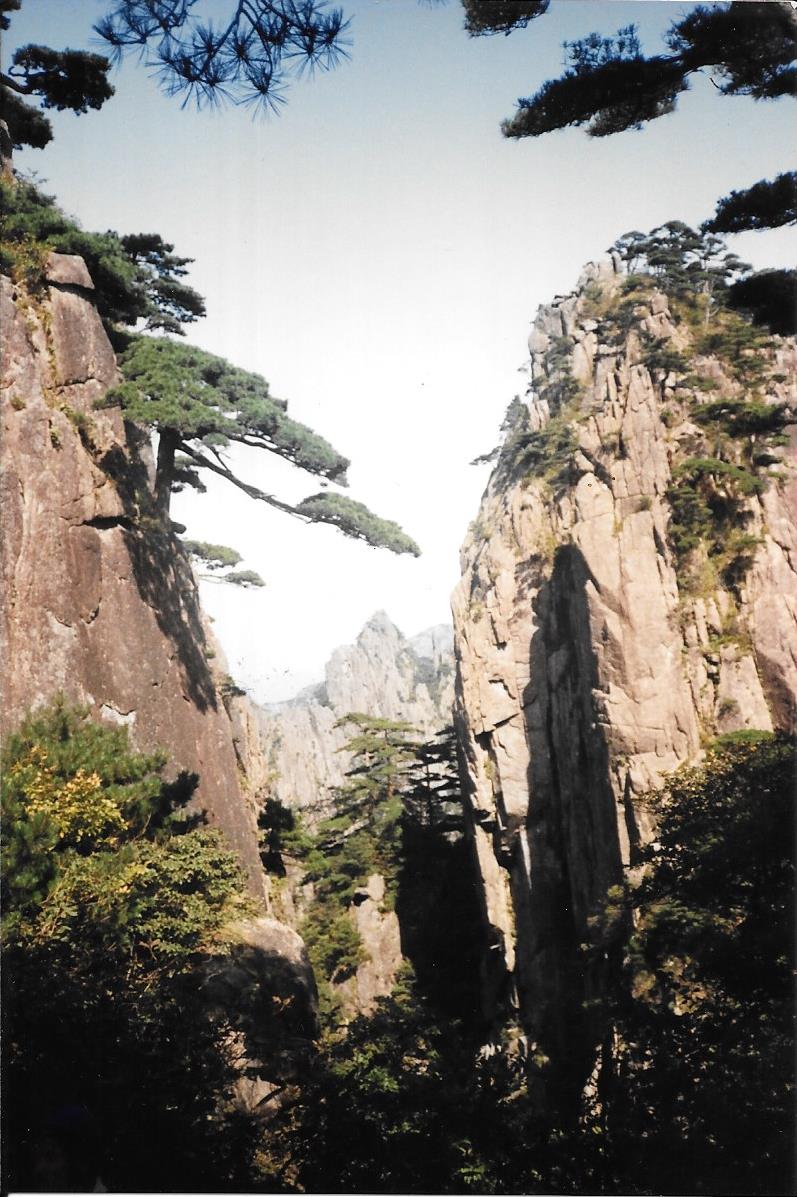
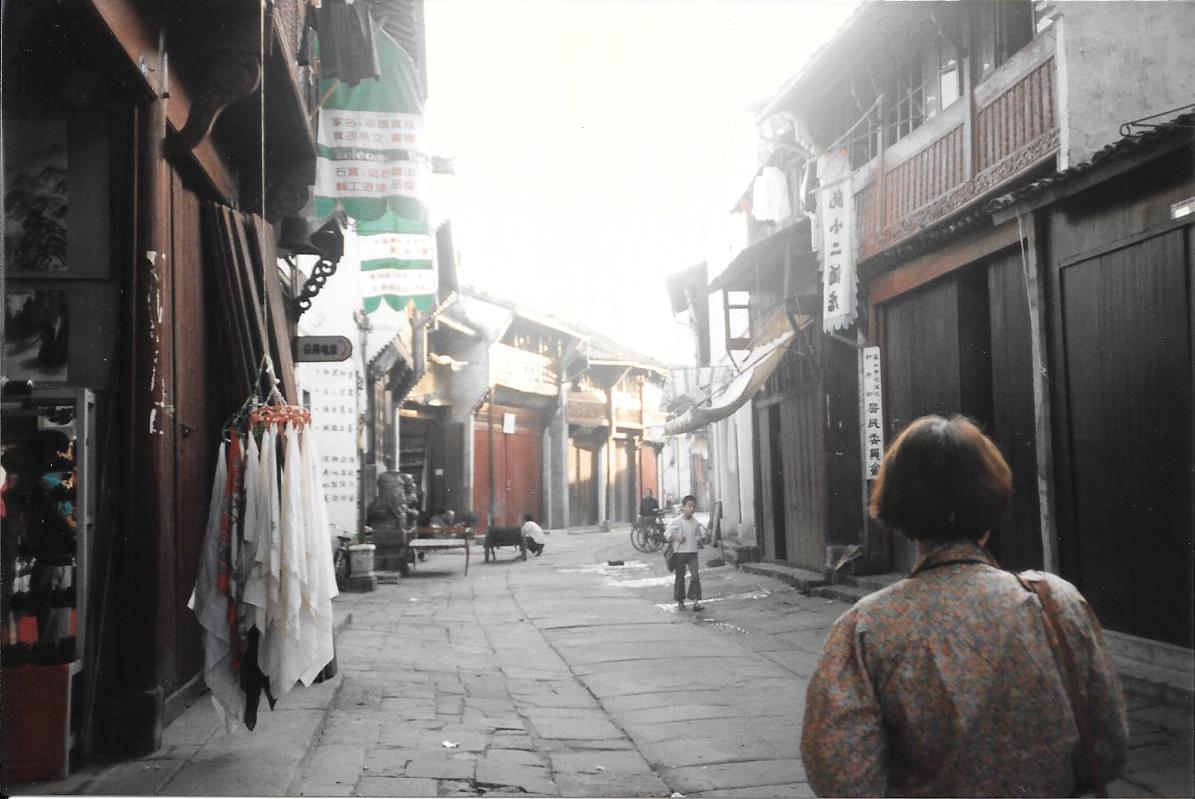
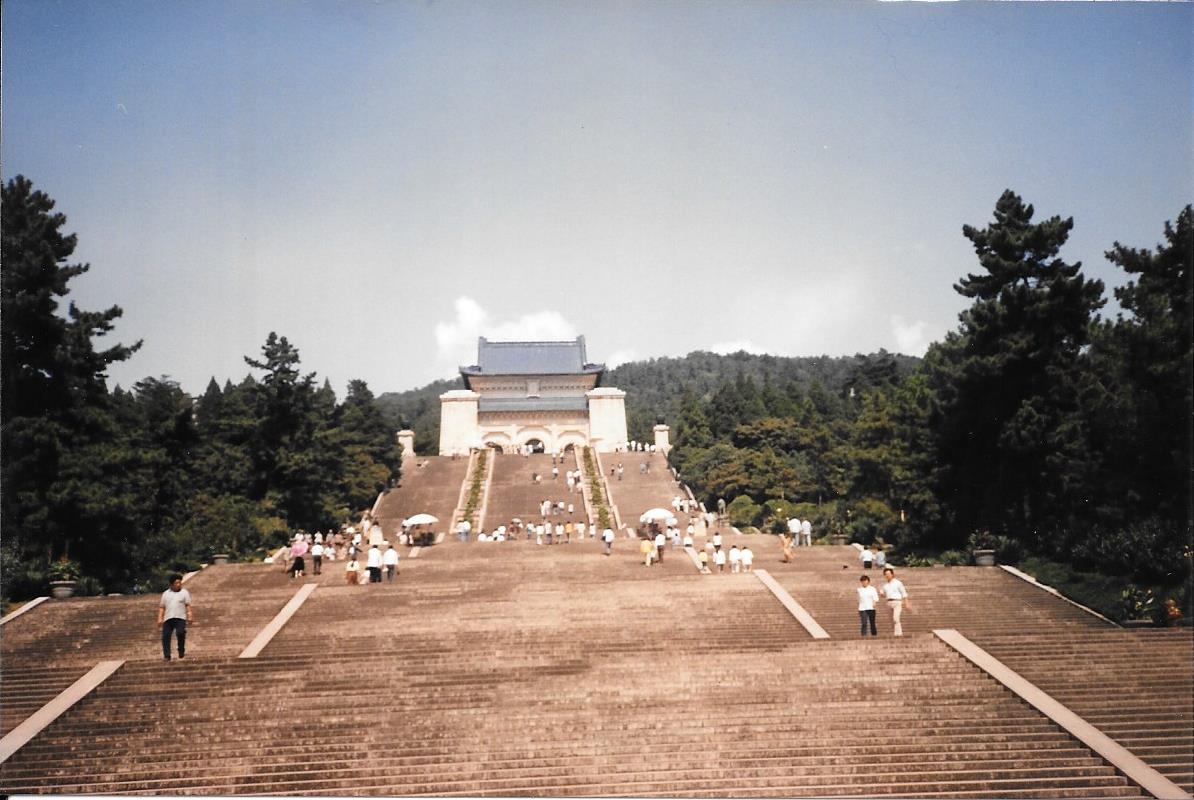
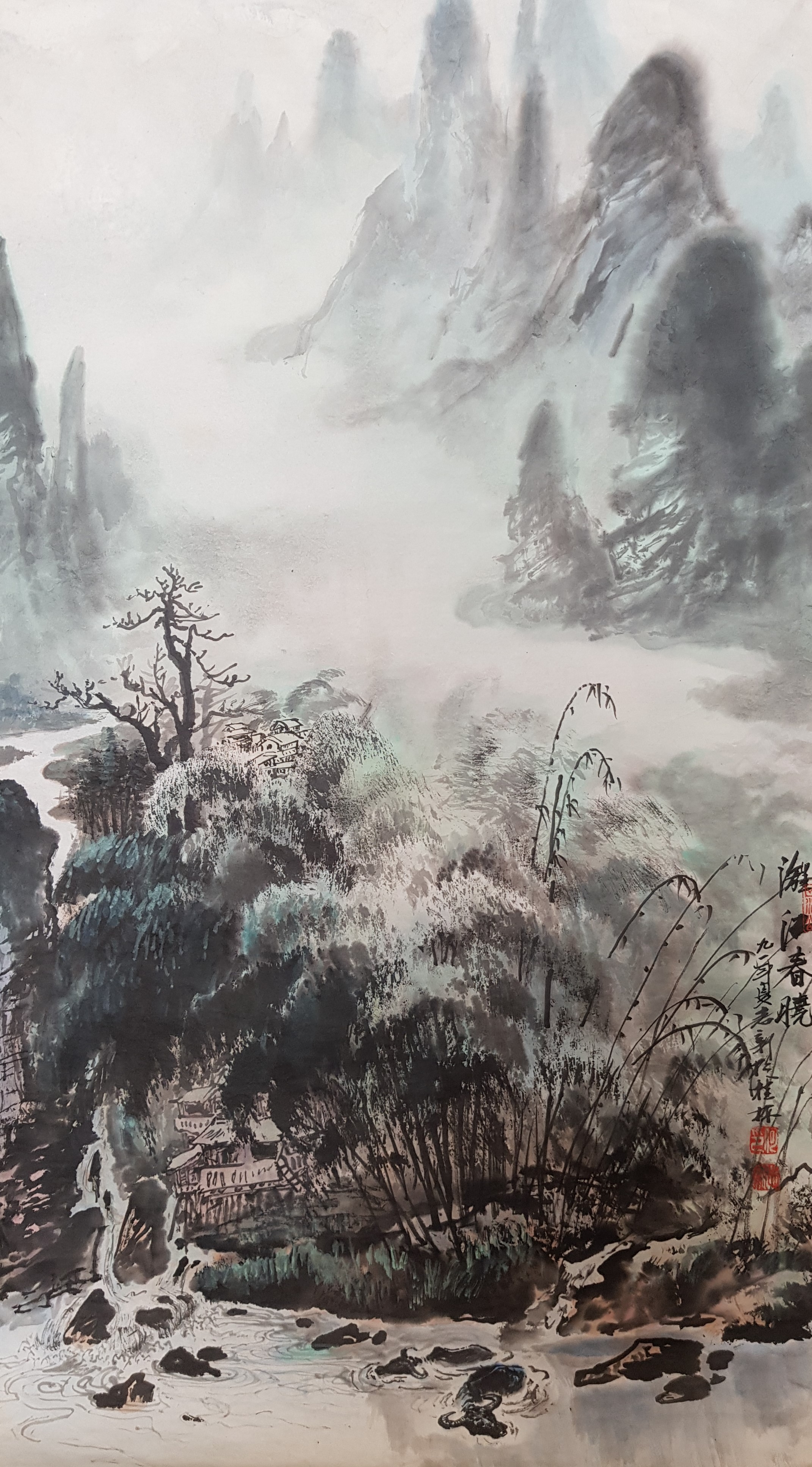
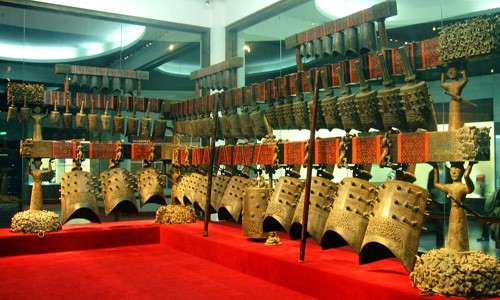
Arrived in Hong Kong early evening, walk along Nathan Road to get some bearings for the return visit at the end of three weeks touring. Next day train to Guangzhou, worth some slow travel time to take in the countryside. In Guangzhou visits to a jade carving factory, an historic family residence, then evening flight to Hangzhou. Next day morning tour of the West Lake in pouring rain, afternoon visit to silk factory and tea plantation where I acquired a taste for green tea to this day, like savouring fine wines. Next day morning visit to Zhejang Academy of Fine Arts, life drawing and calligraphy classes in progress, impressive students’ works in the sculpture gallery. Then onto the bonsai park, some plants hundreds of years old. Apparently according to the guide, Richard Nixon, US President in early 1970s historic visit, made an offer for one of the plants but told it was not for sale as considered priceless by the custodians. Afternoon at the shrine of Yue Fei then onto craft centre and department store. Walk along the causeway after dinner, Autumn moon over the West Lake, art galleries along the way. Next day flight to Huangshan, and cable car up the mountains for an overnight stay. Spectacular scenery, ragged mountains with pines exactly as represented in so many classical Chinese paintings. Stunned to see building materials, doors, windows, pipes, roofing tiles, being carried by hand up the mountain paths while we glided by in the cable car. The workers at the top issued with a bowl of noodles and cup of tea as payment for their labour. Up early to see dawn through the clouds and mists over the pine covered mountains, special experience, then walked for most of the morning before the trip back down the mountains by cable car. Then bus to Tunxi and a walk along the river in the evening, fantastic old wooden buildings. Before breakfast the next day walk in to the old part of Tunxi, old man appeared brandishing a straw broom to ward of the Western ghosts and witches, then flight to Nanjing, visit to Sun Yatsen Mausoleum, the Linggu Temple, and the Yangtze River Bridge followed by evening flight to Beijing. Next day, morning tour of the Imperial Palace (Forbidden City), onto the Temple of Heaven in the afternoon, followed by shopping for art supplies in Liulichan Street for the four treasures: brushes, paper, ink sticks, ink stones. Superb performance after dinner in local theatre, acrobats, gymnasts, and a magic show. Next day Ming Tombs and the Great Wall. Nothing prepares you for the experience of encountering the scale of the Great Wall for the first time, it snakes its way into the far distance along the steepest ridgelines. Next day Beijing Central Academy of Fine Arts in the morning, Summer Palace in the afternoon. Next day flight to Wuhan, walk in the rain to the East Lake to the Provincial Museum, stunning bronzes, musical performance on ancient musical instrument: bells, gongs, jade chimes, the Marquis Yi Bell Set dated from the Warring States Period 433BC. Overnight train to Yichang. Next day boarded ship mid-morning for a three day Yangtze River cruise through the famous Three Gorges (now partially flooded for hydro- electricity). Awe inspiring scenery through the first main gorge Xiling Gorge. At anchor overnight. Next day travelled through the Wu Gorge early morning, then full day side trip up to the Daling River in small wooden boats, and the three small gorges, stunning villages, wooden houses along the way. Late evening sailed through Qutang Gorge, third main gorge. Next day stopped at Wan Xian village, brief visit to museum and silk factory, then back to the ship. In the afternoon stopped at Shibaozhi, very old village, temples, then captain’s dinner that evening. Our guide revealed his immense talent when he sang operatic version of Rod Stewart’s ‘Sailing’, everyone in awe of our multi skilled talented guide. Next day ship delayed by fog, full day on board some time for some sketching. Arrived Chongqing at sunset, huge river harbour. Time for some shopping where I bought a must have traditional Mongolian outfit made of heavy silk with brass ornaments, when walking it makes the sounds of the steppes. Early morning flight to Guilin, visit to the Reed Flute Caves, Seven Star Park, climb to the peak. A folk concert after dinner, guy in a barrel juggling pots, and a dance of the Sweet Osmanthus fairies. Next day cruise along the Li River with local artist, who was with us for the full day, painting the scenery along the way. On the bus on the way back he auctioned off paintings he had brought along with him, spirited bidding, he did well (see work below Spring, Guilin). Bade emotional farewell to our guide at the airport for late evening flight to Hong Kong. Next day tour of Hong Kong Island, cable car to Victoria Peak, then visit to Stanley markets, and a jewellery factory like Aladdin’s cave. Stopped off at Aberdeen and a brief ride on a san pan. Then some shopping but too much and gave up. Next day Star Ferry to Hong Kong Island, walk around the small side streets, then lunch at the Hong Kong Jockey Club. Train back to hotel and late evening flight back to Sydney, savouring the experience and knowledge gained about the breadth and depth of Chinese culture, addicted to ink painting ever since.

Places
Hong Kong, Southern China (returned to China from Britain in 1997)
Guangzhou, province of Guangdong in southern China
Hangzhou, Zhejiang Province in East China
Huangshan, mountain range in southern Anhui province in eastern China
Tunxi, central district of Huangshan City, Anhui Province, eastern China.
Nanjing, capital of Jiangsu province, the second largest city in the East China region
Beijing, China’s capital city, northern China
Wuhan, capital of Hubei province, Central China
Yichang, western Hubei province, Central China (location of Three Gorges Dam, completed 2012)
Yangtze River – Yichang to Chongqing – the three gorges
Chongqing, southwest China
Guilin, Guangxi Zhuang Autonomous Region, South China

910917 1 West Lake Hangzhou

West Lake, Hangzhou, 17/9/1991

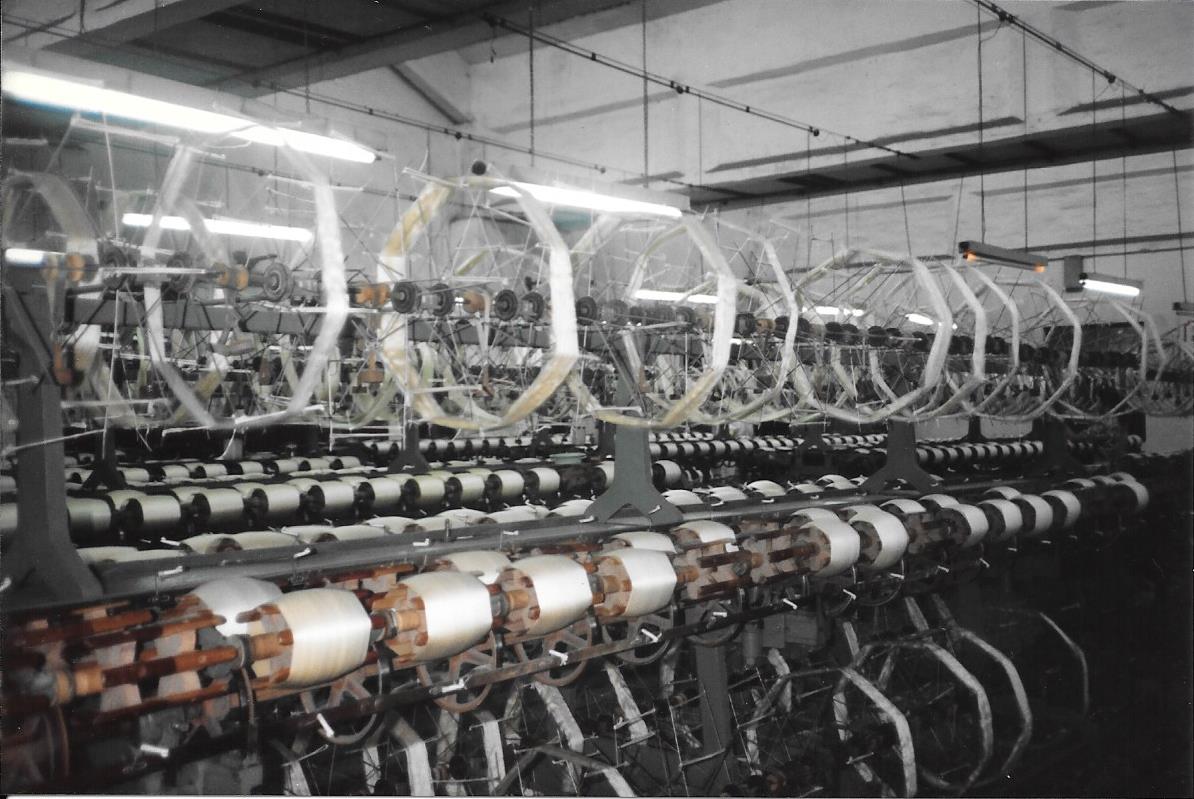
910917 Silk Factory spinning Hangzhou

Silk Factory, spinning, Hangzhou, 17/9/1991

910917 Silk Factory weaving Hangzhou

Silk Factory, weaving the finest silk brocade, Hangzhou, 17/9/1991

910918 Bonsai Park Hangzhou

Bonsai Park, Hangzhou, 18/9/1991

910918 Life drawing class in progress, Zhejang Academy of Fine Arts Hangzhou

Life drawing class in progress, Zhejang Academy of Fine Arts, Hangzhou, 18/9/1991

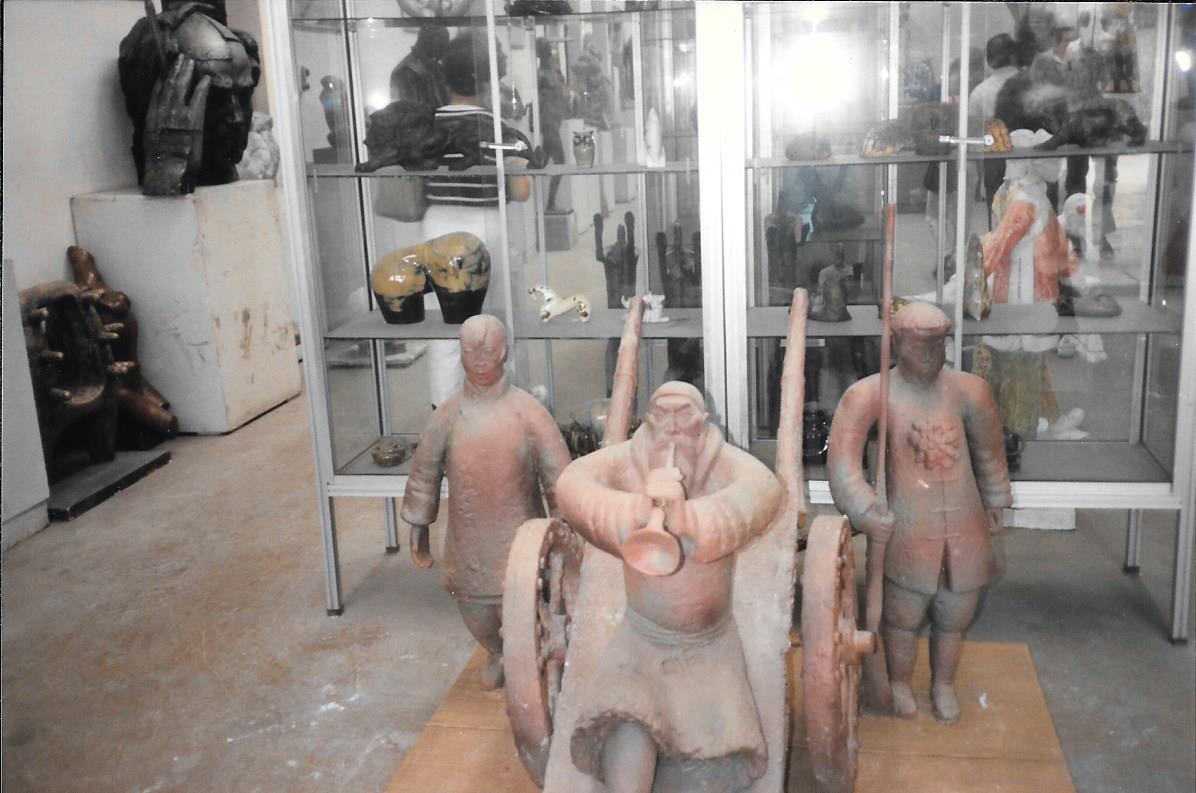
910918 Outdoor Sculpture Gallery, Zhejang Academy of Fine Arts Hangzhou

Sculpture Gallery, Zhejang Academy of Fine Arts, Hangzhou, 18/9/1991

910918 Sculpture Gallery, Zhejang Academy of Fine Arts Hangzhou

Sculpture Gallery, Zhejang Academy of Fine Arts, Hangzhou, 18/9/1991

910919 Huangshan

Huangshan, 19/9/1991

910921 1 Tunxi

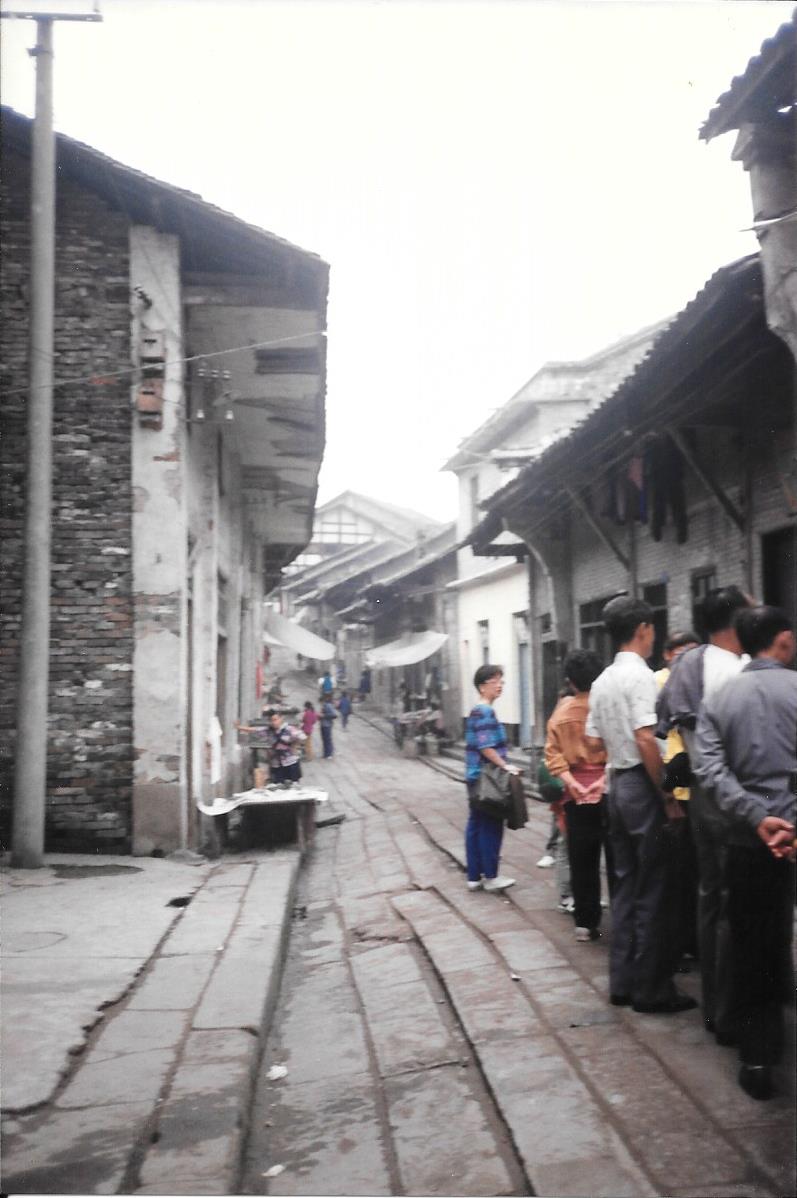
Tunxi, 21/9/1991

910921 2 Sun Yatsen Mausoleum Nanjing

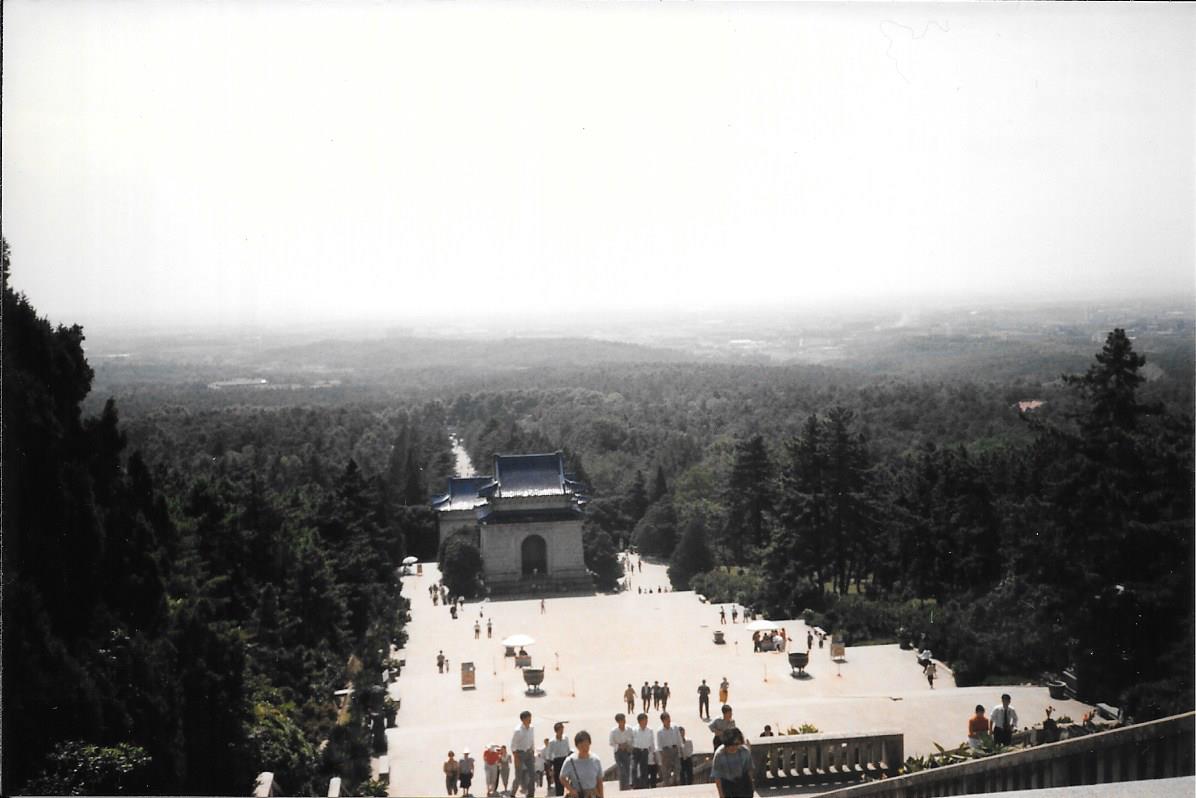
Sun Yatsen Mausoleum, Nanjing, 21/9/1991

910921 3 from Sun Yatsen Mausoleum Nanjing

View from Sun Yatsen Mausoleum, Nanjing, 21/9/1991

910921 Yangtze River Bridge Nanjing

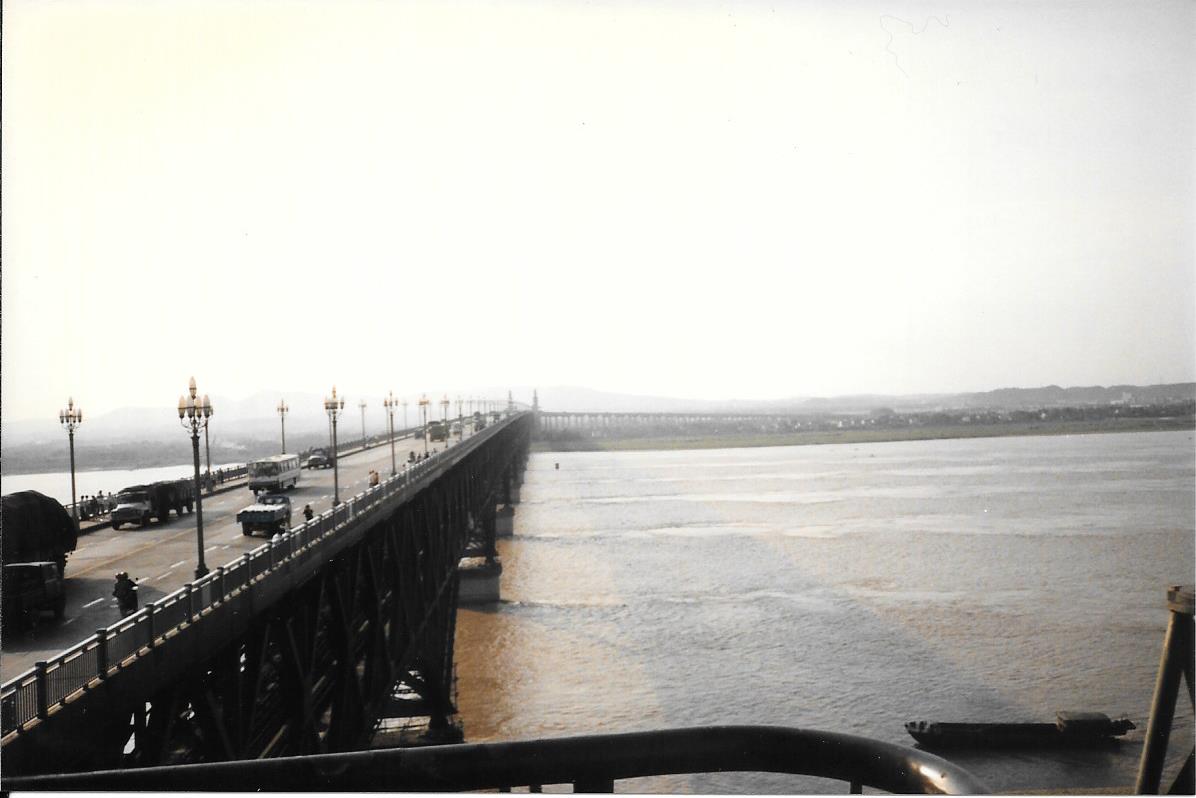
Yangtze River Bridge, Nanjing, 21/9/1991

910922 1 Forbidden City Beijing

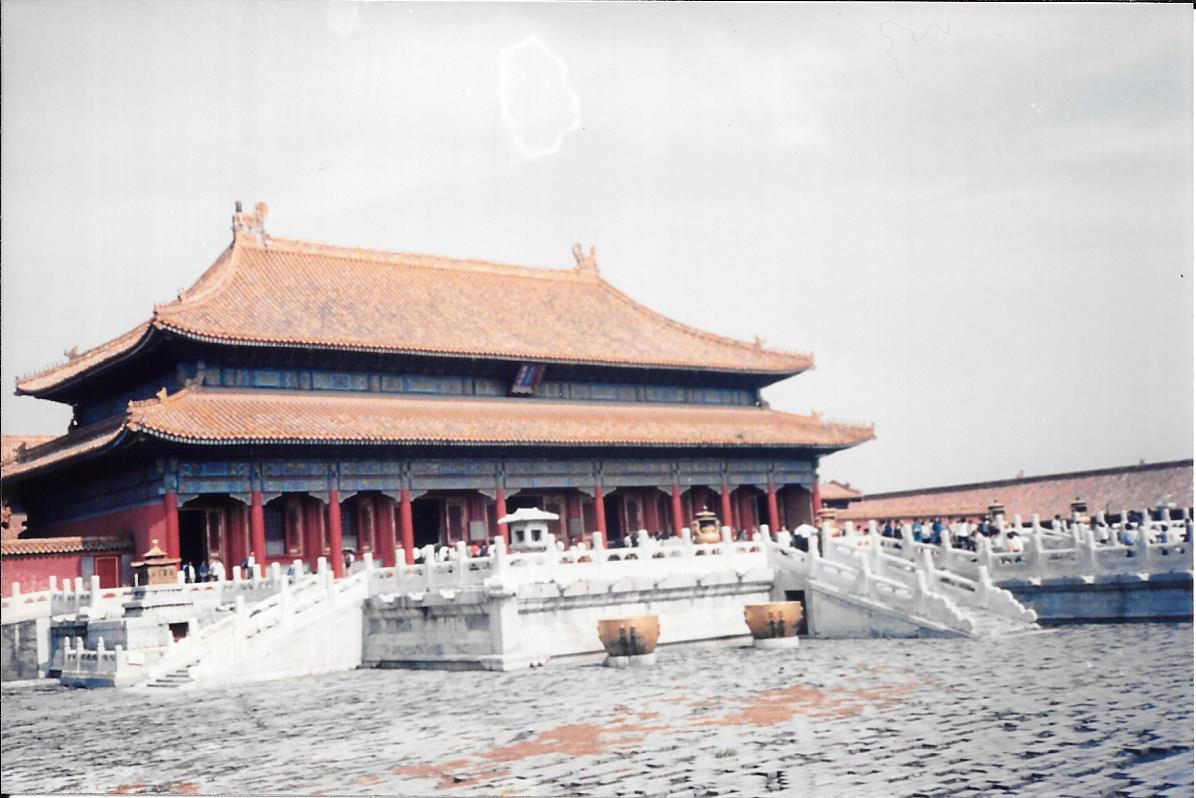
Imperial Palace (Forbidden City), Beijing, 22/9/1991

910922 2 Forbidden City Beijing

Imperial Palace (Forbidden City), Beijing, 22/9/1991

910922 Temple of Heaven Beijing

Temple of Heaven, Beijing, 22/9/1991

910923 Great Wall at Badaling

The Great Wall at Badaling, 23/9/1991

910924 landscape painting demo Central Academy of Fine Arts Bei

Central Academy of Fine Arts, Beijing, 24/9/1991

910924 Liulichan Street Beijing

Shopping for art supplies, Liulichan Street, Beijing, 24/9/1991

910924 Summer Palace Beijing

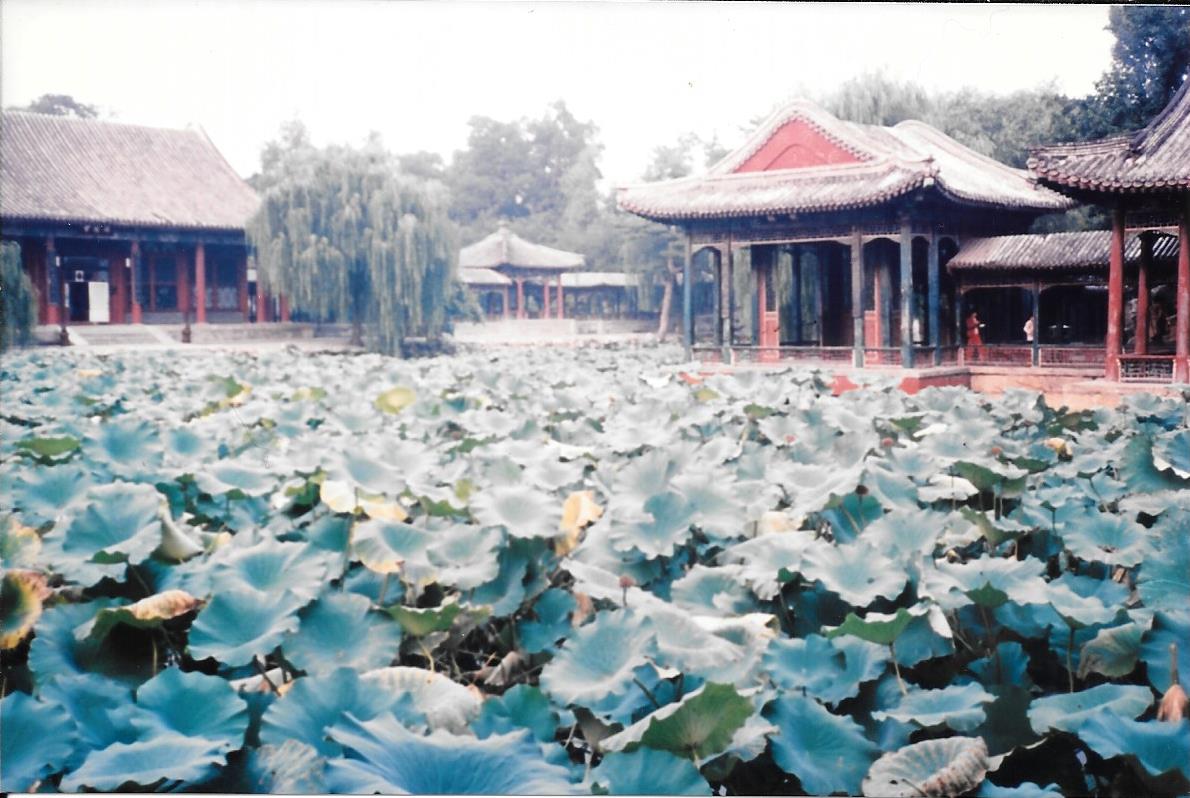
Summer Palace, Beijing, 24/9/1991

910926 entering the first Gorge Yangtze River

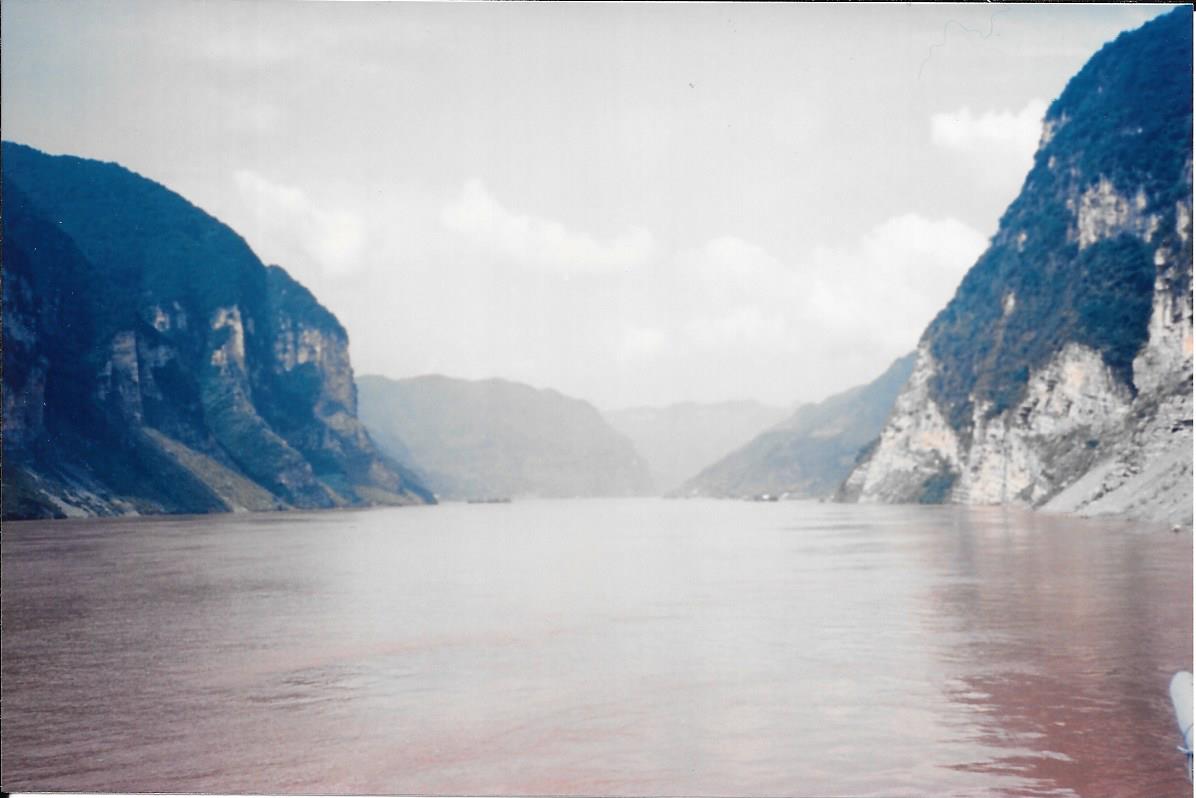
Entering Xiling Gorge, Yangtze River, 26/9/1991

910927 Daling River off the Yangtze River

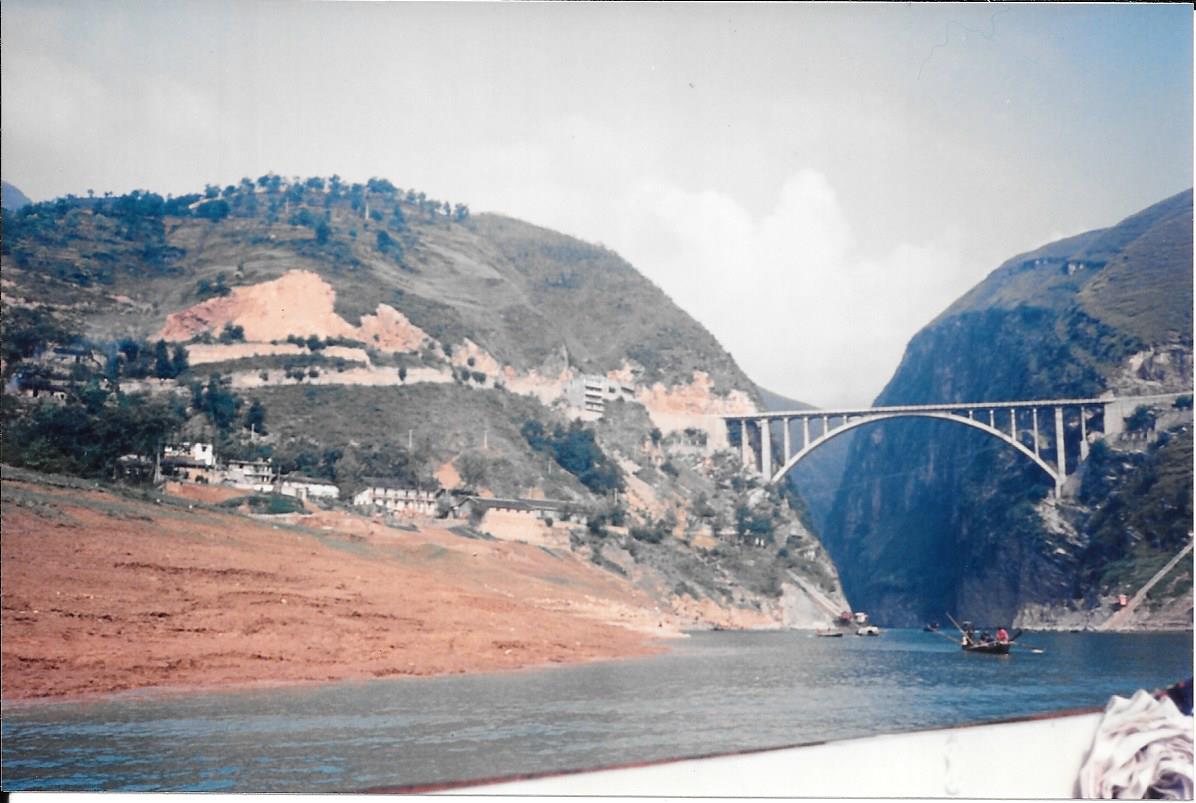
Daling River, off the Yangtze River, 27/9/1991

910928 Shibaozhi Yangtze River

Shibaozhi, Yangtze River, 28/9/1991

910930 Guilin

Guilin, 30/9/1991

911001 Li River Guilin

Li River, Guilin, 1/10/1991

Spring Guilin, Mr He 1991 0

Spring, Guilin, by Mr He, local artist, 1991

911003 Hong Kong

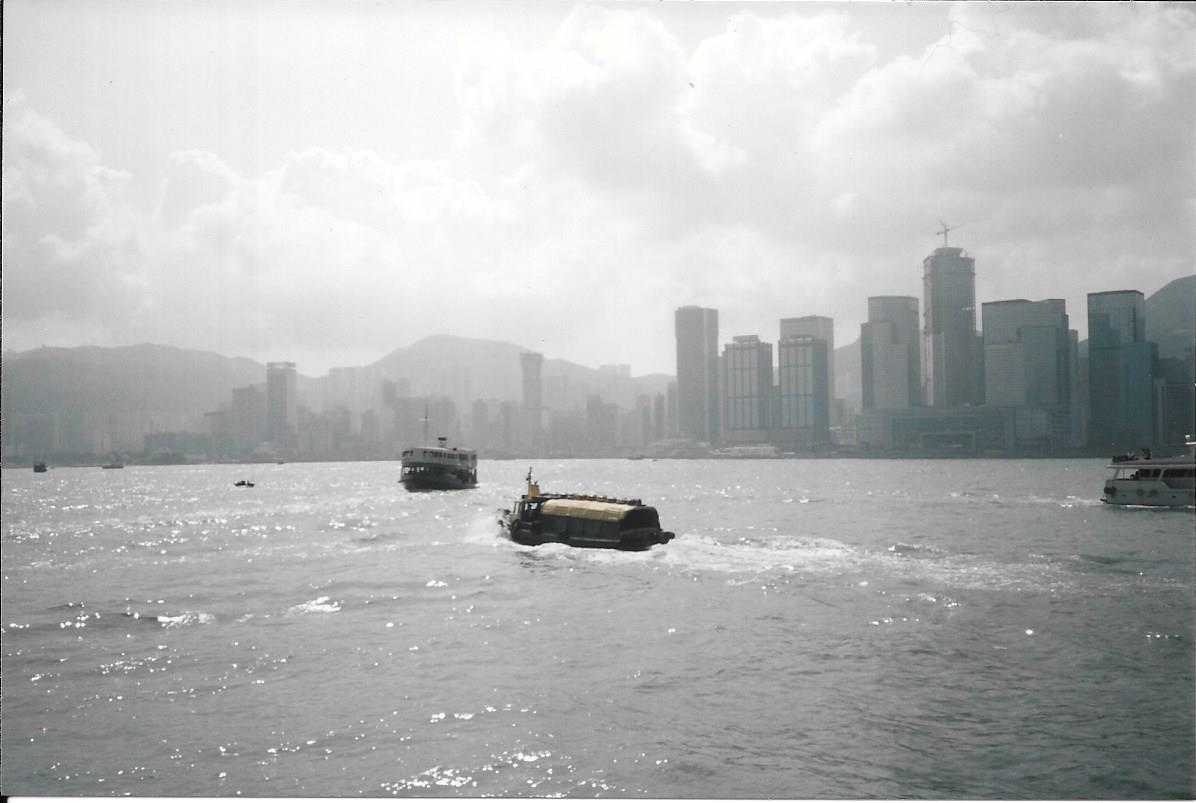
Hong Kong, 3/10/1991

Art References
 

Marquis Yi Bell Set, Warring States Period, 433 BC

Marquis Yi Bell Set, Warring States Period, 433 BC, Hubei Provincial Museum in Wuhan.

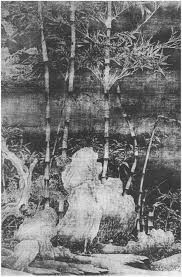
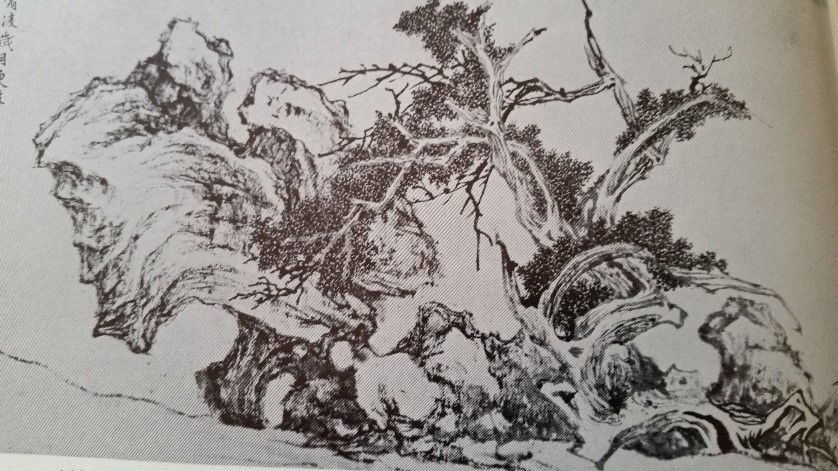
Bamboo, Old Trees, and Stones in Winter,

Bamboo, Old Trees, and Stones in Winter, Unknown master of the Five Dynasties, or early Sung period, 10th century

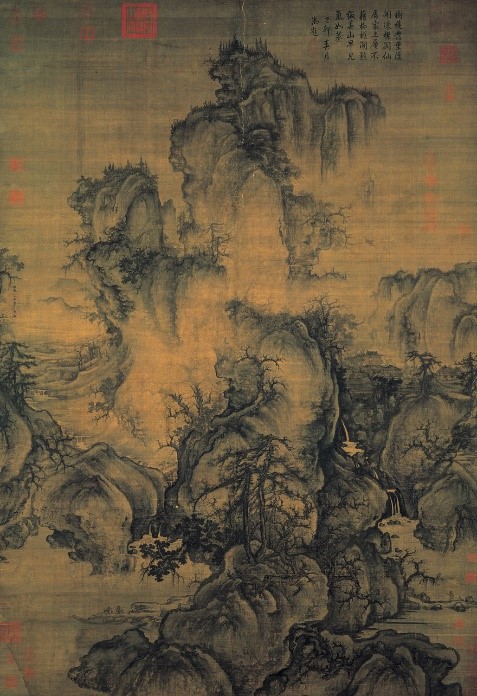
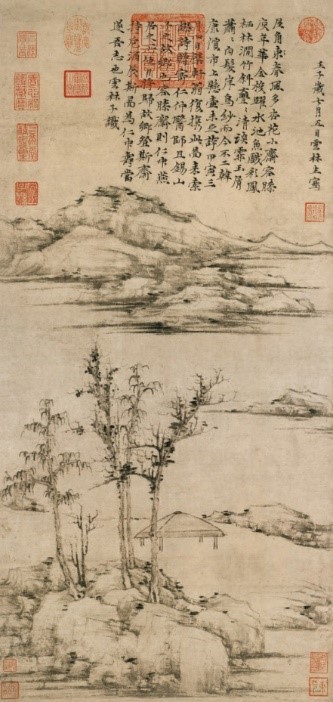
Kuo Hsi Early Spring, 1072

Kuo Hsi Early Spring, 1072 (Song Dynasty)

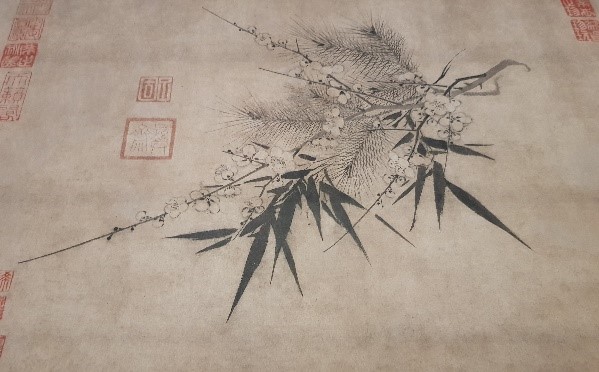
Zhao Mengjian, Three friends of Winter

Zhao Mengjian, Three friends of Winter, 1199-1264 (Song Dynasty)

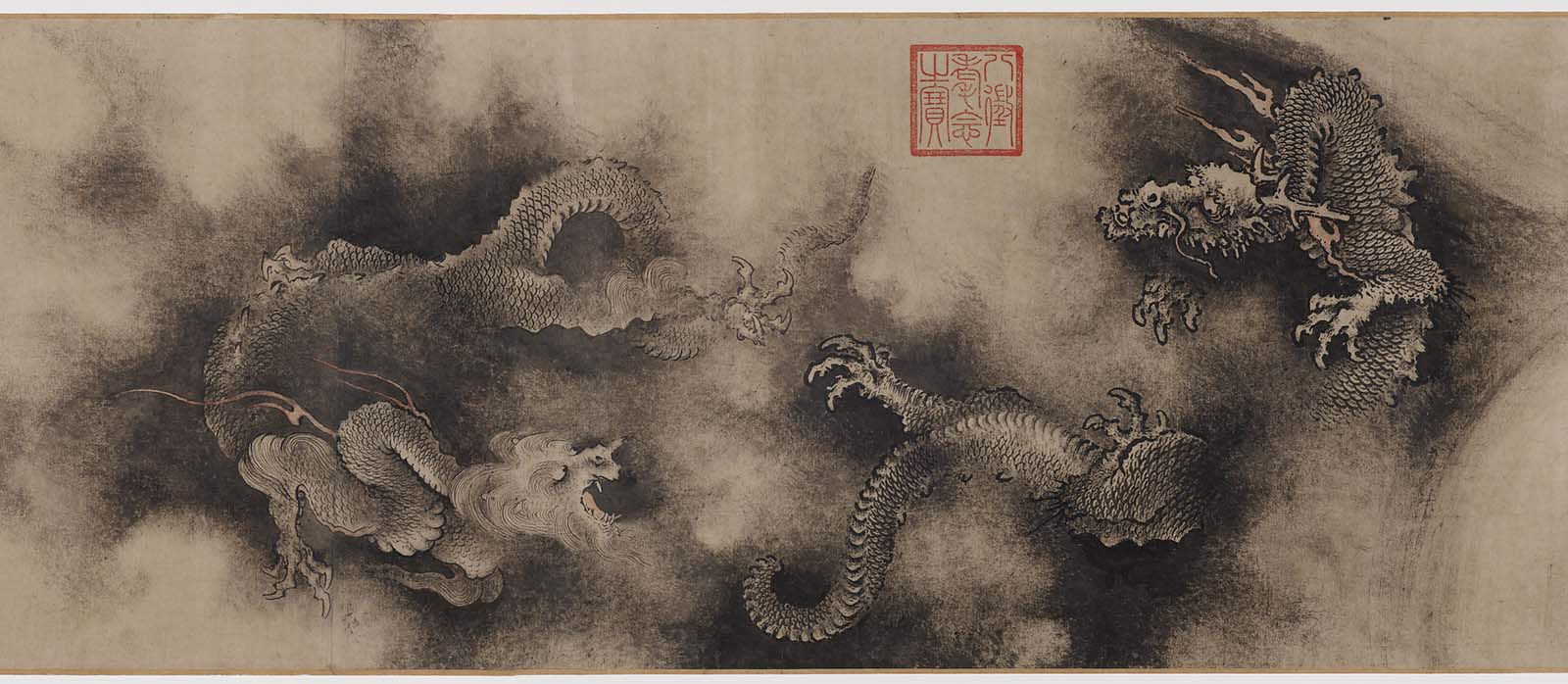
Chen Rong, Nine Dragons, 1244

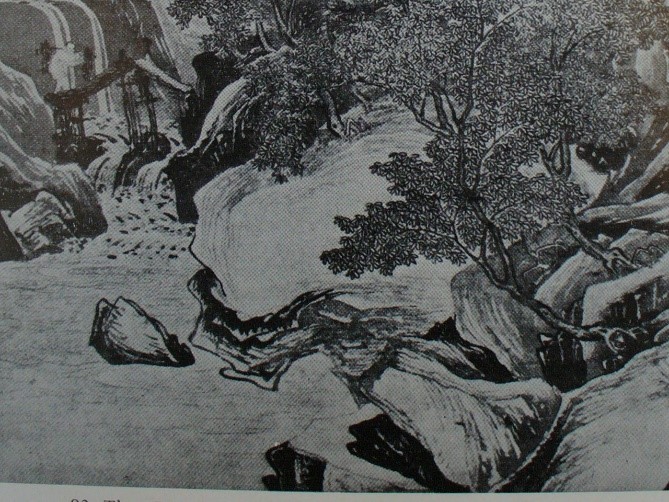
Chen Rong, Nine Dragons, 1244 (Southern Song Dynasty) (detail)

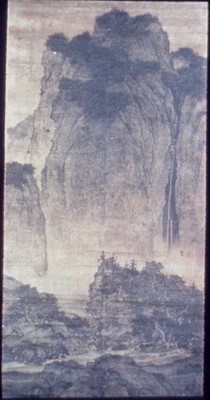
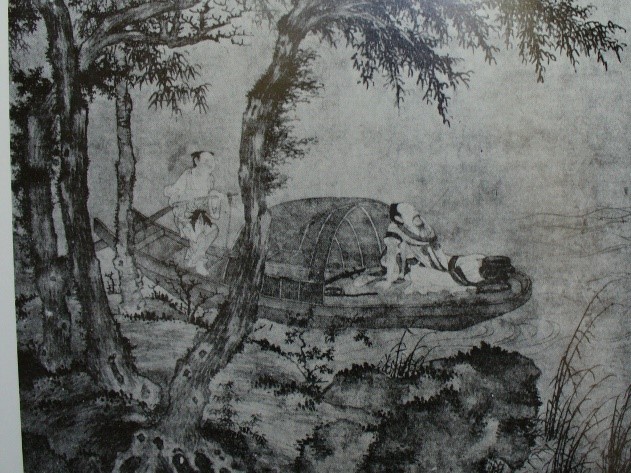
Sheng Mou Singing While Boating on the Autumn River, 1279-1368

Sheng Mou Singing While Boating on the Autumn River, 1279-1368 (Yuan Dynasty during the Mongol reign of terror)

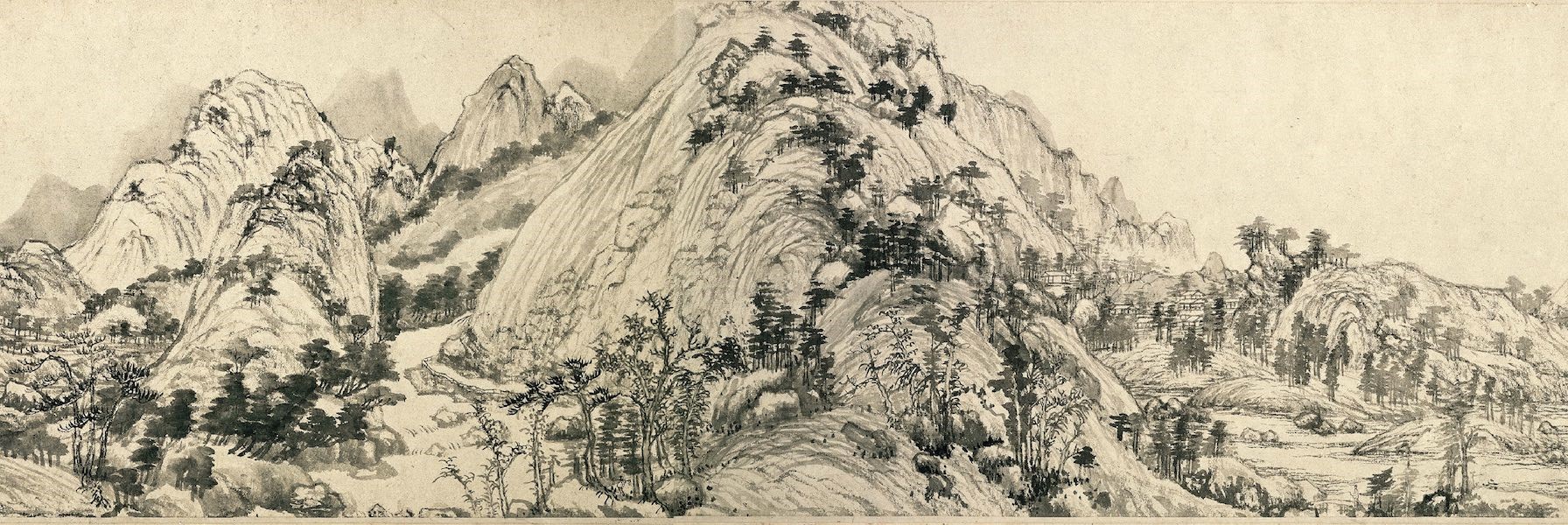
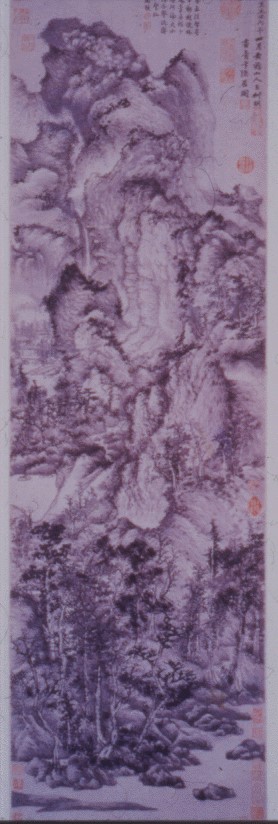
Huang Gongwang, Dwelling in the Fuchun Mountains, 1350

Huang Gongwang, Dwelling in the Fuchun Mountains, 1350 Yuan dynasty (detail)
“The Master Wuyong Scroll,” section National Palace Museum in Taipei, 636.9 centimetres (nearly 21 feet).

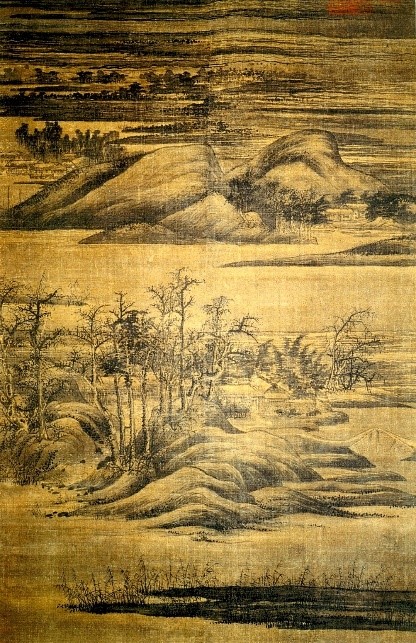
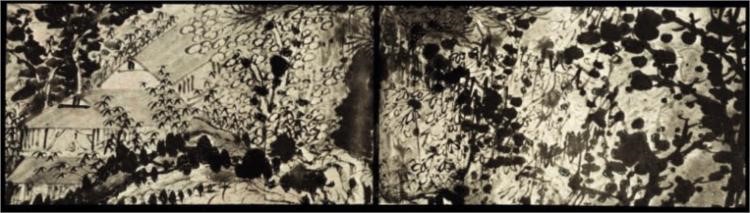
Tung Yuan, Wintry Trees, 14th Century

Tung Yuan, Wintry Trees, 14th Century

Tang Yin, Poetic Thoughts Travelling by Donkey, 1500

Tang Yin, Poetic Thoughts Travelling by Donkey, 1500

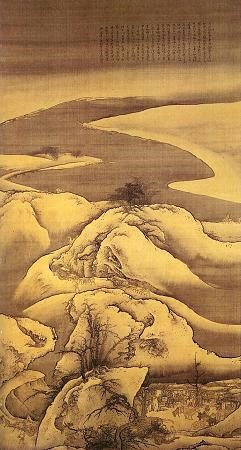
Li Yin. Loading Carts, early 18th century

Li Yin. Loading Carts, early 18th century

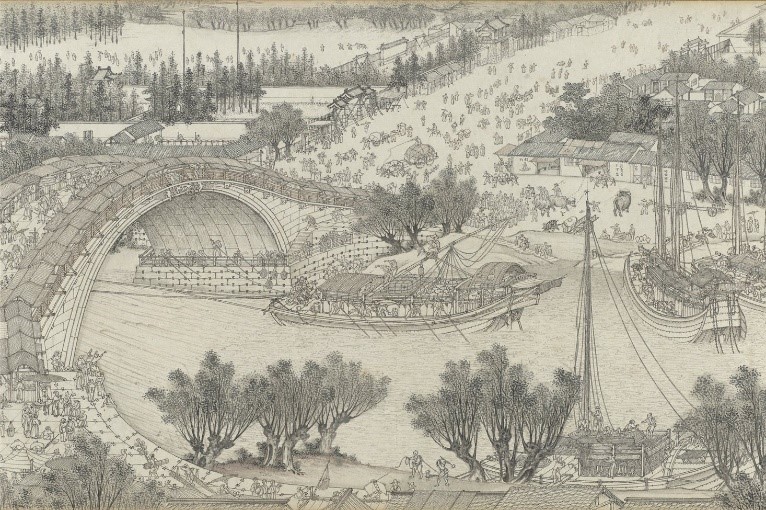
Along the River during Qingming Festival, Shen Yuan, c1736-95

Along the River during Qingming Festival, Shen Yuan, c1736-95, (Qing Dynasty) (detail)

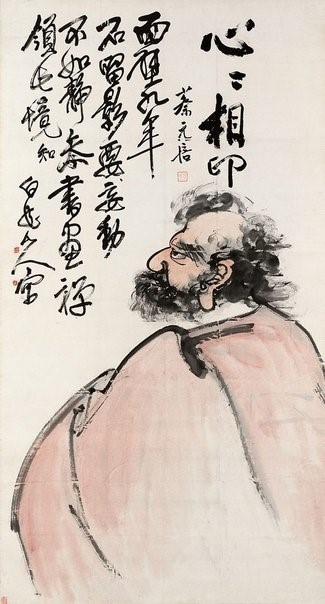
Wang Zhen, Nine years facing the wall, late 19th century

Wang Zhen, Nine years facing the wall, late 19th century-early 20th century

Hsiao Cho-Yu, Liquid Creation, 2015

Hsiao Cho-Yu, Liquid Creation, 2015

Yang Wei Lin, Ocean of Cloth Wheels and Floating Islands, 2016

Yang Wei Lin, Ocean of Cloth Wheels and Floating Islands, 2016

Sun Xun, Museum of Contemporary Art, Sydney, July 2018

Sun Xun, Museum of Contemporary Art, Sydney, July 2018

Other references

The Development of Chinese Painting by James Cahill – lecture series

The Compelling Image – Nature and Style in Seventeenth Century Chinese Painting, James Cahill, The Charles Eliot Norton Lectures, 1979

Hills Beyond a River – Chinese Painting of the Yuan Dynasty 1279-1368, James Cahill, 1976

Parting at the Shore – Chinese Painting of the Early and Middle Ming Dynasty 1368-1580, James Cahill, 1978

The Distant Mountains – Chinese Paintings of the Late Ming Dynasty 1570-1644, James Cahill, 1982

Chinese Watercolours, Josef Hejzlar, 1978

Chinese Art, Mary Tregear, 1980

The Arts of China, Michael Sullivan, 1986 (3rd edition)

The Archaeology of Ancient China, Kwang-Chih Chang 1986 (4th edition)

Chinese paintings of the Ming and Qing Dynasties, 14-20th Centuries, AGNSW exhibition catalogue, Edmund Capon and Mae Anna Pang, 1981

The Insiders Guide to China, Derek Maitland, 1989

Selected Calligraphies and Paintings of the Great Hall of the People, 1989

The Cambridge Handbook of Contemporary China, Colin Mackerras and Amanda Yorke, 1991

Lion Among Painters – Chinese Master Chang Dai Chien, AGNSW exhibition catalogue, 1998

Fragrant Space – Chinese Flower and Bird Painting of the Ming and Qing Dynasties from the Guangdong Provincial Museum, Liu Yang and Edmund capon, AGNSW exhibition catalogue, 2000

Zen Mind Zen Brush – Japanese ink painting from the Gitter-Yelen Collection, Clare Pollard and John Stevens, AGNSW exhibition catalogue, 2006

The Chinese Art Book – 300 Works of Art, Colin Mackenzie, Keith Pratt, Jeffrey Moser, Katie Hill, 2013

The Mustard Seed Garden Manual of Painting, 1679-1701. Chieh Tzu Yuan Hua Chuan 1679-1701 (Translated Mai Mai Sze 1956)

Huang Gongwang, Dwelling in the Fuchun Mountains, 1350 Yuan dynasty, essay by Hung Sheng

Brushstrokes: Styles and Techniques of Chinese Painting from the Asian Art Museum

Education Department Asian Art Museum – Chong Moon Lee Center for Asian Art and Culture (1995)

Exhibitions
Heaven and earth in Chinese art: treasures from the National Palace Museum, Taipei, AGNSW, February 2019

Supernatural, White Rabbit Gallery, Sydney, January 2019

The Sleeper Awakes, White Rabbit Gallery, Sydney, July 2018

Sun Xun, Museum of Contemporary Art, Sydney, July 2018

Biennale of Sydney 2018

The Dark Matters, White Rabbit Gallery, Sydney, May 2017
The artists don’t shun light or colour, but in using them they follow Laozi’s advice: Know the white, but hold to the black.”

Ritual Spirit, White Rabbit Gallery, Sydney, October 2017

The First Emperor – China’s Entombed Warriors, AGNSW, Sydney, December 2010 – March 2011

Zen Mind Zen Brush – Japanese ink painting from the Gitter-Yelen Collection, AGNSW, Sydney, 2006

Fragrant Space – Chinese Flower and Bird Painting of the Ming and Qing Dynasties from the Guangdong Provincial Museum, AGNSW, Sydney, 2000

Lion Among Painters – Chinese Master Chang Dai Chien, AGNSW, Sydney, 1998

Chinese paintings of the Ming and Qing Dynasties, 14-20th Centuries, AGNSW, Sydney, 1981


Ho Chi Minh City, Vietnam – art and travel

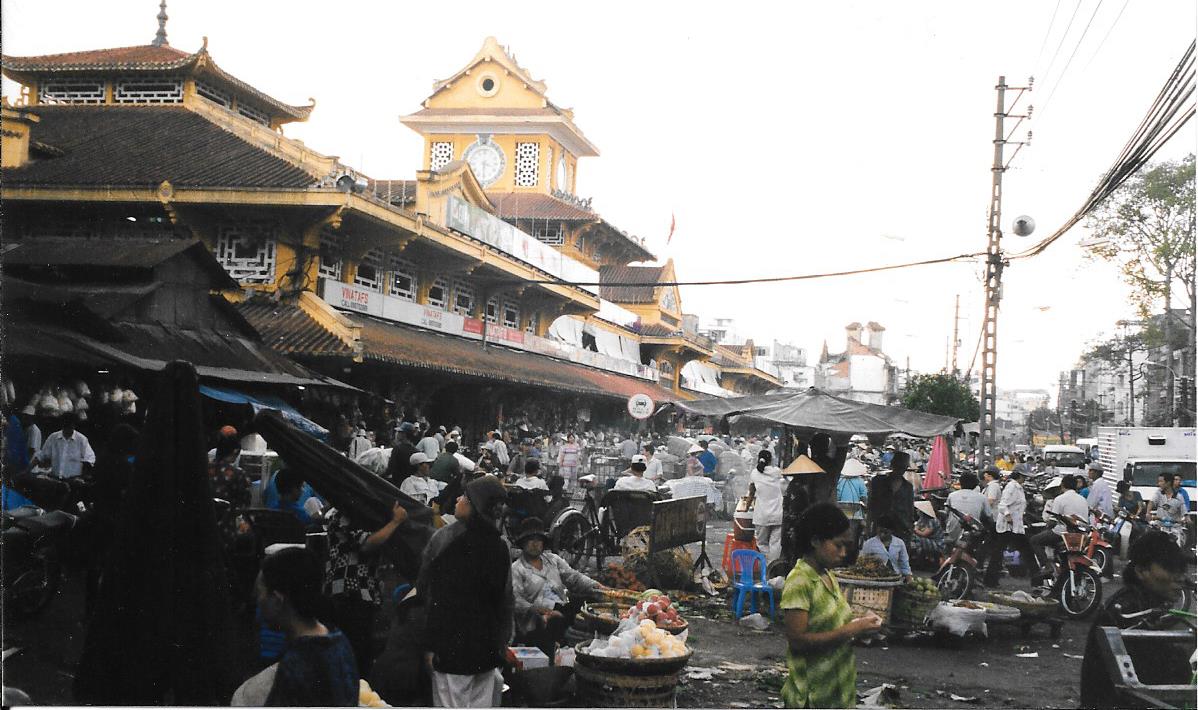
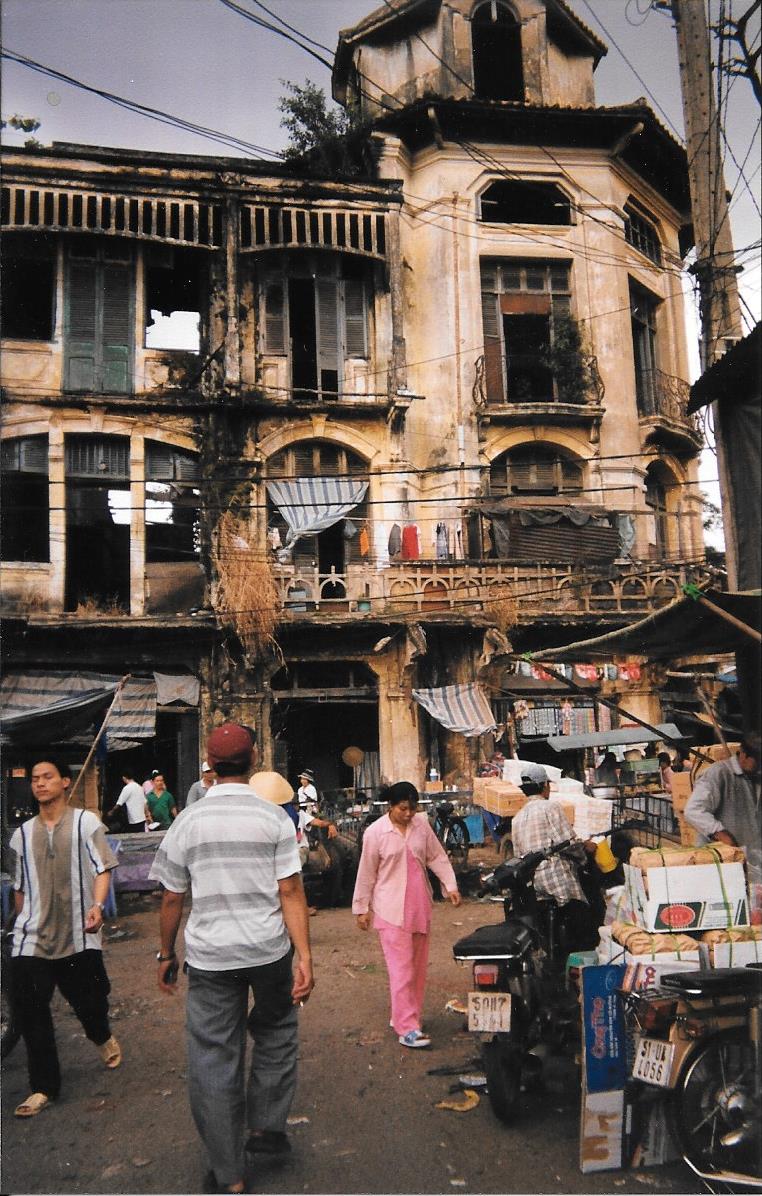
It was one of those trips where it is important when in a frenetic motor bike infested city to hang onto your shoulder bag when wading through throngs of people. What could go wrong, did go wrong. In hindsight, a comedy of errors, an amusing trip of self-discovery on how to cope under duress in a foreign country where none of the usual certainties of daily life apply, but also a brilliant experience in dogged determination. Some notes and recollections from travel journals. Back in December 2001, in Ho Chi Minh City, only a couple of hours off the plane, while crossing a road after dinner, a motor bike shot past and in a flash my shoulder bag was gone, including passport, cash, some travellers cheques, and airline return ticket (everything paper-based back then). The guidebook had a warning about theft but I let my guard down by carrying a shoulder bag. Fortunately I was staying with a friend. It took days to get everything sorted out, without a passport I couldn’t get travellers cheques changed into local cash. Still don’t know how it worked out, but it did and over the ten day stay I managed to experience another side of Ho Chi Minh City.
Arrived mid-morning dumped gear, but forgot to unpack my shoulder bag, and then took a cyclo tour of the city. After dinner crossing the road I became a drive-by bag snatch victim. Spent several hours with the police to get a report for a travel insurance claim. A policeman even escorted us on his motor bike back to the scene of the crime. By now it was about 2 am and the city full of life, hauling goods of all descriptions in hand carts down to the river. After explaining the incident in detail and what side of the road it occurred, the policeman shook his head, not his jurisdiction, wrong side of the road, sent us to another police station where I had to explain the incident all over again. Finally got my police report by about 4am, a long night, at the least the coffee was good and strong, with French bread and heaps of fruit.
In hindsight I stubbornly tried to problem solve my way out of the situation instead of going straight to the consulate, if there’s help available take it, lesson learnt, mistake not to be repeated, but a good dose of hard reality. Spent at least two days making phone calls accruing a huge phone bill from the hotel trying to contact travellers cheque company (gave me an address for a local bank and told me to have a nice day), Australian bank, travel agent, and airline. Still in shock and getting nowhere set out on foot to find the Australian consulate, bank, airline, and immigration. After giving up trying to negotiate a ride with a mad melee of taxi motorbike riders for hire out front of the hotel, gave up and walked around the corner and found an old man with a cyclo (two wheeled push bike carriage contraption), showed him the map to the post office where I could make cheaper calls. He nodded and threw a heap of cardboard out of the cyclo. I got in he then threw the cardboard back in, and gestured to hold onto it. I was buried with only enough space to see out, at least the cardboard was clean and in pristine condition. We set off, an interesting tour of the city for about forty minutes then he pulled over next to an old wooden shack, got out, went inside for some time. I stayed under the cardboard, he then emerged with another man with a large set of scales. The cardboard was unloaded and carefully weighed, then there was a lot of bargaining argy bargy until a price was settled. He got back on the bike smiling, obviously a good deal was made and we set off for at least another forty minutes, taking in the city sites. I could find no reference points that indicated we were anywhere near the post office. But it was a grand tour then he suddenly pulled over and he pointed to the corner, that’s when I realised we were back at the hotel, we had done a grand cycle tour. I offered him $10 he refused, not the right note. I showed him some of the other notes (a loan from my friend I was staying with), he nodded and took $1, apparently the going rate nothing more nothing less. I then showed the map to a taxi motor bike rider, he nodded and we were at the post office within ten minutes. I then waited an hour in the queue to get a phone booth and booked a call to Sydney, an Australian operator answered and asked for the number, I gave the number, she replied sorry no connection for 1800 numbers and hung up. I gave up and the driver took me to the consulate, where I was greeted by the guy behind the counter with ‘what happened to you’, probably because of the frozen look on my face, no problems at all, the calls were made. To cut a long story short by some miracle my passport was handed in at the hotel, I didn’t have to wait days for a replacement, I was able to cash the travellers cheques, pay the phone bill, and the return airline ticket was reissued. At last I could get on with exploring the city but things didn’t quite go to plan on most days.
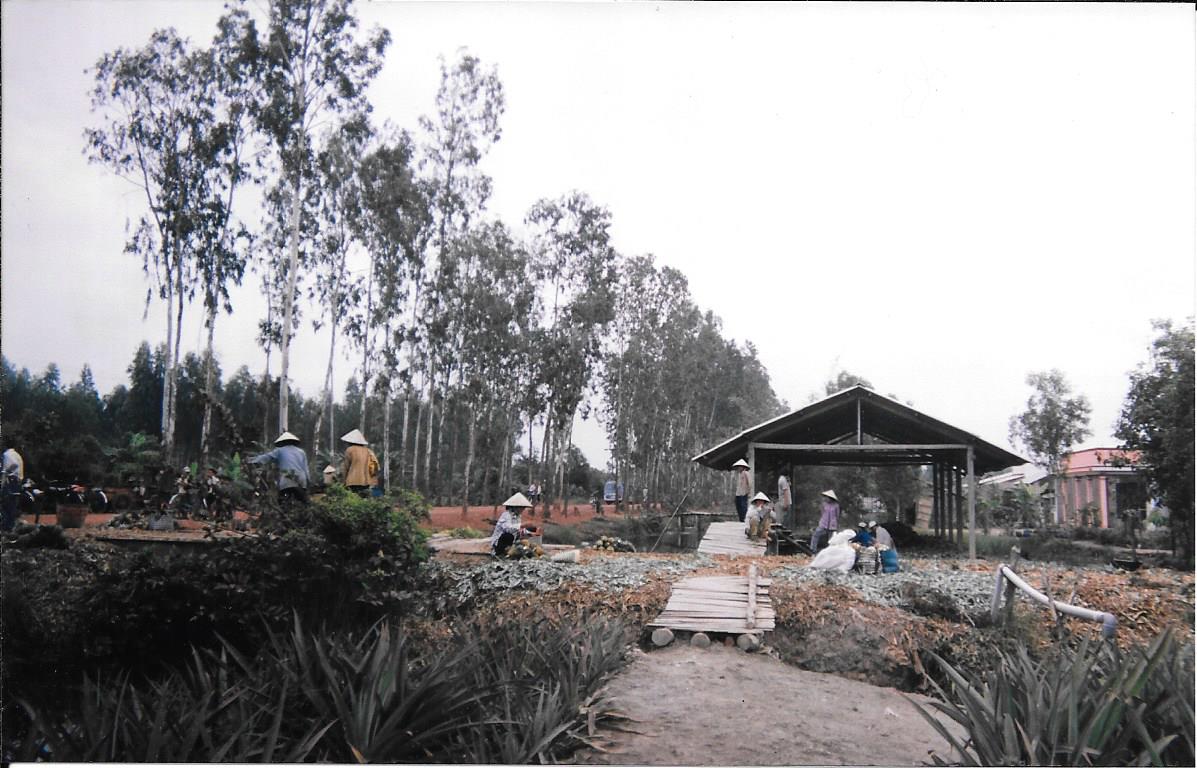
The next day Mekong River tour, the delta, canals, farms, a honey farm where the attendant started to explain bee keeping by pulling a slab of bees out of the hive, the bees weren’t happy and swarmed over the tour group, everyone ran in all directions, until the bees made a getaway, sitting at a table sipping tea to calm down suddenly fellow travellers started hitting me around the head with tea towels to remove a large number of bees from my hair. It was another one of those days. At least there were no serious stings. After that onto a Buddhist temple. Shoes had to be removed at the door, unfortunately my new Himalayan walking sandals had stripped a lot of skin off my feet which were now covered in band-aids, worse for wear, the problem was the band-aids started sticking to the lino covered floor, so progress was slow, difficult to limp silently and not draw attention. I stopped to admire an intricately carved table with a huge brass gong on it, unaware of a saffron robed monk behind me, he swung a mallet and hit the gong dead centre, deafened I levitated several feet off the floor, much to his amusement, reached a new level of enlightenment. Drinks all round on the tour stories that night.
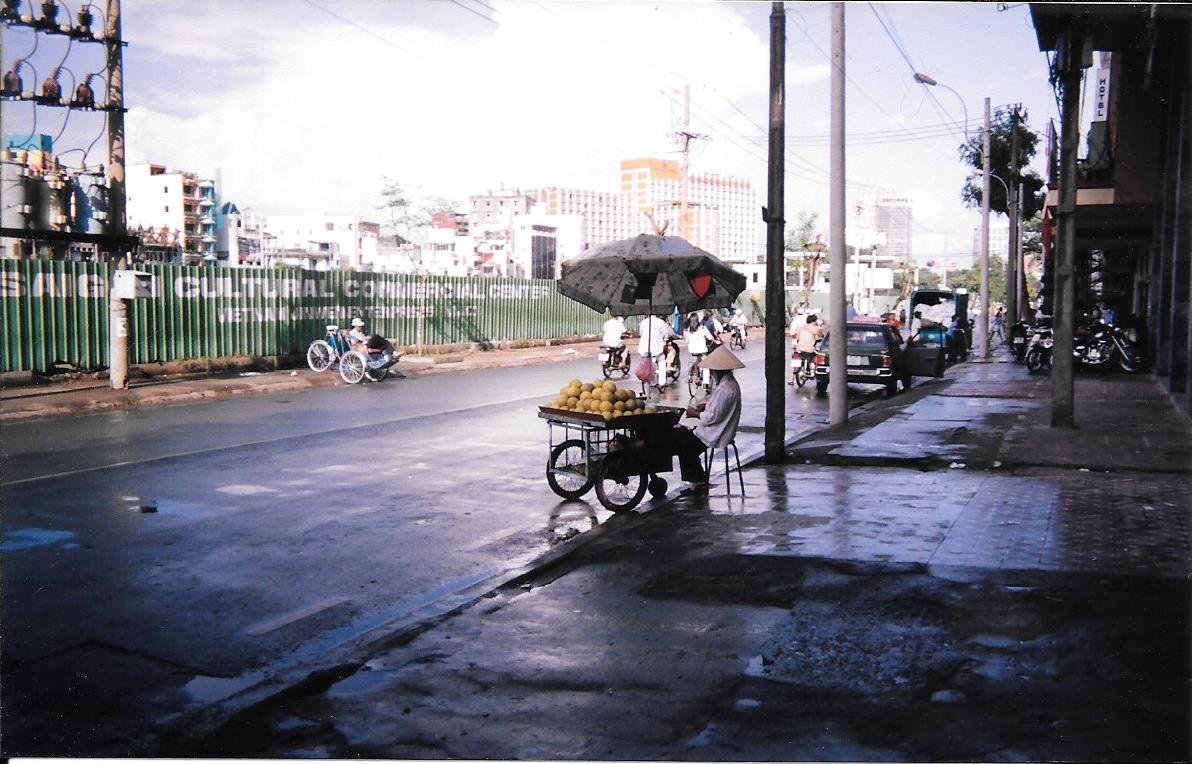
Next day local walk taking in the city, still deafened by the traffic noise but getting used to it, but I desperately needed more band-aids. A case where small items previously taken for granted became precious essentials. I found a lady with a small handcart street stall on wheels. I pointed at the only packet of band-aids, she opened the packet and only wanted to sell me one. I insisted on the packet, she refused. I gave her $10, I got the packet, she shut down the cart and went home, probably enough money for a month off. Hired cyclos for trip to Cholon in the afternoon, sheer chaos on the roads, and the market so packed difficult to comprehend the lives of the locals, another reality blast.
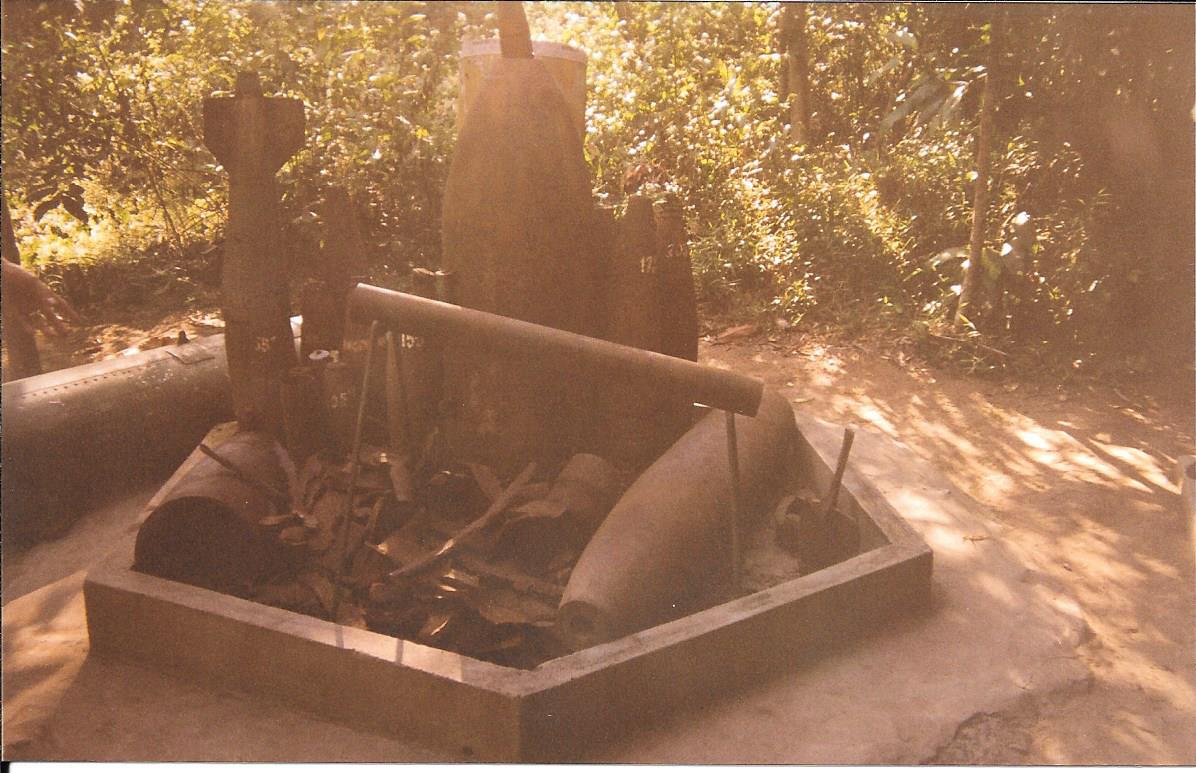
Next day tour to Coadai Great Temple, Tay Ninh and the Cu Chi Tunnels, a chilling reminder of what life was like during the war. Little evidence of the war until entering the tunnels ‘at its height the tunnels stretched from Ho Chi Minh City to the Cambodian border’, in the district of Cu Chi there were over 250km of tunnels1. The tunnels several storeys deep included living areas, storage, weapons factories, command centres, kitchens, and hospitals. The area was carpet bombed although it had been completely covered since with farms and vegetation.
Next day Museum of Fine Arts (Vietnamese art, sculpture, oil paintings, silk painting and lacquer painting, as well as traditional styles including woodcut paintings in the Hàng Trống, Đông Hồ, and Kim Hoàng styles, Vietnamese ceramics and a collection of ancient Buddhist art. Then onto the Tu Do gallery (contemporary art). Left the next day with only $50 in my wallet to get back to Sydney. I made it home but had to break and enter, no house keys, they were somewhere in Vietnam.

Locations
Ho Chi Minh City
Bến Thành Market
Mekong River
Cholon
Coadai Great Temple, Tay Ninh
Cu Chi Tunnels
Museum of Fine Arts

20011212 Looking for a motor bike taxi Ho Chi Minh city Dec 2001

Looking for a  motor bike taxi, Ho Chi Minh city 12/12/2001

20011212 view from my room Ho Chi Minh city Dec 2001

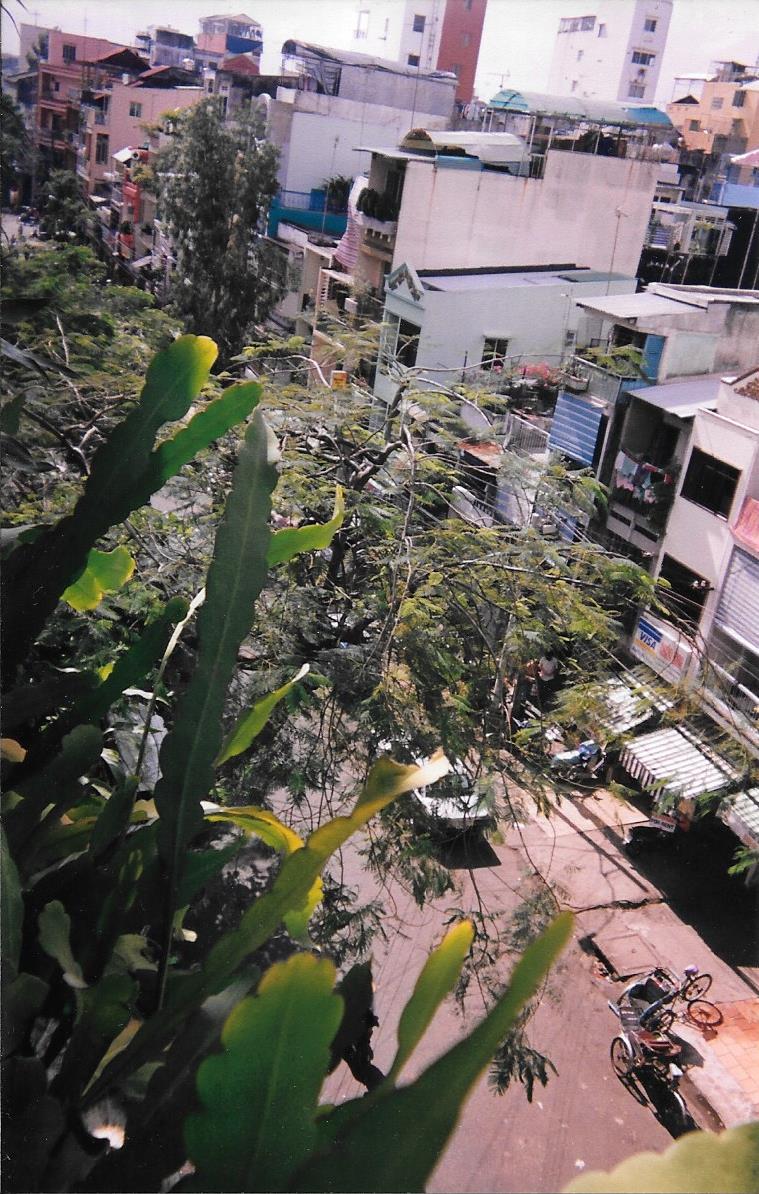
View from my room, Ho Chi Minh city 12/12/2001

20011213 Fruit cart Ho Chi Minh city Dec 2001

Fruit cart, Ho Chi Minh city 13/12/2001

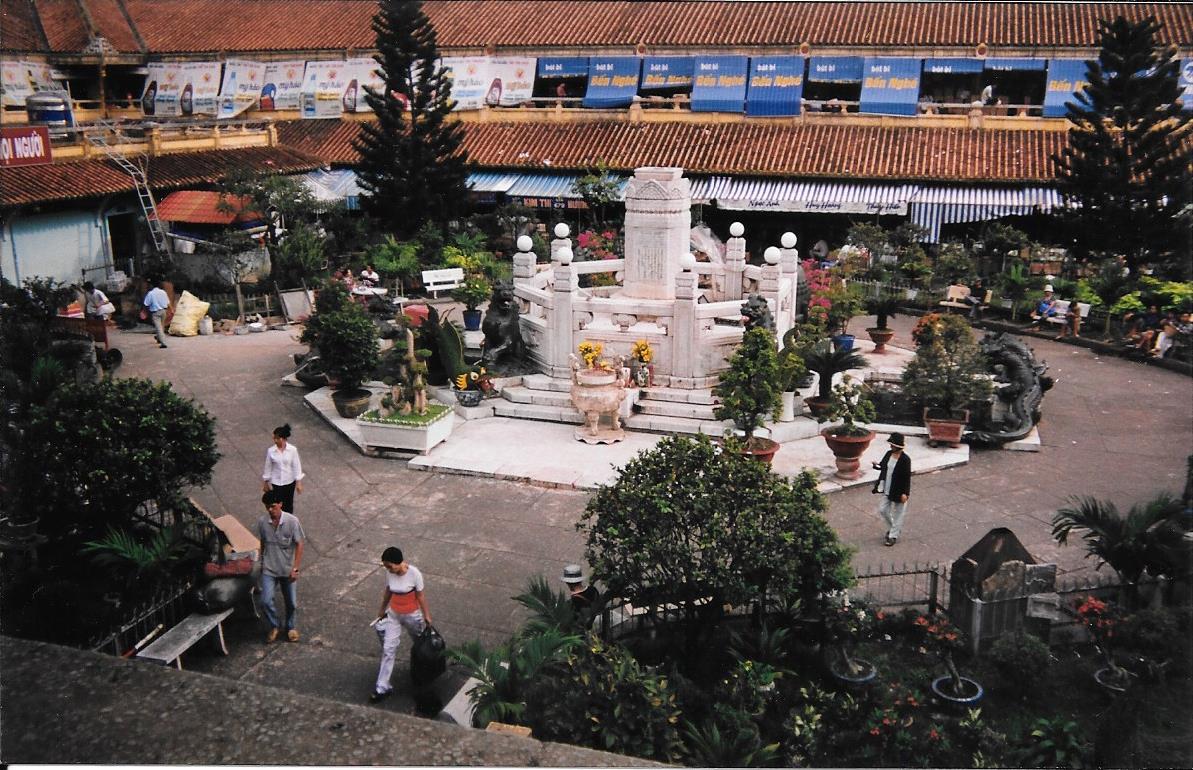
20011213 Market Ho Chi Minh city Dec 2001

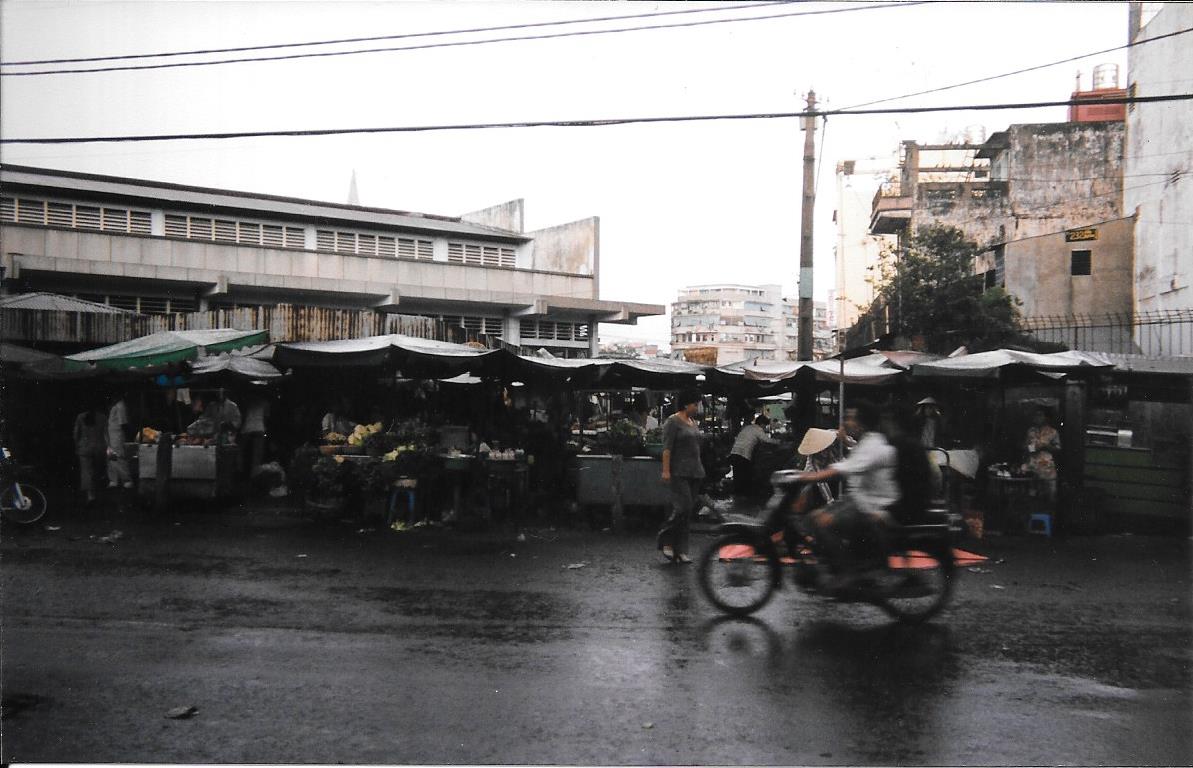
Market, Ho Chi Minh city 13/12/2001

20011215 Honey farm Vietnam Dec 2001

Honey farm, Vietnam 15/12/2001

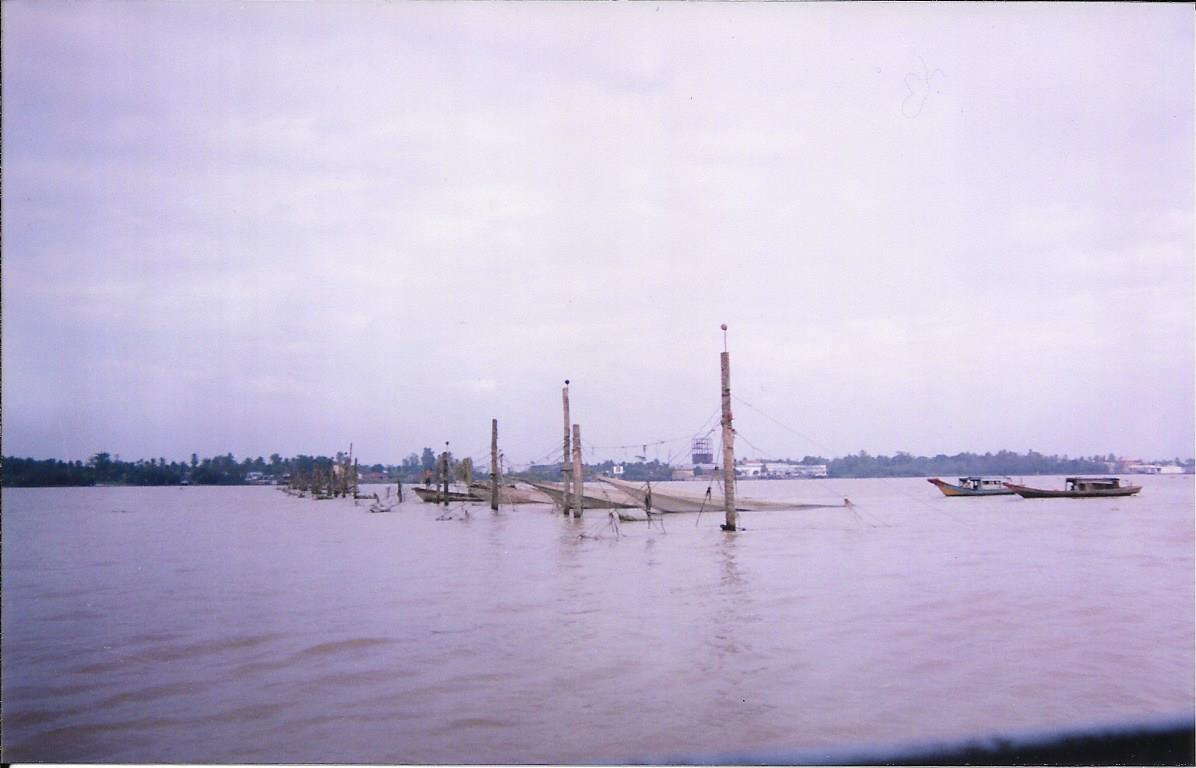
20011215 On the mighty Mekong River Vietnam Dec 2001

On the mighty Mekong River, Vietnam 15/12/2001

20011215 Temple Vietnam Dec 2001

Temple, Vietnam 15/12/2001

20011215 Temple courtyard Vietnam Dec 2001

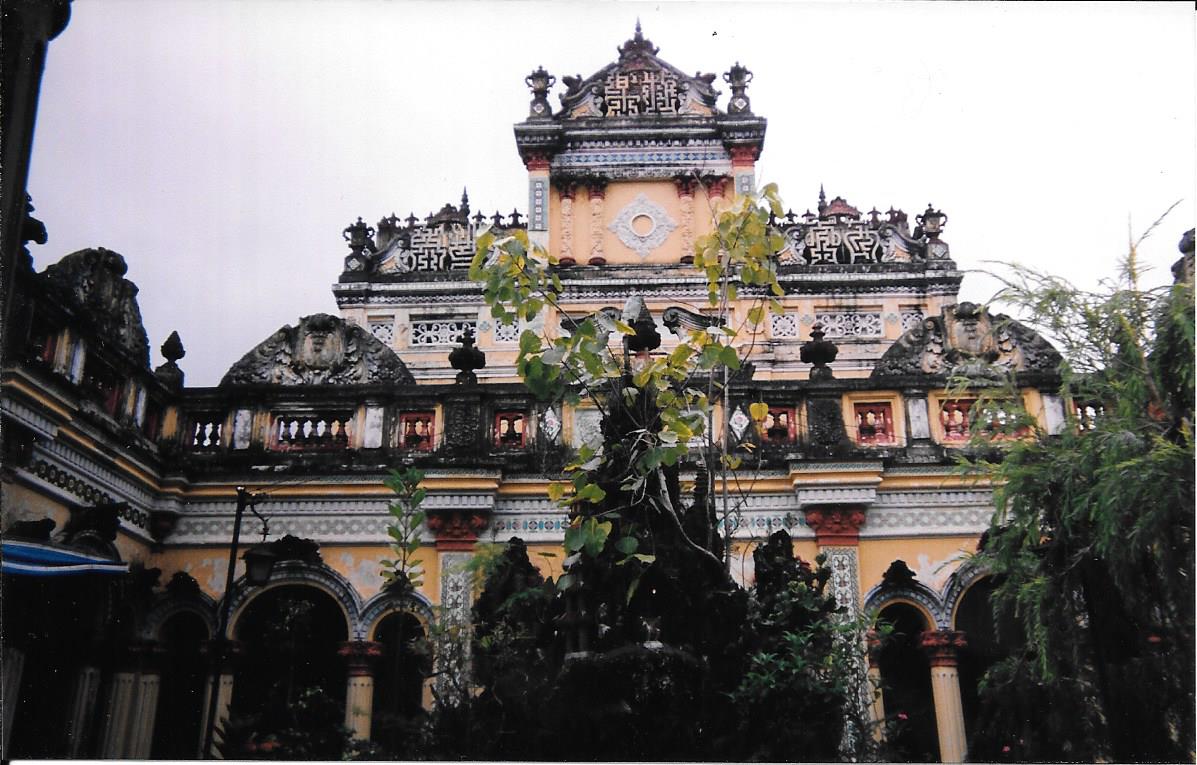
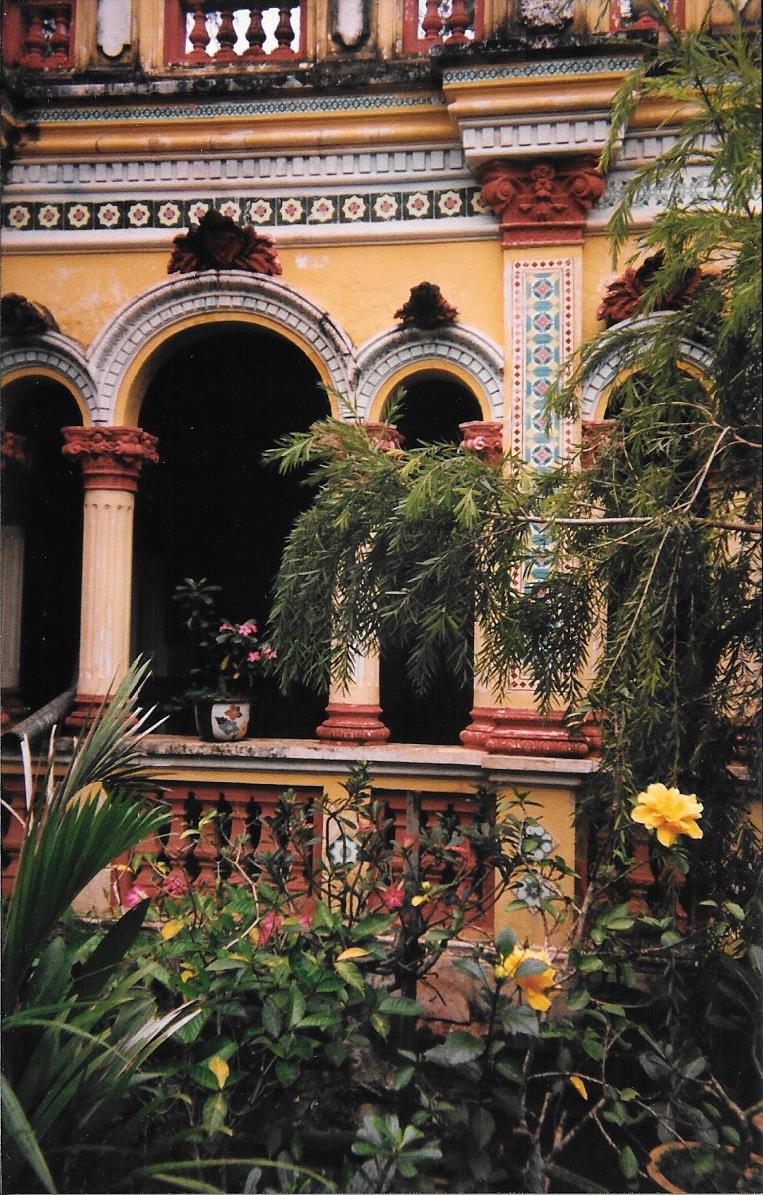
Scene of the gong incident, temple courtyard, Vietnam 15/12/2001

20011215 Temple exterior Vietnam Dec 2001

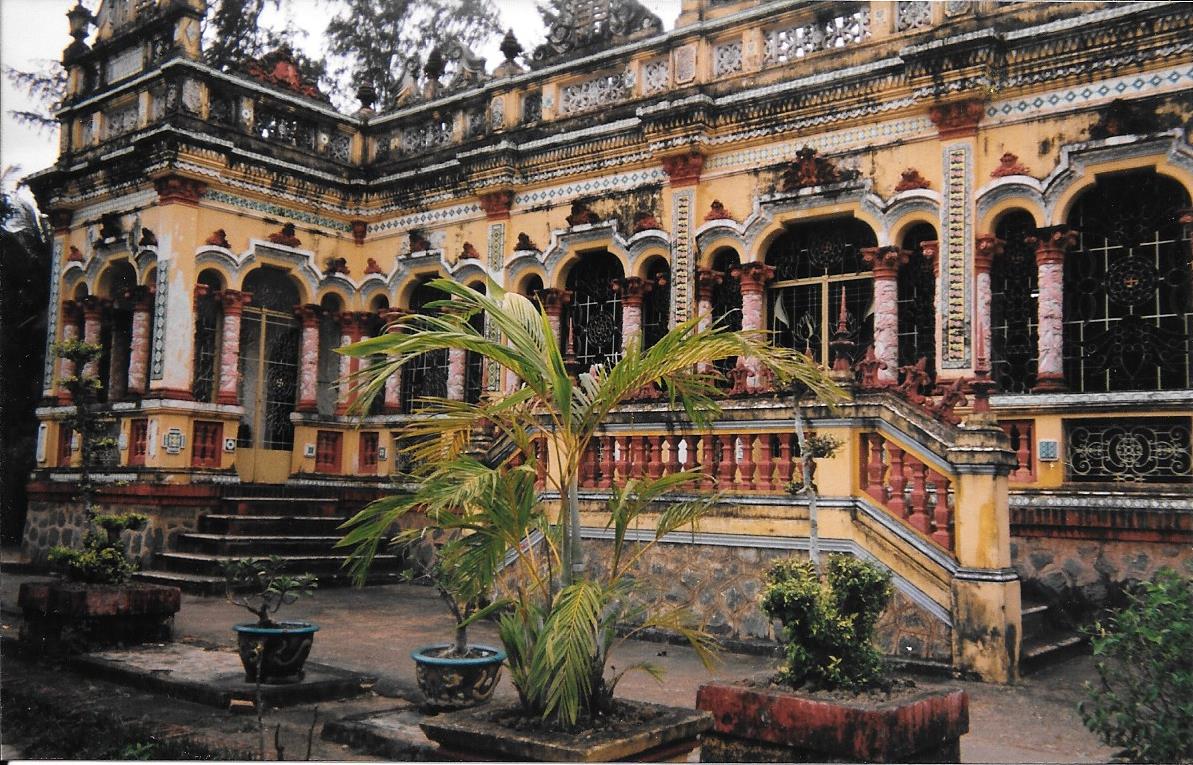
Temple exterior, Vietnam 15/12/2001

20011216 Street stalls Ho Chi Minh city Dec 2001

In search of band-aids, street stalls, Ho Chi Minh city 16/12/2001

20011217 Cholon market Dec 2001

Market, Cholon, Vietnam 17/12/2001

20011217 Cholon Vietnam Dec 2001

Cholon, Vietnam 17/12/2001

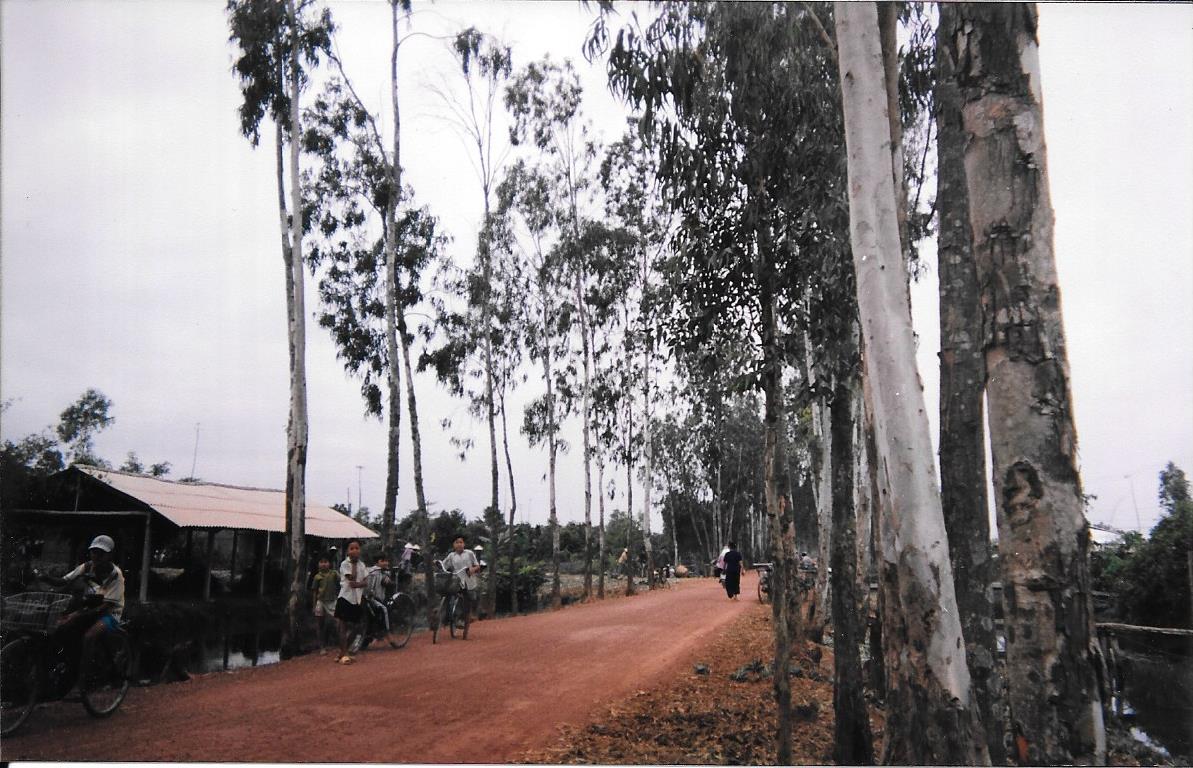
20011218 On the road to Chu Chi Vietnam Dec 2001

On the road to Chu Chi, Vietnam 18/12/2001

20011218 Reminder weapons of war Chu Chi Vietnam Dec 2001

War relics, Chu Chi, Vietnam 18/12/2001

20011219 Local store Ho Chi Minh city Vietnam Dec 2001

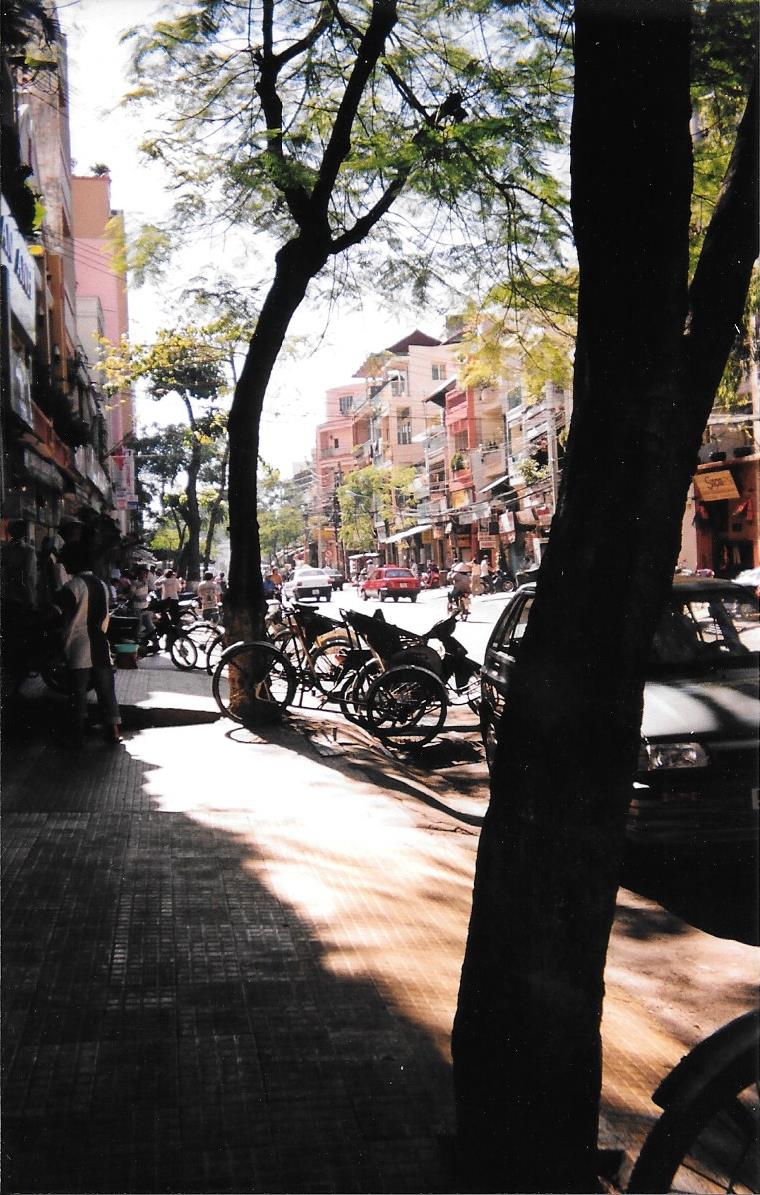
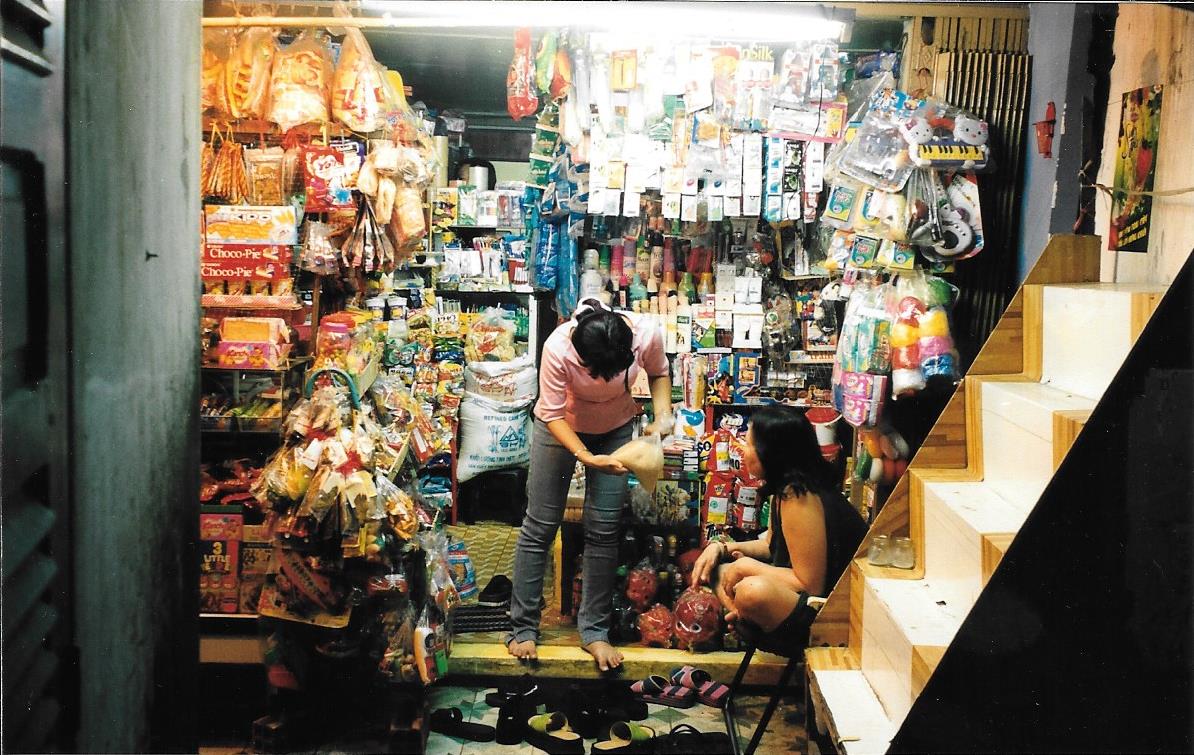
Local store, Ho Chi Minh city, Vietnam, 19/12/2001

20011219 market Ho Chi Minh city Vietnam Dec 2001

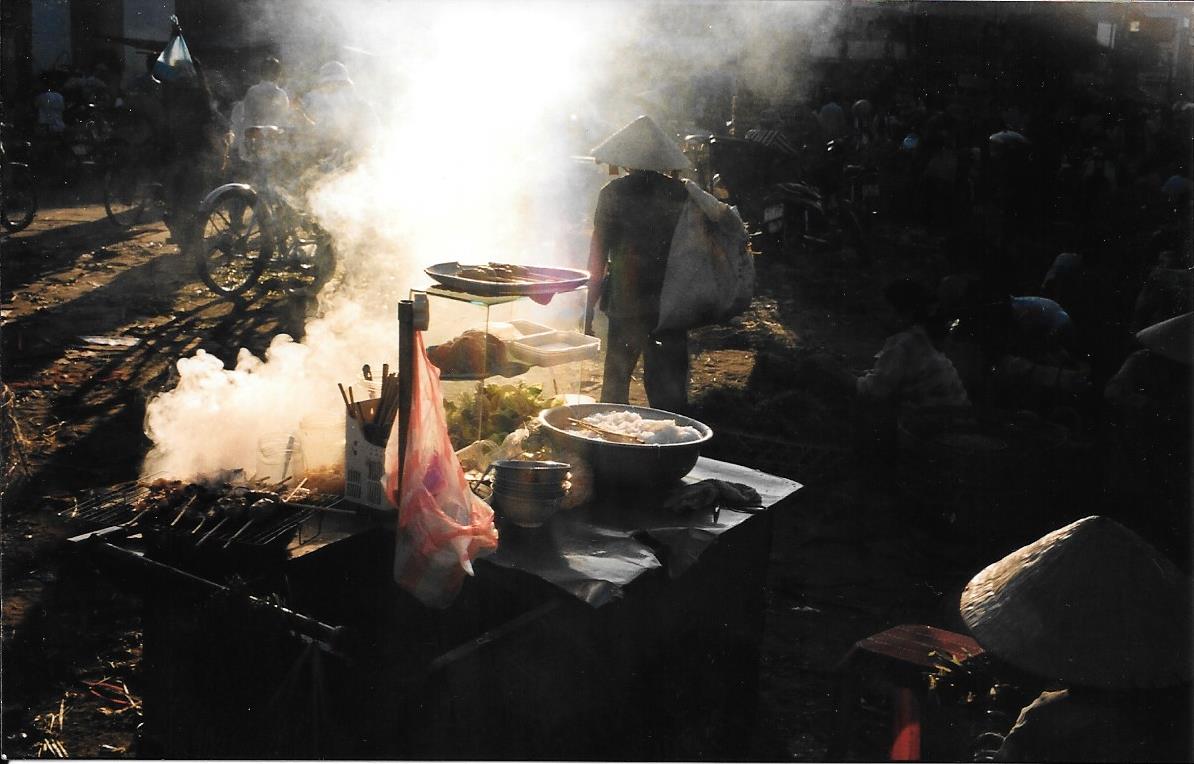
Market, Ho Chi Minh city, Vietnam, 19/12/2001

20011219 a memorial Ho Chi Minh city Vietnam Dec 2001

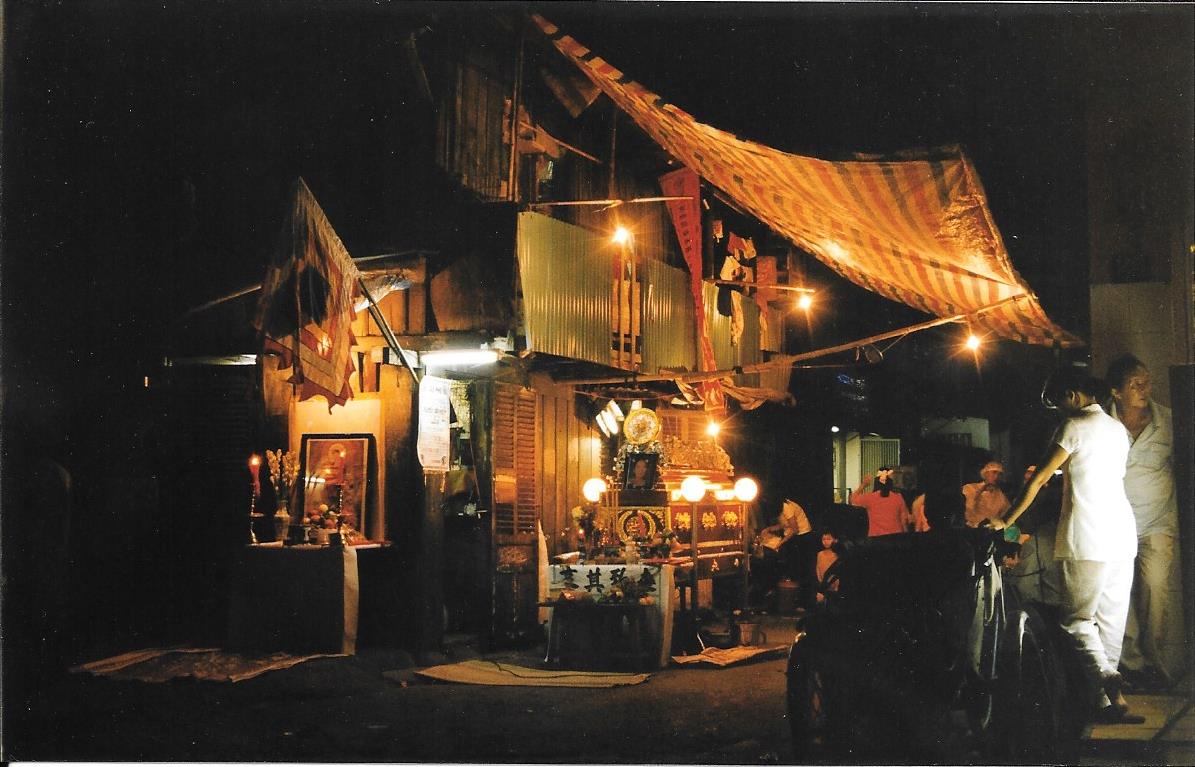
A memorial, Ho Chi Minh city, Vietnam 19/12/2001

Art References
Some contemporary artists from Vietnam

The Propeller Group - Phunam Thuc Ha, Tuan Andrew Nguyen, The living need light, the dead need music, 2014

The Propeller Group – Phunam Thuc Ha, Tuan Andrew Nguyen, The living need light, the dead need music, 2014

Nguyen Manh Hung, Living together in paradise, 2009

Nguyen Manh Hung, Living together in paradise, 2009

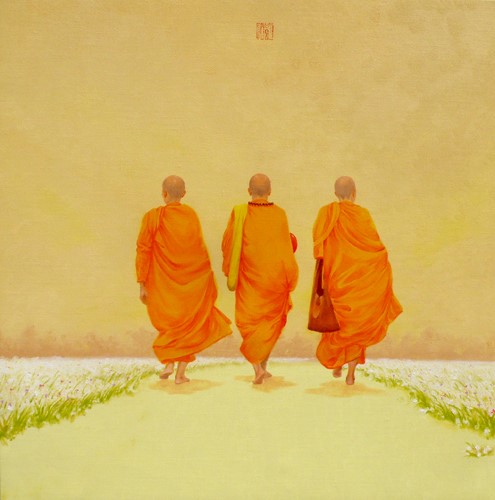
Nguyen Minh Phoc, The Monks 2

Nguyen Minh Phoc, The Monks 2

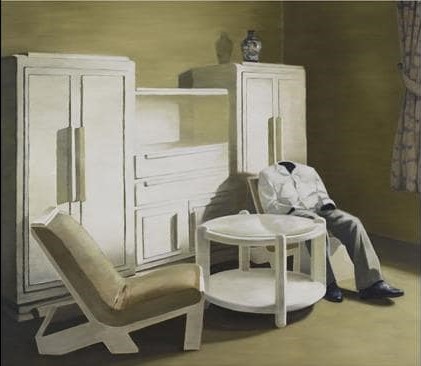
Nguyen Thai Tuan, Room of the Prince, 2010

Nguyen Thai Tuan, Room of the Prince, 2010

Other references

1Ho Chi Minh City (Saigon), Lonely Planet Guidebook, 2001
‘Once considered the capital of colonial Indochina, the tropical Paris of the Orient to the French who got the boot in 1954, then run by the Americans for 15 years before reunification of north and south Vietnam in 1975.’

APT7 The 7th Asia Pacific Triennial of Contemporary Art, Queensland Art Gallery/Gallery of Modern Art, January 2013

2018 Biennale of Sydney, March-June 2018


Bali – Art and Travel

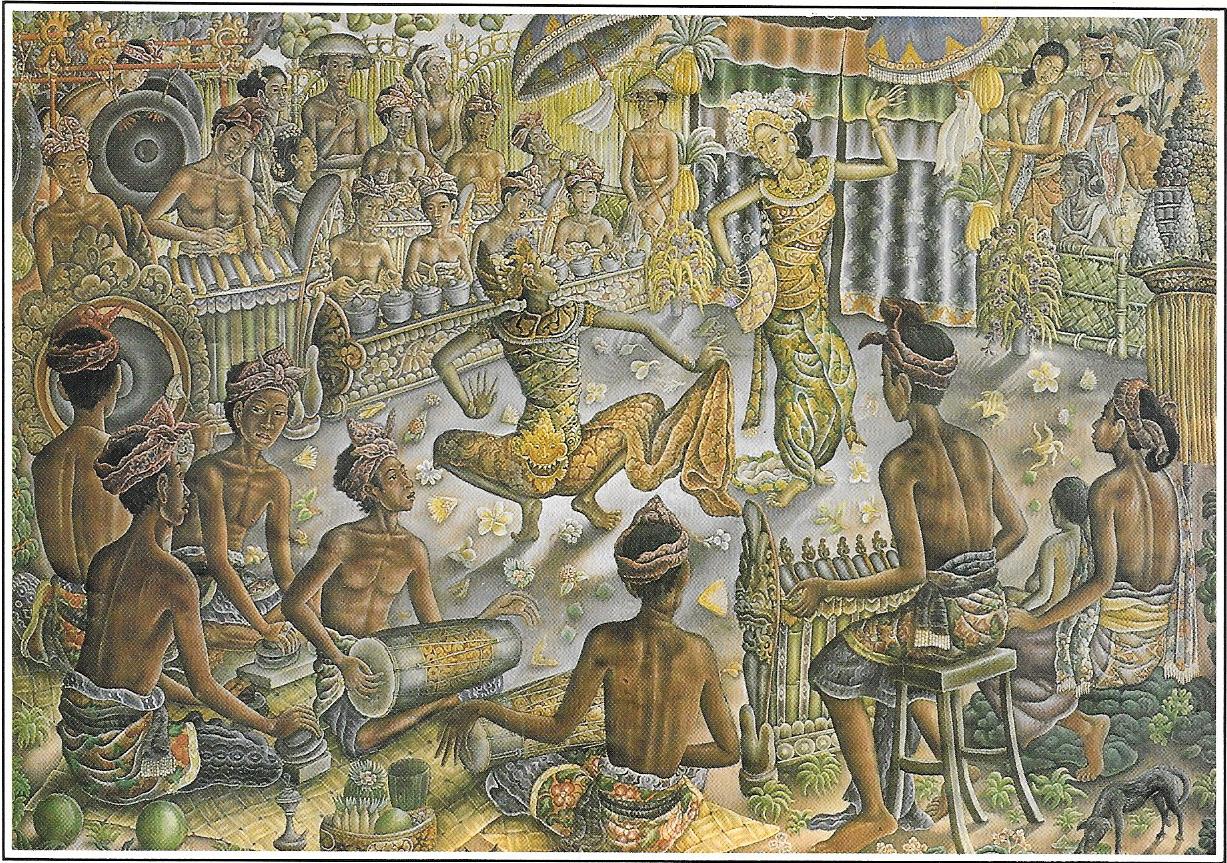
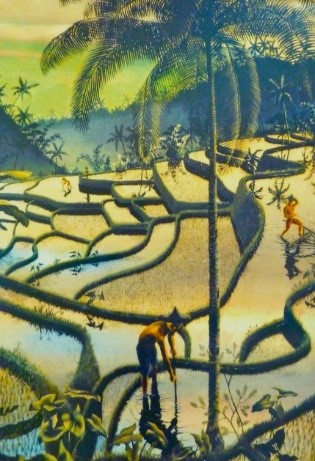
Recent lecture on Indonesian art sent me back to my travel notebooks, a memorable Christmas/New Year escape to a ‘tiny Hindu island province with charming people, stunning scenery and sophisticated artistry’1, intoxicating art, music, dance, a one-off trip to Bali in late December 1990. Time to look again at the art of, and artists inspired by Bali. Nothing compares to an indulgent life experience in paradise. Now a travel mega hotspot, even back in 1990 tourism was huge, but I came away from my too short two weeks impressed by a culture deep and strong, able to adapt and deal with the tourist hordes, besides Mount Agung takes control every now and again and puts a stop to all flights. Paradise lost, maybe not so, moving with the times, with verdant rainforest, beaches, and cultural icons.
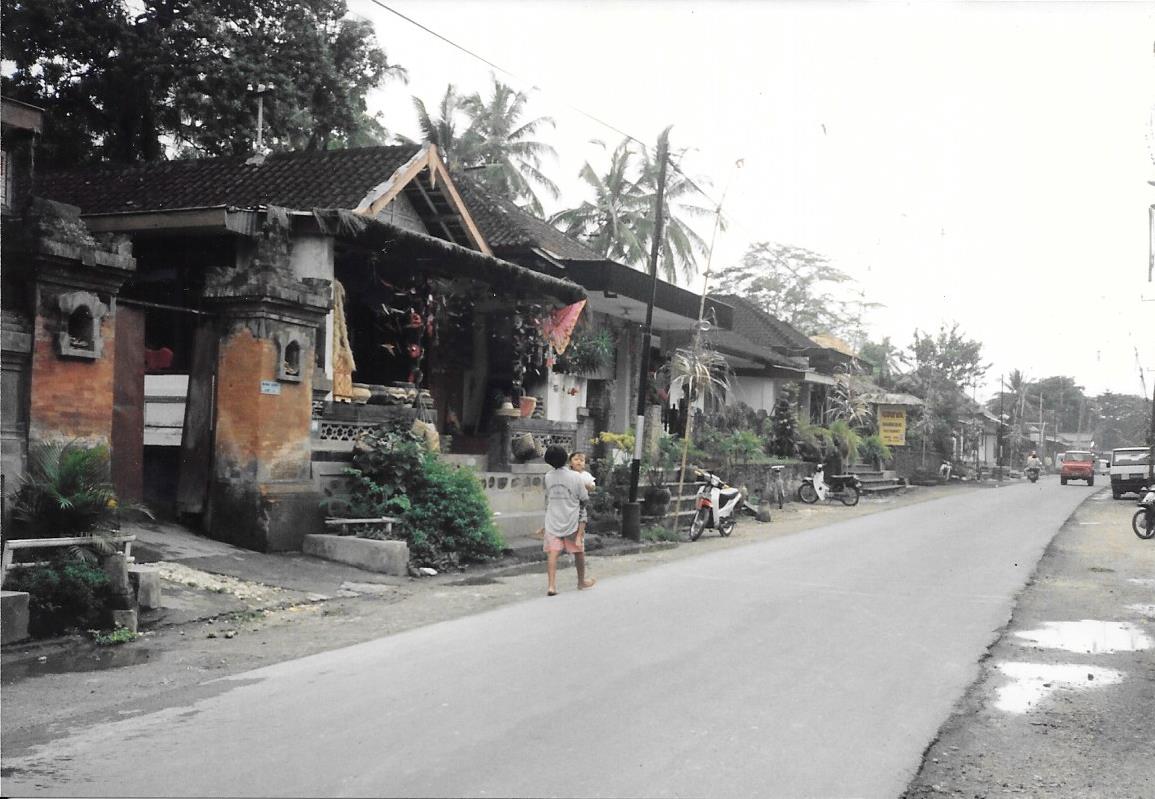
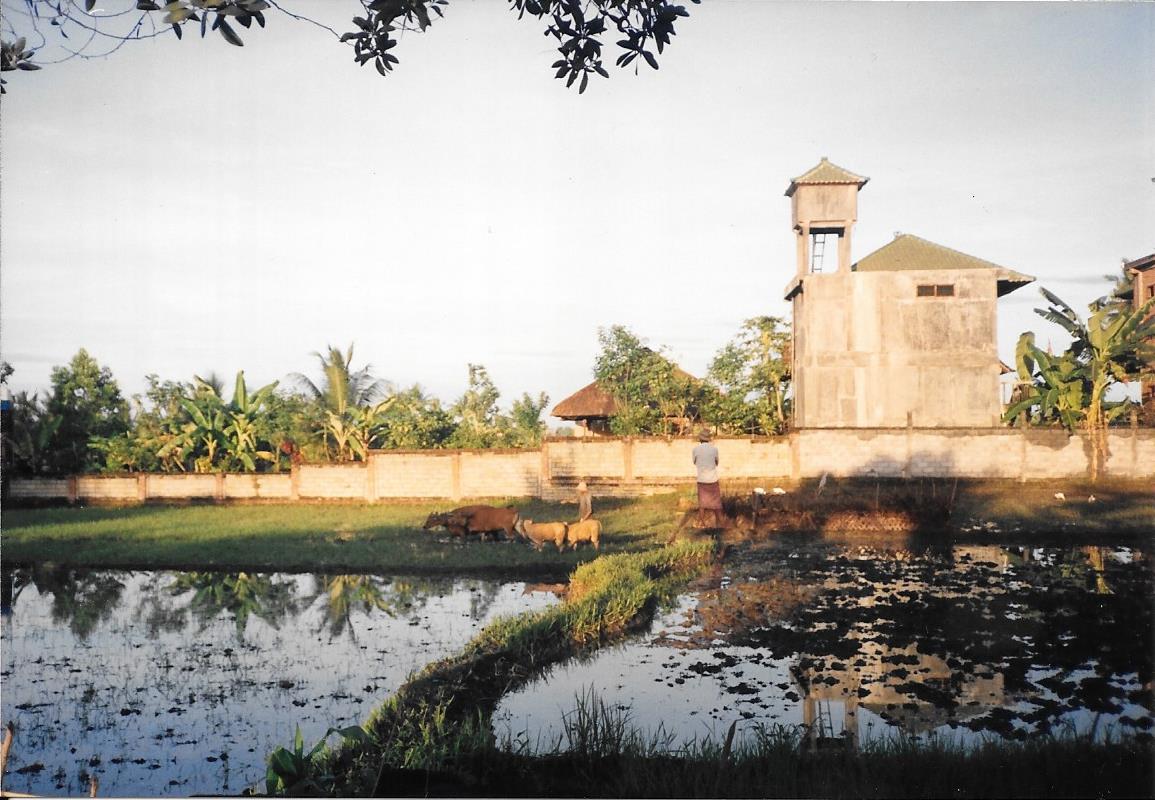
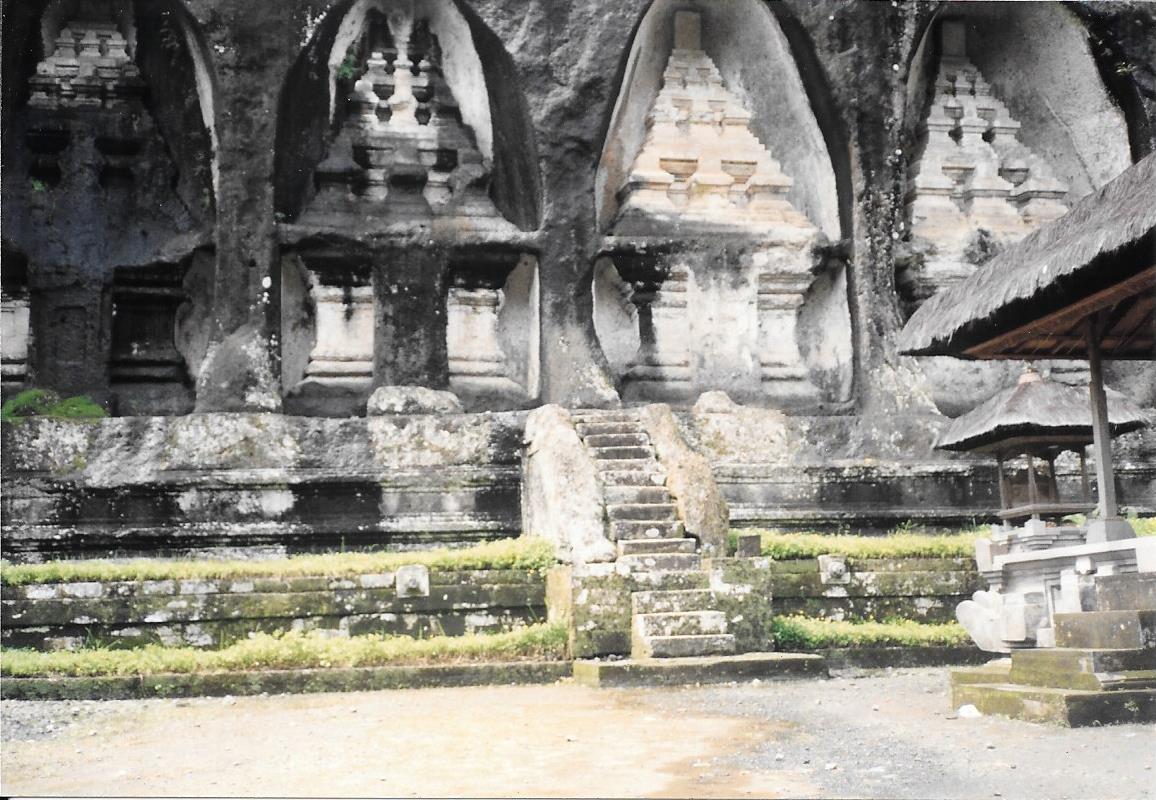
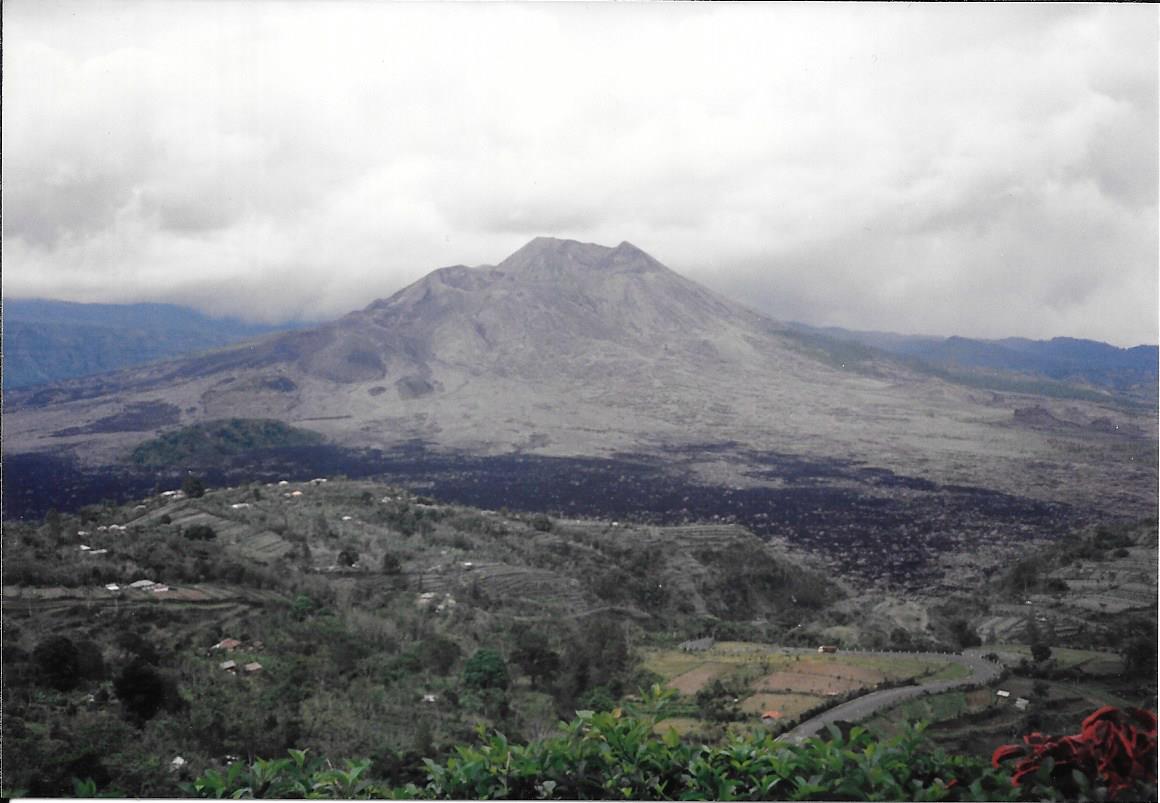
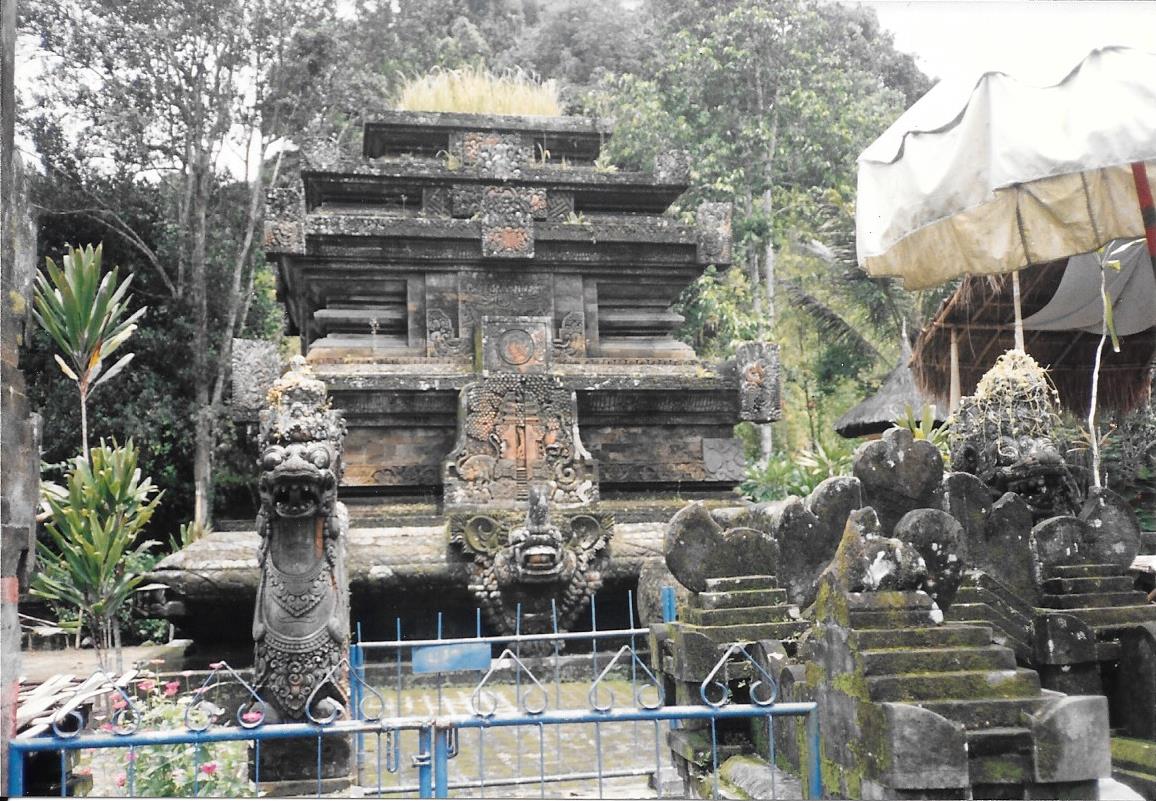
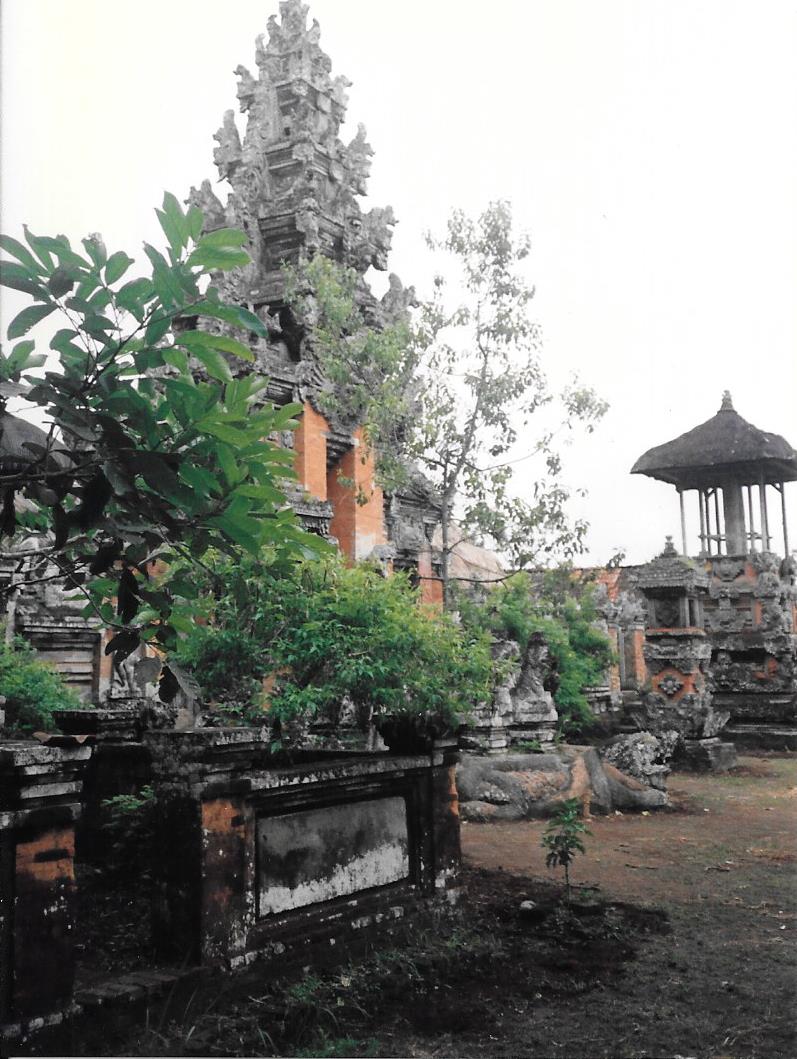
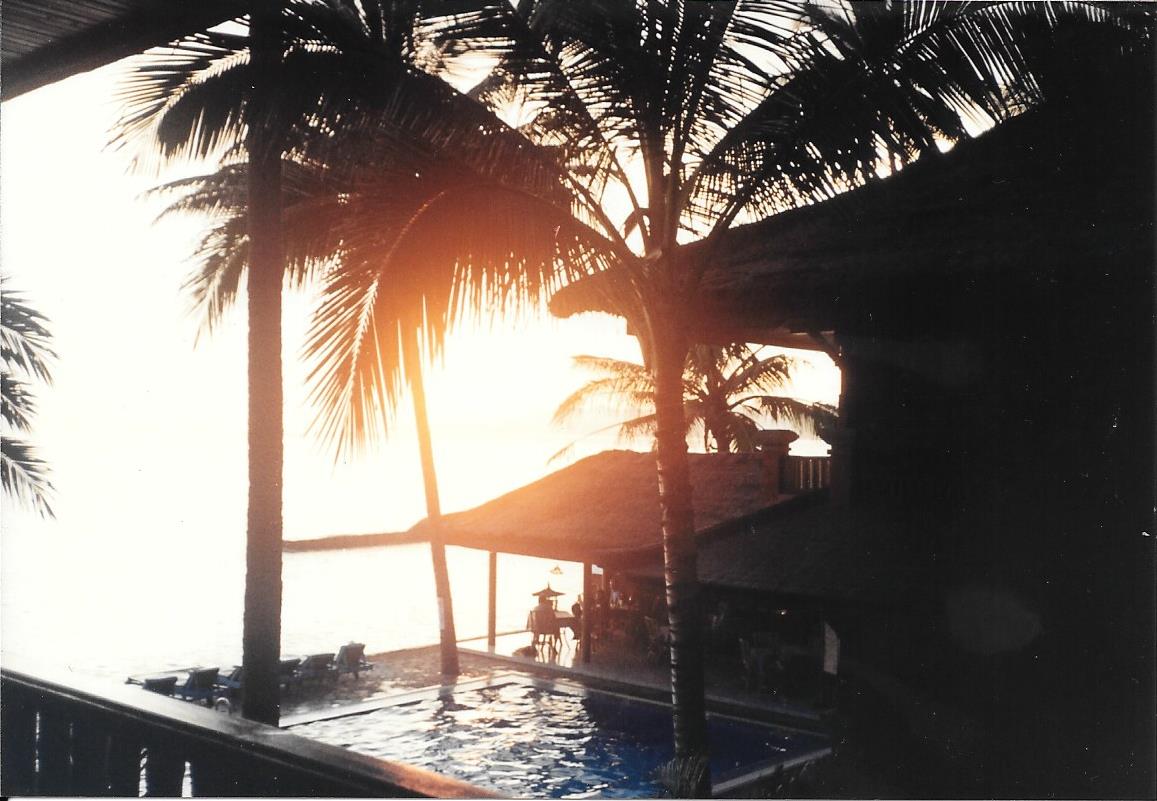
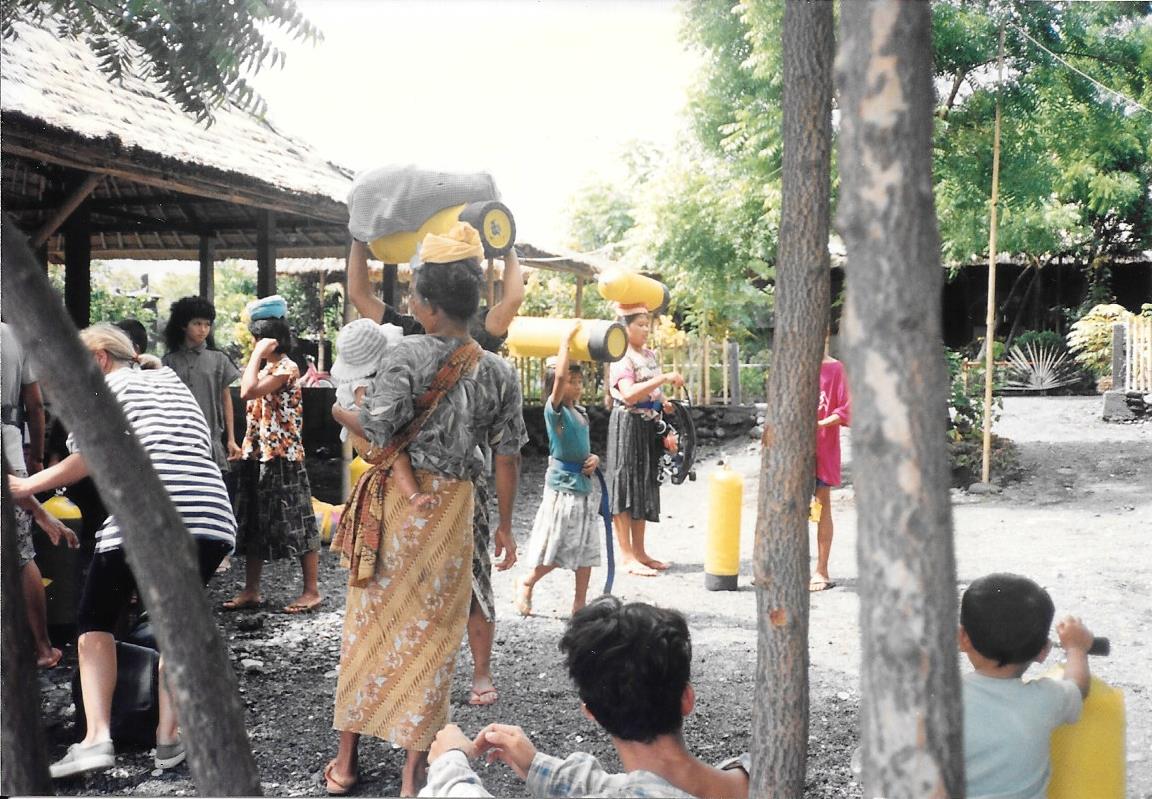
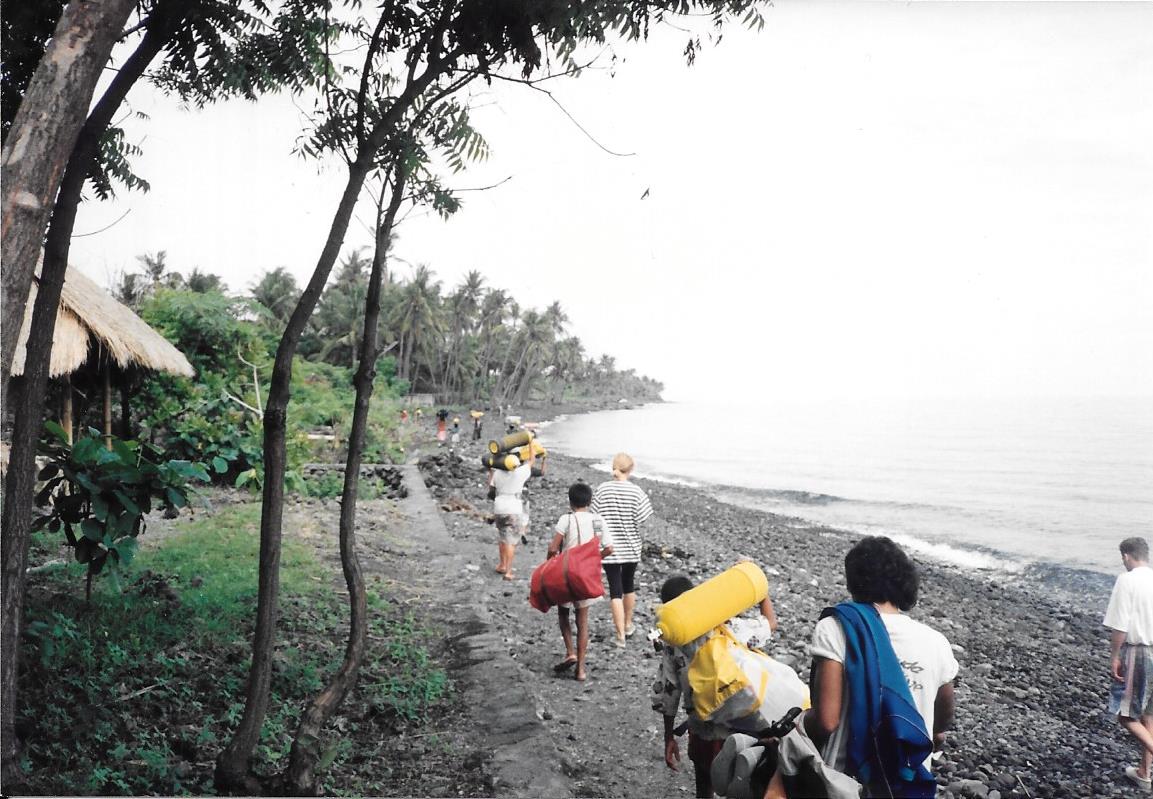
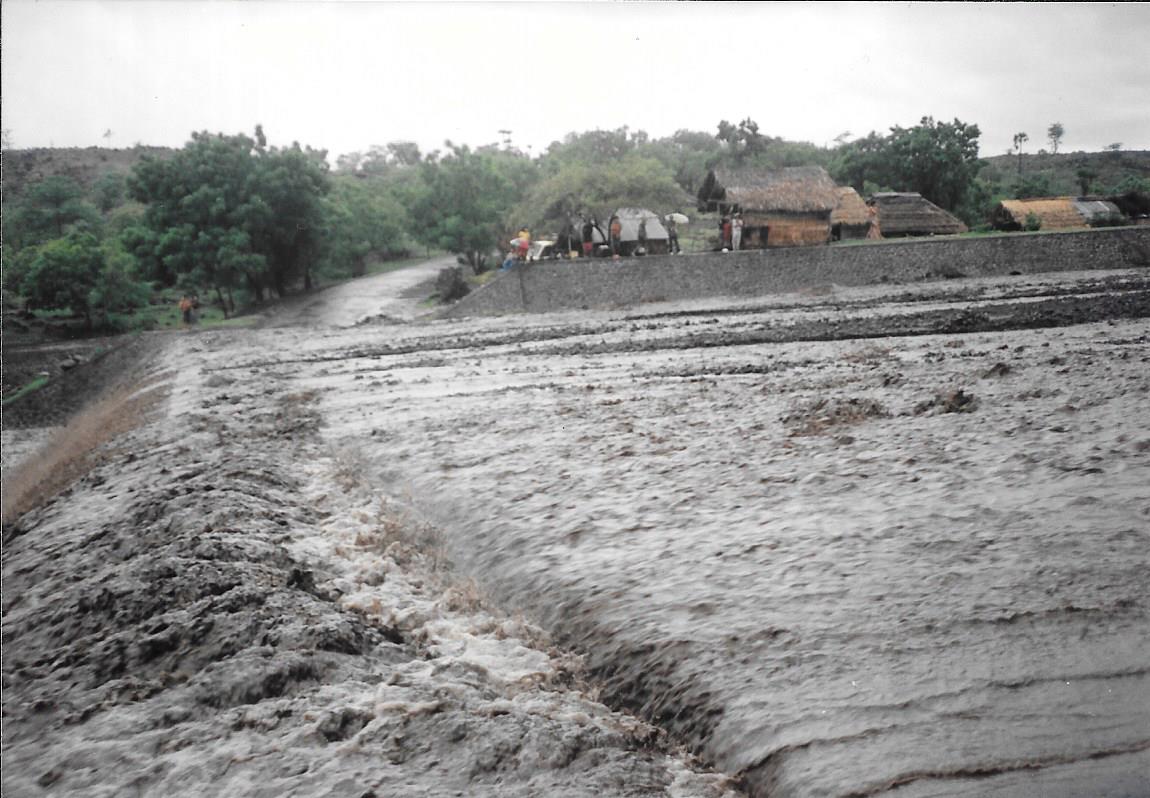
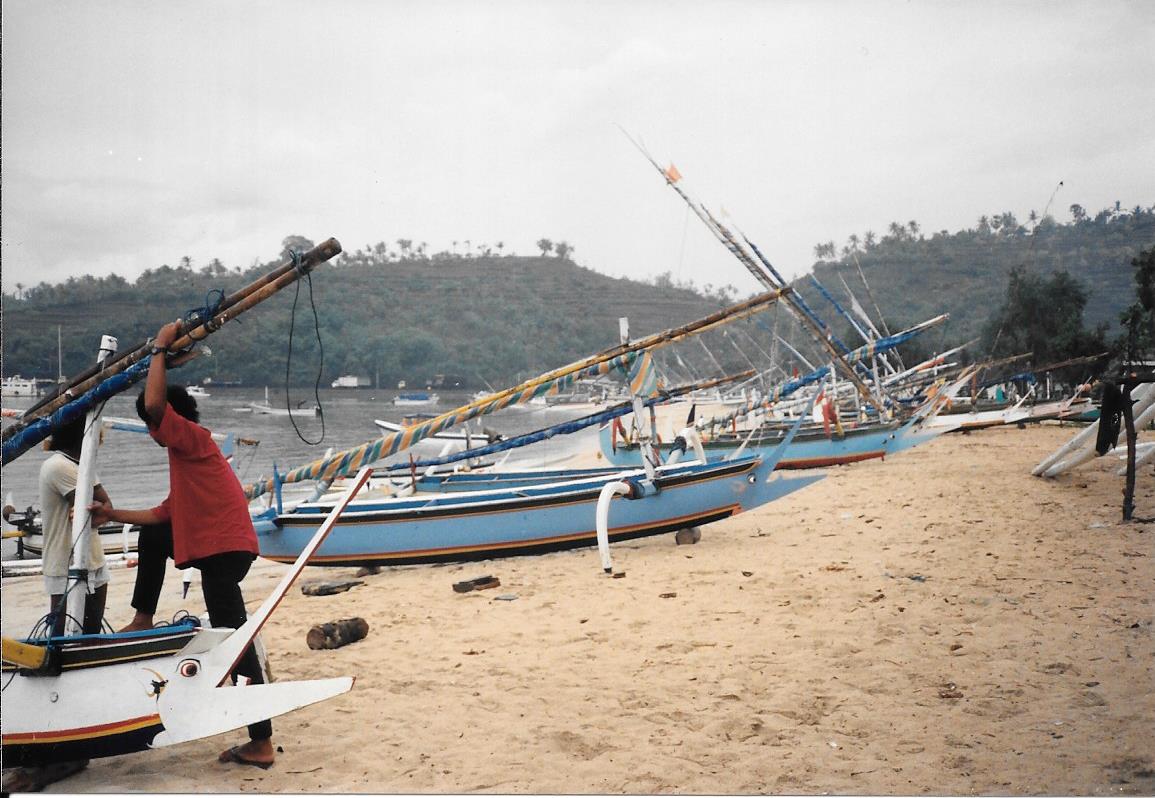
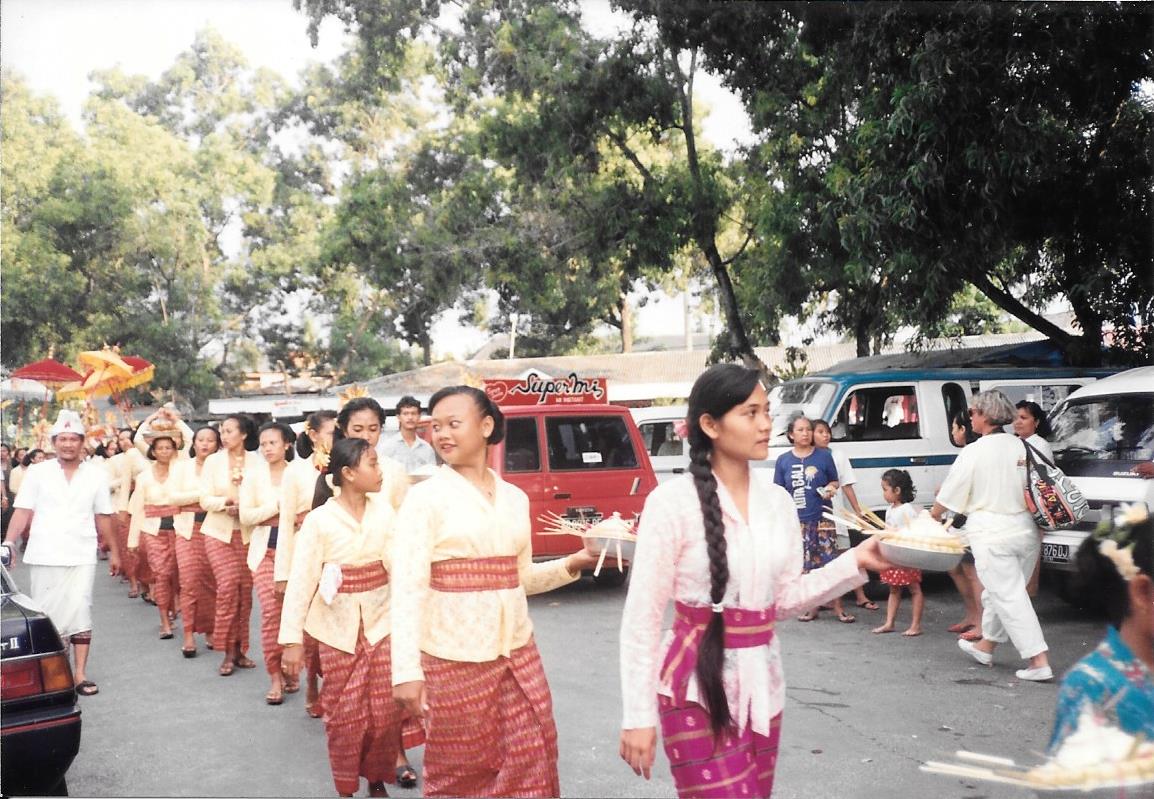
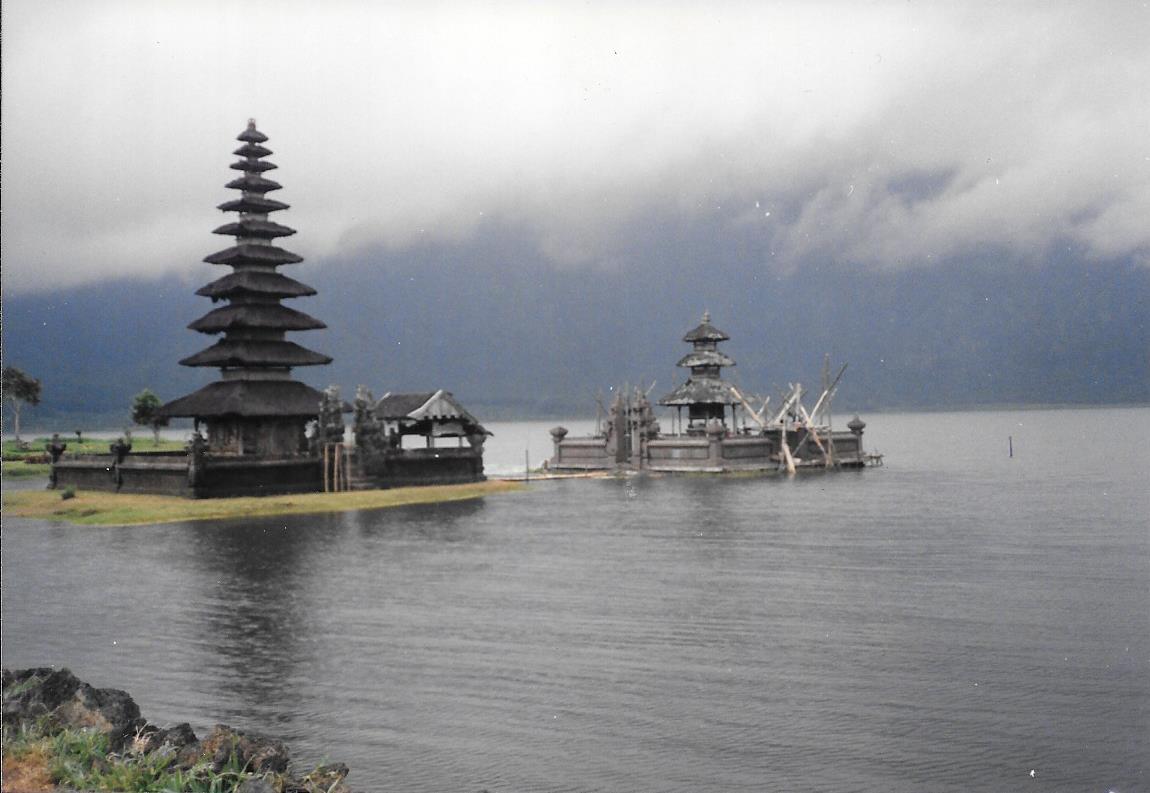
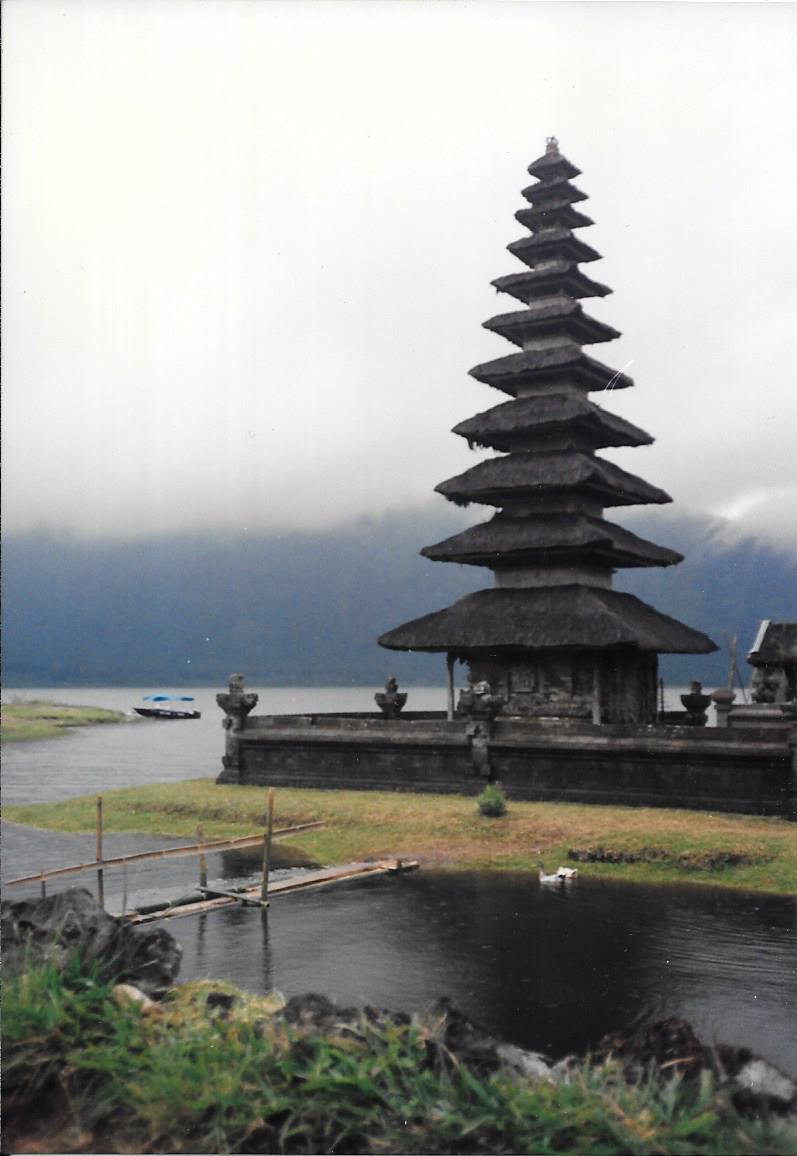
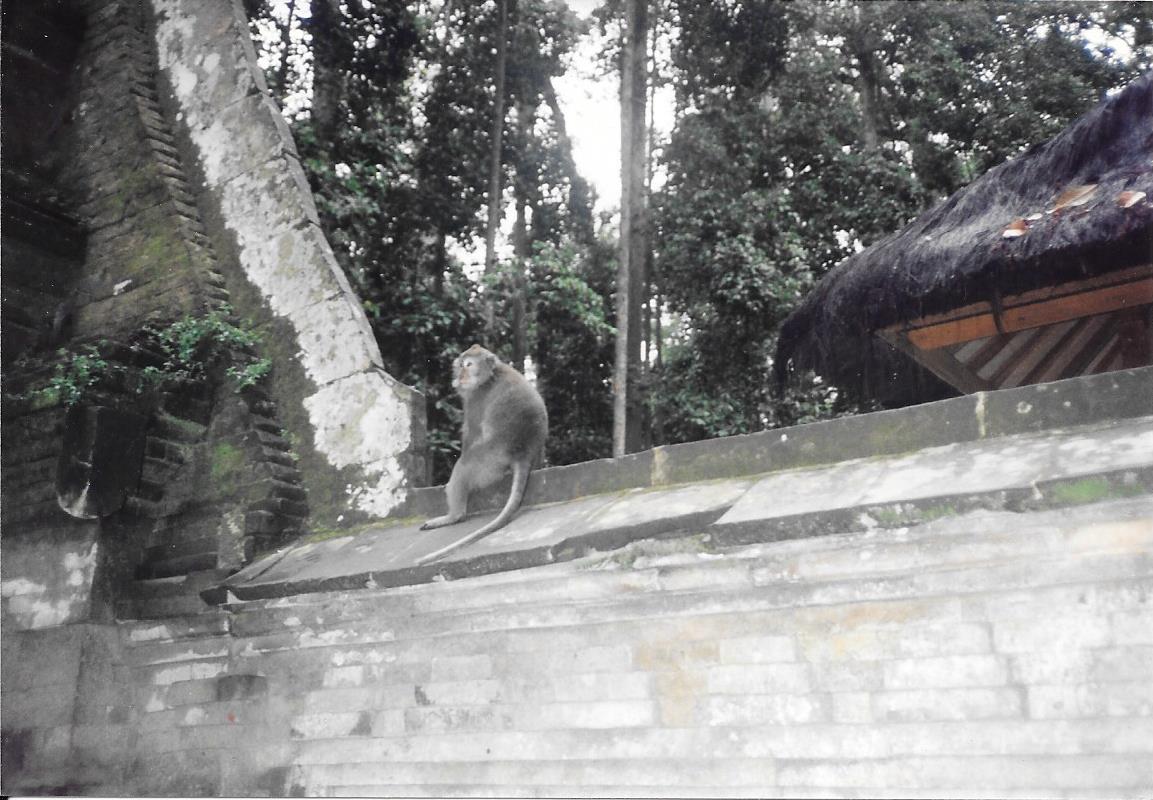
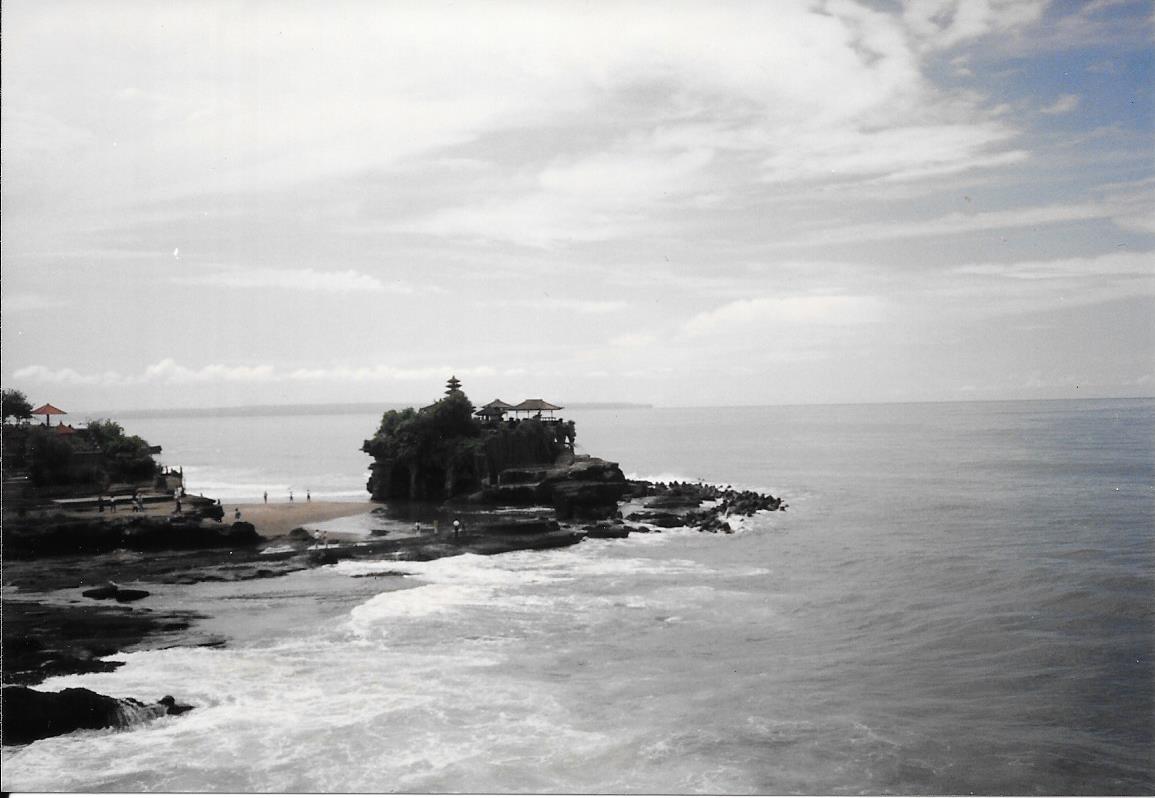
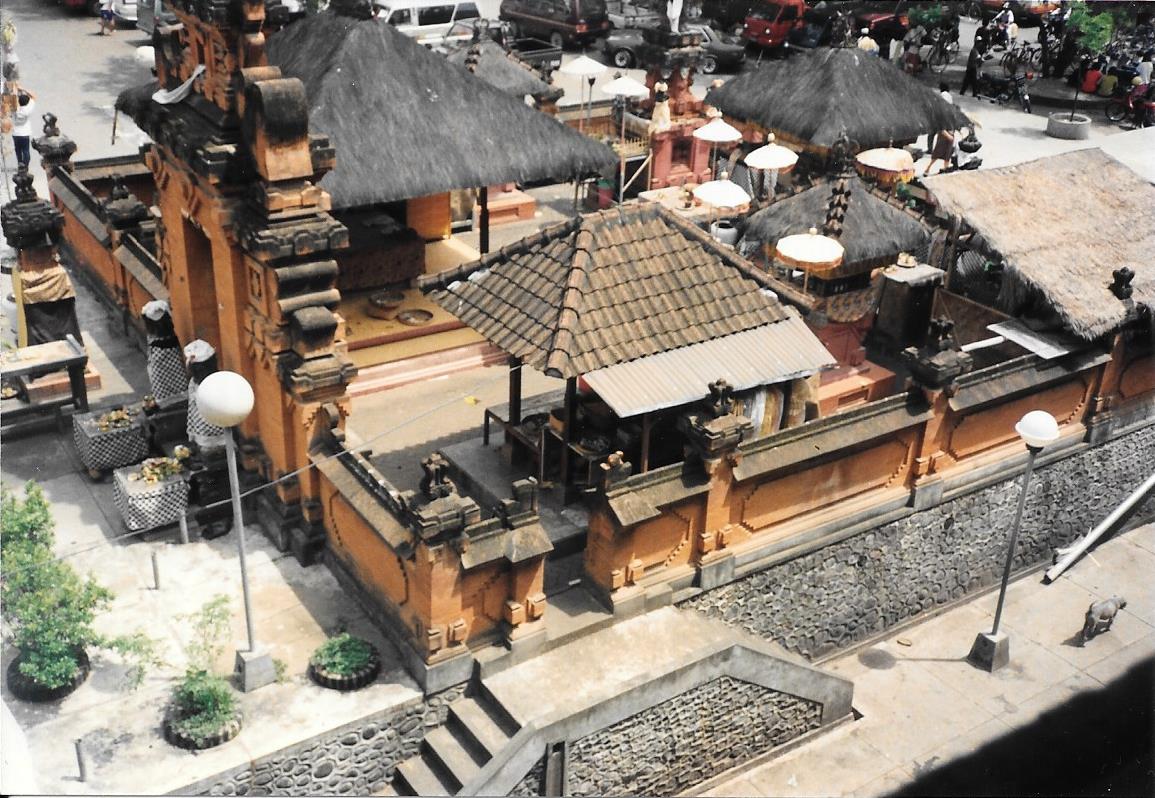
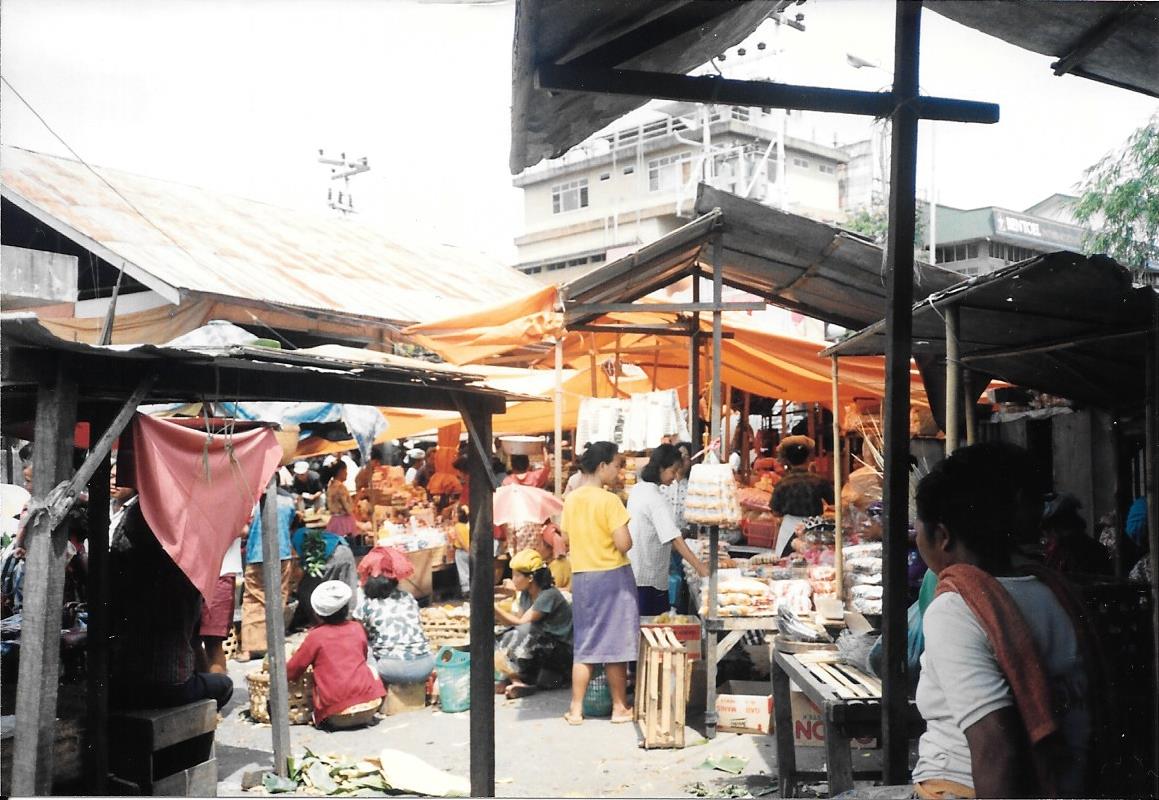
Arrived late afternoon Denpasar Airport. One hour drive to Ubud, hit immediately with major blast of culture shock, the place teaming with people working everywhere along the road, in the fields, carrying sacks of grain and piles of bricks on their heads. Four superb days in Ubud, a rural village, stayed in a bungalow with geckos on the ceiling. Walked the main road, through rain (it was the wet season), mud, and traffic, through a street procession to arrive home to a gift fruit basket on the doorstep and incense burning inside. Soft rain and cool breeze. Next day walked to the Puri Lukisan Museum, and onto the Lotus Café, onto the monkey forest, caught in downpour walking back to the village, few tourists a relief, people working in the fields, rice paddies, ducks, chickens, families, harmonious lifestyle. Reading in late afternoon and evening in the bale sikepat (guest pavilion) with pouring rain backdrop. Next morning woke to find a large rodent eating the fruit gift, after a frenetic chase it disappeared over the wall of the open air mandi (shower). At least the weather was fine for some walking, through the laneways in early morning mist, children on their way to school, onto the markets, busy selling tubs full of live eels, then embarked on a day tour to Bedulu (Elephant Cave), King’s Shrine, Tampaksiring (Holy Spring Temple), Bengli (Temple of Kehen), Kintamani with magnificent view of Mount Batur and the lake, then onto Temple Ulun Ranu Batur, and drive back through the iconic, stunning scenery of terraced golden rice fields. Then one more day walking around Ubud to the Neka Musuem. Next day two hour drive to Candidasa on the east coast, via Klungkung (the capital of Bali until twentieth century)1, stunning coastal scenery along the way. Candidasa right on the beach with a grand view, swimming, and drinks with fellow travellers, pink, blue, red sunset from the terrace. Next day dive trip to Tulemben on the extreme northeast corner of the island. Shocked when the women carried the scuba tanks on their heads to the dive beach. First dive, around the outside of a WWII navy shipwreck covered in all manner of marine life. Second dive inside the wreck, dark clouds overhead, sublime atmosphere of ever shifting grey light in the gloom, the iridescent fish even brighter. Surfaced in pouring rain. Flooding all along the road back, had to wait a couple of hours in a few spots, cheering crowds when we made road crossing to the other side, a new slant on unexpected adventure travel. Next day swimming, relaxing, preparing for another dive day, then onto Padangbai, a memorable drift dive. Walked in from the beach, practically no visibility but once in the current felt like flying, atmospheric, fish, rays, turtles, corals emerged through the gloom, wet season an interesting time for a dive. Surfaced on the other side of the bay, fortunately the dive instructor’s father found us from a distance and paddled over to collect us in his outrigger canoe. In retrospect probably lucky to be alive. Lesson learnt, hung up the dive suit for some time after that, self-preservation became a priority. Next day, two hour drive to Kuta. Lived up to its reputation, tourists, stalls, shopping, the beach. Next day walk to Legian trying to come down from the exhilaration of the scuba dives. Next day markets to focus on the huge range of artisan goods, textiles, woodcarving, stone carving, jewellery of varying quality. Next day, day tour to Bedugal, central-north region, first stop Tanah Lot, incredible coastal visage, then to Mangui rural village on a river, monks in attendance at the temple, onto Bedugul and its special lake, photographers paradise, light rain and mountain mist, then onto a monkey forest, with monkeys everywhere stealing whatever they could, one got away with a camera and a wallet, but eventually they did throw a few poses for the cameras. Next day Denpasar, the capital of Bali, chaotic markets, then back to Kuta before the flight back to Sydney. It was difficult to decide whether to laugh or cringe at the sight of the airport passenger queue, most men and women wearing sarongs, beaded hair, even the crew cuts, sunburn, three or four watches on each arm, carrying wrapped carvings, all happy and smiling, what a lift a break in paradise can achieve.

Places
Ubud
Candidasa
Tulemben
Padangbai
Bedugal
Tanah Lot
Kuta
Denpasar

901225 puri lukisan ubud 2

Puri Lukisan Museum, Ubud 25/12/1990

901225 puri lukisan ubud

Puri Lukisan Museum, Ubud 25/12/1990

901226 ubud 3

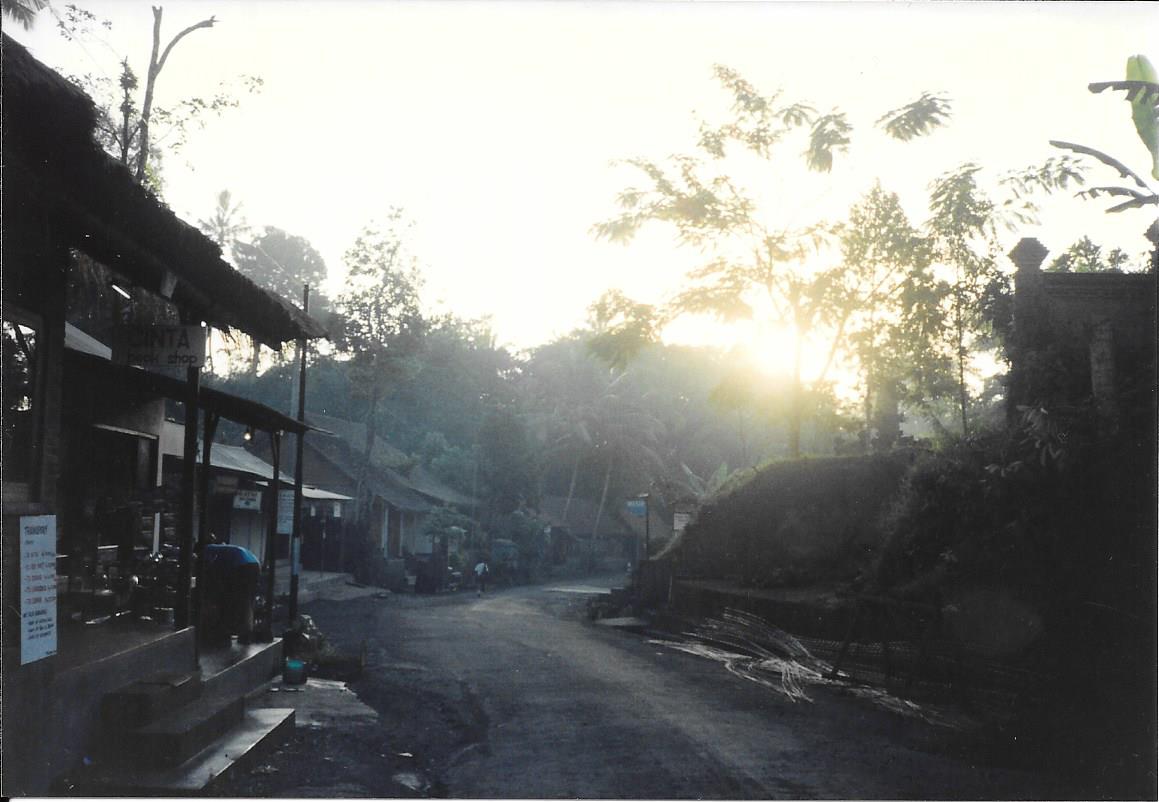
Early morning, Ubud 26/12/1990

901226 ubud 2

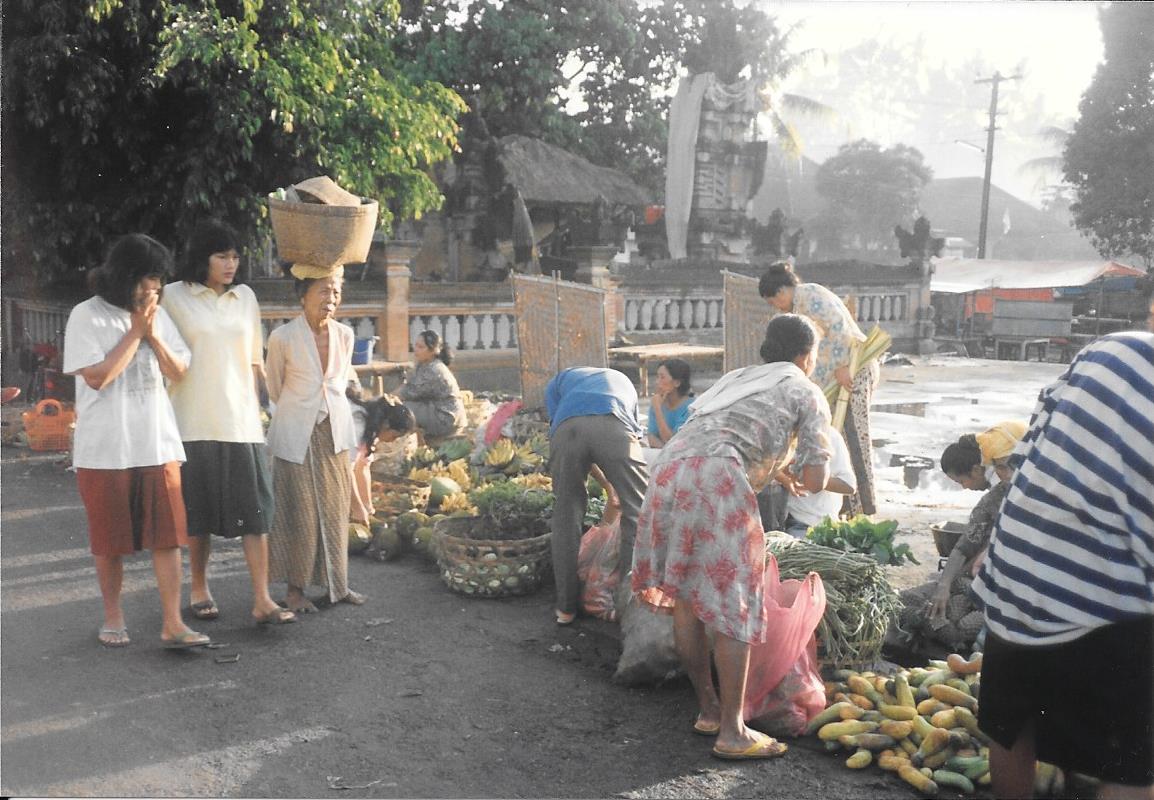
Morning market, Ubud 26/12/1990

901226 ubud 4

Ubud 26/12/1990

901226 ubud

Ubud 26/12/1990

901226 king's shrine - gunung kawi

King’s Shrine – Gunung Kawi, 26/12/1990

901226 kintamani - mount batur

Kintamani – Mount Batur, 26/12/1990

901226 tampaksiring (holy spring temple)

Tampaksiring (Holy Spring Temple), 26/12/1990

901226 ulun donu batur

Ulun Donu Batur 26/12/1990

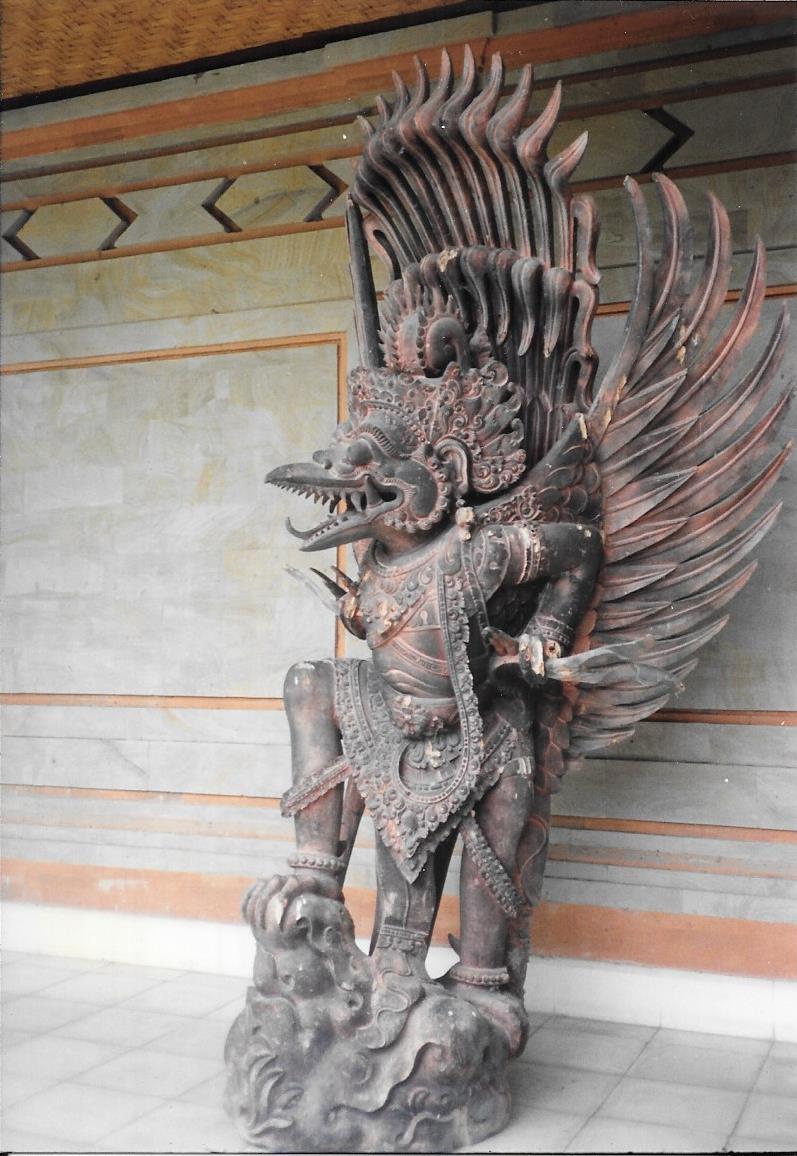
901227 neka museum ubud

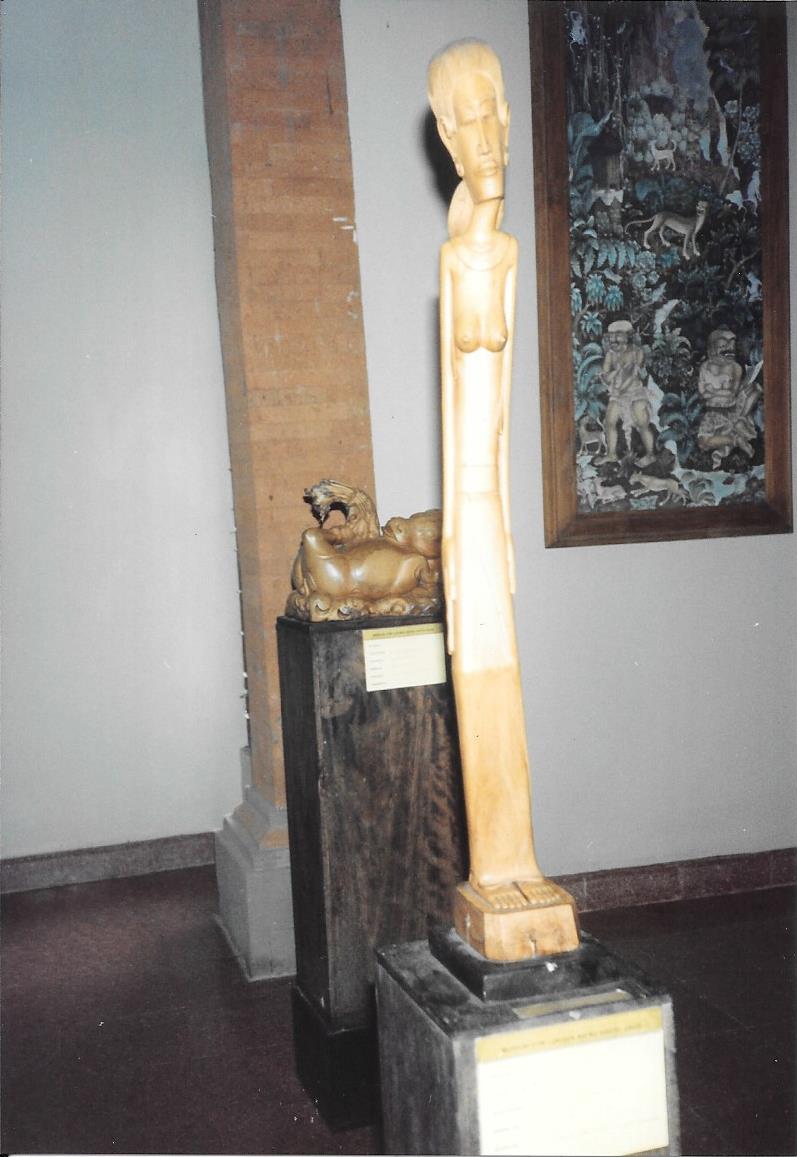
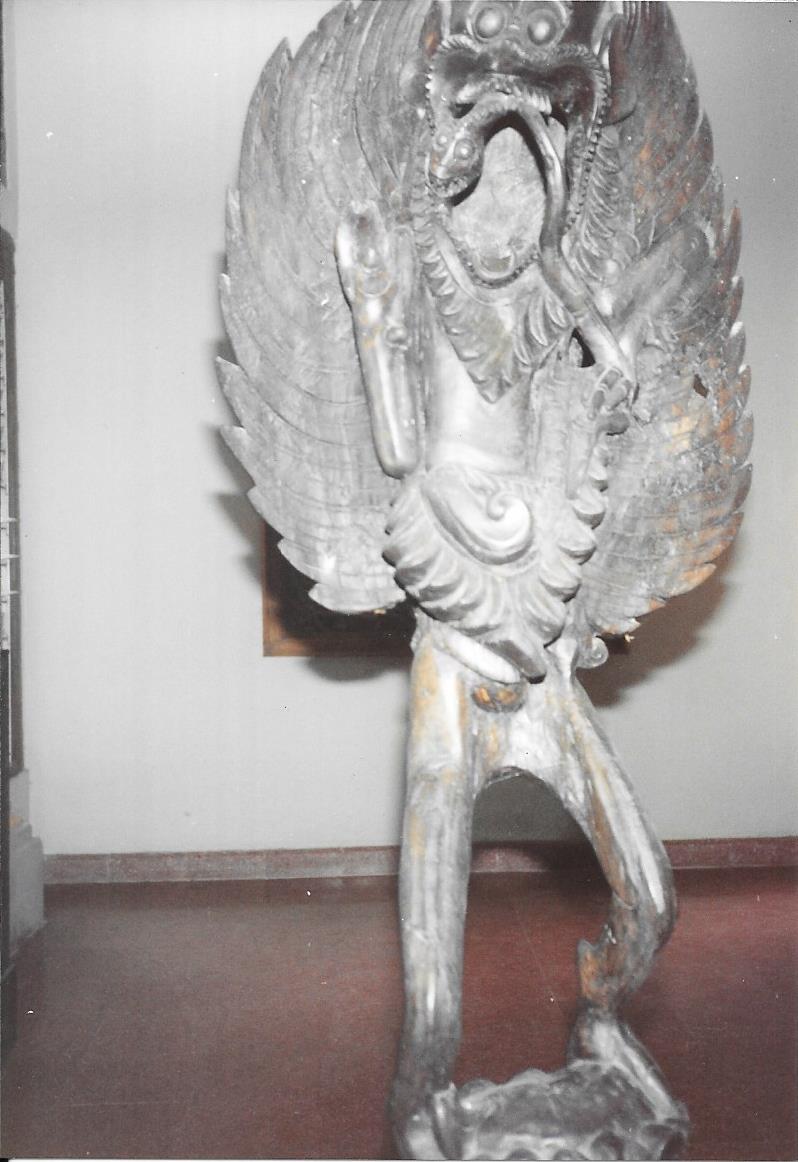
Garuda, Neka Museum, Ubud 27/12/1990

901228 candidasa

Candidasa 28/12/1990

901229 1 tulamben

Tulamben 29/12/1990

901229 tulamben

Tulamben 29/12/1990

901229 road crossing tulamben to candidasa

A road crossing Tulamben to Candidasa 29/12/1990

901231 padang bai

Padangbai 31/12/1990

910102 kuta

Kuta 2/1/1991

910104 bedugul 2

Bedugul 4/1/1991

910104 bedugul

Bedugul 4/1/1991

910104 sangeh

Sangeh 4/1/1991

910104 tanah lot

Tanah Lot 4/1/1991

910105 denpasar 2

Denpasar 5/1/1991

910105 denpasar

Denpasar 5/1/1991

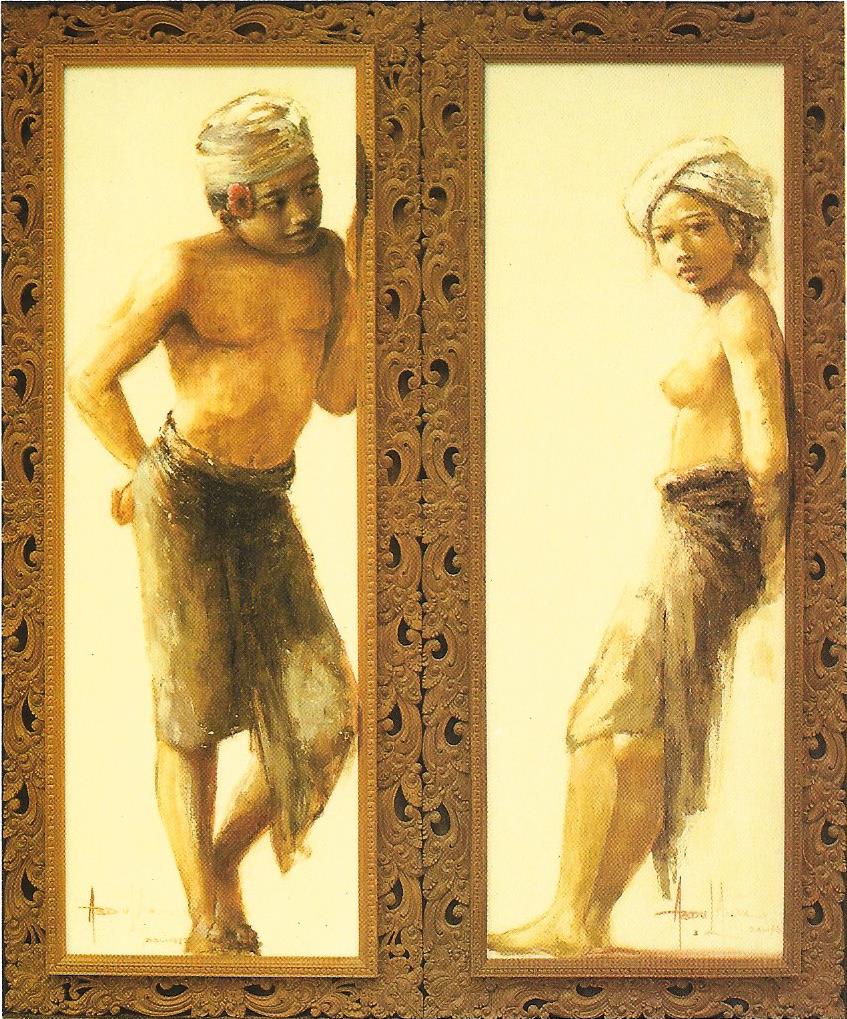
Art References
Neka Museum, Ubud

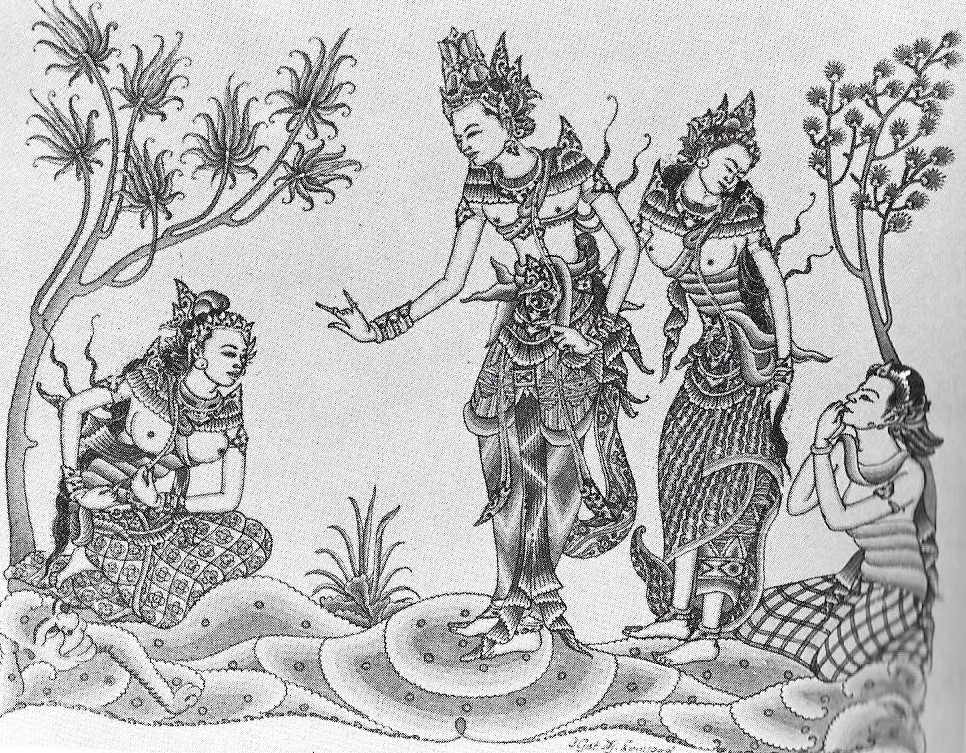
i gusti nyoman lempad, rama and sita encounter rawana_s sister

I Gusti Nyoman Lempad, Rama and Sita encounter Rawana’s sister Surpanakha (the epic of Ramayana) 1956
anak agung gede sobrat, bumblebee dance, 1970

Anak Agung Gede Sobrat, Bumblebee Dance, 1970

abdul aziz, mutual attraction, 1974-75

Abdul Aziz, Mutual Attraction, 1974-75

Ian Fairweather
Set a whole new benchmark for extraordinary life experience.
Chronology – a brief summary
Served in WWI, sent to Belgium, taken prisoner and spent four and a half years in Germany as a prisoner of war, after the armistice in 1918, he studied art at the Slade School in London (1920-24), while learning Japanese and Chinese at the School of Oriental Studies at the University of London (1921). During the 1930s and 40s lived a nomadic existence, travelling extensively in Canada, China, Indonesia, and Australia. Spent three years in Shanghai immersed in Chinese culture. Chinese calligraphy an essential part of his art practice, drawing paintings, he had watched calligraphers at work, calligraphy as performance, dynamic form of gesture.2 Stayed in Bali for nine months in 1933, completed 30 to 40 works there, returning to the theme throughout his life. Served with the British Army in India in WWII from 1941 to 1943. After the war, returned to Australia, living among the local Aboriginal community near Cairns. A turning point in his life and work occurred in 1952 when he built a raft, made of timber and three old aircraft fuel tanks2, intending to sail from Darwin to Bali, instead spent 17 days drifting across the Arafura Sea, nights spent in hallucinatory visions2, washed up close to death on a beach in Roti, Indonesia, last stop before the Indian Ocean. Held under house arrest by Indonesian authorities for three months, then deported to Singapore and then to England, where he dug ditches to raise money to return to Australia, settled on Bribie Island off the coast of Queensland in 1953. On Bribie Island he built a thatched hut studio and, living as a recluse, continued to paint until his death in 1974, producing some of the most significant works of his career, aged 61-77, ‘abstract soliloquies.’2 Dominated by an increasing abstraction, his paintings remained an amalgam of European, Asian and Aboriginal influences.3 A scholar he could read, translate, write and speak Mandarin. He wrote a book The Drunken Buddha, published 1965, a translation of a traditional Chinese novel. His affinity for Chinese culture in part provides some explanation for his choice of lifestyle as a recluse amateur artist, traditionally in China amateur artists were more highly regarded than the artisan professional artists. His compositions open without boundary lines, drawn with the brush, spontaneous, overpainting, instinctive painter. Process set the elements of image, calligraphy, and abstract expressionism at odds. Integrity, independence, power, presence. Shalimar, has more than fifty layers of paint. 2
A quote, 1963:
Painting to me is something of a tightrope act; it is between representation and the other thing – whatever that is. It is difficult to keep one’s balance.1

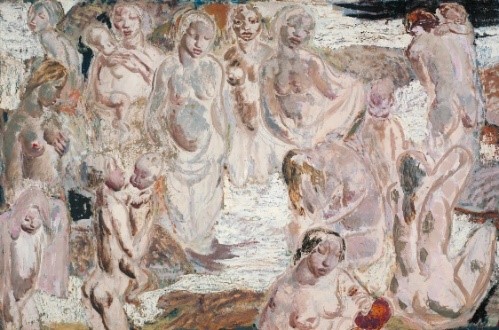
ian fairweather, bathing scene, bali, c.1933–4

Ian Fairweather, Bathing Scene, Bali, c.1933–4

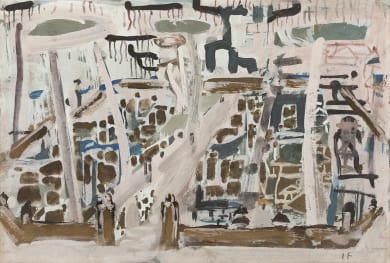
ian fairweather, temple, bali 1954

Ian Fairweather, Temple, Bali, 1954

ian fairweather, anak bayan, 1957

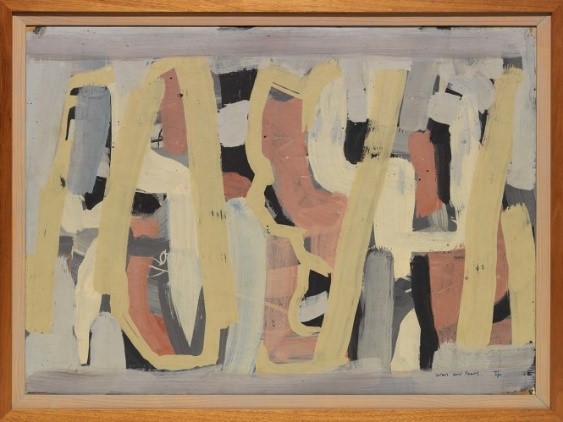
Ian Fairweather, Anak Bayan, 1957

ian fairweather, war and peace, 1959

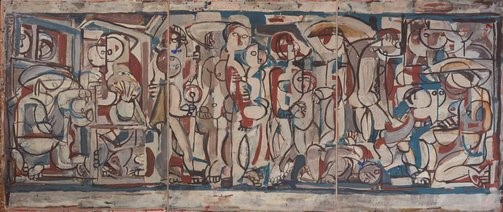
Ian Fairweather, War and Peace, 1959

ian fairweather, monastery, 1961

Ian Fairweather, Monastery, 1961

ian fairweather mangrove 1961-62

Ian Fairweather, Mangrove, 1961-62

ian fairweather, monsoon, 1961-62

Ian Fairweather, Monsoon, 1961-62

ian fairweather, epiphany, 1962

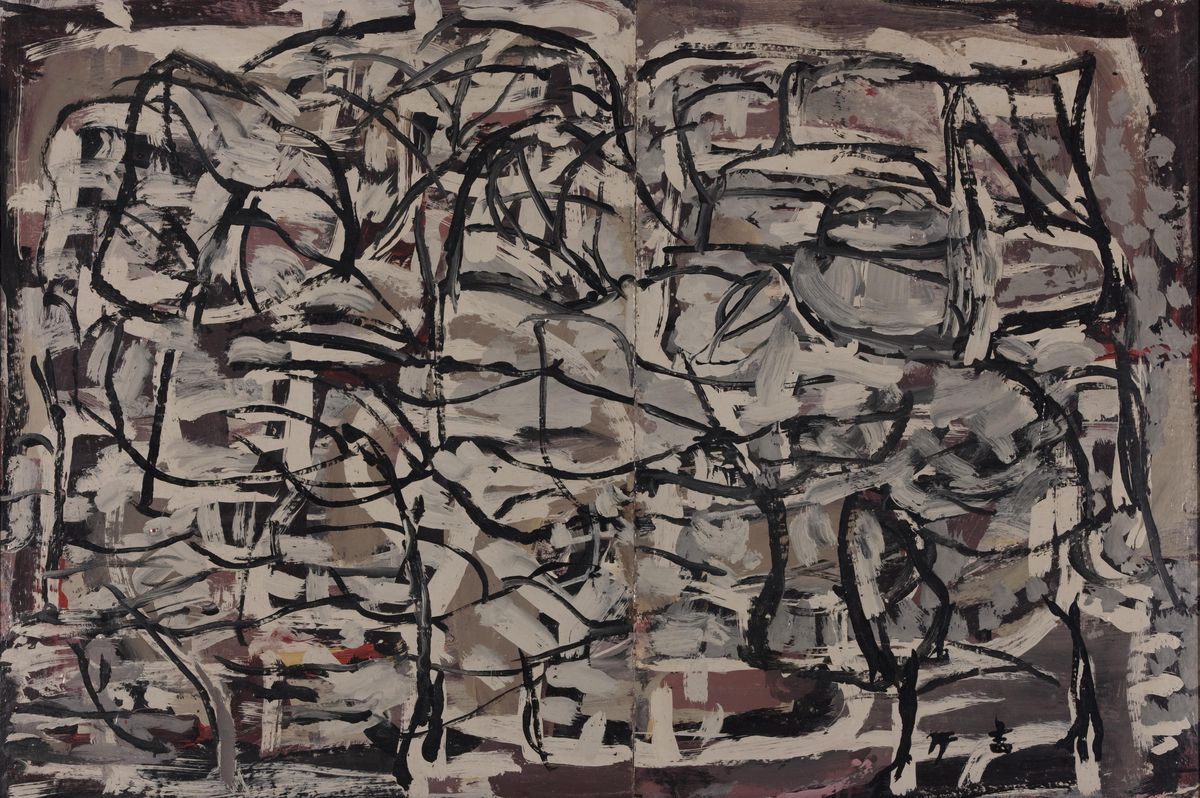
Ian Fairweather, Epiphany, 1962

ian fairweather, shalimar, 1962

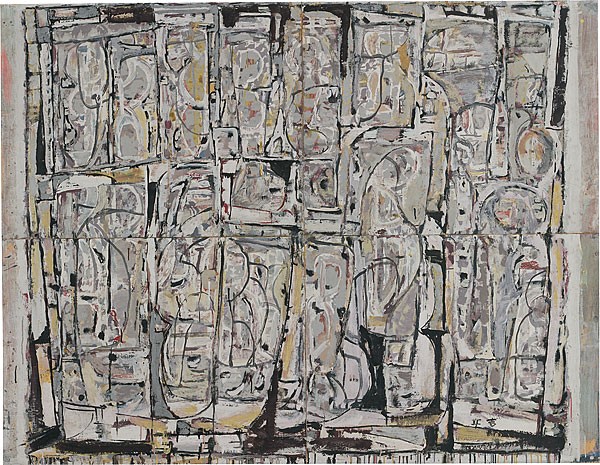
Ian Fairweather, Shalimar, 1962

Other art references

rudolf bonnet, market scene, 1948

Rudolf Bonnet, Market Scene, 1948

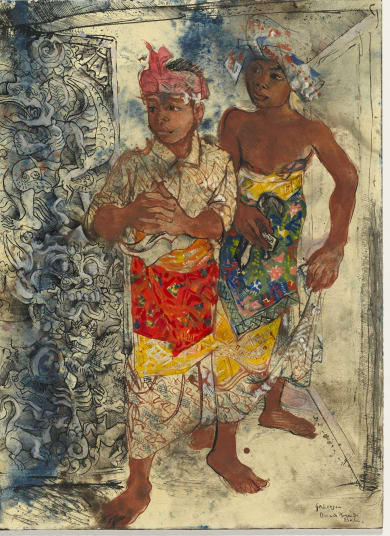
donald friend, galungan, 1967-80

Donald Friend, Galungan, 1967-80

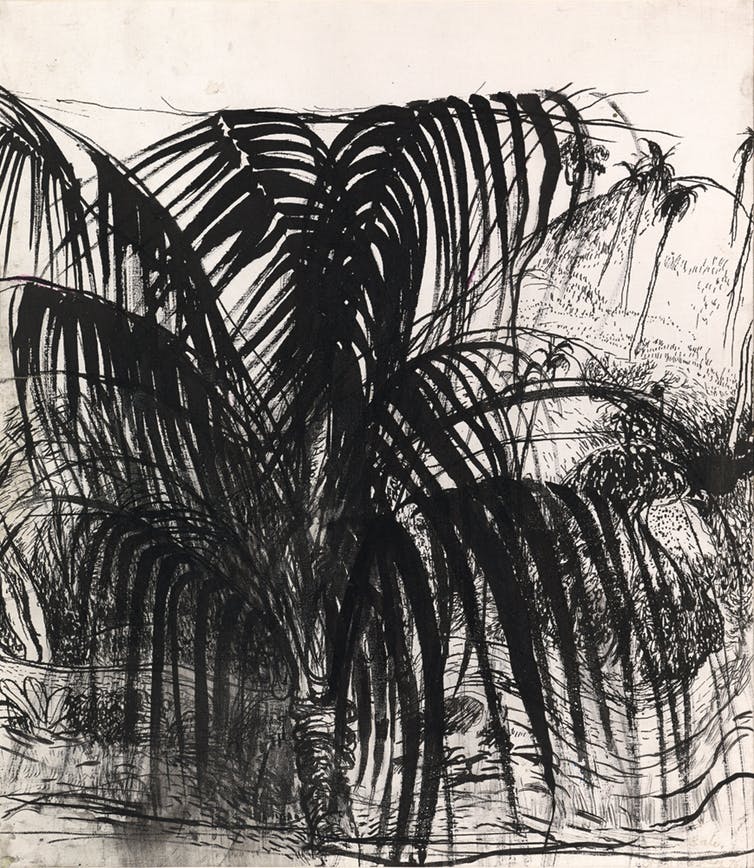
brett whiteley, palm tree, bali, 1976

Brett Whiteley, Palm tree, Bali, 1976

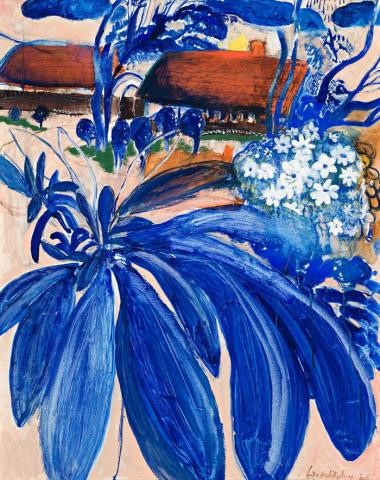
brett whiteley, view from the window, bali, 1978

Brett Whiteley, View from the window, Bali, 1978

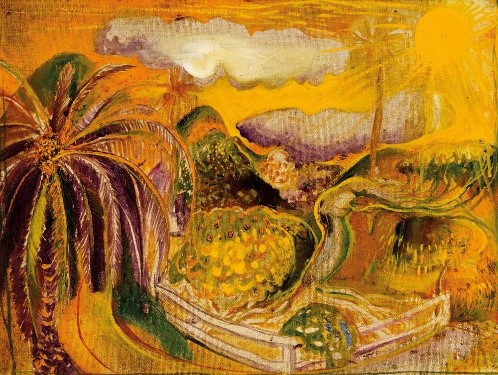
brett whiteley, walk at ubud, 1979

Brett Whiteley, Walk at Ubud, 1979

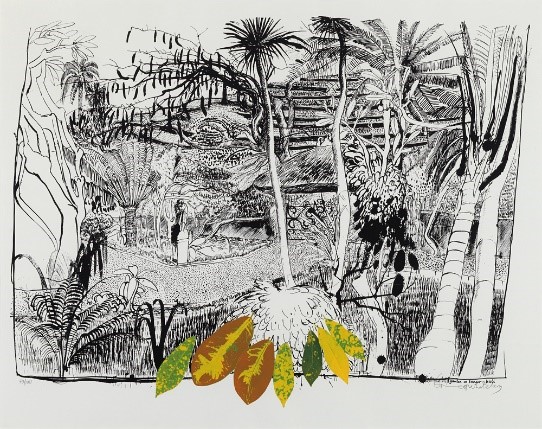
brett whiteley, the garden in sanur, bali 1980

Brett Whiteley, The Garden in Sanur, Bali 1980

james smeaton, ceremony, 2012

James Smeaton, Ceremony, 2012

Art references – links
Anak Agung Gede Sobrat, Bumblebee Dance, 1970
Abdul Aziz, Mutual Attraction, 1974-75
Ian Fairweather, Bathing Scene, Bali, c.1933–4
Ian Fairweather, Temple, Bali, 1954
Ian Fairweather, Anak Bayan, 1957
Ian Fairweather, War and Peace, 1959
Ian Fairweather, Monastery, 1961
Ian Fairweather, Mangrove, 1961-62
Ian Fairweather, Monsoon, 1961-62
Ian Fairweather, Epiphany, 1962
Ian Fairweather, Shalimar, 1962
Walter Spies, Sawas im Preangergebirge, 1923
Rudolf Bonnet, Market Scene, 1948
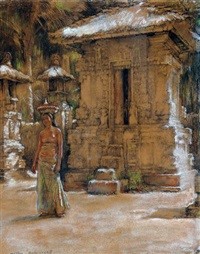
Willem Hofker, At the temple gate, 1939
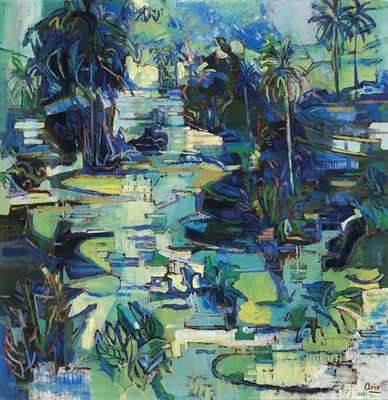
Arie Smit, Rice Fields, 1962
Donald Friend, Galungan, 1967-80
Brett Whiteley, Palm tree, Bali, 1976
Brett Whiteley, View from the window, Bali, 1978
Brett Whiteley, Walk at Ubud, 1979
Brett Whiteley, The Garden in Sanur, Bali 1980
James Smeaton, Ceremony, 2012
Ben Quilty, Kuta Rorschach no.2 (detail), 2014

Other references
1 Bali Handbook, Bill Dalton, 1990

Neka Museum Guide to the Painting Collection, 1986

The Miracle of Bali, David Attenborough, 1969, The Tribal Eye BBC documentary, DVD

2Fairweather, Queensland Art Gallery, Murray Bail, 1994

3 Ian Fairweather, online biography, Art Gallery of NSW

The Drawings of Ian Fairweather, Tim Fisher, National Gallery of Australia, 1997

Ian Fairweather, Late Works 1953-74, Queensland Art Gallery and Gallery of Modern Art, 2012

Fairweather Man, ABC documentary, Aviva Ziegler, 2008, DVD

Fairweather, All Dry No Rain, Paintlater blog 6/2/2013, Queensland Art Gallery exhibition Ian Fairweather – Late Works 1953-1974

Bali an island of enchantment for Australian artists Friend, Whiteley, Chris Allen, The Australian, 28 November 2015

Australian artists in Bali find there’s more to paradise than postcards, Andrew Stephens, The Sydney Morning Herald, 12 September 2015

Australian Artists in Bali, McClelland Sculpture Park and Gallery, September 20-November 29. mcclellandgallery.com

Brett Whiteley’s drawings reveal the artist as a master draughtsman, Ted Snell, The Conversation, 23 February, 2015

Sasha Grishin’s review of Ian Fairweather: The Drunken Buddha, Sydney Morning Herald, 2 January 2015