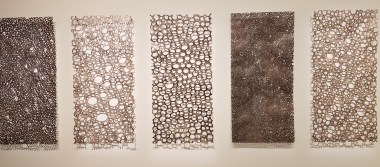
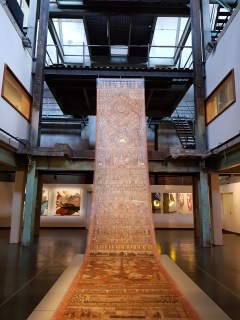
Image above: Melissa Smith, Resonating chords, 2019
2020 gallery visits, summaries and images
Exhibitions list
Saturday 5 December 2020 – Summer exhibition, Manly Art Gallery, Sydney
Laura Jones – The Garden – A new body of work in response to the unique Hawkesbury River landscape.
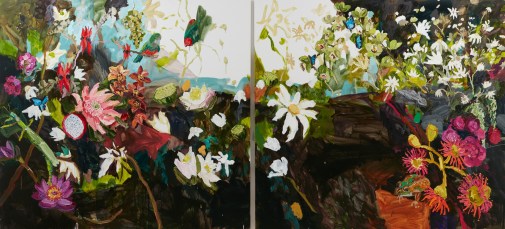
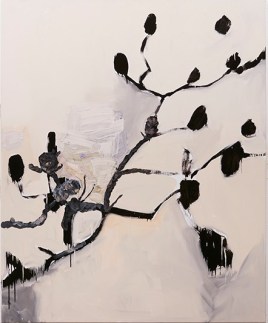
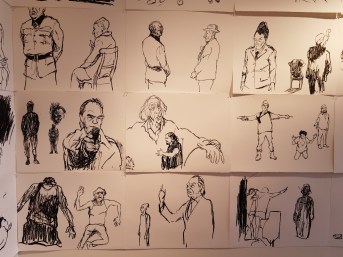
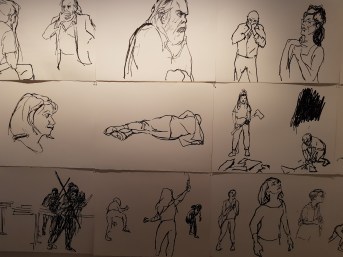
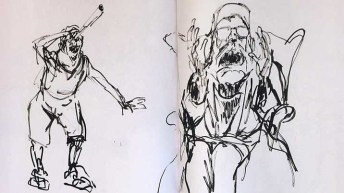
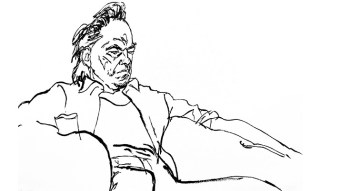
Nicholas Harding: The Theatre Sketchbooks
Gestural drawing at its best – room full of actors in action capturing character and life.
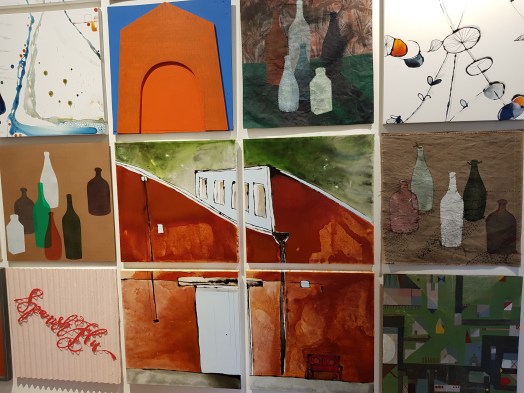
History Repeats – Jo Neville, Julie Paterson and Fiona Chandler respond to Q Station, North Head
Wednesday 2 December 2020 Streeton, Art Gallery NSW, Sydney
‘The impressionist who captured Australia’s light, land and sea” like no other, the Sydney harbour paintings iconic. He was an early environmentalist. Dazzled by the scope of the exhibition – works gathered in from near and far galleries and private collections.
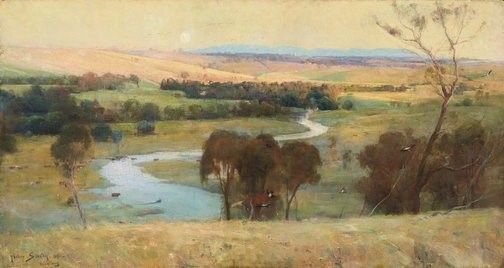
Streeton, Still glides the stream, and shall for ever glide, 1890
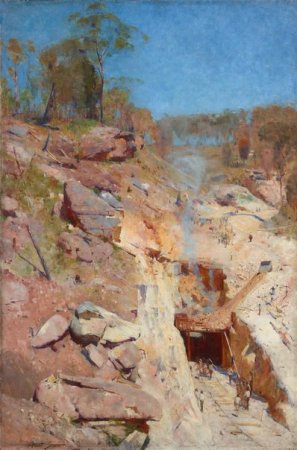
Streeton, Fire’s on, 1891
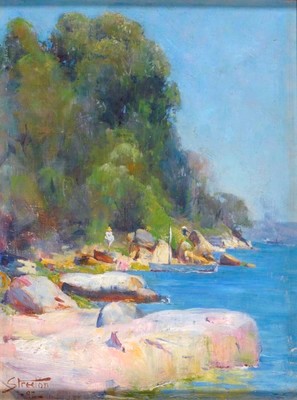
Streeton, Near Streeton’s Camp at Sirius Cove, 1892
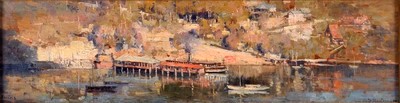
Streeton, The Wharf, Mosman’s Bay, 1907
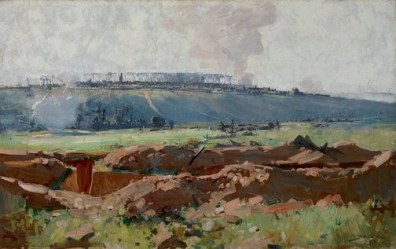
Streeton, Villers-Bretonneux, 1918
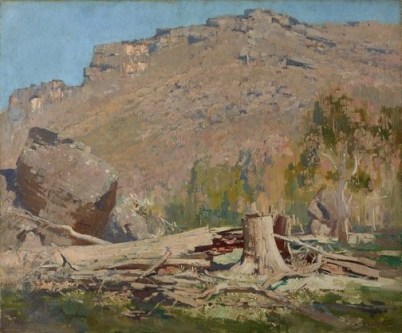
Streeton, Beneath the peaks, Grampians, 1920-1921
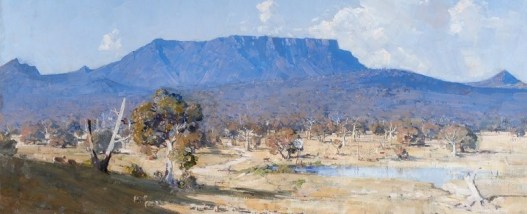
Streeton, Land of the Golden Fleece, 1926 (detail)
Friday 30 October 2020 Archibald, Wynne and Sulman Prizes 2020, AGNSW
The annual selection lottery for the portraits seems to be getting more forgettable, more of the same, but perhaps more about social history and that is probably a good thing. The Wynne prize seems to be getting stronger every year particularly now that a range of indigenous works are regularly included, these works always evocative, capturing spirt of place.
Reference articles:
The most refreshing Archibald exhibition I can remember’: the 2020 portrait prize finalists, Joanna Mendelssohn, The Conversation, 17 September 2020
At last, the arts Revolution — Archibald winners flag the end of white male dominance, Joanna Mendelssohn, The Conversation, 25 September 2020
The Archibald Prize 2020: The Review, John McDonald, Sydney Morning Herald, 3 October, 2020
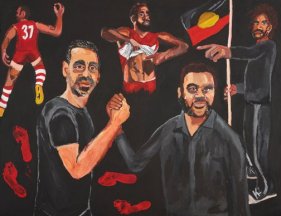
Vincent Namatjira, Stand Strong for who you are (Archibald winner)
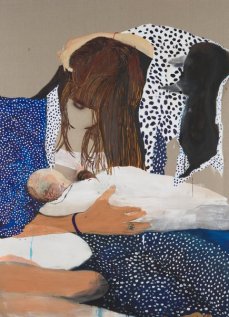
William MacKinnon, Sunshine and Lucky (life)
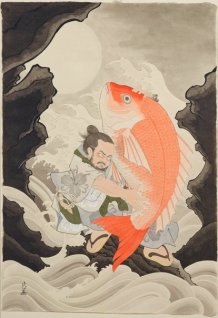
Yoshio Honjo, Adam with bream
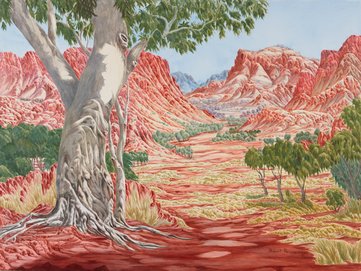
Hubert Pareroultja, Tjontja (West MacDonnell Ranges, NT) (Wynne winner)
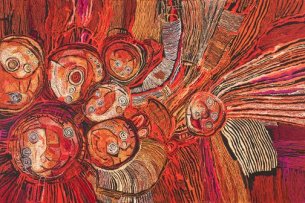
Nyunmiti Burton, Seven Sisters
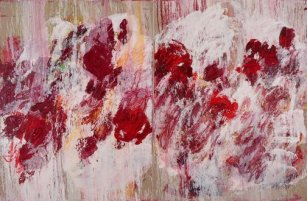
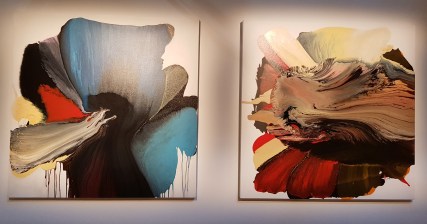
Aida Tomescu, Silent Spring
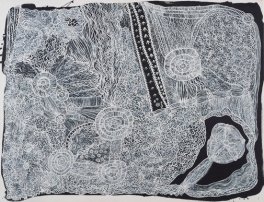
Betty Muffler, Ngangkari Ngura (healing place)
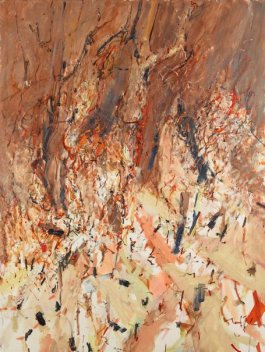
John R Walker, Fireground 2 (for Matty H)
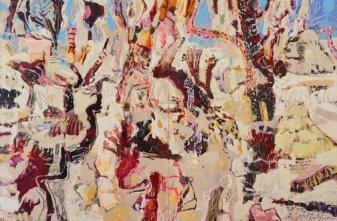
Luke Sciberras, White Christmas, Bell, NSW
Wednesday 28 October 2020 Lindy Lee: Moon in a Dew Drop, Museum of Contemporary Art, Sydney
Inspirational works. A major survey exhibition by Australian Chinese artist Lindy Lee “shimmering, meditative and thought-provoking works in her largest survey exhibition to date, which draws on her experience of living between two cultures. Using a spectacular array of processes which include flinging molten bronze, burning paper and allowing the rain to transform surfaces, Lee draws on her Australian and Chinese heritage to develop works that engage with the history of art, cultural authenticity, personal identity and the cosmos. Key influences are the philosophies of Daoism and Ch’an (Zen) Buddhism, which explore the connections between humanity and nature. Curated by MCA Director, Elizabeth Ann Macgregor OBE, this exhibition includes over 70 works from across the artist’s extensive career, from early photocopy artworks and wax paintings to recent large-scale installations and sculptures.”
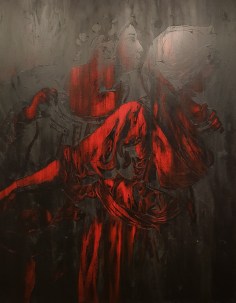
Lindy Lee, Virtue, Moral Order and the Discretion of Human Gesture, 1991

Lindy Lee, The Dark, 1999
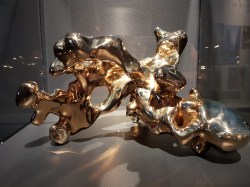
Lindy Lee, Flame from the Dragon’s Pearl – Unnameable, 2013

Lindy Lee, Listening to the Moon, 2018
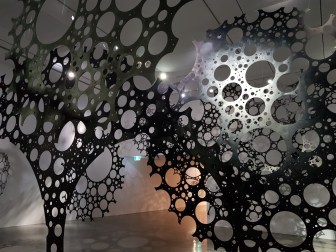
Lindy Lee, Moonlight Deities, 2019–20
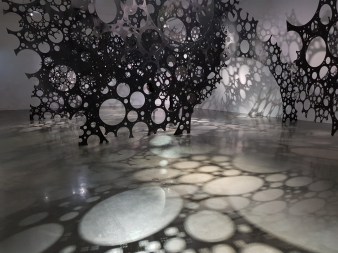
Lindy Lee, Moonlight Deities, 2019–20
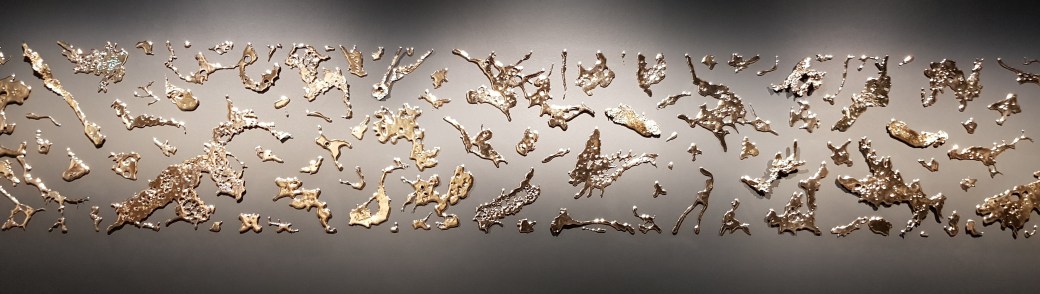
Lindy Lee, Strange Condensations, 2020
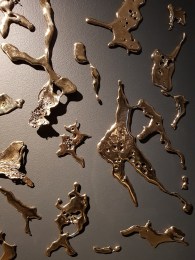
Lindy Lee, Strange Condensations, 2020 (detail)
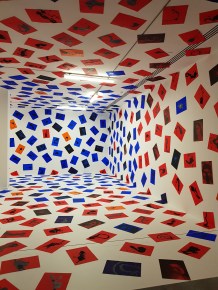
Lindy Lee, No Up, No Down, I Am the Ten Thousand Things, 1995-2020
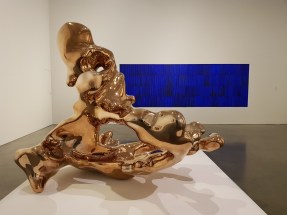
Lindy Lee, Open as the Sky, 2020 (front), Under the Shadowless Tree, 2020 (back)
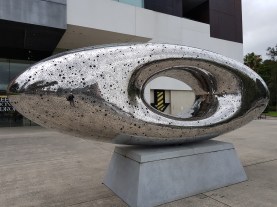
Lindy Lee, Secret World of a Starlight Ember, 2020
Installation views
Friday 9 October 2020, World Press Photo exhibition, State Library, Sydney
Another interesting and confronting mix this year, a reality check on what happened in the world over the past twelve months. “Selected from the prestigious World Press Photo contest, the exhibition features more than 150 powerful and evocative images and photo series captured by professional photographers from across the globe. It covers contemporary issues, the environment, general news, long-term projects, nature, portraits, sports and spot news.”
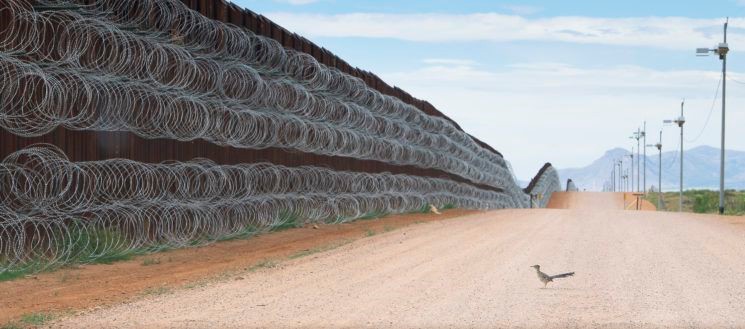
Alejandro Prieto, Mexico – a Greater Roadrunner approaches border wall at Naco, Arizona on 28 April, Nature, Singles, 2nd Prize
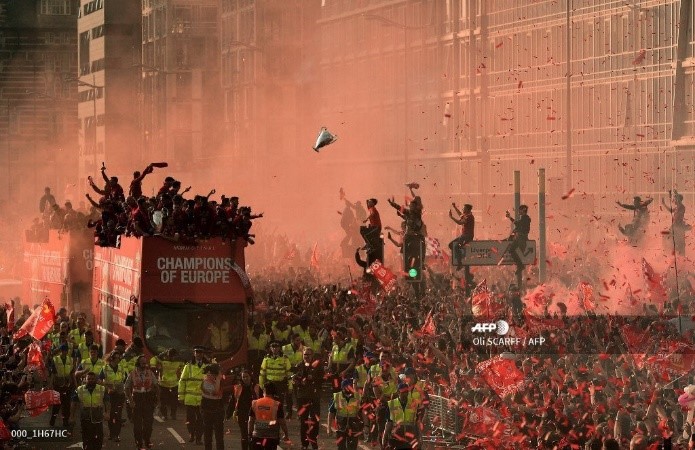
Oli Scarff, UK – a trophy shaped balloon floats over crowd in Liverpool, Sports, Singles, 3rd Prize
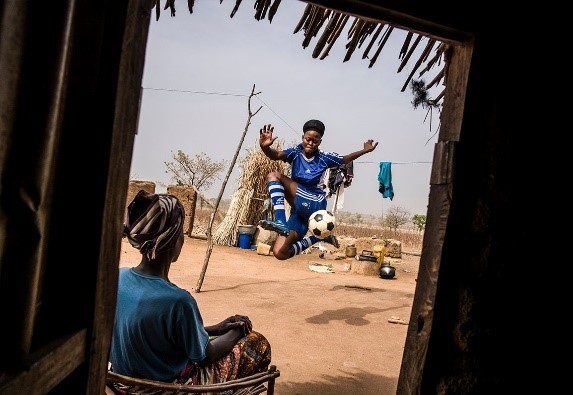
Oliver Papegnies, Belgium – the Gazelles de Gouandé from Gouandé village in northern Benin – Sports, 2nd Prize
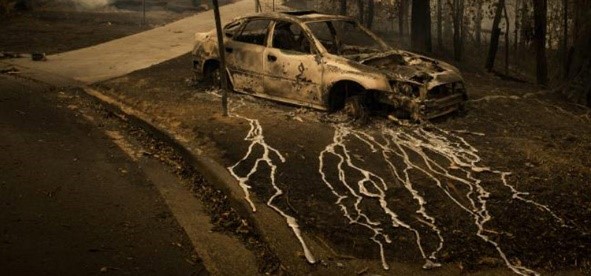
Matthew Abbott, Australia’s Bushfire Crisis – Conjola Park, Spot News, Stories, 2nd Prize
Wednesday 23 September 2020 Light Shadow: Koo Bohnchang, Korean Cultural Centre Australia Gallery, Sydney
Sublime Spring morning out at the Korean Cultural Centre Australia Gallery
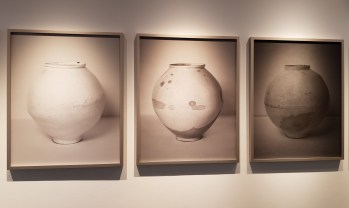
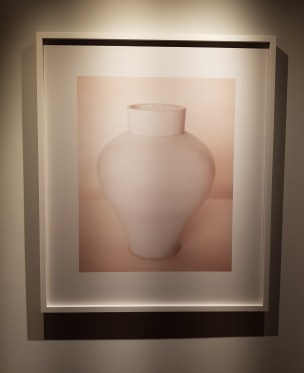
“Featuring 39 artworks, Light Shadow captures the moment of encounter between white porcelains of the Joseon Dynasty (1392-1897), a camera and an artist. Koo Bohnchang embarked on a journey in search of Korean white porcelains scattered all over the world in different museums. For more than 30 years, he has been a pioneer and leader of modern Korean photography. The exhibition presented by the KCC is his long-awaited first solo show in Australia.” “In this series I wanted to make the ceramics seem as if they were floating, not fixed in reality. I wanted to infuse the picture with more warmth and spirit. I wanted to capture the spirit of a vessel as if it were the portrait of a person.” – Koo Bohnchang
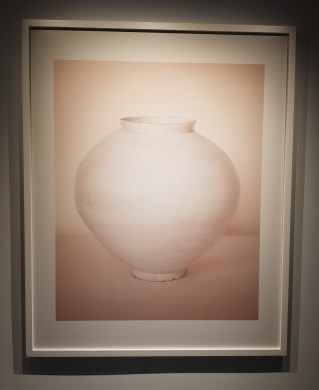
Koo Bohnchang, AAM01, 2011, location of pottery Asian Art Museum of San Francisco
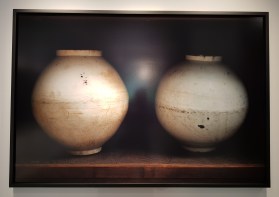
Koo Bohnchang, JM04-1, 2006, location of pottery The Japan Folk Crafts Museum, Tokyo
Installation views


Friday 28 August 2020 Sydney Biennale, Carriageworks, Sydney
Clear bright sky blue day. Good to be back, missed the space where big conceptual contemporary art can soar.
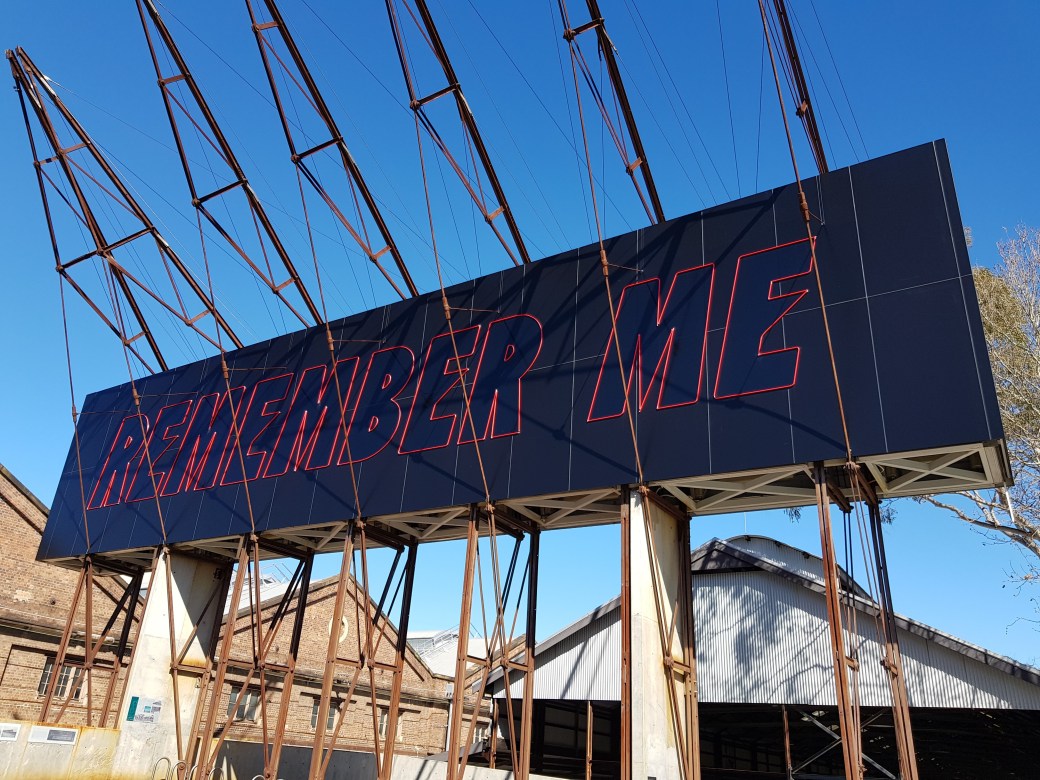 Reko Rennie, REMEMBER ME, 2020
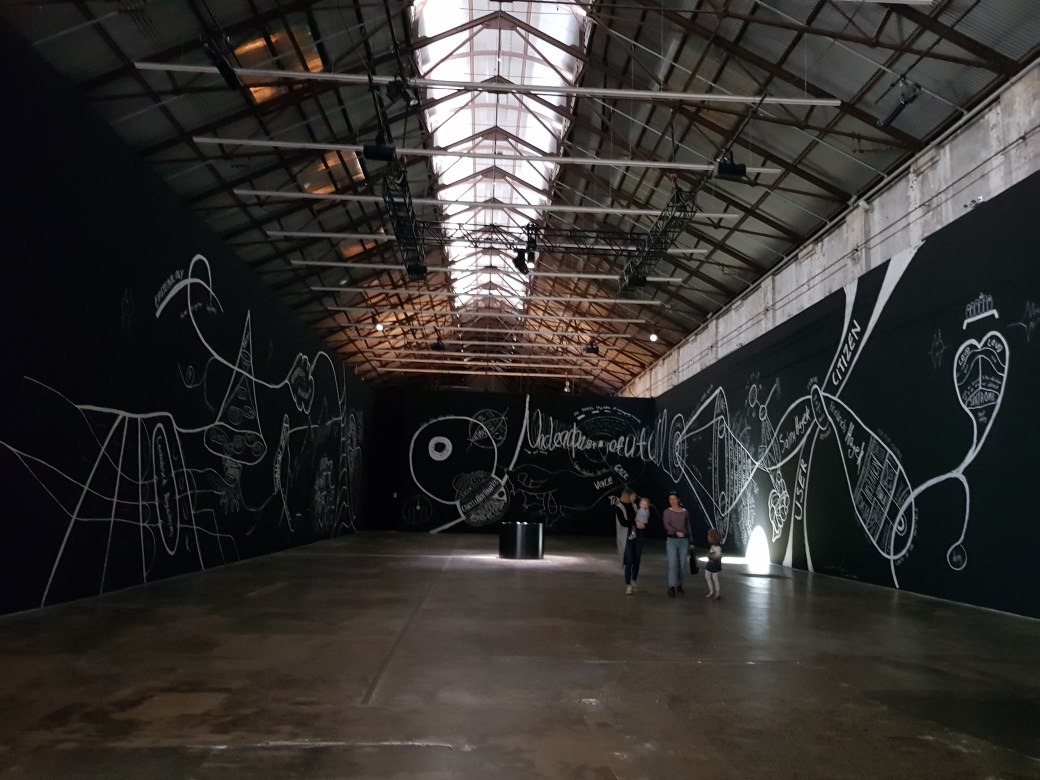
Giselle Stanborough, Cinopticon, 2020
Internet narcissism, corporate surveillance and the manipulation of social media algorithms are touch points for Cinopticon – Giselle Stanborough’s immersive performance installation in which audiences see their reflection in unpredictable ways. Curated by Daniel Mudie Cunningham. Cinopticon was commissioned by Carriageworks, as part of Suspended Moment: The Katthy Cavaliere Fellowship
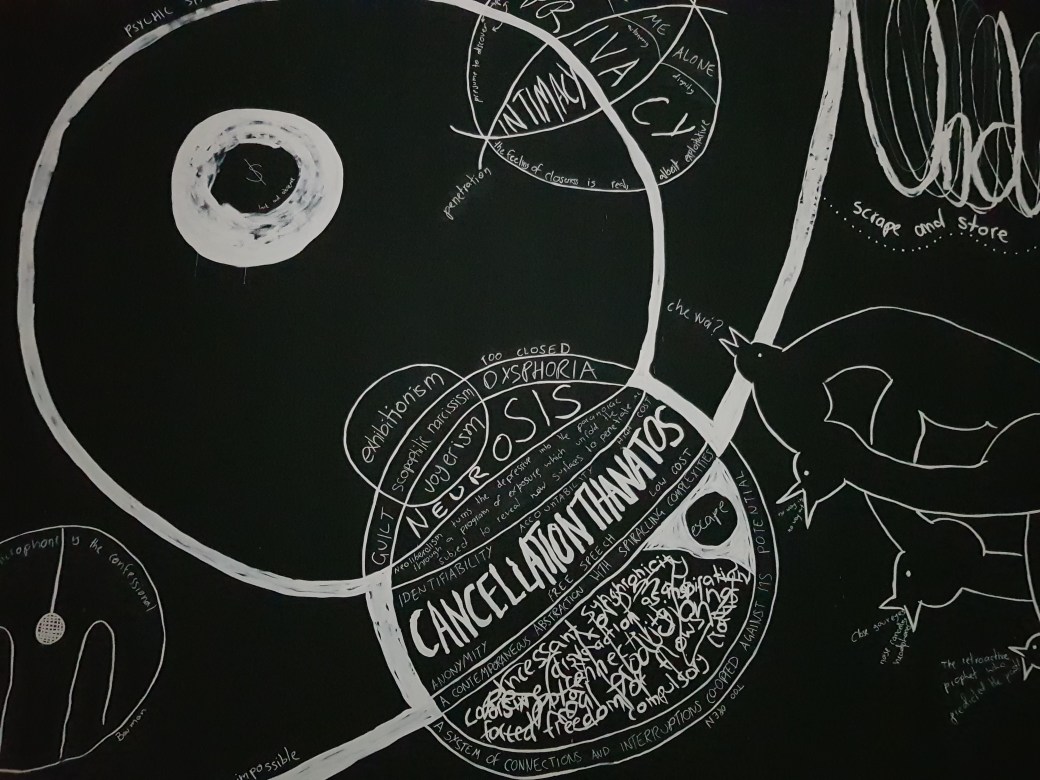
Giselle Stanborough, Cinopticon, 2020 (detail)
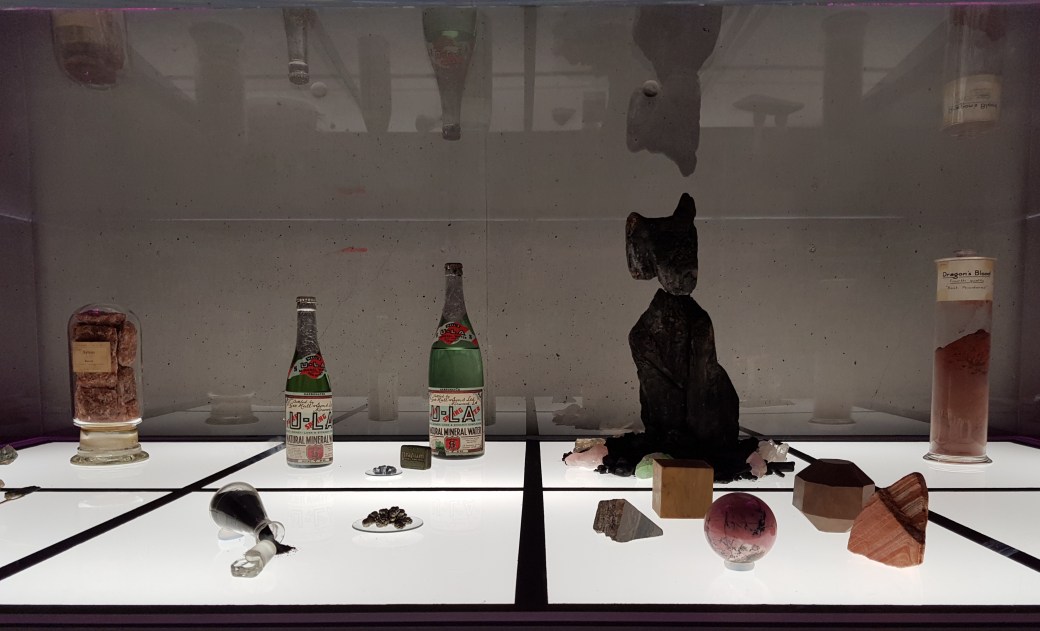
Randy Lee Cutler and Andrew Rewald, Mineral Garden, 2019-20
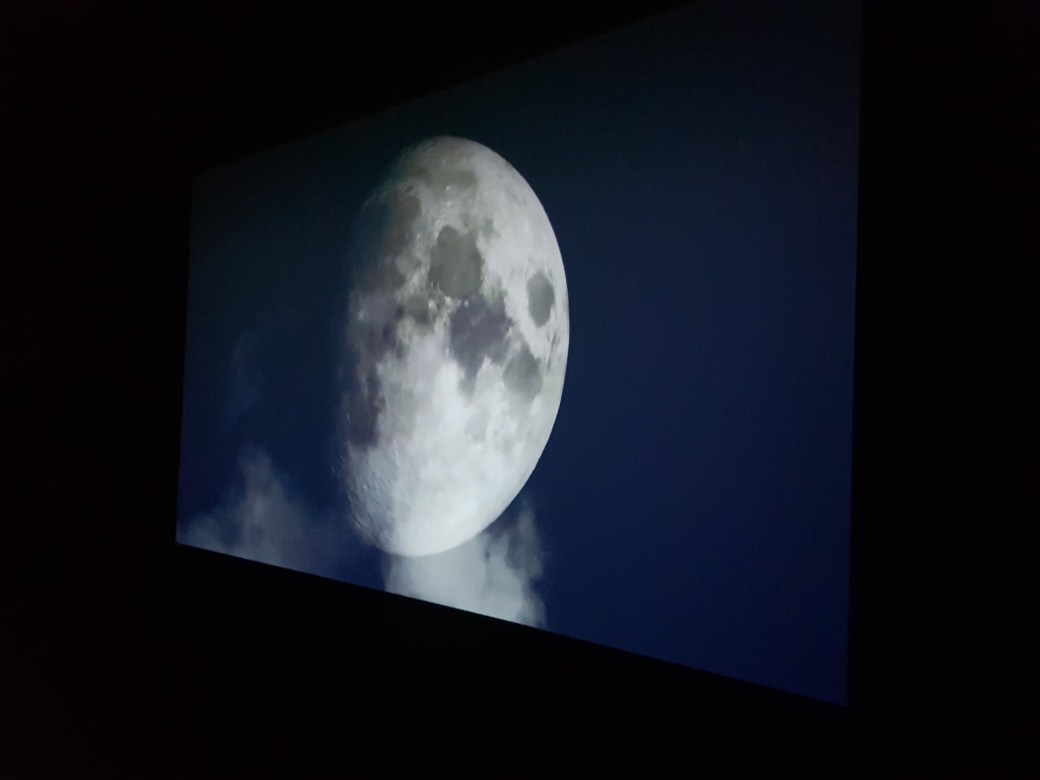
Hannah Catherine Jones (aka Foxy Moron), Owed to Diaspora(s), 2020
mixed-media installation. Commissioned by the Biennale of Sydney “an atmospheric blending and traversing of cosmic scenes to actions of freedom, colonial histories to possible futuristic visions and popular culture.”
Friday 14 August 2020 Wildlife Photographer of the Year, Maritime Museum, Sydney
Another exceptional and inspiring year, the works both confronting and with a glimmer of resilience in the natural world. “Recognising the world’s best nature photography every year since 1965. Powerful wildlife photography focuses our attention on the beauty and fragility of the natural world. On loan from the Natural History of Museum in London, these extraordinary images have been selected because they allow us to witness unique moments, encounter the diversity of life on Earth and reflect on humanity’s role in its future.”
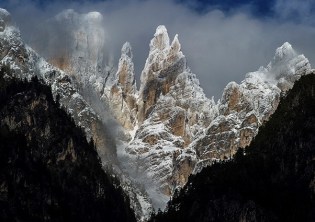
The Frozen Spires, Dolomites, Roberto Zanette, Italy
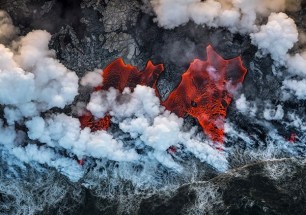
Creation, Kīlauea volcano, Hawaiian coast, Luis Vilariño, Spain
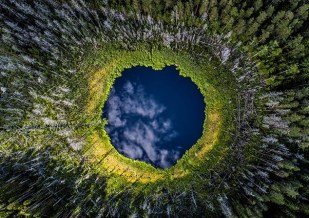
Sky Hole, Karula National Park in Estonia, Sven Začek, Estonia
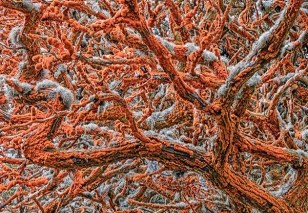
Tapestry of Life, Point Lobos State Natural Reserve in California, Zorica Kovacevic, Serbia/USA
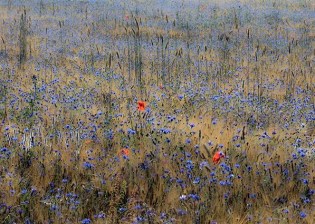
Summer Cornfield, Joël Brunet, France
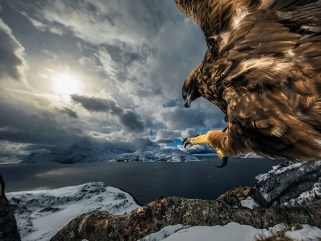
Land of the Eagle, Audun Rikardsen, Norway
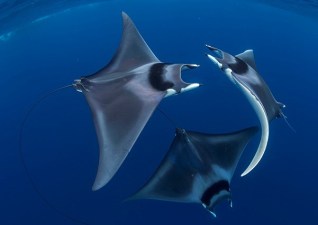
A Swirl of Rays, Philippines, Duncan Murrell, UK
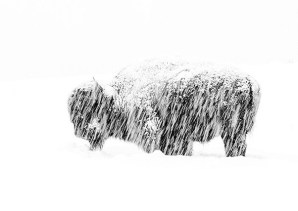
Snow Exposure, Max Waugh, USA
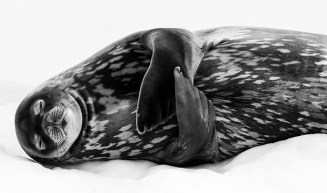
Sleeping like a Weddell, Ralf Schneider, Germany
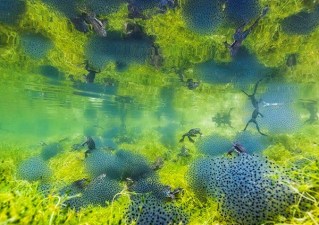
Pondworld, Manuel Plaickner, Italy
Friday 31 July 2020 Under the stars, Art Gallery of NSW, Sydney
If you only need one reason to visit this exhibition it is to see Sylvia Ken’s masterpiece Seven Sisters, 2019. An interesting theme, the exhibition takes “a trans-historical approach, presents stargazing and mapping by Indigenous and non-Indigenous artists, highlighting the commonalities and connections in our shared attempts to understand the night sky and our place in relation to it.”
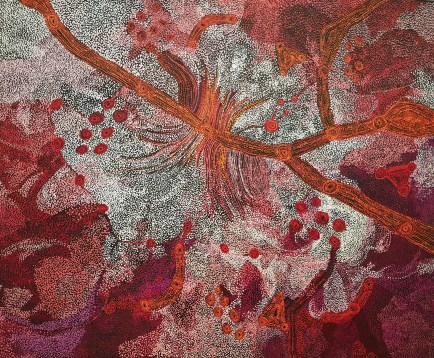
Sylvia Ken, Seven Sisters, 2019
A recurring subject within Ken’s paintings. The travels of these sisters across the night sky as they attempt to flee the unwanted attention of an older man are captured in evocative form. Awarded the 2019 Wynne Prize.
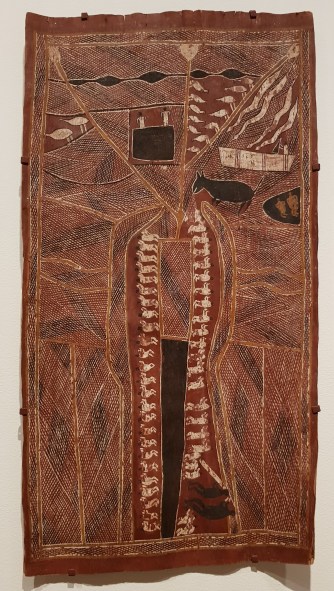
Mäw’ Mununggurr, Banumbirr (Morning Star ceremony), 1948
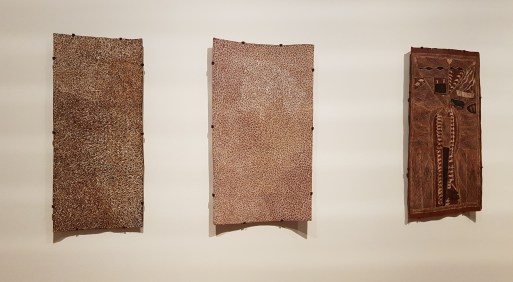
Gulumbu Yunupiŋu, Garak, The Universe, 2009 (l) Ganyu, 2009 (c), Mäw’ Mununggurr, Banumbirr (Morning Star ceremony), 1948 (r)
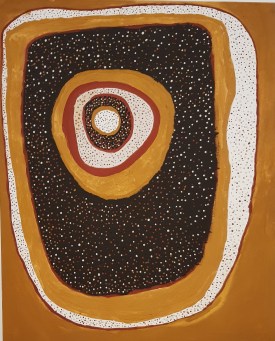
Timothy Cook, Kulama, 2009
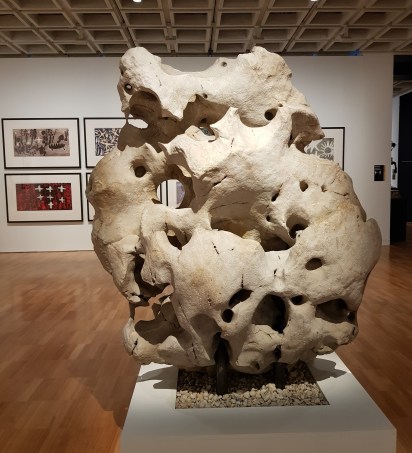
White Taihu rock, Unknown Artist, China
The Chinese interest in rocks has been closely associated with the cosmological idea and the thought of immortality. A rock with its eroded surface and twisted peaks is a symbol of the cosmic mountain that functions as an intermediary realm between heaven and this world. It serves as a symbolic link between man and the realm of the spirits. Chinese appreciation of rocks, started as early as Han dynasty (206BCE -220) until current time. For lovers of these spirit rocks, each individual rock, large or small, is seen to be worked by divine hands, and represents the universe in miniature. The configurations of rocks are viewed as the results of the energy (qi) participating in creative process, representing the eternal process of change.
Friday 17 July 2020 Biennale of Sydney, Art Gallery of NSW, Sydney
Shock of the old with the new makes the art and the viewer work harder. Each visit the works keep getting more interesting, and following up on the artists’ profiles and statements about their works. “The 22nd Biennale of Sydney is an expansive artist- and First Nations-led exhibition of contemporary art that connects local communities and global networks.”
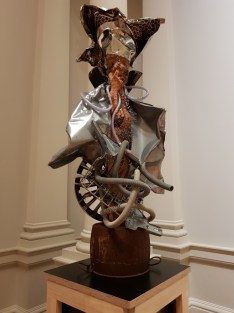
Andre Eugene, Lavi & lamno (life and death), 2020
Lives and Works in Port-au-Prince, Haiti
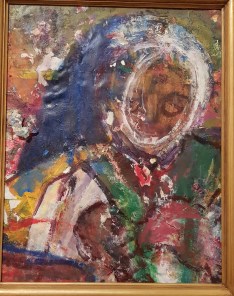
Mostaff Muchawaya, Ndichawanewe, 2017
Lives and works in Harare, Zimbabwe
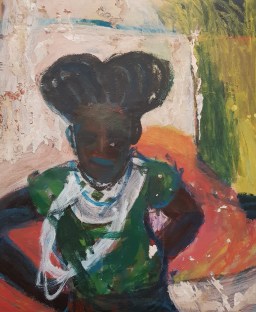
Mostaff Muchawaya, Untitled, 2017
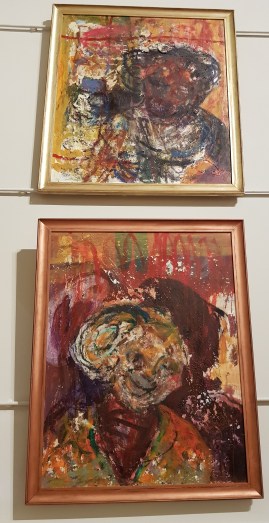
Mostaff Muchawaya, Left Behind II, 2017, and Untitled 2018
Some installation views – Biennale works intermingled with works from the permanent collection
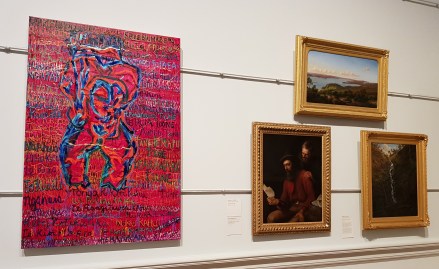
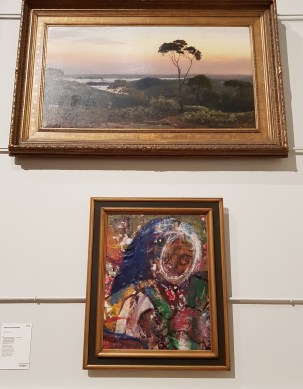
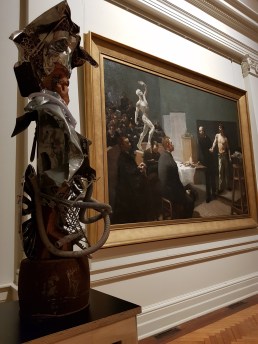
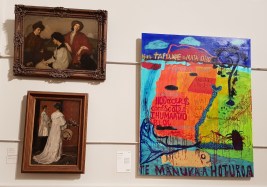
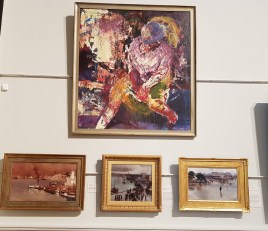
Friday 10 July 2020 Abstraction 2020 Group exhibition, Defiance Gallery, Paddington, Sydney
Blue grey mist Friday morning gallery stroll colour fix in abstraction – great group show featuring some of the best local contemporary artists.
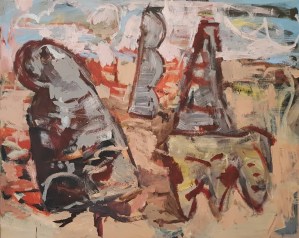
Charmaine Pike, The Soft Pink Truth, 2018
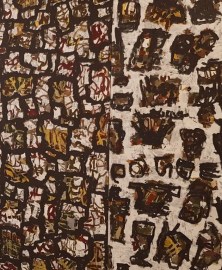
Roy Jackson, Fault Line, 2009-10
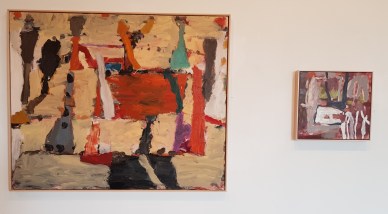
Ross Laurie, Bone Dry, 2018 (l) David Collins, Dharawal, 2016 (r)
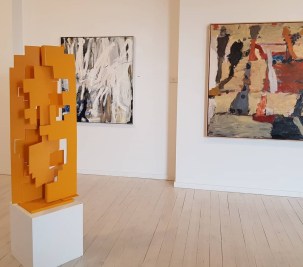
Paul Selwood, Sun Tower, 2019 (l) David Collins, May, 2020 (c), Ross Laurie, Bone Dry 2018 (r)
Friday 10 July 2020 In Colour, Group show, Arthouse Gallery, Rushcutters Bay, Sydney
Groups shows a great way to see artists you generally do not come across, some often with a long time between solo shows. “’In Colour’ celebrates the playful and dynamic ways artists use colour. This exhibition brings together works from a considered collection of Arthouse Gallery artists for whom colour is key to their practice.”
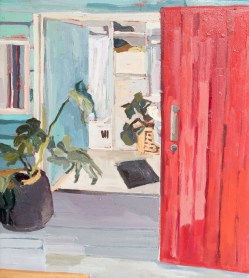
Nicole Kelly, Red door
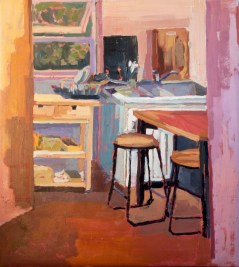
Nicole Kelly, Kitchen sink
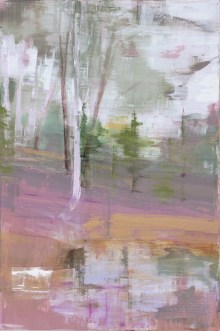
Susan Baird, Essence II
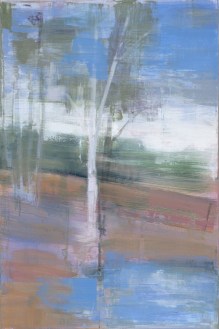
Susan Baird, Light before night
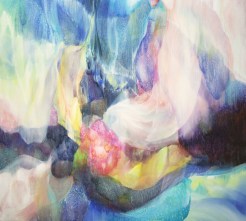
Ian Greig, To dwell forever within the light of dreams
Friday 3 July 2020 AND NOW, White Rabbit Gallery, Sydney
Another challenging exhibition from this frontrunner in contemporary art “drawn completely from Judith Neilson’s renowned White Rabbit Collection. Gone are the bold declarations and audacious iconoclasm that once characterised contemporary Chinese art. The artists in AND NOW represent the vanguard of global contemporary art, their works no longer merely reflect the transformation of China but, instead, echo an entire world in flux. Eco-anxiety, governmental crackdowns, digital imprisonment disguised as liberation – it’s a brave new world that we share.”
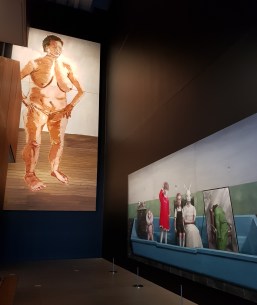
Zhao Gang, Diabetic, 2100, Zhang Xiaogong, Bathtub, 2017
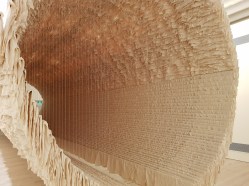
Zhu Jinshi,, The Ship of Time, 2018
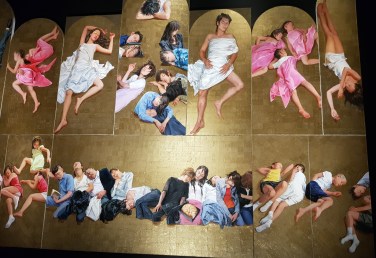
Yu Hong, One Hundred Years of Repose, 2011
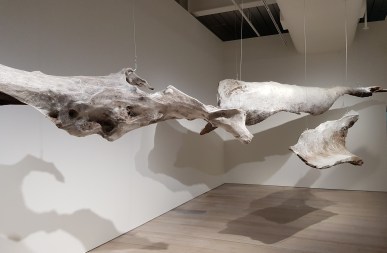
Liang Shaoji, Heavy Clouds, 2014
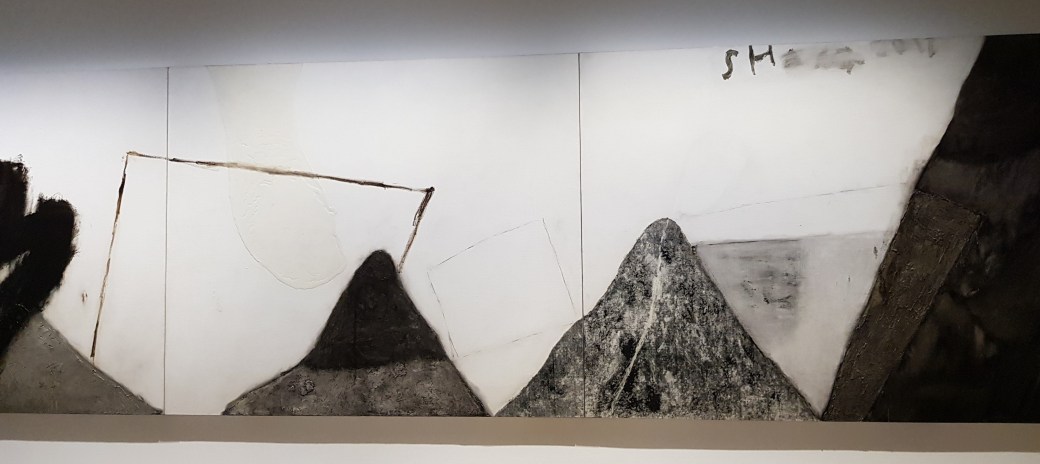
Shang Yang, The Dong Qichang Project 38, 2011
Dong Qichang (1555–1636) was a celebrated Ming Dynasty scholar painter, whose work Shang had stumbled upon quite randomly one day, when he turned the pages of a book in his studio. In Chinese art history, mountains meant many things; in Daoist belief they were the home of the immortals, and a mountain range represented a sacred dragon. Shang’s mountains, unlike the misty peaks with sinuous folds and curves found in literati painting, are scarred, mottled, wrinkled and fractured. Giant, monolithic forms, they loom menacingly on large canvases, dark paint and bitumen juxtaposed against lighter backgrounds
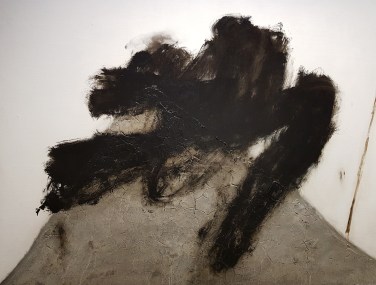
Shang Yang, The Dong Qichang Project 38, 2011 (detail)
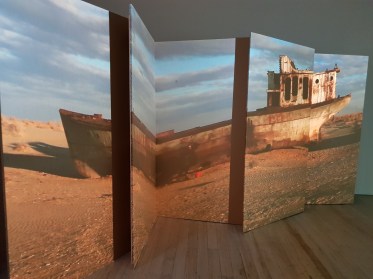
Patty Chang, Invocation for a Wandering Lake, 2016
Tuesday 23 June Biennale of Sydney, Museum of Contemporary Art, Sydney
Back to where I left off on 14 March. On this return visit the works even more impressive than the first, and further return visits needed to appreciate the depth of the works here. ‘For the first time, artists from Nepal, Georgia, Afghanistan, Sudan and Ecuador are participating in the Biennale of Sydney – list of artists. The exhibition includes artworks across 5 sites: the Art Gallery of New South Wales, Artspace, Campbelltown Arts Centre, Cockatoo Island, and the MCA’
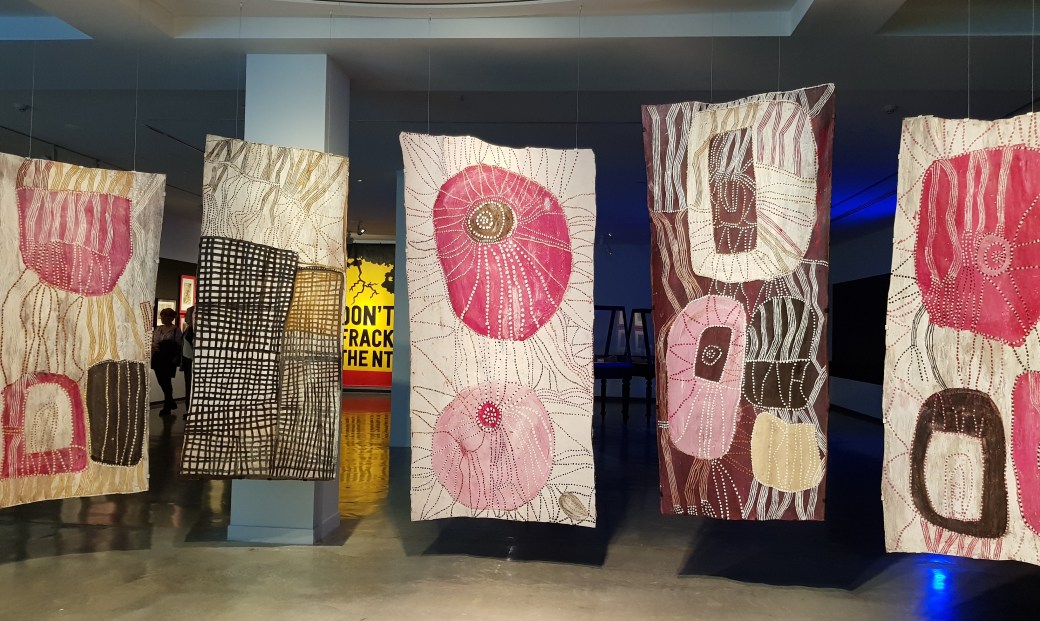
Noŋgirrŋa Marawili, Baratjala, 2019
Noŋgirrŋa Marawili – born on the beach at Darrpirra, North of Cape Shield, Australia on the ocean side. ‘As a child lived wakir’ (camping / moving around) at Maḏarrpa clan-related sites between Blue Mud Bay and Groote Eyelandt. Lives and works at Yirrkala and Wandawuy, Australia. Lightning illuminating ocean sea spray as it smashes against large rocks, phenomena linked to Country and waters of cyclones, huge tides and ripping currents all find a place in Noŋgirrŋa Marawili’s imagery’
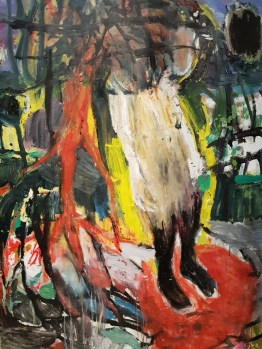
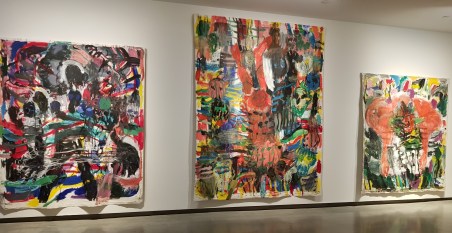
Misheck Masamvu – born 1980 Mutare, Zimbabwe. Lives and works in Harare, Zimbabwe, and Johannesburg, South Africa. ‘Describes his works as ‘mutants’ that oscillate between abstraction and figuration. Masamvu’s practice is a battle against the forced ideology of government and the breakdown of the pursuit of humanity’
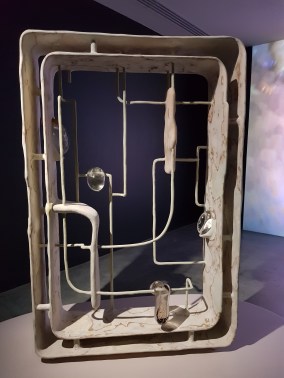
Jes Fan, Form begets Function, 2020
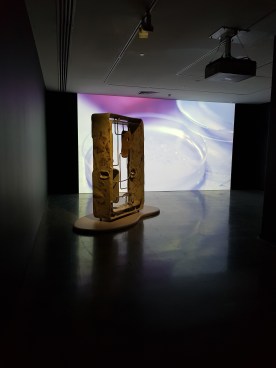
Jes Fan, Form begets Function, 2020 – born 1990 in Ontario, Canada. Lives and works in New York, United States; and Hong Kong, China. ‘Speculating on the fraught intersection between biology and identity, Fan’s trans-disciplinary practice emerges from a sustained inquiry into the concept of otherness’.
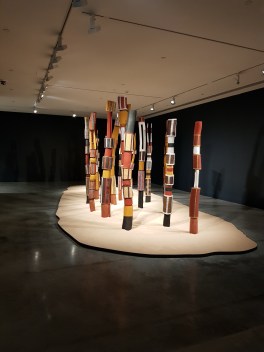
Pedro Wonaeamirri & Patrick Freddy Puruntatameri, hand-carved ironwood tutini poles – live and work in Melville Island
The Tiwi word Jilamara describes traditional body painting designs originally reserved for ceremonial practice. It is applied to the face and body using carved wooden combs (pwoja), twigs or brushes. These mark-making designs have been passed down through generations, and disguise people from the spirit of their deceased relatives during Pukumani – a ceremony held a year or so after a person’s death where song, dance and commissioned tutini poles come together to release their spirit back to rest on country.
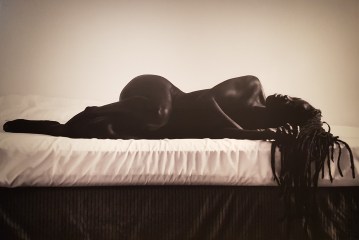
Zanele Muholi, Somnyama Ngonyama: Hail the Dark Lioness
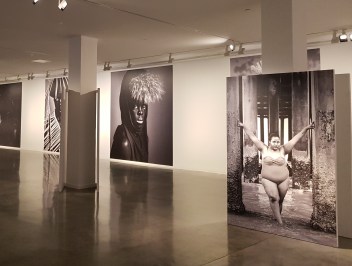
Zanele Muholi – lives and works in Durban and Johannesburg, South Africa. Visual activist and photographer presents three bodies of work that look at the politics of race, gender and sexuality: Somnyama Ngonyama: Hail the Dark Lioness; Faces and Phases; and Brave Beauties.
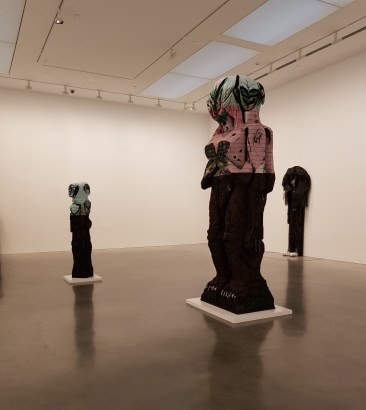
Huma Bhabha – born 1962 in Karachi, Pakistan, lives and works in Poughkeepsie, New York. ‘Works address themes of colonialism, war, displacement, and memories of place. Using found materials and the detritus of everyday life, she creates haunting human figures that hover between abstraction and figuration, monumentality and entropy’.
Friday 19 June 2020 Biennale of Sydney, Cockatoo Island, Sydney
Bright winter’s morning, sparkling harbour, challenging art – best of days. The old industrial site never ceases to deliver a unique experience, the early 20th century machinery takes on even more animistic presence, surreal, could be right out of a Max Ernst work. The colonial buildings always difficult to deal with – convict incarceration, orphanage, displacement of indigenous people. The scale always an impressive part of any installation and this year, the 22nd Biennale of Sydney a special art experience.
“Brook Andrew, Artistic Director. Seven themes inspire Nirin (edge): Dhaagun (Earth: Sovereignty and Working Together); Bagaray-Bang (Healing); Yirawy–Dhuray (Yam-Connection: Food); Gurray (Transformation); Muriguwal Giiland (Different Stories); Ngawaal-Guyungan (Powerful-Ideas: The Power of Objects); And Bila (River: Environment).”
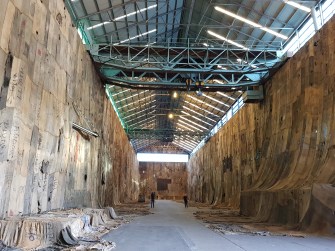
Ibrahim Mahama, No friend but the mountains, 2012-2020, 2020
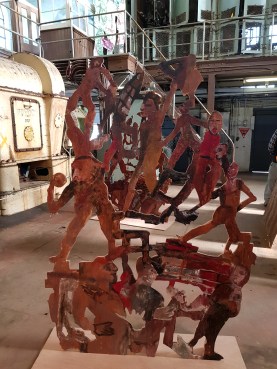
Anna Boghiguian, The Uprooted, 2020

Jose Dávila, The Act of Perseverance, 2020

Vajiko Chachkhiani, Army without the General, 2020

Warwick Thornton, Meth Kelly, 2020, video

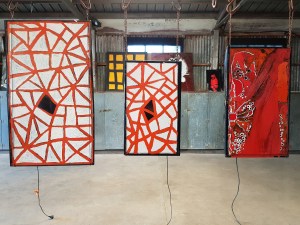


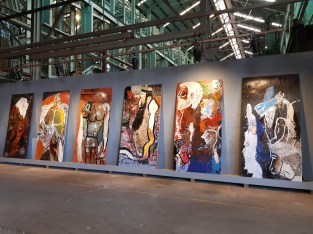

Wednesday 10 June 2020 Some mysterious process: Fifty years of collecting international art at AGNSW, Sydney
After three months of lockdown, on a cold, wet winter’s morning, to walk back into the gallery to be greeted by works not seen for so long an absolute privilege. Halcyon days revisited, such joie de vivre, a time to savour what has been so missed, enough to send you over the top art raving mad. The exhibition “weaves together multiple threads of history to tell the story of how the international contemporary collection has come together — through the alchemy of planning and serendipity, curation and philanthropy, and the evolution of societal expectations”
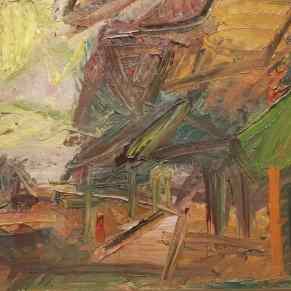
Frank Auerbach, Primrose Hill, autumn, 1984
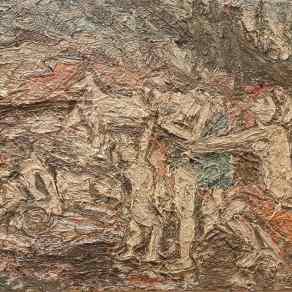
Leon Kossoff, From Cephalus and Aurora by Poussin no 3, 1981
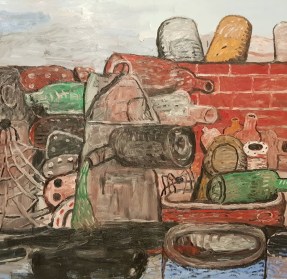
Philip Guston, East tenth, 1977
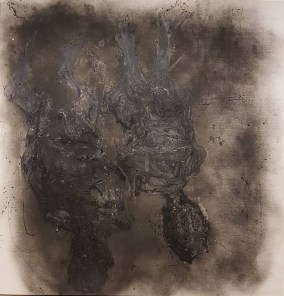
Georg Baselitz, Oven soot, 2015
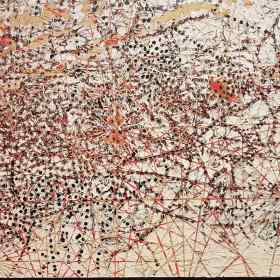
Mark Bradford, The tongue in the middle of the port, 2014
Wednesday 18 March 2020 XU ZHEN National Gallery of Australia, Canberra
“XU ZHEN is one of China’s most significant artists and activists. His recent work centres on sculptural installations, video and performances that challenge cultural assumptions, question social taboos and comment on the idea of art as a commodity.” Unfathomable creativity in large scale major works that intrigue and dominate the cavernous exhibition space.
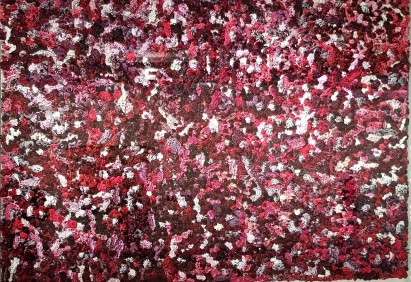
Xu Zhen, Under Heaven – 20121018, 2012
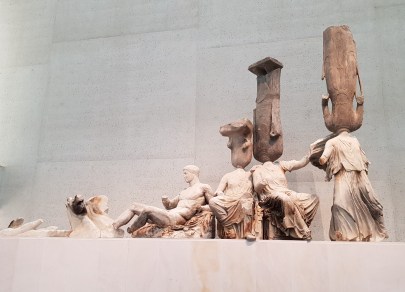
Xu Zhen, Eternity, 2013-14 (detail)

Xu Zhen, Eternity, 2013-14 (detail)

Xu Zhen, Thousand-Armed Classical Sculpture, 2014
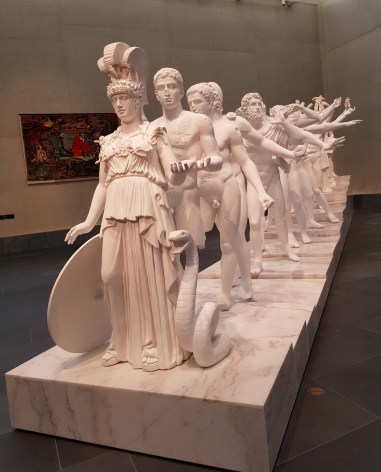
Xu Zhen, Thousand-Armed Classical Sculpture, 2014
Wednesday 18 March 2020 Matisse/Picasso, National Gallery of Australia, Canberra
“Featuring more than 60 paintings and sculptures” loaned from far and wide from around the world, fresh and strong as if painted yesterday. Works grouped within seven themes: Different Worlds, Battle of Cubism, Reshaping Space, Design for Dance, Past as Future, Exotic Worlds, Radical Chic, Life + Death.
Some excerpts from the summary information provided.
“Henri Matisse (1869–1954) and Pablo Picasso (1881–1973) met in 1906 and for more than half a century followed each other’s creative developments and achievements. The sustained rivalry between them was not only key to their individual success, it also changed the course of 20th century Western European art. This exhibition tells the story of their creative exchange.
Different Worlds
By 1904 Matisse was a leading figure in Fauvism, influenced by the post-impressionists. Fauvism dominated by solid forms and vivid colour, bold brushwork, evoked emotion and created an abstract sense of space. Picasso, twelve years younger than Matisse, moved to Paris as a young man, then the capital of the art world, modern style inspired by Degas and Toulouse-Lautrec- images of culture, brothel scenes, women at a bar or in a laundry, then followed his blue period – dark and gloomy, reflect the poverty many people experienced at this time.
Battle of Cubism
Picasso’s advances in Cubism focussed on creating images based on geometric forms and monochrome colours. Traditional perspective was abandoned for radical alternatives. Both artists united in their admiration of Paul Cezanne who challenged traditional one point perspective. Their mutual rivalry exacerbated by their different interpretations of the master. For Picasso Cezanne’s work celebrated the bold, the ugly and the dismembered, he experimented with a new style, Analytical Cubism, small geometric forms in monochromatic colours, influenced by Iberian sculpture and El Greco. Matisse dismissed Picasso’s approach, found his style alienating ‘little cubes’. Matisse embraced Cezanne’s idea that the subject and background were of equal importance, and that colour could evoke a sense of space. Matisse inspired by Cezanne’s use of textiles as important motif in his art.
Reshaping Space
Matisse responded to Cubism with greater emphasis on movement and interaction of figures, experimented with muted palette. From 1912 Picasso dissatisfied with restricted colour and static geometry of Analytical Cubism, composition changed into multifaceted forms. Picasso responded to Matisse’s colour layered forms. Picasso developed new freer approach towards Synthetic Cubism – simpler forms, brighter colours, new sense of space. Extended Cubism and also reflected Matisse’s interiors and still life compositions, composing more identifiable scenes made up of objects within a space.
Designing for Dance
Both Picasso and Matisse made set and costume designs for Diaghilev’s Ballets Russes. Picasso’s original 1917 designs were revived for performances at the height of the Spanish Civil War in 1934. In 1919 Matisse took a stark modernist approach which was derided by the critics.
The Past as the Future
After WWI both artists returned to a figurative style and a more traditional depiction of space. After travelling to Italy, Picasso adopted classical forms and gestures, drew on his imagination to depict monumental classical figures with a strong sculptural quality. He also produced late-cubist compositions with curvilinear forms to evoke movement, adopting Matisse’s layering methods and interest in texture and colour. Matisse, following Picasso’s example, renewed his interest in the classical tradition of painting, sculpture and printmaking, he became fascinated with the warm Mediterranean light and infused his works with sunlight flooding through the windows of his Nice studio.
Exotic Worlds
Living in the south of France during the 1920s, Matisse became bolder with a series of odalisques, an illustration of his debt to Ingres and Delacroix, evoked an exotic world as if in a stage set, constructions of his imagination. By the mid-1920s Picasso was invading Matisse’s territory of the orient, his relationship with Olga Khokhlova turned to contempt, and as a cruel jab at Matisse created an image of a screeching odalisque in a sumptuously ornate Matisse-style interior.
Radical Chic and the Cult of the Ugly
During WWII Picasso in Paris and Matisse in Nice, their work still spoke to the other’s, both explored the decorative qualities of costumes in their portraits of women. Where Picasso’s images of women push the boundaries of ugliness, Matisse increasingly chose to depict refined chic, relying on pure line.
Life and Death
In 1941 following surgery for cancer, Matisse surprised that he survived, gave him a sense of rebirth on a new journey making papercuts he considered an amalgam of painting, sculpture and drawing, his new art form characterised by brilliant hues, refined forms and large-scale compositions, a major focus in his last years. After Matisse died in 1954, Picasso painted a series of homages to Matisse’s love of the Middle East and North Africa, he adopted Matisse’s favoured motifs –the odalisque, the open window with a view to the outside world and Islamic decorative arts.
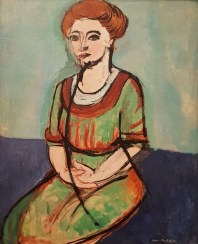
Matisse, Loga Meerson, 1911 Museum of Fine Arts Boston
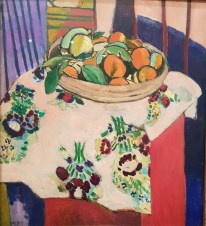
Matisse, Still life with oranges, 1912, Musée National Picasso, Paris
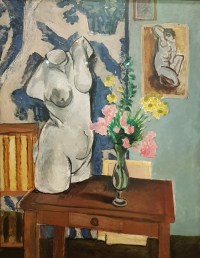
Matisse, The Plaster Torso, 1919, Museu de arte San Paulo
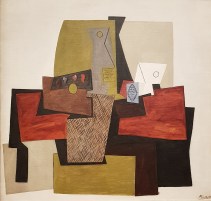
Picasso, Bottle with tobacco pouch, 1921, Kerry stokes collection, Perth
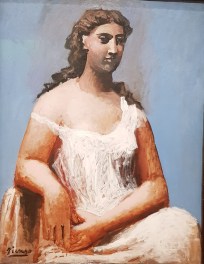
Picasso, Seated Woman in a chemise, 1923, Tate
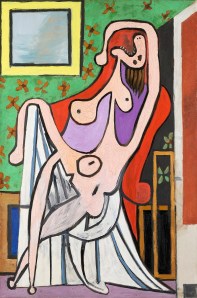
Picasso, Large nude on a red chair, 1929
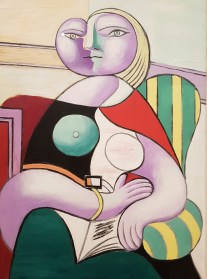
Picasso, Reading, 1932, Musée National Picasso, Paris
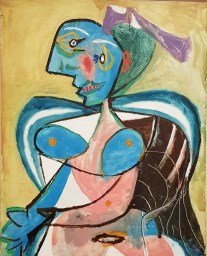
Picasso, Woman from Arles (Lee Miller), 1937, private international collection
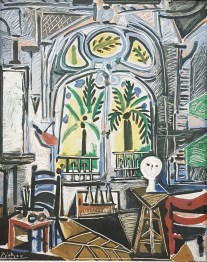
Picasso, The studio, 1955, Tate
Installation views – Picasso


Friday 13 March 2020, Gosford Regional Gallery, Central Coast, NSW
First a stroll in a sparkling peaceful space on an early Autumn morning in the Edogawa Commemorative Garden ‘designed in accordance with the original principles of the Japanese Heian (700AD) period’. Two exhibitions:
50 Years of the Gosford Art Prize: 1970-2019
The exhibition ‘featuring works by over forty artists’ spanning fifty years, some interesting early work by some now well-known artists. Generally works of a high standard but conservative, safe, perhaps not unexpected in a local regional art competition.
Helen Geier – Through Two Decades
‘Paintings and prints of that explore multiple ways of seeing the landscape from various cultures including Indian, Chinese and various expressions of Western cultures’.
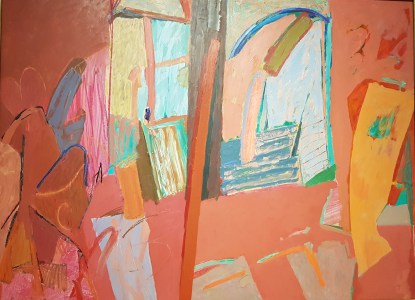
Elizabeth Cummings, Interior, 1979
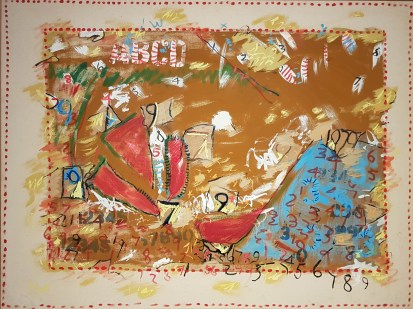
Suzanne Archer, He Wrote me a Number of Letters, 1979
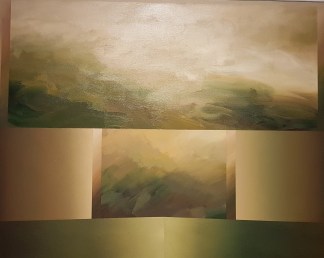
David Voigt, Mist Wave, 1980
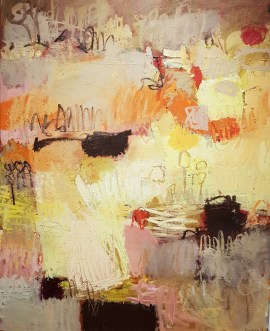
Pamela Honeyfield, Fields of Gold – In memory of Christine, 2014
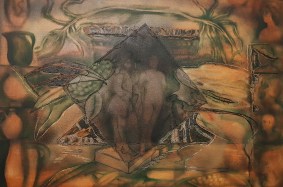
Helen Geier, Analysis of Beauty , Rococo gold, 2000
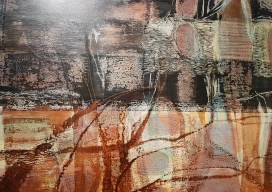
Helen Geier, Shadow Patterns, 2001
Friday 28 February 2020 Pulse of the Dragon, Casula Powerhouse Arts Centre, Sydney
Impressive ‘line-up of Chinese and Chinese Australian artists’ an eclectic mix of works with themes of ‘witchcraft, mythology, folk art and culture’. Contemporary take on a long artistic tradition, celebration of the four treasures (ink, brush, paper, ink-stone), although some works now executed with paint on canvas in place of ink and paper, the Chinese aesthetic inherent in the works.
A sample
Jiang Zhe, The Scriptures That Guide the Way, 2019
Palla Jeroff, Untitled, 2017
Xifa Yang, Capital Theory Series Works, 2019
Cang Xi, Holy Character Series No 9-11, 2019

Zhang Qianjin, Lotus Curtain 1-4, 2012
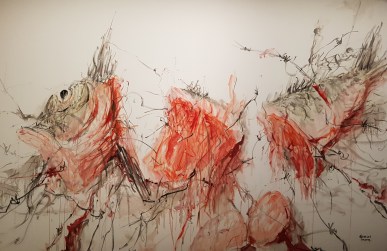
Yang Jinsong, Fish No.2, 2019
Thursday 13 February 2020 The Full Cut: 1999-2015 Tracey Moffatt & Gary Hillberg, Wollongong Art Gallery
An accidental encounter with this series of montage films, but no time to sit and contemplate in the gallery setting. The collection Lip (1999), Artist (2000), Love (2003), Doomed (2007), Revolution (2008), Mother (2009), Other (2009), and The Art (2015), on tour to regional galleries since 2017 “presents the full suite of 8 montage films by artist Tracey Moffatt and collaborator Gary Hillberg. Presented together for the first time, the exhibition spans 16 years of the artist and editor’s collaborative practice and includes their most recent work, The Art (2015). The exhibition is an ode to cinema and to the cinematic form, offering unprecedented insight into the stereotypes that populate our collective cultural imagination. In this suite of montages, Moffatt and Hillberg source footage from Hollywood films, tapping into the humour and pathos of universally shared subjects like art, revolution, love and destruction.”
The full collection is being shown in an online exhibition at The Bass, Miami – ongoing from April 2020, an excellent initiative, now an opportunity to have time to be able to watch the films at home. From hilarious to harrowing and all stops in between, the inspired powerful works are laugh out loud funny but then in a moment often morph into a gut wrenching, confronting statements on the human condition.
Montages: The Full Cut 1999–2015 . List of works – Museums & Galleries of NSW.
Summary notes

Lip (1999)
Lip (1999) excerpts of black actresses ‘giving lip’ in subservient roles of maid, servant or slave. Selecting scenes of the archetypal sassy subordinate in mainstream cinema, Lip subverts the black female actress as a powerless victim, revealing that these are not taken in by the supposed superiority of their white bosses. Highlights the narrow margin for roles for black women in the history of cinema – either attendant, comic relief or musical entertainment.
Artist (2000) portrays clichés of creative genius and the trope of the tormented artist whose suffering and existential struggle produces singular masterpieces. Scenes span centuries of art history to reveal the popular perception of the artist and the creative process that has been solidified by film and television. The splicing of repetitious actions distils artmaking practice to a single gesture – the line of a pencil, the stroke of a paintbrush or the gathering of clay. The narrative arc of the montage follows that of a work of art from its creation to destruction
Love (2003) features the many permutations of romance and intimacy, from nuanced interactions of first passion, to the heartbreak of betrayal, rage and violence. Exposing the false, hyperbolic construction of heterosexual love through the mechanisms of popular culture and the clichéd notion of love as a battlefield. Love comes to reveal the dark undercurrent of domestic violence depicted in cinema.
Doomed (2007) depictions of doom and destruction. Doomed but not destroyed, portrays scenes on the continual brink. Plays with the disaster genre, concentration and reiterating the promise of imminent disaster in an effort to expose our tendency to suspend disbelief at these cinematic events.
Revolution (2008) examines the power struggles at play in the western socio-economic system. Anxiety towards the unknown is portrayed through repeated scenes of looking. The gaze of the upper class is subverted to reveal the fear on which power is predicated, the inevitability of restoration of class structures.
Mother (2009) looks at the maternal archetype and its depiction, from the Virgin Mary to Mother Courage, and the universality of the love and angst shared between mother and child. The narrative momentum is driven by repeated acts of care and tender scenes of loss, mixed with abandonment and grief.
Other (2009) fast paced montage depicting attraction between races. Revisionist exploration of how desire, power and the colonial gaze are enduring in popular culture’s representation of ‘other’. The narrative arc begins with initial encounters between Europeans and non-Europeans. The other is seen as the subject of the western gaze; an eroticised looking. As the pace of the film accelerates, propriety and social structures erode. Frenzied scenes of sexual abandonment and kitschy, choreographed tribal dance sequences lead to the explosive climax of the video, in which interaction with the other erodes conventional structures of social decorum and transgresses race and gender suppositions.
The Art (2015) explores the complex and often perverse nature of the global art industry, where art interaction becomes sexual and the art object represents cultural and social capital. This work identifies the integration of artist and celebrity and the role of critics and collectors within the art market.
Reference:
Roslyn Oxley Gallery – April 2020 – roslynoxley9 Instagram. Shown for the first time in a digital context, Montages: The Full Cut, 1999 – 2015 by Tracey Moffatt and her long-time collaborator, Gary Hillberg are a collection of eight films being shown at The Bass, Miami. This film compilation surveys the nature of representation and genres of cinema. Created over a sixteen-year period, the video works deconstruct stereotypes within Hollywood films and television, creating new narratives and character conventions.
Thursday 13 February 2020 The Wand Collection Indigenous Works, Wollongong Art Gallery, Wollongong
‘Works donated by local collectors Paul and Christine Wand including early Papunya works, paintings by Rosella Namok, Minnie Pwerle and Lena Nyadbi and Yirrkala prints’
Interesting talk by the donors, background on collection of the works, the collection representative of indigenous regions and clans. Some of the early Papunya works from the 1970s, the Western Desert movement was born in mid-1971 at Papunya from a school project. The people, the last of the Pintupi came from the west to the site of the Honey-Ant Dreaming, painting stories from their culture. Works from the Lockhart River, Cape York by Rosella Namok, Fiona Omeenyo feature the environment and its seasonal moods, lyrical abstraction, action painting, are gestural, atmospheric with mood and emotion. Works by Minnie Pwerle from Utopia, Northern Territory, close associate with her sister-in-law Emily Kame Kngwarreye. Works by Lena Nyadbi, from the Warmun Community in the Kimberley region of Western Australia, her works include Dayiwul Lirlmim, details of which were painted on the roof of the Musée du quai Branly in Paris. Prints from Yirrkala community in East Arnhem Land, the Yolngu people.
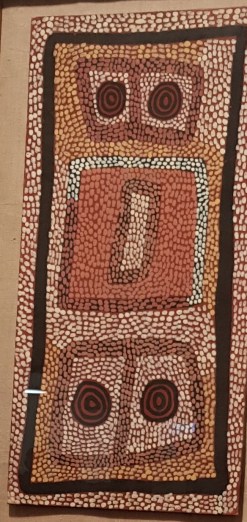
Long Jack Phillipus Tjakamarra, Men’s Dreaming Site, 1975
Wednesday 12 February 2020 ARTEXPRESS, AGNSW
Annual exhibition of a ‘selection of outstanding student artworks developed for the art-making component of the Higher School Certificate’. 2019 a vintage year, especially in drawing and painting. Interesting references in the artists’ statements on study and interpretation of artists related to their work.
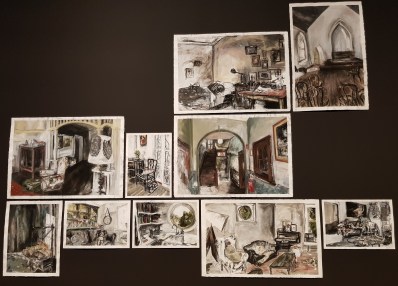
Louis Callanan, That Which is Familiar – A Visual Verse, 2019, charcoal, ink and pastel on paper
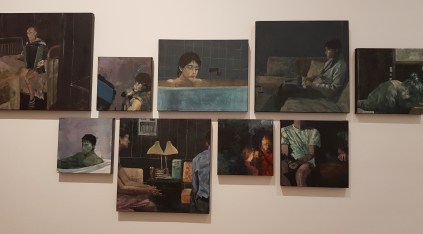
Sumayya Atham Bawa, My Twilight Kingdom is a Hidden Cavern in the Bottom of the Ocean, 2019, acrylic on canvas
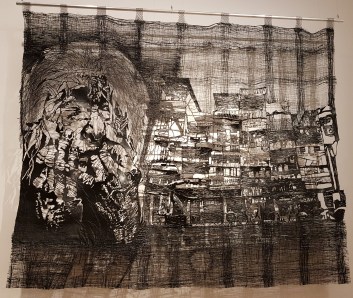
Lauren Trounce, The Social Fabric, 2019, textile and fibre, black hot glue
Friday 31 January 2020 Brett Whiteley Lavender Bay, Brett Whiteley Studio, Surry Hills, Sydney
Always worth a visit to this studio, surrounded by colour, some of the artist’s most important works and some rarely exhibited works, his music and personal items, an atmosphere of going back to a special time and place.
“The allure of harbour and home – during the 1970s and ’80s Brett Whiteley dedicated a series of works to his home in the Sydney harbourside suburb of Lavender Bay. The culmination of this period saw the creation of magnificent works including The balcony 2 1975, Big orange (sunset) 1974 and the Archibald Prize-winning Self-portrait in the studio 1976. Focusing on the immense influence of the harbour and home upon his artistic practice, this exhibition contains studies, paintings, sculptures and works on paper. The lyrical beauty which Whiteley sought at this time, inspired greatly by Henri Matisse, can be fully appreciated in this superb exhibition.”
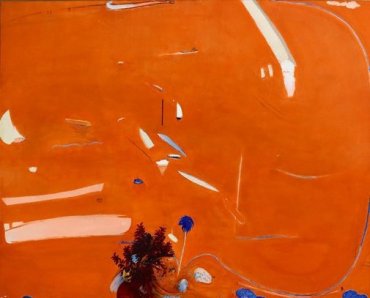
Brett Whiteley, Big orange (sunset), 1974
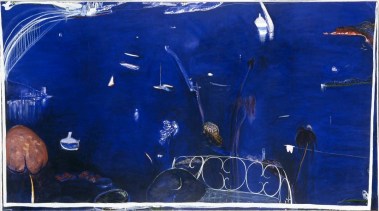
Brett Whiteley, The balcony 2, 1975
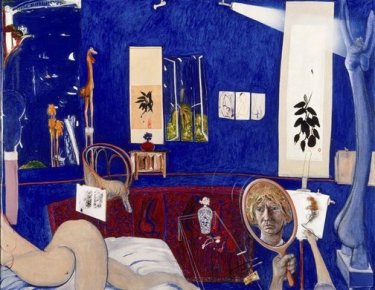
Brett Whiteley, Self portrait in the studio, 1976
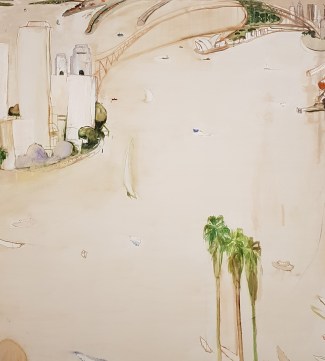
Brett Whiteley, Habour (Grey Day), 1978
Wednesday 29 January 2020 Quilty, AGNSW, Sydney
Second visit, the power of the works inescapable – surreal, expressionist angst, the works take hold and will not let go. “This exhibition traces the arc of his work and measures his influences and inspirations – from his early reflections upon the initiation rituals performed by young Australian men through to his experience as an official war artist in Afghanistan; his revisions of the Australian landscape; his campaign to save the lives of Bali Nine pair Andrew Chan and Myuran Sukumaran; his visits to Lebanon, Lesbos and Serbia with author Richard Flanagan, where they met, to borrow Flanagan’s words, ‘the great river of Syrian refugees’; his intimate portraits of himself, his family and his friends; and his recent grotesques made in response to contemporary politics.”
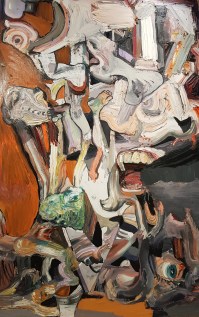
Ben Quilty, The Last Supper 2017, 2017
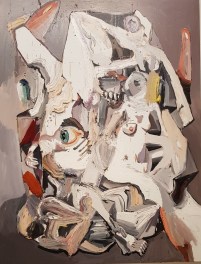
Ben Quilty, The Last Supper no 9, 2017

Ben Quilty, Bedford Downs Rorschach, 2008

Ben Quilty, Evening Shadows, Rorschach after Johnstone, 2011
Wednesday 29 January 2020 Japan supernatural, AGNSW, Sydney
Superbly curated exhibition – handscrolls, woodblock prints, Netsuke, photographs, paintings, film clips, video – from the traditional to the contemporary ‘blend of high and popular culture.’ From Toriyama Sekien (1712-88) to stories from the invisible realm over 300 years – from the Edo Period (1603-1868) to today’s superstar Takashi Murakami ‘inspired by folk tales and legends’. ‘After reopening in the Meiji period (1868-1912) representation of the supernatural was discouraged, it was not until the 1960s that yokai culture regained strength.’ Yōkai (supernatural beings) and yūrei (ghosts).
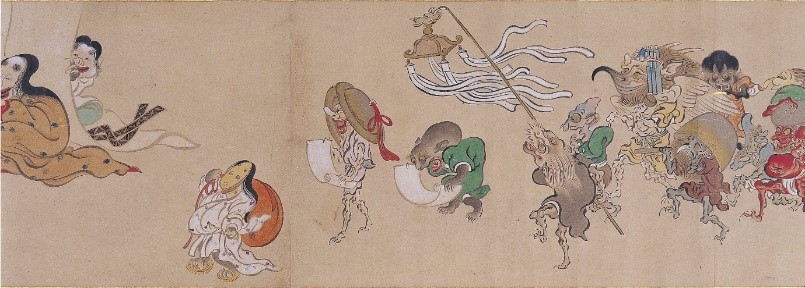
Toriyama Sekien, Night procession of the hundred demons, handscroll
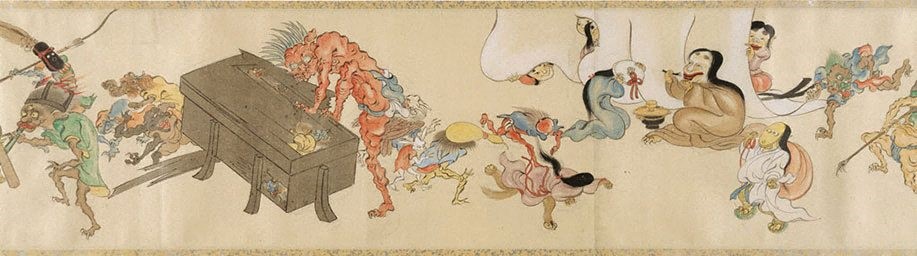
Itaya Hiroharu (1831−82) Night procession of the hundred demons c1860, handscroll; ink and colour on paper, AGNSW
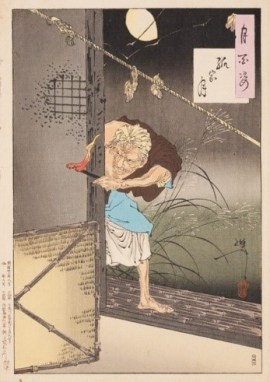
Yoshitoshi, Moon of the lonely house, 1890, colour woodblock print, AGNSW
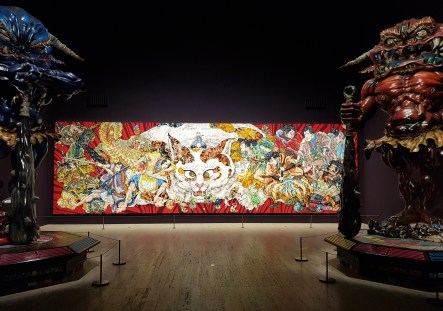
Takashi Murakami, Japan Supernatural: Vertiginous After Staring at the Empty World Too Intensely, I Found Myself Trapped in the Realm of Lurking Ghosts and Monsters, 2019, AGNSW

Murakami, In the Land of the Dead, Stepping on the Tail of a Rainbow 2014, acrylic on canvas mounted on wood panels, The Broad Art Foundation, Los Angeles

Takashi Murakami, In the land of the Dead, Stepping on the Tail of a Rainbow, 2014 (detail)

Takashi Murakami, In the land of the Dead, Stepping on the Tail of a Rainbow, 2014 (detail)
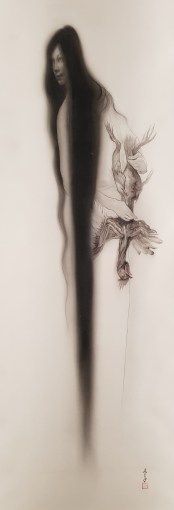
Fuyuko Matsui., Nyctalopia, 2018
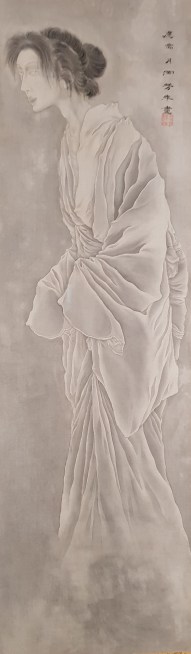
Tsukioka Yoshitoshi, Ghost. c1883
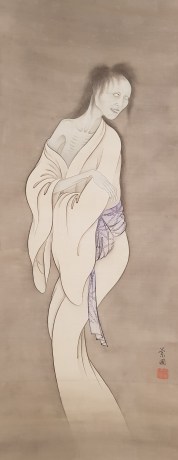
Inagaki Ranpo, Ghost, c1870-1900
Friday 24 January 2020 Daniel Boyd: video works, Kate Mitchell – All Auras Touch, Carriageworks, Sydney
Daniel Boyd: video works
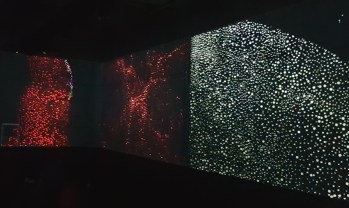
Immersive experience, like being inside a digital dot painting, mesmerizing, infinite.
“An abstracted journey through time immemorial, and a gesture to the impermanence of life on this planet. Three major video installations – A Darker Shade of Dark #1-4 (2012), History is Made at Night (2013) and Yamani (2018) – map the walls of the gallery with Boyd’s infinite cosmos of dynamic compositions and prismatic colour. Set to a score by Canyons, VIDEO WORKS is an experience that is both otherworldly and grounded; expansive and atomic.”
Some stills from the videos
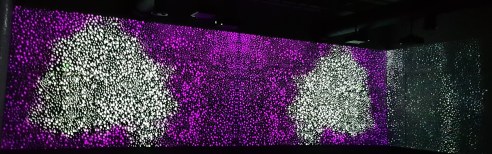
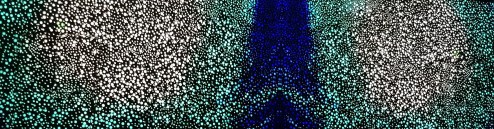
Kate Mitchell – All Auras Touch
An interesting conceptual evolving installation – snapshot photography of the auras of people in 1,023 recognised occupations – relationship between what we do and who we are. “An expansive installation of human energy fields, otherwise known as auras – from Anaesthetist to Zoologist – capturing a snapshot of contemporary Australia. Participants are invited to register online to have their aura portrait taken.”


Friday 10 January 2020 Margaret’s Gift, S H Ervin Gallery, Sydney
Good opportunity to see some of Margaret Olley’s works on loan and some rarely exhibited donated works together. In her final years she described herself as an endangered species, and she was right, we may never see her like again. This exhibition “a testament to her unwavering support of art and culture within this country”.
“Margaret Olley AC (1923-2011) in the course of her lifetime and following her death donated hundreds of art works to cultural institutions across the country. The exhibition brings together over 65 works from collections in Queensland, New South Wales and the ACT and includes works by European masters, Australian artists and from Japan and Papua New Guinea which were her earliest known gifts.”
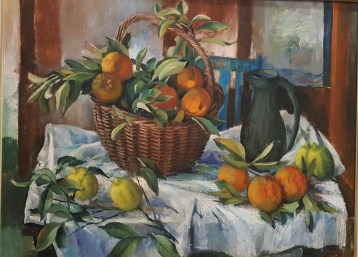
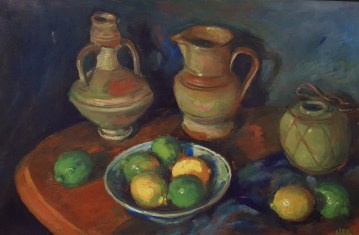
Margaret Olley, Lemons and ginger jar, c1980, oil, Lismore Regional Gallery
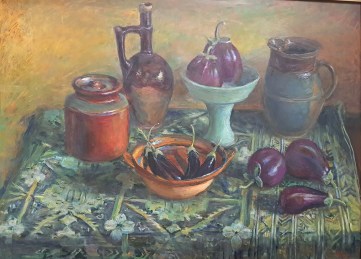
Margaret Olley, Aubergine and jug c1982, oil, The University of Queensland
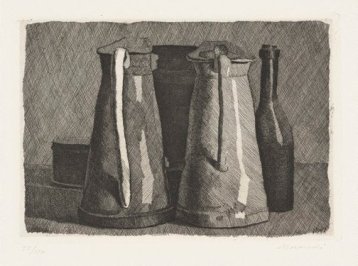
Giorgio Morandi, Still life with five objects, 1956, etching, AGNSW
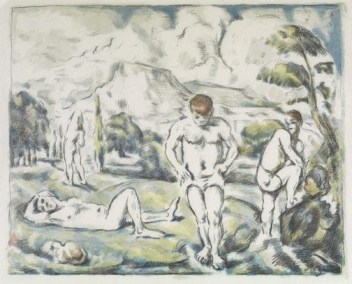
Paul Cézanne, Large bathers, 1896-1898, colour lithograph, AGNSW
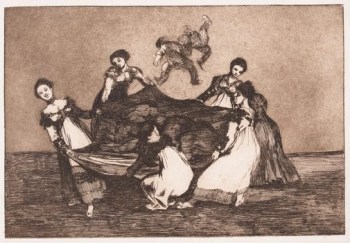
Francisco de Goya Y Lucientes, Feminine folly, c1816-1824, etching and aquatint, AGNSW
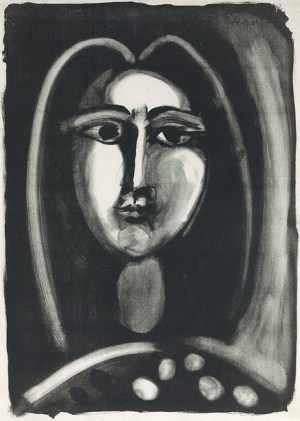
Pablo Picasso, Head of a woman, 1948, lithograph, AGNSW
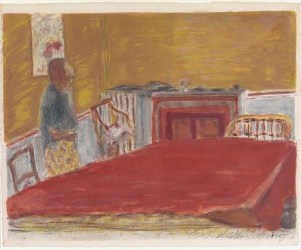
Pierre Bonnard, The red cloth, 1944-1946, colour lithograph, AGNSW
Tuesday 7 January 2020 Manly Dam Project, Manly Art Gallery, Sydney
Always interesting to see commissioned local artists’ response to a particular landscape, an interaction between science and art.
“The Manly Dam area is a unique landscape, rich in natural biodiversity, shaped by the interventions of engineering and science. Once the source of drinking water in Sydney’s north, fresh water continues to flow from the catchment to the sea. Along with a rich Aboriginal cultural significance, the area’s European history is layered with stories of social and recreational activity. Eight contemporary artists from a variety of practices have created new work inspired by place, history, water management and engineering.”
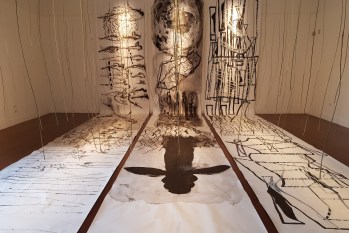
Sue Pedley, Othlith: in the ear of the fish, 2019 (ink, crayon, gouache on paper)
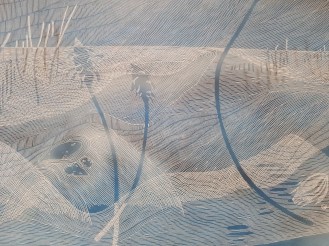
Melissa Smith, Resonating chords, 2019 (intaglio collagraph print)
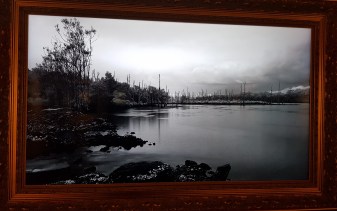
Nicole Welch, Yarrahopinni, 2019 (time lapse video)
 JTArtRave2