Recent lecture on Indonesian art sent me back to my travel notebooks, a memorable Christmas/New Year escape to a ‘tiny Hindu island province with charming people, stunning scenery and sophisticated artistry’1, intoxicating art, music, dance, a one-off trip to Bali in late December 1990. Time to look again at the art of, and artists inspired by Bali. Nothing compares to an indulgent life experience in paradise. Now a travel mega hotspot, even back in 1990 tourism was huge, but I came away from my too short two weeks impressed by a culture deep and strong, able to adapt and deal with the tourist hordes, besides Mount Agung takes control every now and again and puts a stop to all flights. Paradise lost, maybe not so, moving with the times, with verdant rainforest, beaches, and cultural icons.
Arrived late afternoon Denpasar Airport. One hour drive to Ubud, hit immediately with major blast of culture shock, the place teaming with people working everywhere along the road, in the fields, carrying sacks of grain and piles of bricks on their heads. Four superb days in Ubud, a rural village, stayed in a bungalow with geckos on the ceiling. Walked the main road, through rain (it was the wet season), mud, and traffic, through a street procession to arrive home to a gift fruit basket on the doorstep and incense burning inside. Soft rain and cool breeze. Next day walked to the Puri Lukisan Museum, and onto the Lotus Café, onto the monkey forest, caught in downpour walking back to the village, few tourists a relief, people working in the fields, rice paddies, ducks, chickens, families, harmonious lifestyle. Reading in late afternoon and evening in the bale sikepat (guest pavilion) with pouring rain backdrop. Next morning woke to find a large rodent eating the fruit gift, after a frenetic chase it disappeared over the wall of the open air mandi (shower). At least the weather was fine for some walking, through the laneways in early morning mist, children on their way to school, onto the markets, busy selling tubs full of live eels, then embarked on a day tour to Bedulu (Elephant Cave), King’s Shrine, Tampaksiring (Holy Spring Temple), Bengli (Temple of Kehen), Kintamani with magnificent view of Mount Batur and the lake, then onto Temple Ulun Ranu Batur, and drive back through the iconic, stunning scenery of terraced golden rice fields. Then one more day walking around Ubud to the Neka Musuem. Next day two hour drive to Candidasa on the east coast, via Klungkung (the capital of Bali until twentieth century)1, stunning coastal scenery along the way. Candidasa right on the beach with a grand view, swimming, and drinks with fellow travellers, pink, blue, red sunset from the terrace. Next day dive trip to Tulemben on the extreme northeast corner of the island. Shocked when the women carried the scuba tanks on their heads to the dive beach. First dive, around the outside of a WWII navy shipwreck covered in all manner of marine life. Second dive inside the wreck, dark clouds overhead, sublime atmosphere of ever shifting grey light in the gloom, the iridescent fish even brighter. Surfaced in pouring rain. Flooding all along the road back, had to wait a couple of hours in a few spots, cheering crowds when we made road crossing to the other side, a new slant on unexpected adventure travel. Next day swimming, relaxing, preparing for another dive day, then onto Padangbai, a memorable drift dive. Walked in from the beach, practically no visibility but once in the current felt like flying, atmospheric, fish, rays, turtles, corals emerged through the gloom, wet season an interesting time for a dive. Surfaced on the other side of the bay, fortunately the dive instructor’s father found us from a distance and paddled over to collect us in his outrigger canoe. In retrospect probably lucky to be alive. Lesson learnt, hung up the dive suit for some time after that, self-preservation became a priority. Next day, two hour drive to Kuta. Lived up to its reputation, tourists, stalls, shopping, the beach. Next day walk to Legian trying to come down from the exhilaration of the scuba dives. Next day markets to focus on the huge range of artisan goods, textiles, woodcarving, stone carving, jewellery of varying quality. Next day, day tour to Bedugal, central-north region, first stop Tanah Lot, incredible coastal visage, then to Mangui rural village on a river, monks in attendance at the temple, onto Bedugul and its special lake, photographers paradise, light rain and mountain mist, then onto a monkey forest, with monkeys everywhere stealing whatever they could, one got away with a camera and a wallet, but eventually they did throw a few poses for the cameras. Next day Denpasar, the capital of Bali, chaotic markets, then back to Kuta before the flight back to Sydney. It was difficult to decide whether to laugh or cringe at the sight of the airport passenger queue, most men and women wearing sarongs, beaded hair, even the crew cuts, sunburn, three or four watches on each arm, carrying wrapped carvings, all happy and smiling, what a lift a break in paradise can achieve.
Places
Ubud
Candidasa
Tulemben
Padangbai
Bedugal
Tanah Lot
Kuta
Denpasar
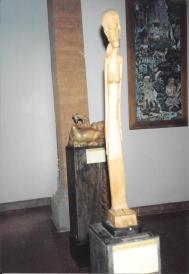
Puri Lukisan Museum, Ubud 25/12/1990
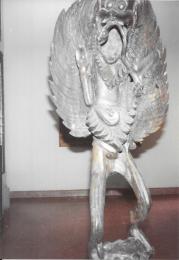
Puri Lukisan Museum, Ubud 25/12/1990
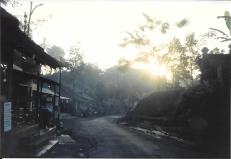
Early morning, Ubud 26/12/1990
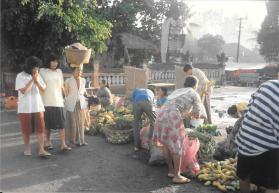
Morning market, Ubud 26/12/1990
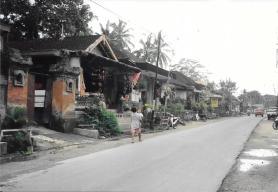
Ubud 26/12/1990
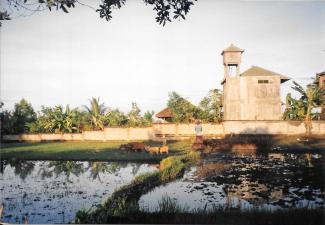
Ubud 26/12/1990
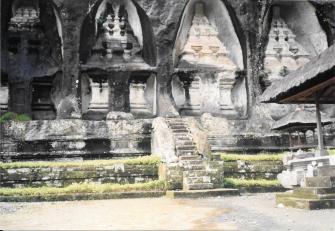
King’s Shrine – Gunung Kawi, 26/12/1990
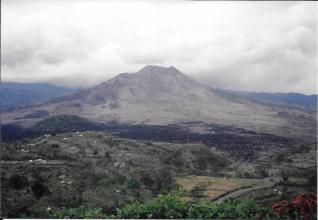
Kintamani – Mount Batur, 26/12/1990
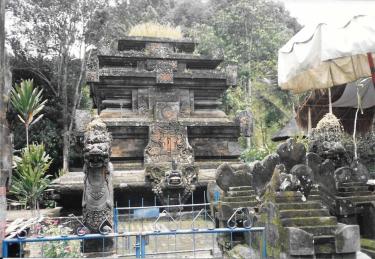
Tampaksiring (Holy Spring Temple), 26/12/1990
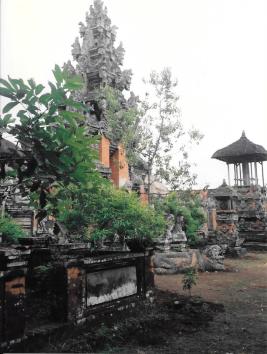
Ulun Donu Batur 26/12/1990
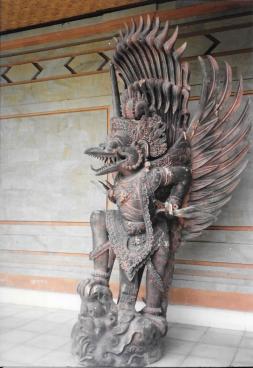
Garuda, Neka Museum, Ubud 27/12/1990
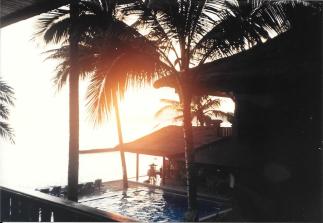
Candidasa 28/12/1990
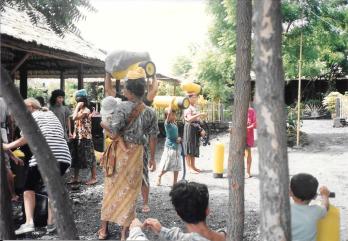
Tulamben 29/12/1990
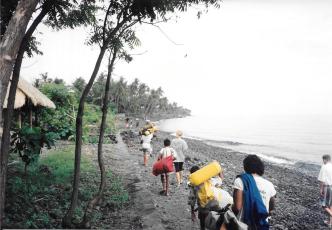
Tulamben 29/12/1990
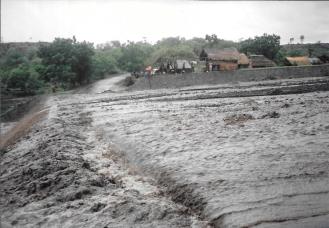
A road crossing Tulamben to Candidasa 29/12/1990
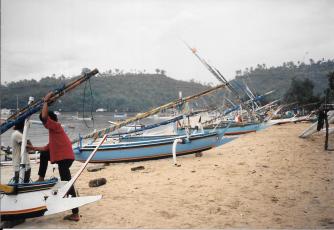
Padangbai 31/12/1990
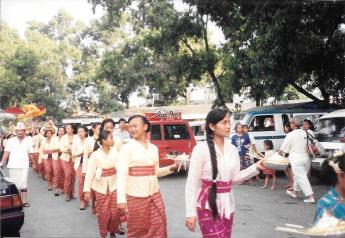
Kuta 2/1/1991
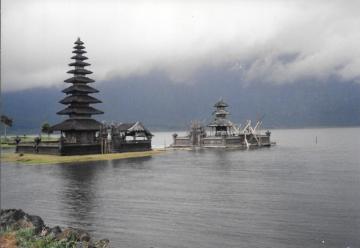
Bedugul 4/1/1991
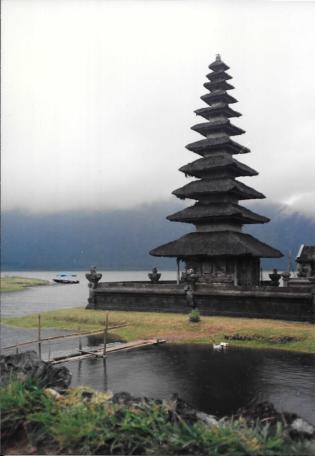
Bedugul 4/1/1991
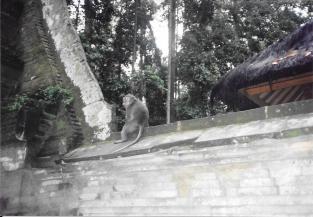
Sangeh 4/1/1991
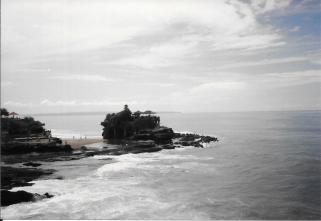
Tanah Lot 4/1/1991
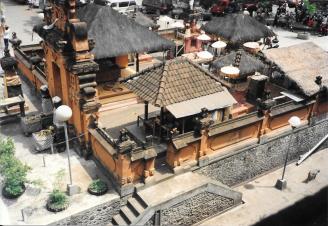
Denpasar 5/1/1991
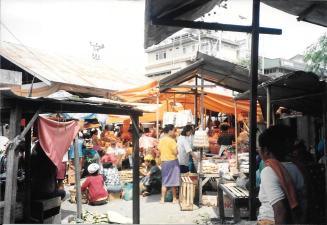
Denpasar 5/1/1991
Art References
Neka Museum, Ubud
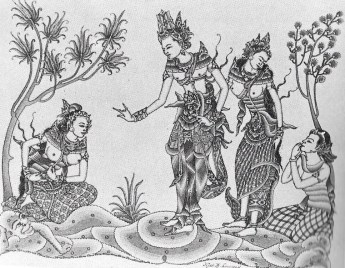
I Gusti Nyoman Lempad, Rama and Sita encounter Rawana’s sister Surpanakha (the epic of Ramayana) 1956
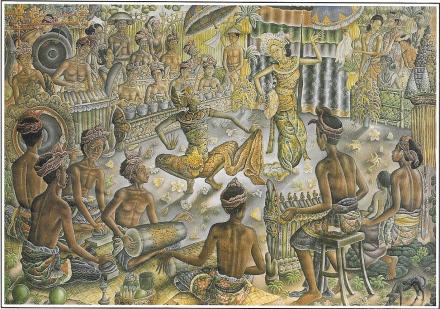
Anak Agung Gede Sobrat, Bumblebee Dance, 1970
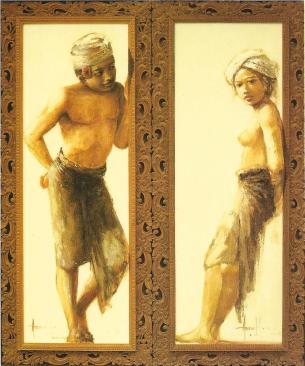
Abdul Aziz, Mutual Attraction, 1974-75
Ian Fairweather
Set a whole new benchmark for extraordinary life experience.
Chronology – a brief summary
Served in WWI, sent to Belgium, taken prisoner and spent four and a half years in Germany as a prisoner of war, after the armistice in 1918, he studied art at the Slade School in London (1920-24), while learning Japanese and Chinese at the School of Oriental Studies at the University of London (1921). During the 1930s and 40s lived a nomadic existence, travelling extensively in Canada, China, Indonesia, and Australia. Spent three years in Shanghai immersed in Chinese culture. Chinese calligraphy an essential part of his art practice, drawing paintings, he had watched calligraphers at work, calligraphy as performance, dynamic form of gesture.2 Stayed in Bali for nine months in 1933, completed 30 to 40 works there, returning to the theme throughout his life. Served with the British Army in India in WWII from 1941 to 1943. After the war, returned to Australia, living among the local Aboriginal community near Cairns. A turning point in his life and work occurred in 1952 when he built a raft, made of timber and three old aircraft fuel tanks2, intending to sail from Darwin to Bali, instead spent 17 days drifting across the Arafura Sea, nights spent in hallucinatory visions2, washed up close to death on a beach in Roti, Indonesia, last stop before the Indian Ocean. Held under house arrest by Indonesian authorities for three months, then deported to Singapore and then to England, where he dug ditches to raise money to return to Australia, settled on Bribie Island off the coast of Queensland in 1953. On Bribie Island he built a thatched hut studio and, living as a recluse, continued to paint until his death in 1974, producing some of the most significant works of his career, aged 61-77, ‘abstract soliloquies.’2 Dominated by an increasing abstraction, his paintings remained an amalgam of European, Asian and Aboriginal influences.3 A scholar he could read, translate, write and speak Mandarin. He wrote a book The Drunken Buddha, published 1965, a translation of a traditional Chinese novel. His affinity for Chinese culture in part provides some explanation for his choice of lifestyle as a recluse amateur artist, traditionally in China amateur artists were more highly regarded than the artisan professional artists. His compositions open without boundary lines, drawn with the brush, spontaneous, overpainting, instinctive painter. Process set the elements of image, calligraphy, and abstract expressionism at odds. Integrity, independence, power, presence. Shalimar, has more than fifty layers of paint. 2
A quote, 1963:
Painting to me is something of a tightrope act; it is between representation and the other thing – whatever that is. It is difficult to keep one’s balance.1
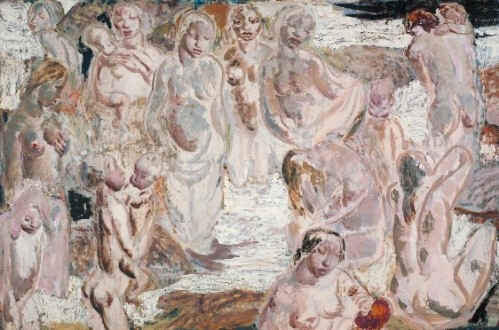
Ian Fairweather, Bathing Scene, Bali, c.1933–4
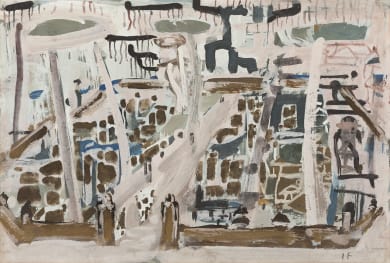
Ian Fairweather, Temple, Bali, 1954
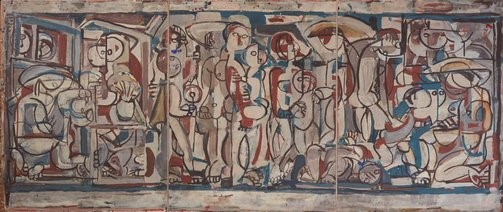
Ian Fairweather, Anak Bayan, 1957
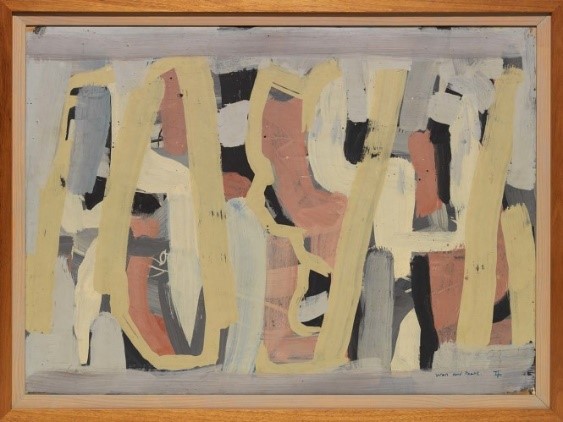
Ian Fairweather, War and Peace, 1959
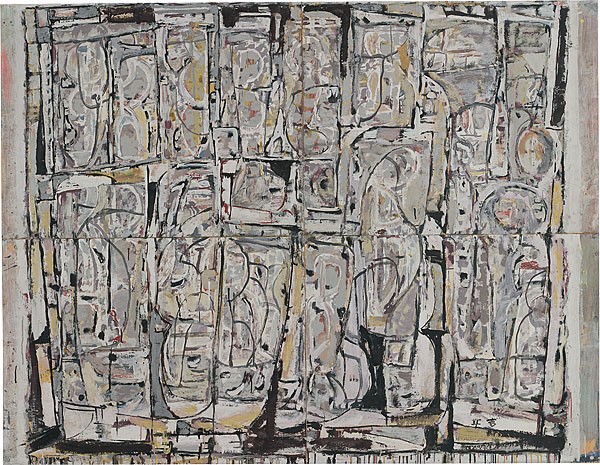
Ian Fairweather, Monastery, 1961
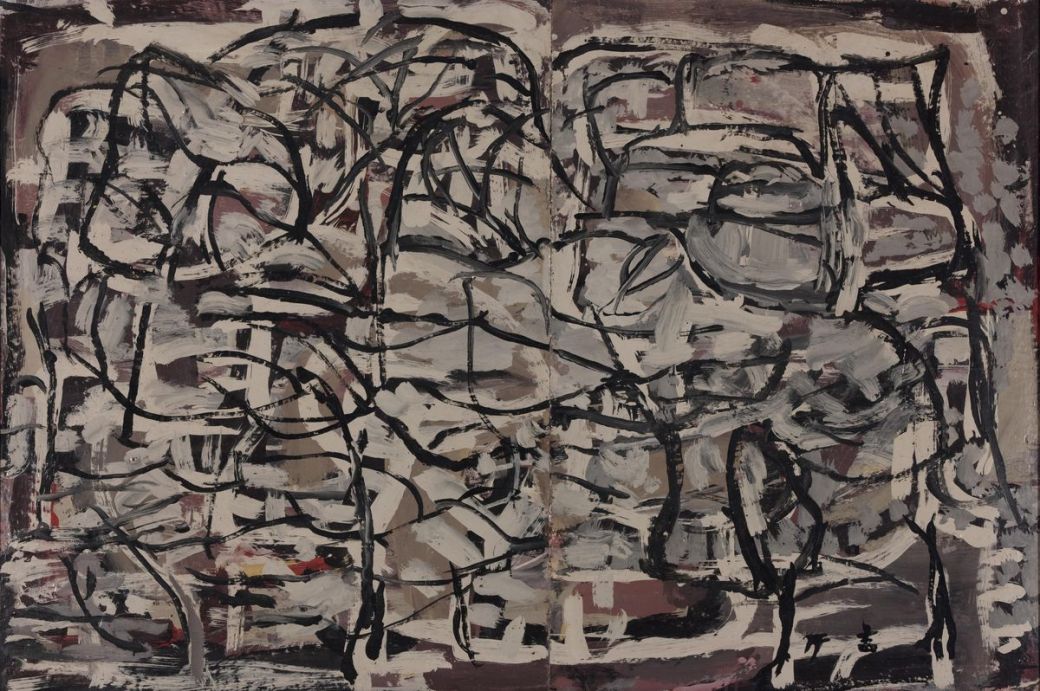
Ian Fairweather, Mangrove, 1961-62
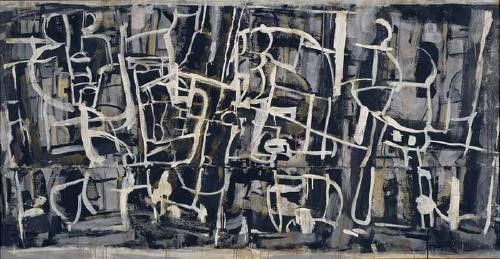
Ian Fairweather, Monsoon, 1961-62
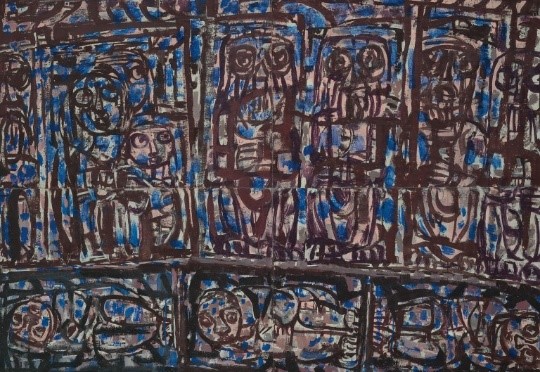
Ian Fairweather, Epiphany, 1962
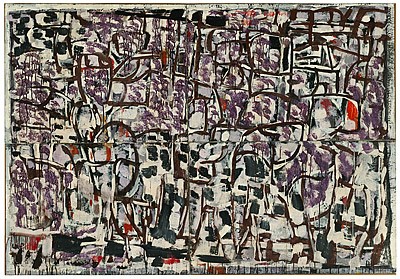
Ian Fairweather, Shalimar, 1962
Other art references
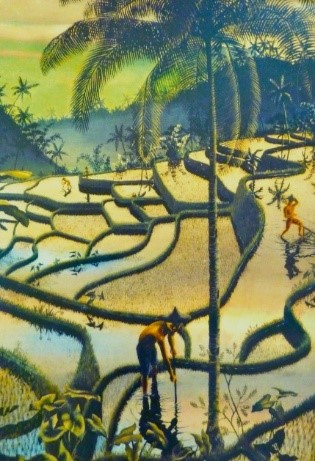
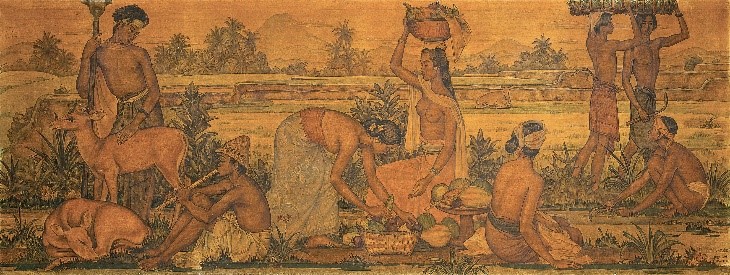
Rudolf Bonnet, Market Scene, 1948
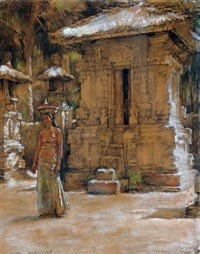
Willem Hofker, At the temple gate, 1939
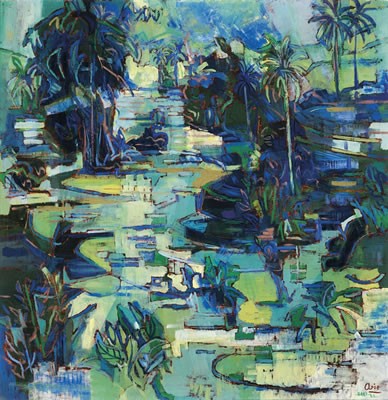
Arie Smit, Rice Fields, 1962
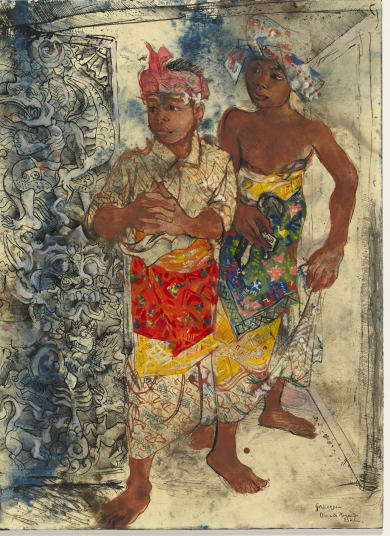
Donald Friend, Galungan, 1967-80
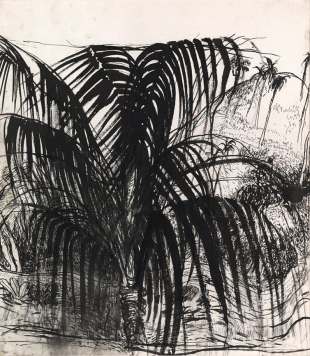
Brett Whiteley, Palm tree, Bali, 1976
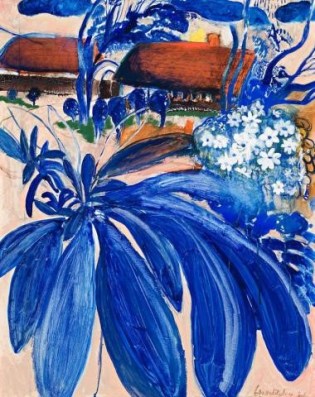
Brett Whiteley, View from the window, Bali, 1978
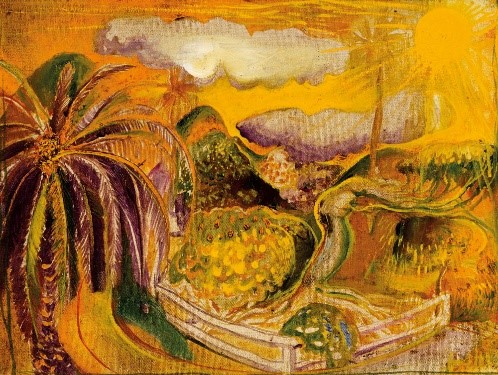
Brett Whiteley, Walk at Ubud, 1979
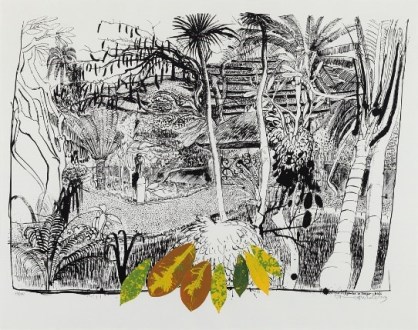
Brett Whiteley, The Garden in Sanur, Bali 1980
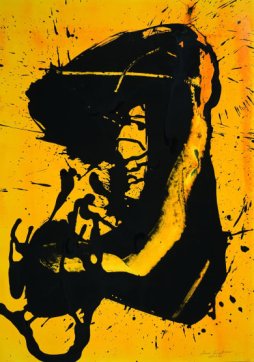
James Smeaton, Ceremony, 2012
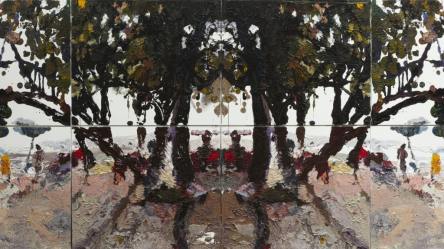
Ben Quilty, Kuta Rorschach no.2 (detail), 2014
Art references – links
Anak Agung Gede Sobrat, Bumblebee Dance, 1970
Abdul Aziz, Mutual Attraction, 1974-75
Ian Fairweather, Bathing Scene, Bali, c.1933–4
Ian Fairweather, Temple, Bali, 1954
Ian Fairweather, Anak Bayan, 1957
Ian Fairweather, War and Peace, 1959
Ian Fairweather, Monastery, 1961
Ian Fairweather, Mangrove, 1961-62
Ian Fairweather, Monsoon, 1961-62
Ian Fairweather, Epiphany, 1962
Ian Fairweather, Shalimar, 1962
Walter Spies, Sawas im Preangergebirge, 1923
Rudolf Bonnet, Market Scene, 1948
Willem Hofker, At the temple gate, 1939
Arie Smit, Rice Fields, 1962
Donald Friend, Galungan, 1967-80
Brett Whiteley, Palm tree, Bali, 1976
Brett Whiteley, View from the window, Bali, 1978
Brett Whiteley, Walk at Ubud, 1979
Brett Whiteley, The Garden in Sanur, Bali 1980
James Smeaton, Ceremony, 2012
Ben Quilty, Kuta Rorschach no.2 (detail), 2014
Other references
1 Bali Handbook, Bill Dalton, 1990
Neka Museum Guide to the Painting Collection, 1986
The Miracle of Bali, David Attenborough, 1969, The Tribal Eye BBC documentary, DVD
2Fairweather, Queensland Art Gallery, Murray Bail, 1994
3 Ian Fairweather, online biography, Art Gallery of NSW
The Drawings of Ian Fairweather, Tim Fisher, National Gallery of Australia, 1997
Ian Fairweather, Late Works 1953-74, Queensland Art Gallery and Gallery of Modern Art, 2012
Fairweather Man, ABC documentary, Aviva Ziegler, 2008, DVD
Fairweather, All Dry No Rain, Paintlater blog 6/2/2013, Queensland Art Gallery exhibition Ian Fairweather – Late Works 1953-1974
Bali an island of enchantment for Australian artists Friend, Whiteley, Chris Allen, The Australian, 28 November 2015
Australian artists in Bali find there’s more to paradise than postcards, Andrew Stephens, The Sydney Morning Herald, 12 September 2015
Australian Artists in Bali, McClelland Sculpture Park and Gallery, September 20-November 29. mcclellandgallery.com
Brett Whiteley’s drawings reveal the artist as a master draughtsman, Ted Snell, The Conversation, 23 February, 2015
Sasha Grishin’s review of Ian Fairweather: The Drunken Buddha, Sydney Morning Herald, 2 January 2015
 JTArtRave2