A recent exhibition Heaven and earth in Chinese art: treasures from the National Palace Museum, Taipei, AGNSW, sent me back to the art books and travel journal of a three week trip around China mid-September to early October 1991 with my Chinese brush painting art group. A grand tour, a time before the great economic expansion of the following decades. After several years of weekly classes in Chinese brush painting to be in the landscape of the origin of the tradition was an immense learning experience.
Arrived in Hong Kong early evening, walk along Nathan Road to get some bearings for the return visit at the end of three weeks touring. Next day train to Guangzhou, worth some slow travel time to take in the countryside. In Guangzhou visits to a jade carving factory, an historic family residence, then evening flight to Hangzhou. Next day morning tour of the West Lake in pouring rain, afternoon visit to silk factory and tea plantation where I acquired a taste for green tea to this day, like savouring fine wines. Next day morning visit to Zhejang Academy of Fine Arts, life drawing and calligraphy classes in progress, impressive students’ works in the sculpture gallery. Then onto the bonsai park, some plants hundreds of years old. Apparently according to the guide, Richard Nixon, US President in early 1970s historic visit, made an offer for one of the plants but told it was not for sale as considered priceless by the custodians. Afternoon at the shrine of Yue Fei then onto craft centre and department store. Walk along the causeway after dinner, Autumn moon over the West Lake, art galleries along the way. Next day flight to Huangshan, and cable car up the mountains for an overnight stay. Spectacular scenery, ragged mountains with pines exactly as represented in so many classical Chinese paintings. Stunned to see building materials, doors, windows, pipes, roofing tiles, being carried by hand up the mountain paths while we glided by in the cable car. The workers at the top issued with a bowl of noodles and cup of tea as payment for their labour. Up early to see dawn through the clouds and mists over the pine covered mountains, special experience, then walked for most of the morning before the trip back down the mountains by cable car. Then bus to Tunxi and a walk along the river in the evening, fantastic old wooden buildings. Before breakfast the next day walk in to the old part of Tunxi, old man appeared brandishing a straw broom to ward of the Western ghosts and witches, then flight to Nanjing, visit to Sun Yatsen Mausoleum, the Linggu Temple, and the Yangtze River Bridge followed by evening flight to Beijing. Next day, morning tour of the Imperial Palace (Forbidden City), onto the Temple of Heaven in the afternoon, followed by shopping for art supplies in Liulichan Street for the four treasures: brushes, paper, ink sticks, ink stones. Superb performance after dinner in local theatre, acrobats, gymnasts, and a magic show. Next day Ming Tombs and the Great Wall. Nothing prepares you for the experience of encountering the scale of the Great Wall for the first time, it snakes its way into the far distance along the steepest ridgelines. Next day Beijing Central Academy of Fine Arts in the morning, Summer Palace in the afternoon. Next day flight to Wuhan, walk in the rain to the East Lake to the Provincial Museum, stunning bronzes, musical performance on ancient musical instrument: bells, gongs, jade chimes, the Marquis Yi Bell Set dated from the Warring States Period 433BC. Overnight train to Yichang. Next day boarded ship mid-morning for a three day Yangtze River cruise through the famous Three Gorges (now partially flooded for hydro- electricity). Awe inspiring scenery through the first main gorge Xiling Gorge. At anchor overnight. Next day travelled through the Wu Gorge early morning, then full day side trip up to the Daling River in small wooden boats, and the three small gorges, stunning villages, wooden houses along the way. Late evening sailed through Qutang Gorge, third main gorge. Next day stopped at Wan Xian village, brief visit to museum and silk factory, then back to the ship. In the afternoon stopped at Shibaozhi, very old village, temples, then captain’s dinner that evening. Our guide revealed his immense talent when he sang operatic version of Rod Stewart’s ‘Sailing’, everyone in awe of our multi skilled talented guide. Next day ship delayed by fog, full day on board some time for some sketching. Arrived Chongqing at sunset, huge river harbour. Time for some shopping where I bought a must have traditional Mongolian outfit made of heavy silk with brass ornaments, when walking it makes the sounds of the steppes. Early morning flight to Guilin, visit to the Reed Flute Caves, Seven Star Park, climb to the peak. A folk concert after dinner, guy in a barrel juggling pots, and a dance of the Sweet Osmanthus fairies. Next day cruise along the Li River with local artist, who was with us for the full day, painting the scenery along the way. On the bus on the way back he auctioned off paintings he had brought along with him, spirited bidding, he did well (see work below Spring, Guilin). Bade emotional farewell to our guide at the airport for late evening flight to Hong Kong. Next day tour of Hong Kong Island, cable car to Victoria Peak, then visit to Stanley markets, and a jewellery factory like Aladdin’s cave. Stopped off at Aberdeen and a brief ride on a san pan. Then some shopping but too much and gave up. Next day Star Ferry to Hong Kong Island, walk around the small side streets, then lunch at the Hong Kong Jockey Club. Train back to hotel and late evening flight back to Sydney, savouring the experience and knowledge gained about the breadth and depth of Chinese culture, addicted to ink painting ever since.
Places
Hong Kong, Southern China (returned to China from Britain in 1997)
Guangzhou, province of Guangdong in southern China
Hangzhou, Zhejiang Province in East China
Huangshan, mountain range in southern Anhui province in eastern China
Tunxi, central district of Huangshan City, Anhui Province, eastern China.
Nanjing, capital of Jiangsu province, the second largest city in the East China region
Beijing, China’s capital city, northern China
Wuhan, capital of Hubei province, Central China
Yichang, western Hubei province, Central China (location of Three Gorges Dam, completed 2012)
Yangtze River – Yichang to Chongqing – the three gorges
Chongqing, southwest China
Guilin, Guangxi Zhuang Autonomous Region, South China
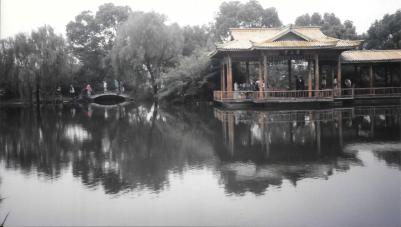
West Lake, Hangzhou, 17/9/1991
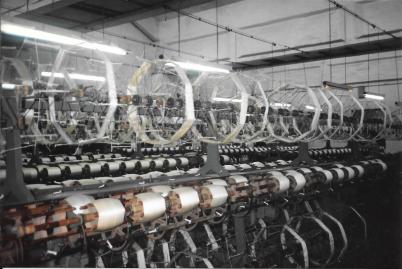
Silk Factory, spinning, Hangzhou, 17/9/1991
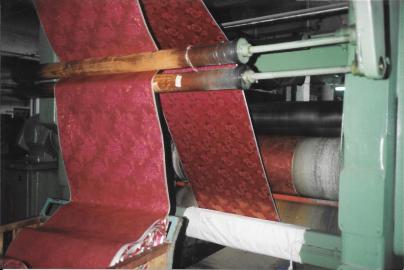
Silk Factory, weaving the finest silk brocade, Hangzhou, 17/9/1991
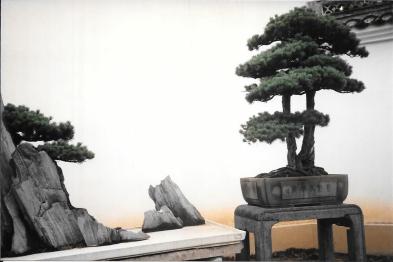
Bonsai Park, Hangzhou, 18/9/1991
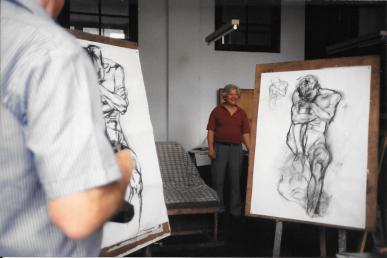
Life drawing class in progress, Zhejang Academy of Fine Arts, Hangzhou, 18/9/1991
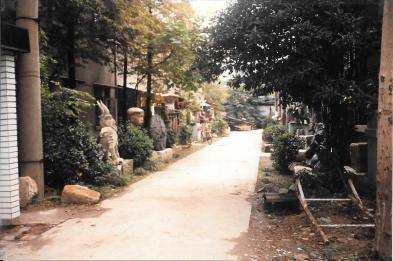
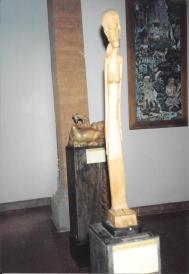
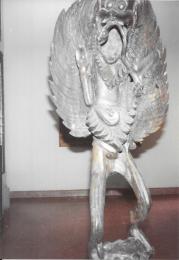
Sculpture Gallery, Zhejang Academy of Fine Arts, Hangzhou, 18/9/1991
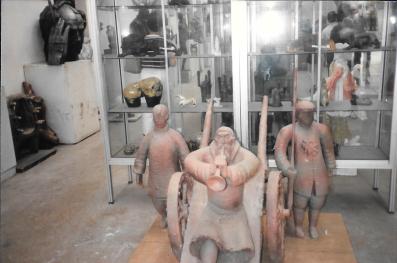
Sculpture Gallery, Zhejang Academy of Fine Arts, Hangzhou, 18/9/1991
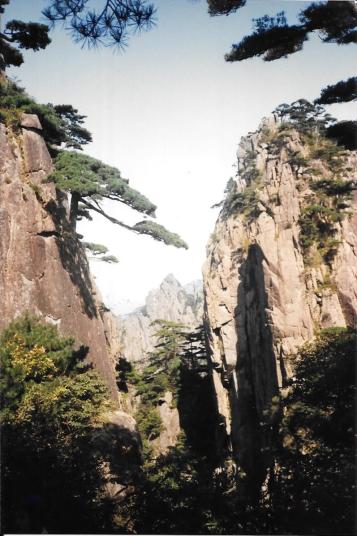
Huangshan, 19/9/1991
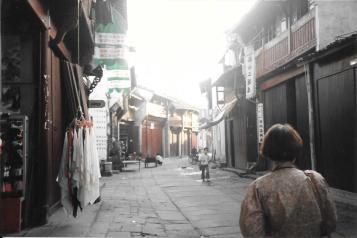
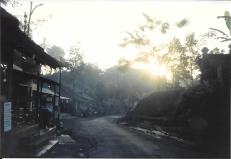
Tunxi, 21/9/1991
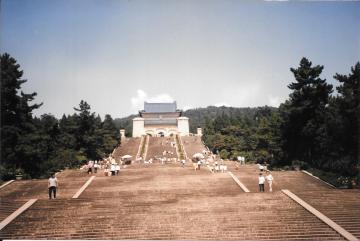
Sun Yatsen Mausoleum, Nanjing, 21/9/1991
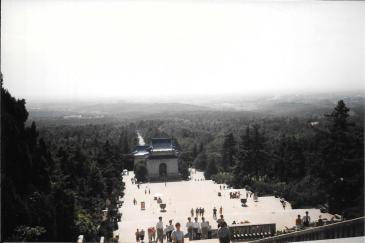
View from Sun Yatsen Mausoleum, Nanjing, 21/9/1991
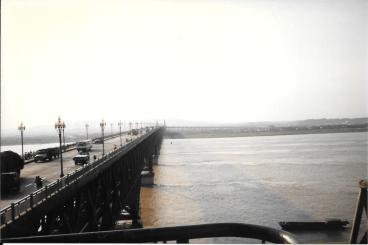
Yangtze River Bridge, Nanjing, 21/9/1991
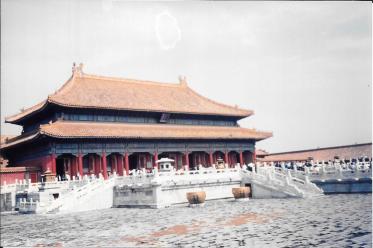
Imperial Palace (Forbidden City), Beijing, 22/9/1991
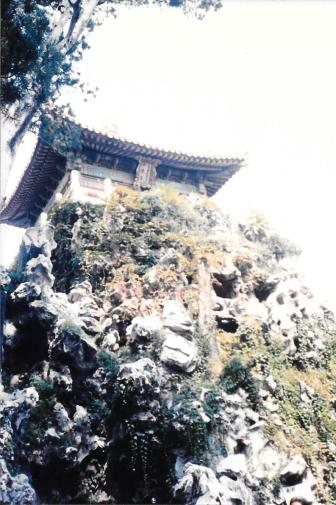
Imperial Palace (Forbidden City), Beijing, 22/9/1991
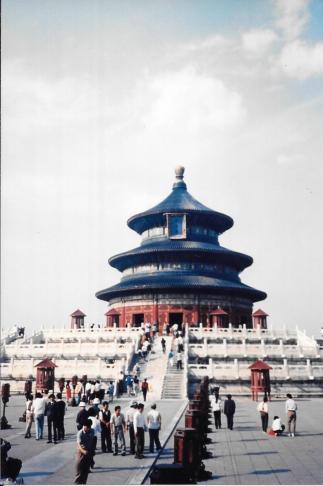
Temple of Heaven, Beijing, 22/9/1991
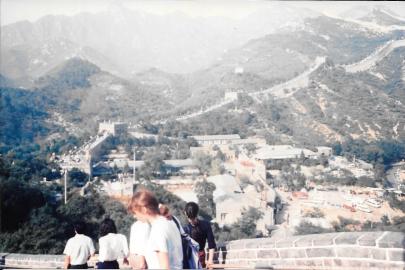
The Great Wall at Badaling, 23/9/1991
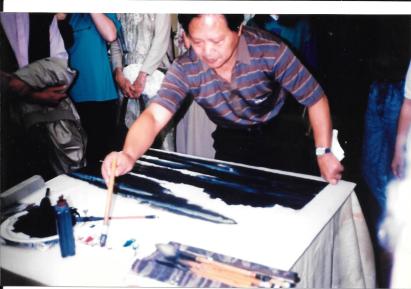
Central Academy of Fine Arts, Beijing, 24/9/1991
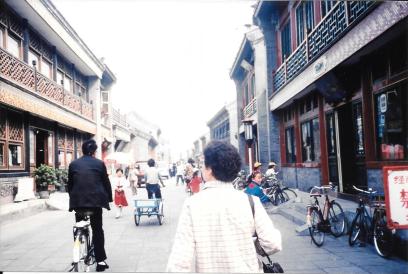
Shopping for art supplies, Liulichan Street, Beijing, 24/9/1991
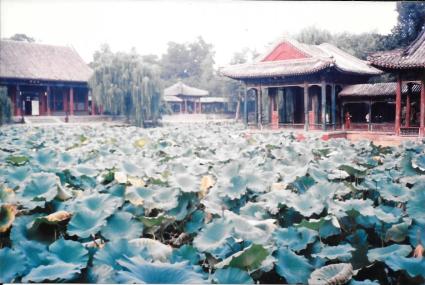
Summer Palace, Beijing, 24/9/1991
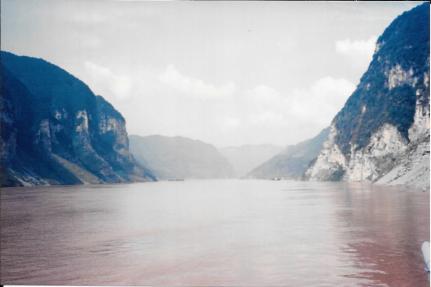
Entering Xiling Gorge, Yangtze River, 26/9/1991
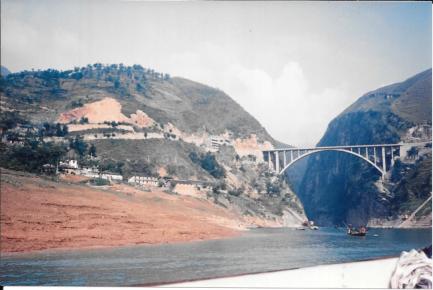
Daling River, off the Yangtze River, 27/9/1991
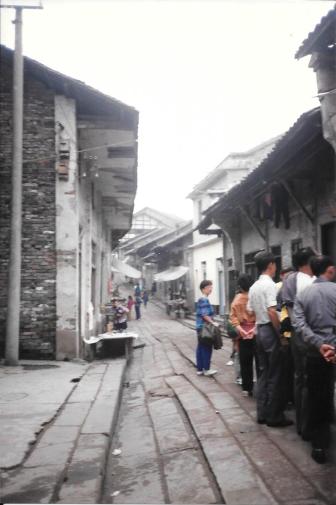
Shibaozhi, Yangtze River, 28/9/1991
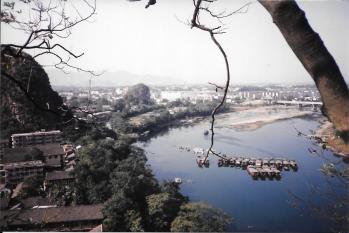
Guilin, 30/9/1991
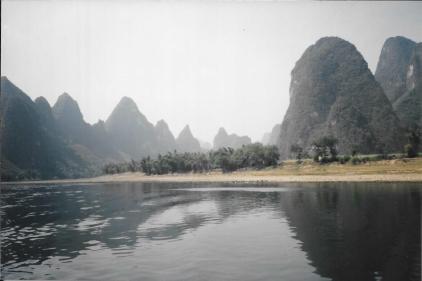
Li River, Guilin, 1/10/1991
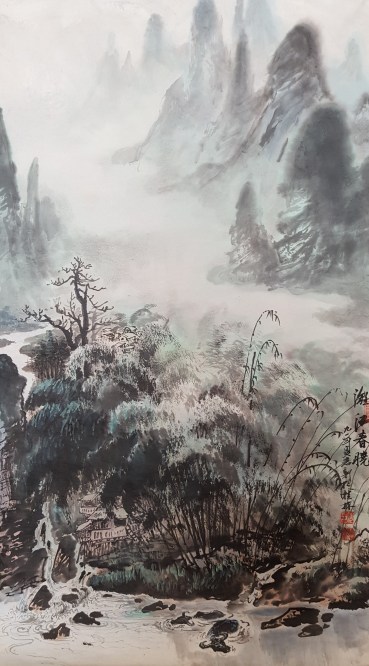
Spring, Guilin, by Mr He, local artist, 1991
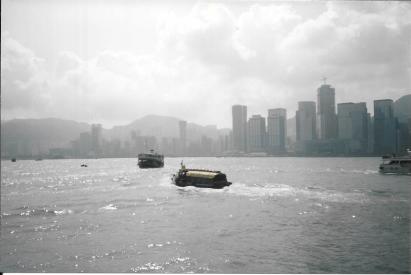
Hong Kong, 3/10/1991
Art References
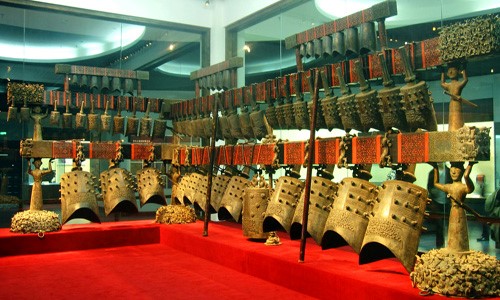
Marquis Yi Bell Set, Warring States Period, 433 BC, Hubei Provincial Museum in Wuhan.
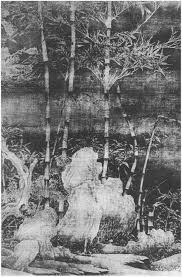
Bamboo, Old Trees, and Stones in Winter, Unknown master of the Five Dynasties, or early Sung period, 10th century
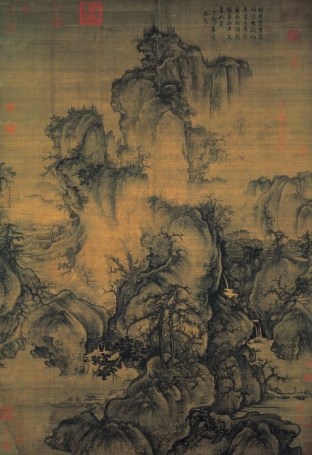
Kuo Hsi Early Spring, 1072 (Song Dynasty)
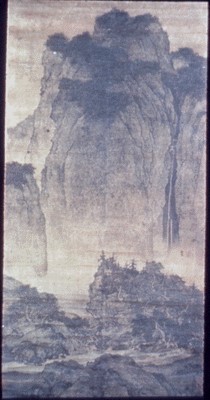
Fan K’uan, Travellers among Streams and Mountains, early 11th century
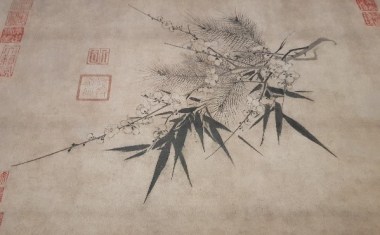
Zhao Mengjian, Three friends of Winter, 1199-1264 (Song Dynasty)
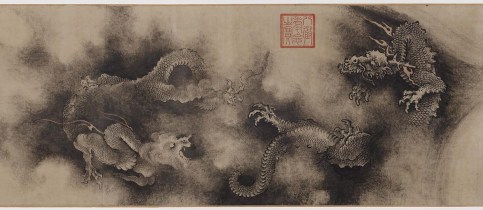
Chen Rong, Nine Dragons, 1244 (Southern Song Dynasty) (detail)
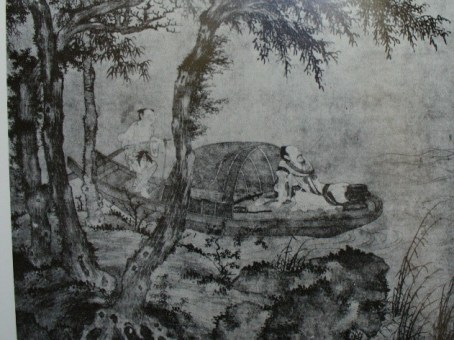
Sheng Mou Singing While Boating on the Autumn River, 1279-1368 (Yuan Dynasty during the Mongol reign of terror)
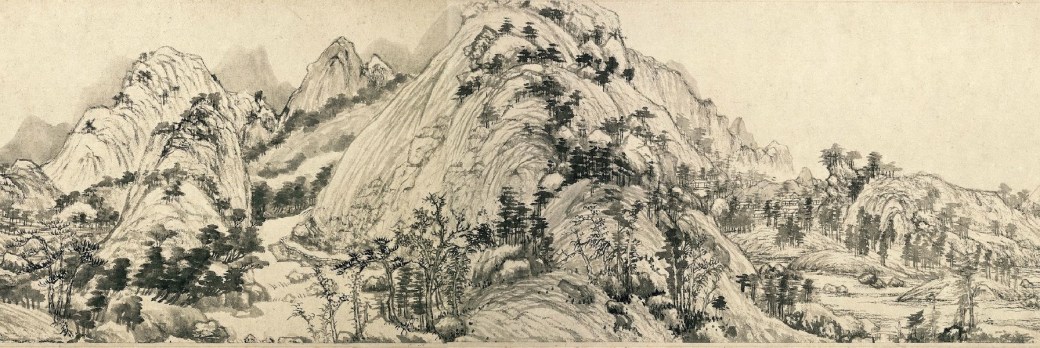
Huang Gongwang, Dwelling in the Fuchun Mountains, 1350 Yuan dynasty (detail)
“The Master Wuyong Scroll,” section National Palace Museum in Taipei, 636.9 centimetres (nearly 21 feet).
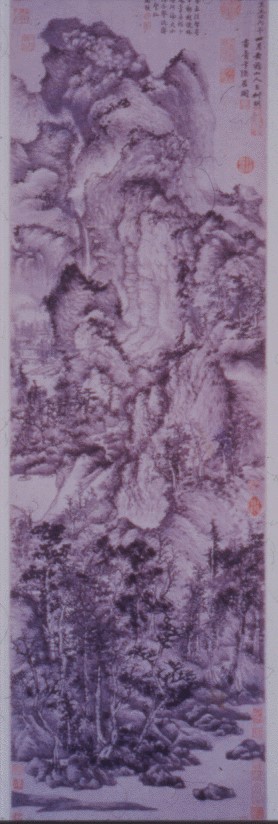
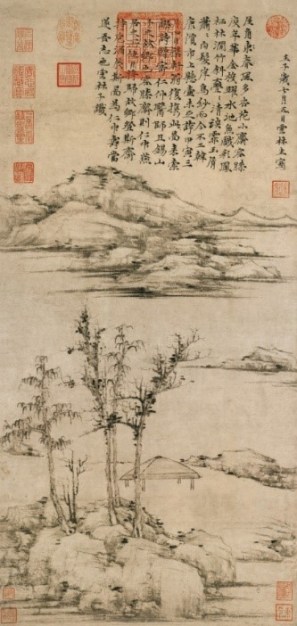
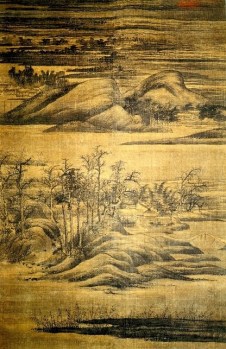
Tung Yuan, Wintry Trees, 14th Century
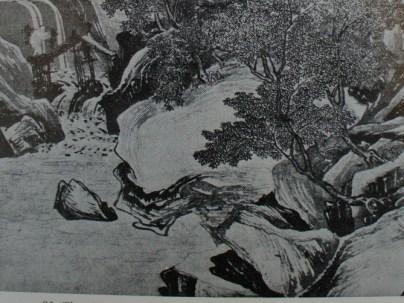
Tang Yin, Poetic Thoughts Travelling by Donkey, 1500
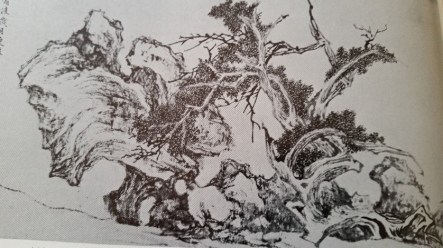
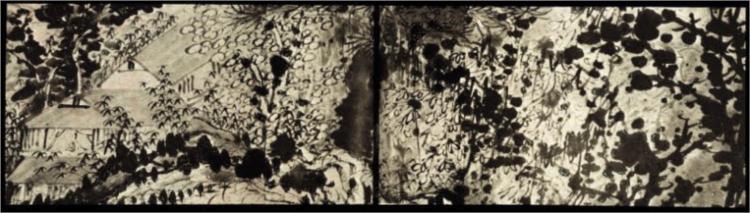
Shitao 10,000 Ugly Inkblots, 1685
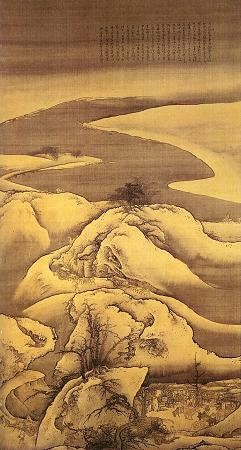
Li Yin. Loading Carts, early 18th century
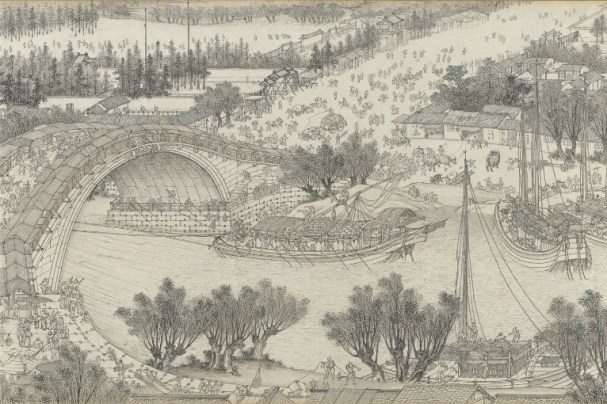
Along the River during Qingming Festival, Shen Yuan, c1736-95, (Qing Dynasty) (detail)
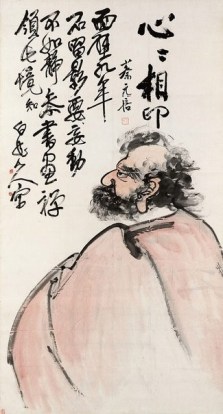
Wang Zhen, Nine years facing the wall, late 19th century-early 20th century
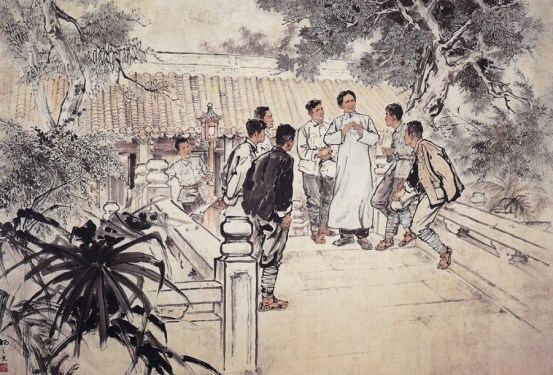
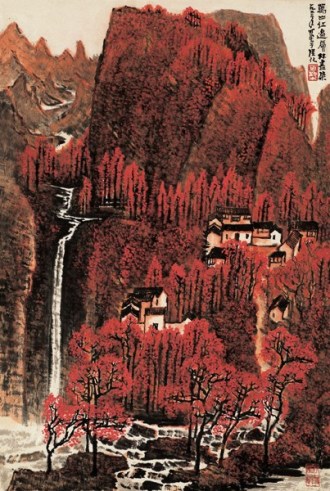
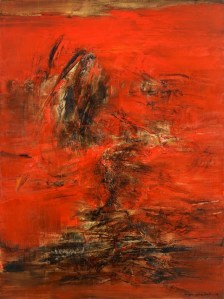
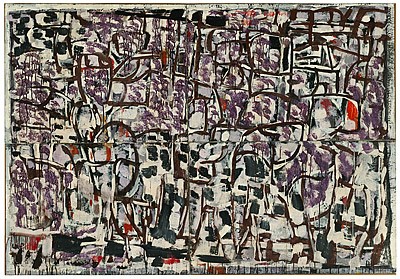
Zao Wou-Ki, untitled, 1963
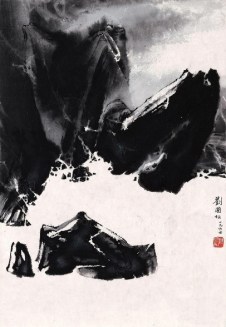
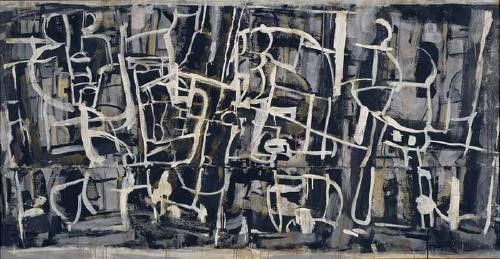
Liu Guo Song, 1964
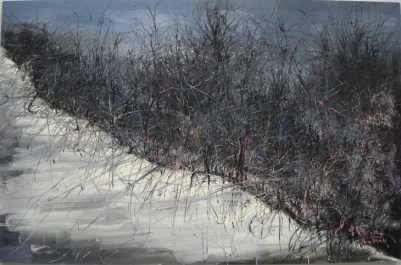
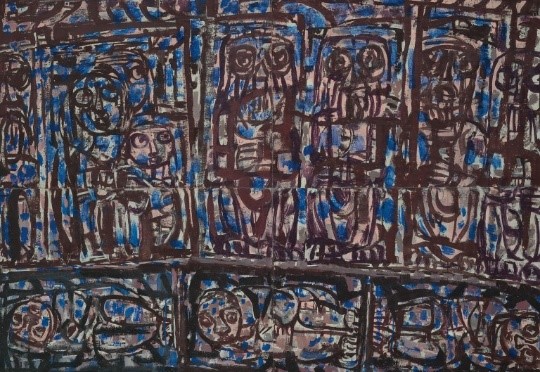
Zeng Fanzhi, This Land is so Rich in Beauty 2, 2006

Cai Guo-Qian, Sentinels of the Enchanted Valley, 2014
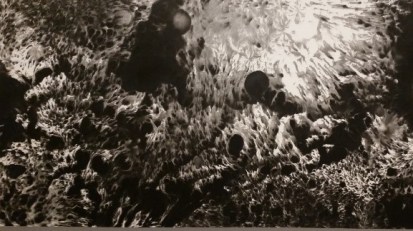
Hsiao Cho-Yu, Liquid Creation, 2015
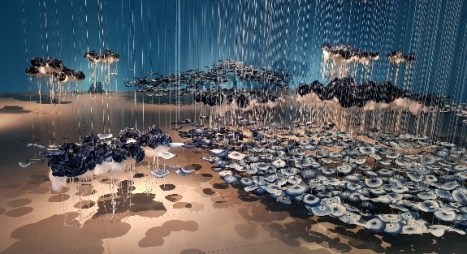
Yang Wei Lin, Ocean of Cloth Wheels and Floating Islands, 2016
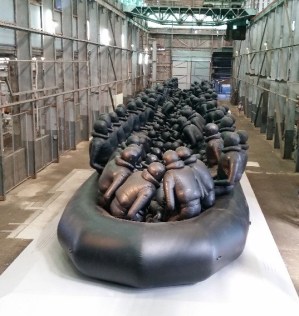
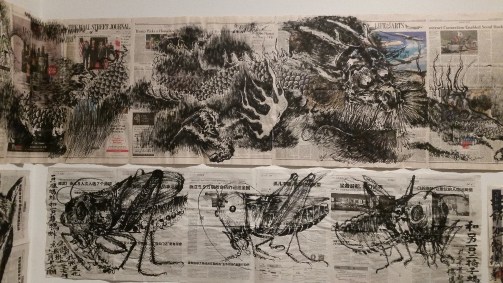
Sun Xun, Museum of Contemporary Art, Sydney, July 2018
Other references
The Development of Chinese Painting by James Cahill – lecture series
The Compelling Image – Nature and Style in Seventeenth Century Chinese Painting, James Cahill, The Charles Eliot Norton Lectures, 1979
Hills Beyond a River – Chinese Painting of the Yuan Dynasty 1279-1368, James Cahill, 1976
Parting at the Shore – Chinese Painting of the Early and Middle Ming Dynasty 1368-1580, James Cahill, 1978
The Distant Mountains – Chinese Paintings of the Late Ming Dynasty 1570-1644, James Cahill, 1982
Chinese Watercolours, Josef Hejzlar, 1978
Chinese Art, Mary Tregear, 1980
The Arts of China, Michael Sullivan, 1986 (3rd edition)
The Archaeology of Ancient China, Kwang-Chih Chang 1986 (4th edition)
Chinese paintings of the Ming and Qing Dynasties, 14-20th Centuries, AGNSW exhibition catalogue, Edmund Capon and Mae Anna Pang, 1981
The Insiders Guide to China, Derek Maitland, 1989
Selected Calligraphies and Paintings of the Great Hall of the People, 1989
The Cambridge Handbook of Contemporary China, Colin Mackerras and Amanda Yorke, 1991
Lion Among Painters – Chinese Master Chang Dai Chien, AGNSW exhibition catalogue, 1998
Fragrant Space – Chinese Flower and Bird Painting of the Ming and Qing Dynasties from the Guangdong Provincial Museum, Liu Yang and Edmund capon, AGNSW exhibition catalogue, 2000
Zen Mind Zen Brush – Japanese ink painting from the Gitter-Yelen Collection, Clare Pollard and John Stevens, AGNSW exhibition catalogue, 2006
The Chinese Art Book – 300 Works of Art, Colin Mackenzie, Keith Pratt, Jeffrey Moser, Katie Hill, 2013
The Mustard Seed Garden Manual of Painting, 1679-1701. Chieh Tzu Yuan Hua Chuan 1679-1701 (Translated Mai Mai Sze 1956)
Huang Gongwang, Dwelling in the Fuchun Mountains, 1350 Yuan dynasty, essay by Hung Sheng
Brushstrokes: Styles and Techniques of Chinese Painting from the Asian Art Museum
Education Department Asian Art Museum – Chong Moon Lee Center for Asian Art and Culture (1995)
Exhibitions
Heaven and earth in Chinese art: treasures from the National Palace Museum, Taipei, AGNSW, February 2019
Supernatural, White Rabbit Gallery, Sydney, January 2019
The Sleeper Awakes, White Rabbit Gallery, Sydney, July 2018
Sun Xun, Museum of Contemporary Art, Sydney, July 2018
Biennale of Sydney 2018
The Dark Matters, White Rabbit Gallery, Sydney, May 2017
The artists don’t shun light or colour, but in using them they follow Laozi’s advice: Know the white, but hold to the black.”
Ritual Spirit, White Rabbit Gallery, Sydney, October 2017
The First Emperor – China’s Entombed Warriors, AGNSW, Sydney, December 2010 – March 2011
Zen Mind Zen Brush – Japanese ink painting from the Gitter-Yelen Collection, AGNSW, Sydney, 2006
Fragrant Space – Chinese Flower and Bird Painting of the Ming and Qing Dynasties from the Guangdong Provincial Museum, AGNSW, Sydney, 2000
Lion Among Painters – Chinese Master Chang Dai Chien, AGNSW, Sydney, 1998
Chinese paintings of the Ming and Qing Dynasties, 14-20th Centuries, AGNSW, Sydney, 1981
 JTArtRave2